Croatia: Life, Law & the New Property Reality
Croatia delivers coastal life and historic charm — but recent tax reforms, residency limits and rental rules change holding costs. Pair lifestyle choices with legal clarity before you buy.
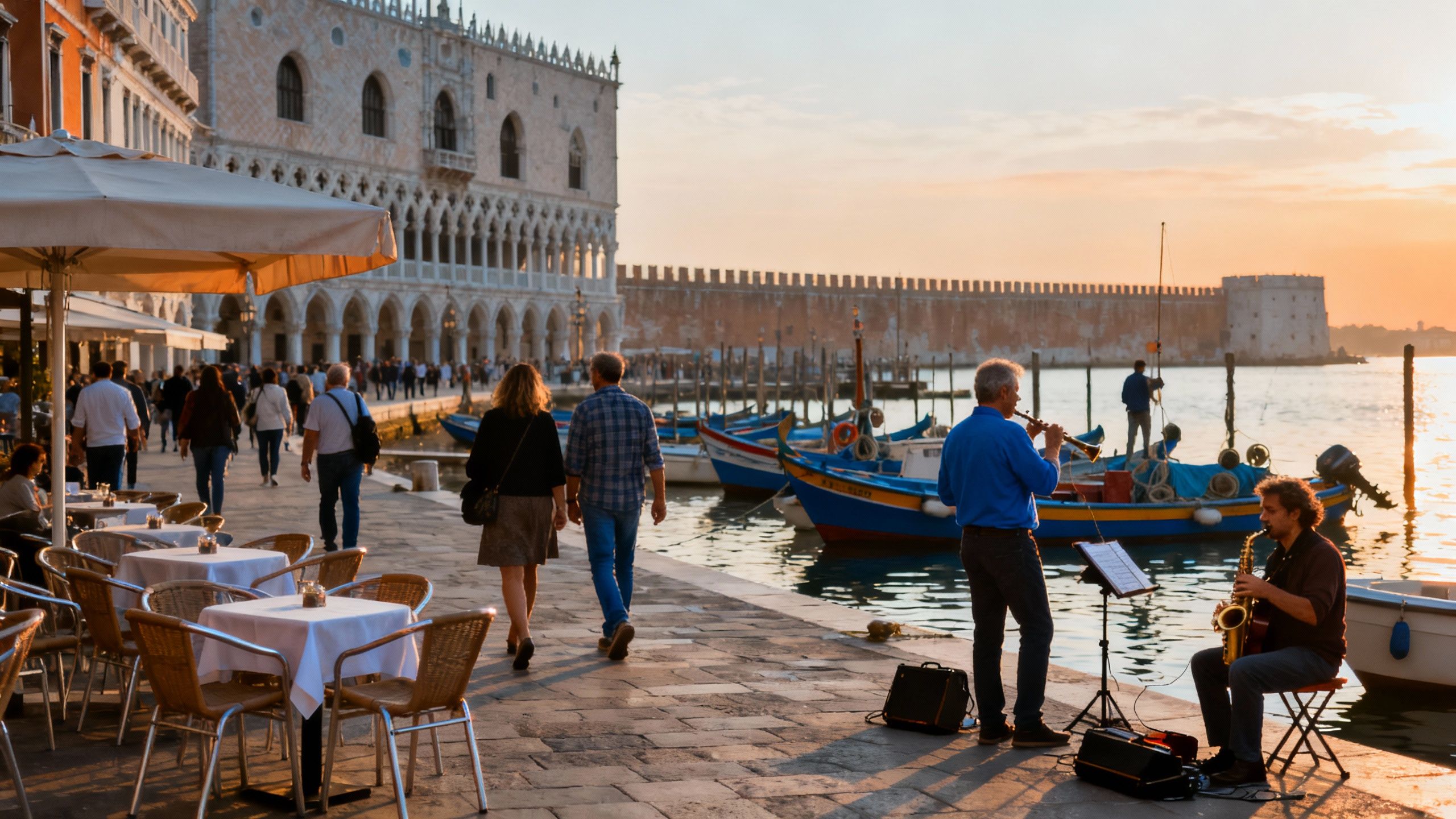
Imagine starting the day with espresso on Split’s Riva, the Adriatic glass-still, fishermen hauling last night’s catch, and a neighbour calling out about the farmer’s market on Marmontova. That image is why buyers come to Croatia. But the day-after reality matters too: new property taxes, residency quirks and rental rules shape whether that dream is affordable and sustainable. This guide pairs the lived-in pleasures of Croatian life with the legal and fiscal realities you need to decide responsibly.
Living the Croatian lifestyle
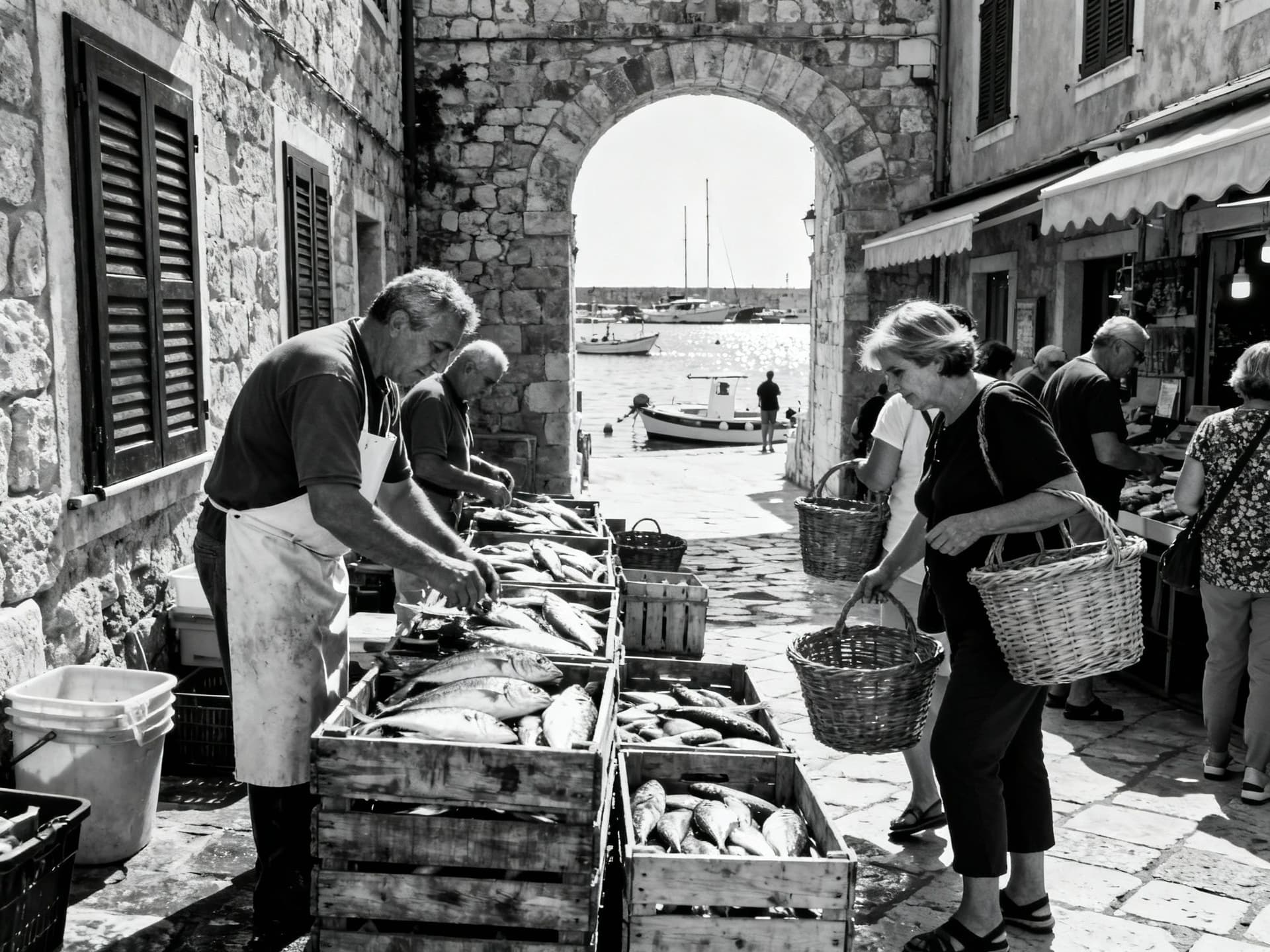
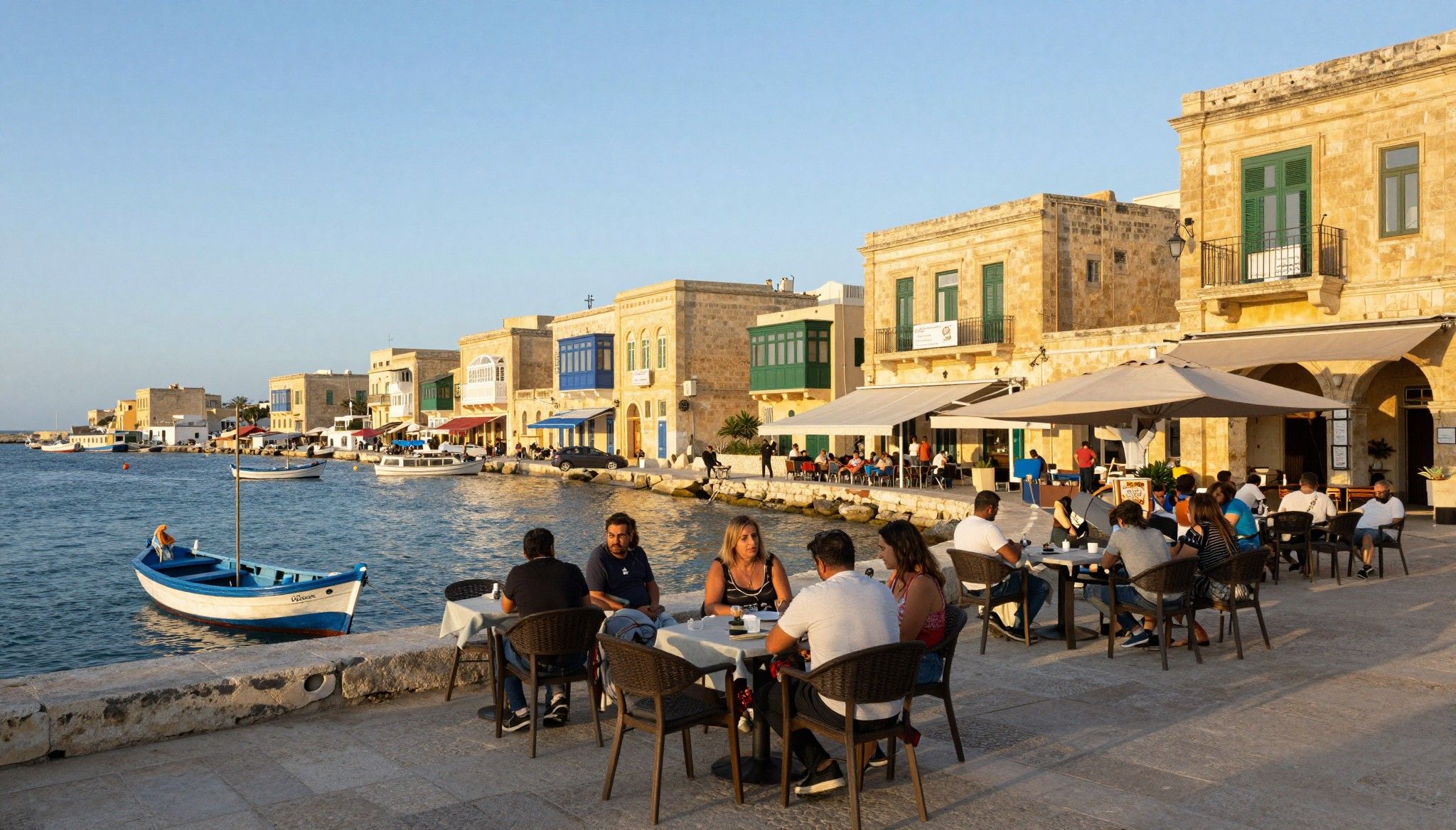
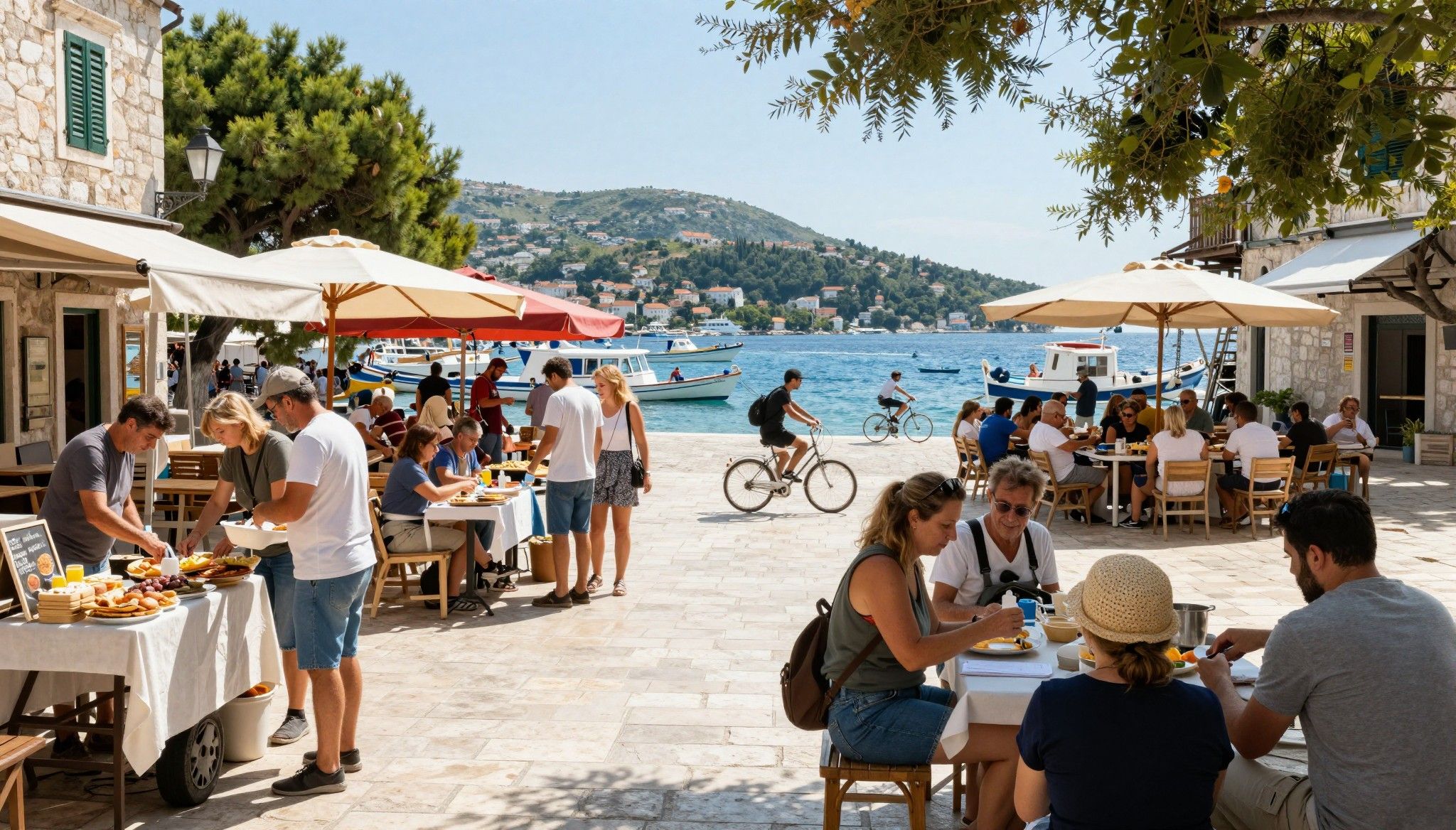
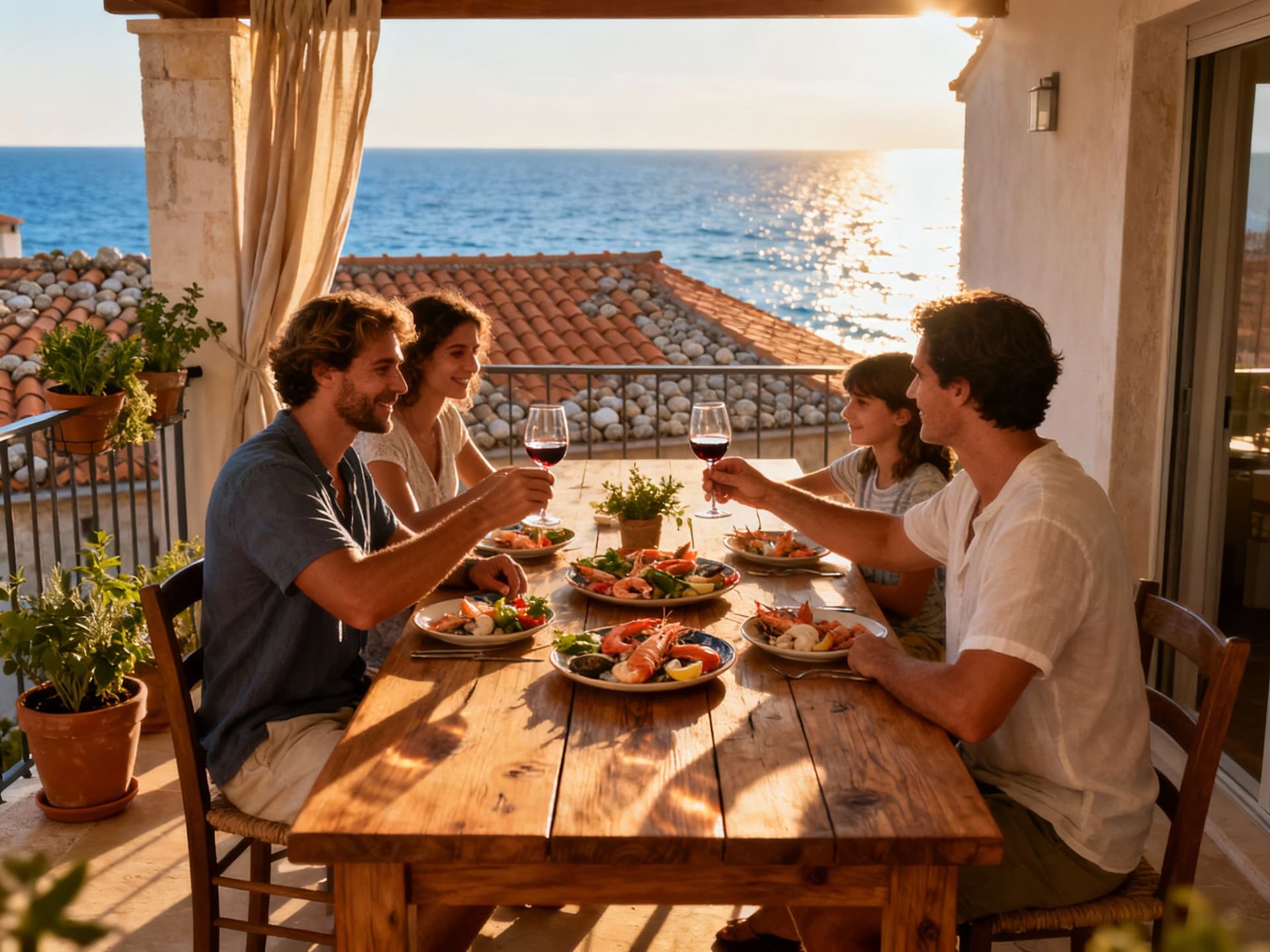
Croatia’s rhythm is coastal at heart and quietly urban inland. Mornings often begin at small cafés by plazas or on pebble beaches; afternoons fold into siestas or gallery visits; evenings belong to long meals anchored by seafood and local wines. Weather dictates patterns — crystalline summers inflate tourism and rental income; muted winters reveal neighbourhood life and maintenance costs. For buyers this means choosing not just a property but a tempo of life: island calm, Dalmatian bustle, or continental steadiness around Zagreb.
Dalmatian coast: towns that feel lived in
Split’s Veli Varoš and Diocletian’s Palace neighbourhood are for people who want history at their doorstep — narrow streets, morning bakers, and cafés that double as offices. In Zadar, the waterfront promenade and local markets create a quieter coastal life with easier year‑round services. On Hvar and Korčula expect tourism peaks; on islands like Vis and Lastovo you buy into slow rhythms and greater seasonality. Each place trades off convenience for character — know which balance you want before making offers.
Food, markets and everyday rituals
Weekend rituals shape neighbourhood value: fish markets in Split, the Dolac market in Zagreb, and olive‑oil stands in Istria are where you meet neighbours and learn practicalities — who fixes the boiler, which builder speaks English, where to store winter heating. For many expats, proximity to a reliable market or a café with an active daytime crowd determines long‑term happiness more than sea views. Factor those social anchors into location selection.
- Split: Veli Varoš (cafés, steep streets), Zagreb: Donji Grad (urban services, cultural life), Dubrovnik: Ploče side (proximity to Old Town without the tourist crush), Hvar Town outskirts (seasonal vibrancy with quieter lanes), Istria: Rovinj old town (culinary life and year‑round community)
Making the move: practical considerations that keep the lifestyle intact
Love the lifestyle, but don’t ignore three fiscal shifts that change ownership dynamics: the planned property tax framework to discourage short‑term vacancy, clarified VAT and transfer tax rules affecting new builds, and rental taxation for non‑residents. These elements determine holding costs and rental yield prospects. Practical choice: buy a lived‑in apartment in a town with year‑round demand, or accept higher taxes if you plan heavy short‑term letting.
Property types and how they map to life
Stone houses in Dalmatia offer thick walls and courtyards — excellent for summer comfort but costly to retrofit for insulation and plumbing. New coastal builds bring modern amenities and easier rentals, but often sit in denser developments. Apartments in Zagreb provide reliable year‑round rental demand and municipal services. Think in terms of usage: part‑time holiday, full‑time residence, or investment with regular letting. The right type matches seasonal needs and maintenance tolerance.
Work with experts: a Croatian lawyer and a tax adviser will save money. Expect a property transfer tax (commonly 3%) on second‑hand sales, VAT on new builds where applicable, and distinct rules for rental income and capital gains. Rental income for individuals is typically taxed with a standard deduction approach, while capital gains and certain income categories have flat rates. Confirm treatment for non‑residents before you sign — the tax office practices and rates evolve.
- Engage a local lawyer to check title and registry; get a written estimate of annual holding costs (taxes, utilities, maintenance); confirm reciprocity status if you’re a third‑country national and whether MoJ approval is required; structure rental plans in line with VAT and local tax obligations; confirm insurance and coastal erosion or planning constraints
Insider knowledge: what expats wish they’d known
Owning a house doesn’t automatically buy you a place to live. Croatia does not offer a straightforward golden‑visa by property purchase; property can support temporary residence claims but long‑term residency usually requires work, business investment, or prolonged continuous legal stay. Many expats are surprised by administrative waits for utilities, building permits, and municipal certificates. Patience and local representation turn potential headaches into manageable steps.
Cultural and seasonal realities that affect value
Policy changes aimed at freeing long‑term housing from short‑term speculation can affect returns. The 2024‑25 proposals include levies on vacant properties and annual property taxes scaled by square metre. Buyers who rely on high summer occupancy for yields should model the downside: lower peak rents, higher holding costs, and a stronger incentive to offer long‑term leases. Towns that cultivate year‑round economies — university cities or regional centres — will absorb policy shifts more smoothly.
Longer view: preserving the lifestyle and investment
Think in 5–10 year cycles. Touristic hotspots may reprice with regulation; inland towns may slowly appreciate as remote work grows. Prioritise properties that work off‑season for you or that are easy to convert between long‑term and short‑stay use. Maintain cash reserves for maintenance and regulatory changes. The best purchases let you live well now and adapt later without expensive structural changes.
- Hire a Croatian notary and lawyer; check Ministry of Justice reciprocity if you’re a non‑EU citizen; require clear energy and building certificates for older stone houses; insist on an itemised holding cost projection for three years; favour properties with municipal infrastructure (sewage, reliable water) over isolated charm
A final note: the Adriatic offers a life that’s tactile and human — markets that smell of citrus, summers that fill squares with music, and winters that reveal the real neighbours. But the legal and tax framework is changing, and those changes affect the price you pay and the life you get. Read the data, hire local experts, and prioritise the daily rituals you want to keep. When you pair clear legal advice with a precise lifestyle brief, Croatia rewards you both as a place to live and as a prudent long‑term holding.
British expat who relocated to Marbella in 2012. Specializes in rigorous due diligence and cross-border investment strategies for UK and international buyers.