Croatia: Life, Tax Bands and Reciprocity — A Buyer’s Reality
Croatia’s coastal romance hides critical tax and reciprocity rules. Understand municipality property tax, transfer‑tax vs VAT, and approval timelines to buy with confidence.
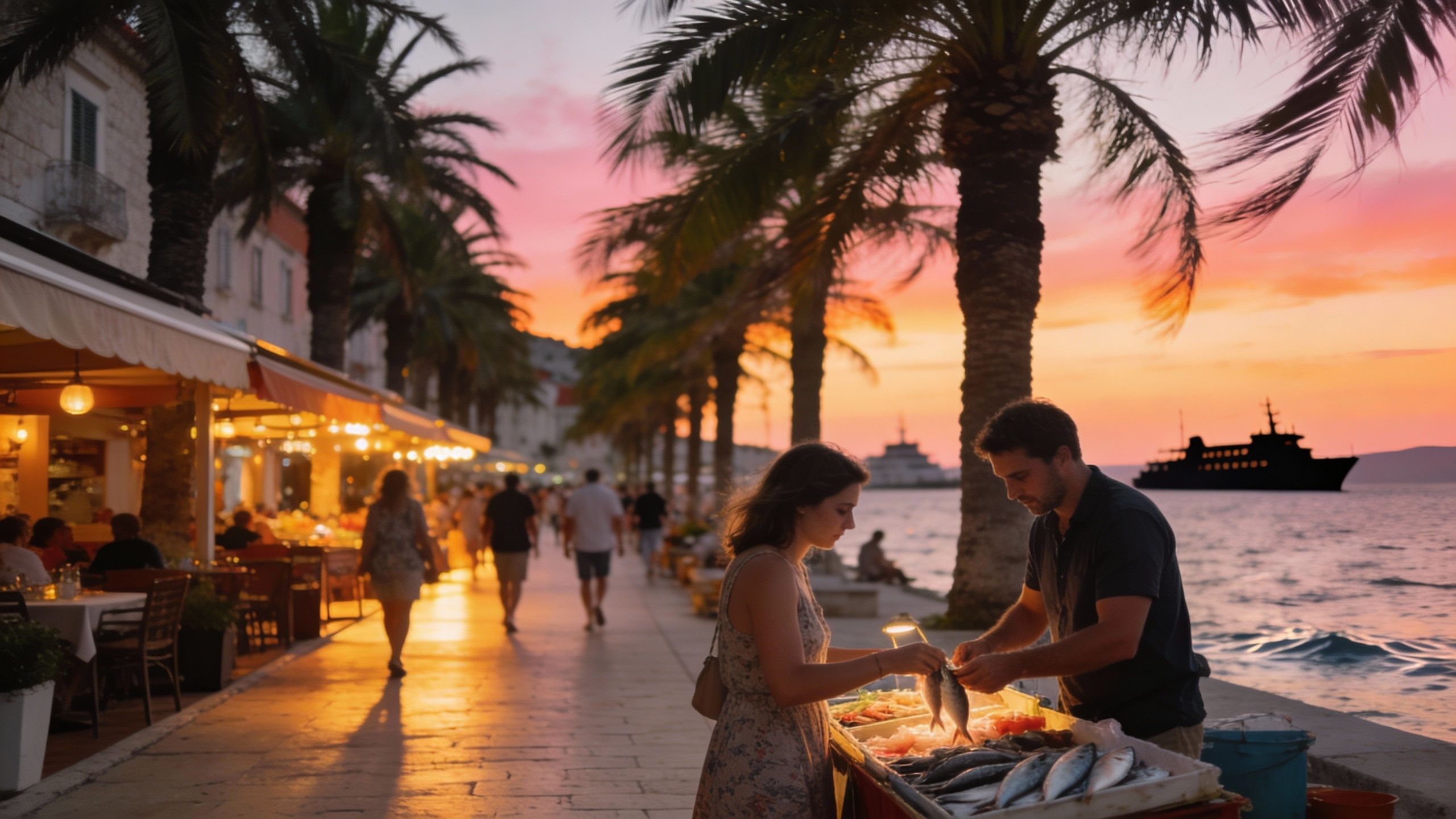
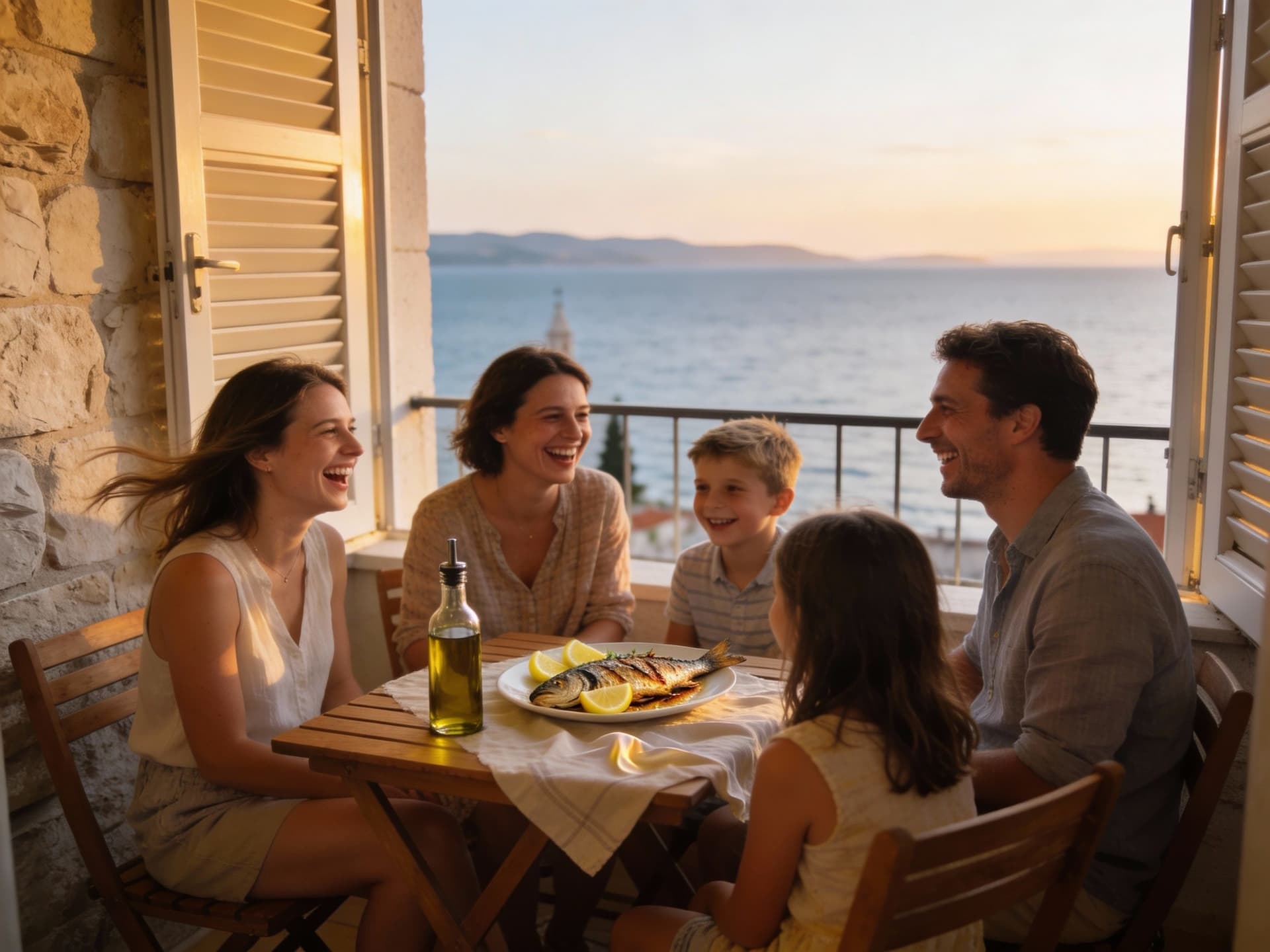
Imagine walking the Riva at dusk in Split, espresso in hand, the smell of pine and grilled fish drifting from a konoba down the street. Life in coastal Croatia moves in long, relaxed loops — market mornings, sea swims, late dinners — yet behind that Mediterranean ease sits a legal and tax framework that shapes which homes are sensible buys for foreigners.
Living Croatian Life — what you actually buy

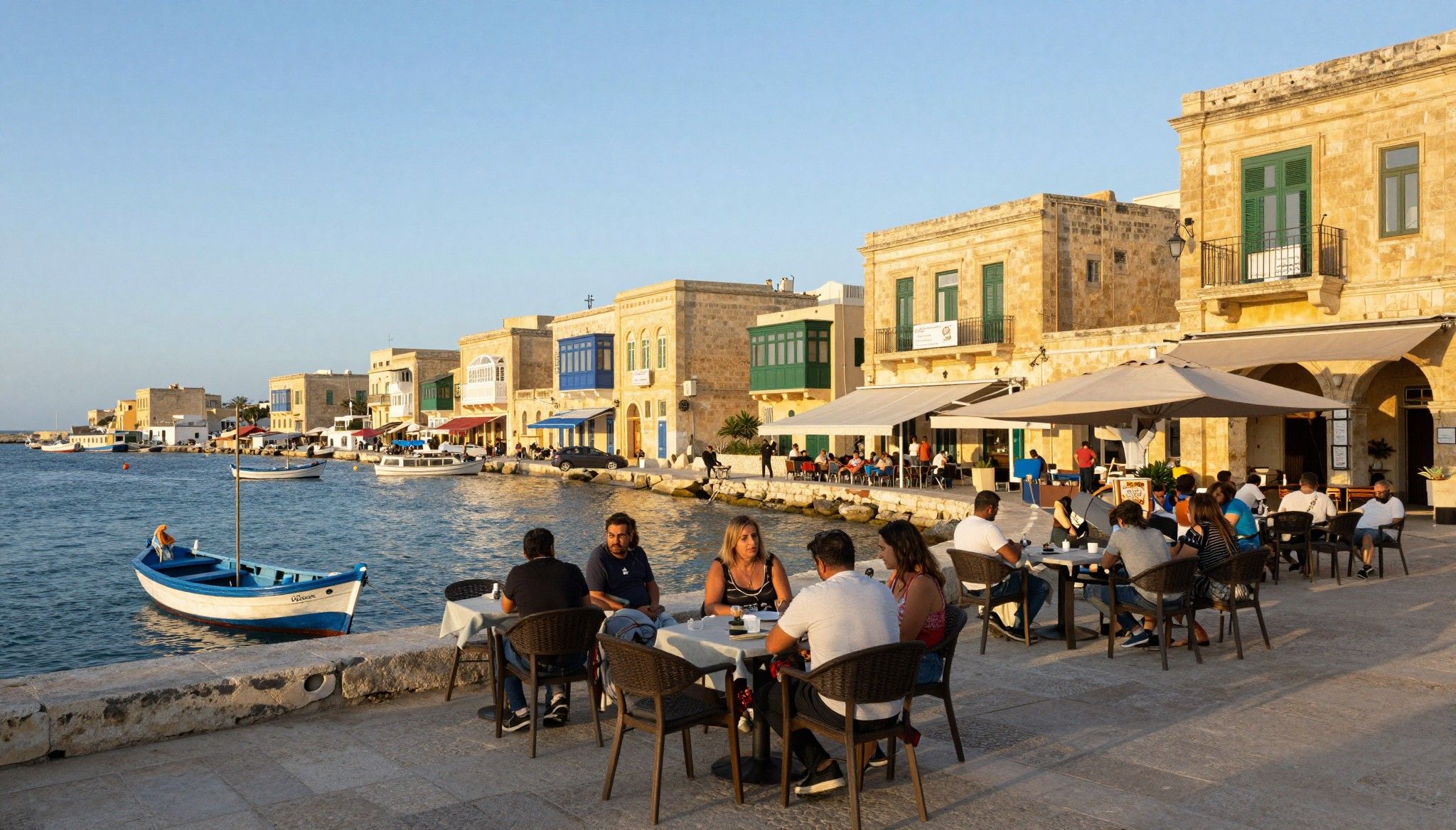
Croatia is a set of micro‑worlds: Zagreb’s compact neighbourhood cafés and student energy; Istria’s truffle‑forage weekends; Dalmatia’s stone lanes and island ferries. These rhythms determine the property types in demand — small stone houses in Komiža, modern apartments in Split’s Mejaši, family terraces in Zagreb’s Maksimir — and they shape practical choices like insulation, shutters and storage for seasonal owners.
Neighborhood spotlight: Old Town, Dubrovnik vs Varoš, Split
Dubrovnik’s Old Town sells a postcard life — stone courtyards, tourist footfall and strict conservation rules that make restoration costly but preserve value. Varoš in Split offers narrower streets, cheaper entry prices and a more lived‑in local community. The trade‑off is conservation restrictions and visitor management in Dubrovnik versus quieter authenticity and renovation potential in Varoš.
Food, markets and everyday texture
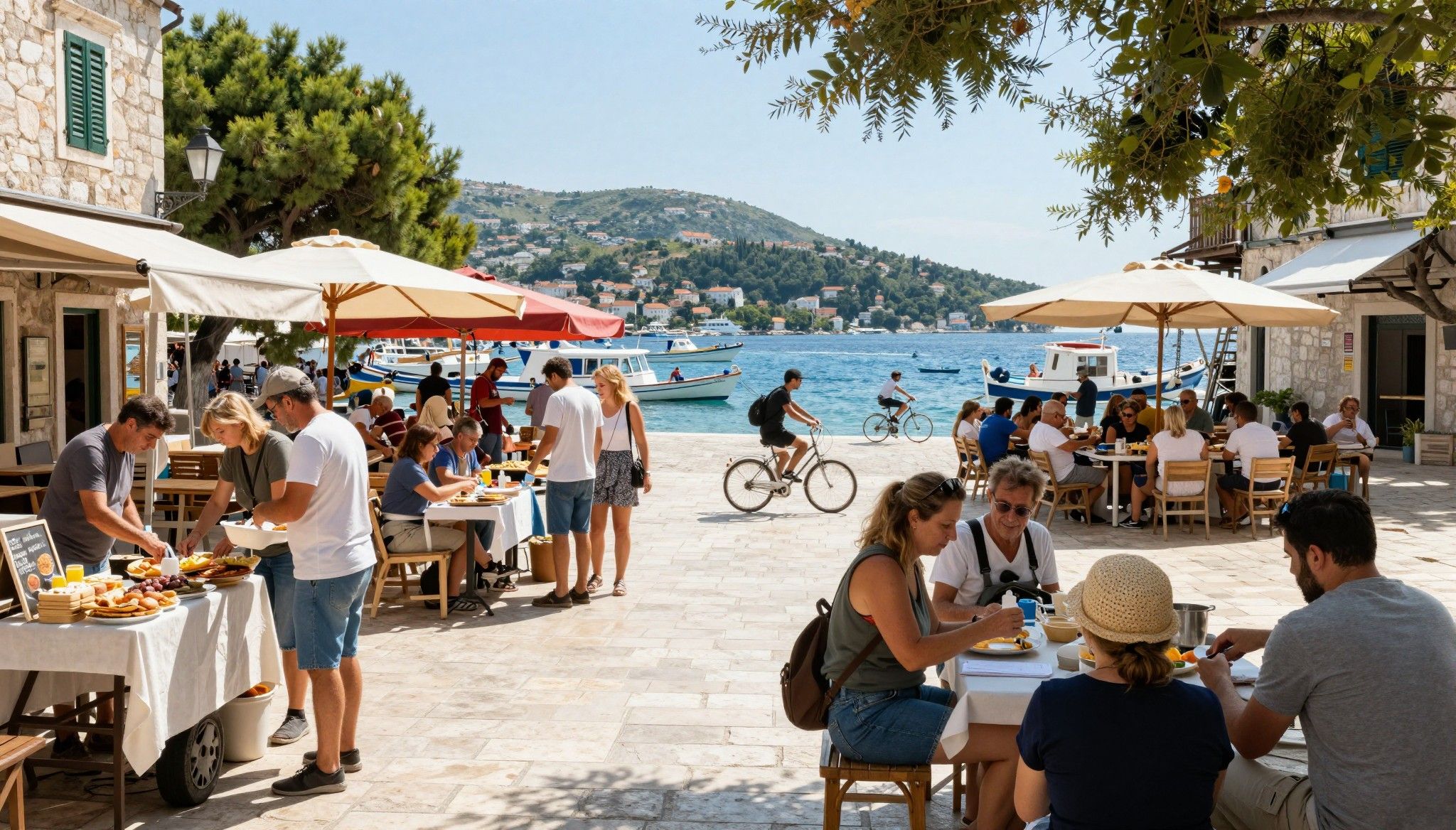
From fish stalls on Široka Street in Hvar to the Dolac market in Zagreb, buying property in Croatia often means buying proximity to these everyday assets. For buyers who imagine a farm‑to‑table life, look for properties near municipal markets or with space for a small kitchen garden — these are lifestyle multipliers that also influence resale appeal.
- Lifestyle highlights: markets, beaches and hidden streets
- Dolac Market (Zagreb) – daily produce and people watching
- Banje Beach (Split) – swim before work, ferries to the islands
Making the move: legal realities that determine value
The market is not uniform. National house prices rose roughly 10% year‑on‑year in late 2024, with coastal areas often outperforming inland regions. That pace matters: buying on the coast can mean paying a premium for lifestyle, and the regulatory regime for foreigners affects both timing and cost. Official house‑price data helps set realistic bid levels and expectations.
Who can buy — reciprocity and approvals
EU/EEA/Swiss citizens may buy without special permission. Non‑EU buyers often rely on reciprocity rules: if Croatia’s laws allow Croatians similar rights in your country, the Ministry of Justice typically grants approval. That approval adds time and paperwork — expect extra weeks or months for non‑EU registrations — and it can be property‑specific.
Taxes that change the headline price
Croatia introduced a new annual property tax regime (effective 2025) and retains a 3% real‑estate transfer tax on most purchases — though newly built properties sold by developers are typically VAT‑charged instead. Annual municipality set charges can materially affect holding costs, especially on islands and tourist towns where rates skew higher.
- Practical steps to factor taxes and approvals into offer timing
- 1) Check your reciprocity status with a Croatian lawyer before submitting an offer — approval time can be property‑specific.
- 2) Confirm whether the sale is subject to 3% transfer tax or developer VAT (25%). This changes negotiation levers and who pays closing costs.
- 3) Model annual property tax at municipal top rates if you plan seasonal rental or absentee ownership — coastal municipalities may charge several euros per m².
Insider knowledge: expat tradeoffs and common surprises
Expats often romanticise island life but underestimate service gaps: fewer construction windows, seasonal shops and slower public services. Another surprise is the conservation rule ripple: in many Dalmatian towns, you cannot simply add glazing or enlarge terraces — that reduces renovation options but supports long‑term scarcity value.
Language, community and the small‑town economy
Croatian is the operating language for municipalities, notaries and many legal processes. English works in urban and tourist centres but expect Croatian in local council meetings or rural registries. Building rapport with a local agent and a bilingual lawyer transforms a confusing transaction into a predictable one.
Long‑term thinking: holiday home now, permanent move later
If your plan is hybrid — rent part of the year, live part of the year — pick a property with easy servicing, legal clarity for short‑term rentals and reasonable winter livability (insulation, heating). These choices preserve value and avoid surprises when municipal rules on short lets tighten.
- Red flags to check before you sign
- Unregistered building works or terraces – ask for historical permits and recent cadastral extracts
- Confusing ownership chains – insist on a lawyer‑verified title report
- Unclear VAT vs transfer‑tax treatment – confirm with seller and your notary who bears the cost
- A short checklist for first‑visits (practical, lifestyle, legal)
- 1) Spend two mornings at the local market and one evening on the main promenade to feel seasonality.
- 2) Ask the agent for the municipality’s latest annual property tax band and whether the property is classified for tourism.
3) Commission a title search and ask your lawyer to confirm whether your nationality requires Ministry approval. Expect the approval window to add time unless you are an EU/EEA/Swiss citizen.
Conclusion: Croatia rewards buyers who balance romance with regulation. If you prioritise a neighbourhood's market rhythm, check reciprocity early and model holding costs under local tax bands, you’ll buy with confidence rather than hope. Work with a small, bilingual legal team and a locally‑rooted agent who knows both the kafana and the cadastral office.
Danish investment specialist who relocated to Costa del Sol in 2015. Focuses on data-driven market timing and long-term value for Danish buyers.