Croatia: Lifestyle First, Check the Title Next
Croatia offers coastal charm and rising prices — EU buyers buy freely; non‑EU buyers face reciprocity and ministerial consent. Match lifestyle desires with legal checks.
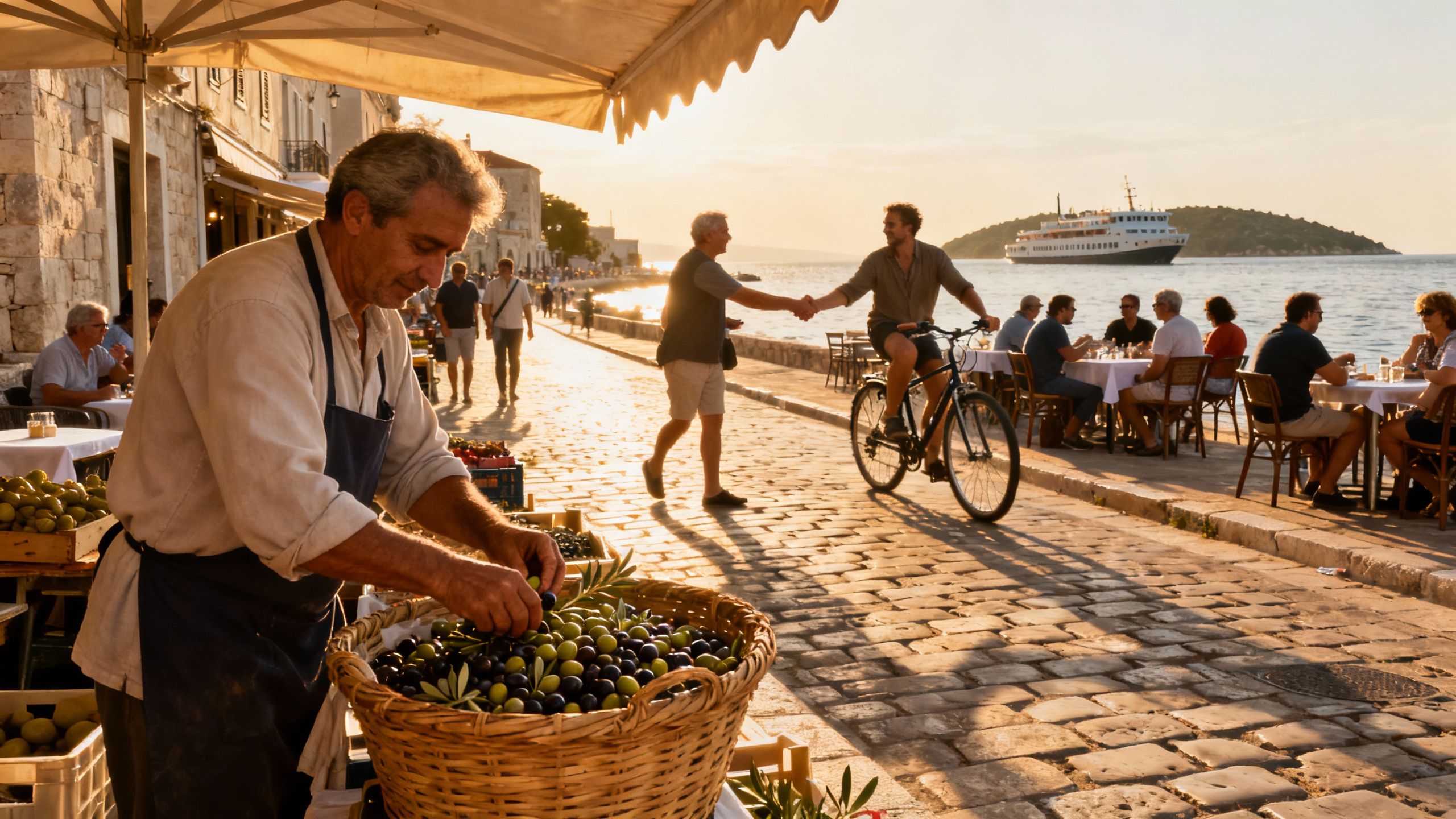
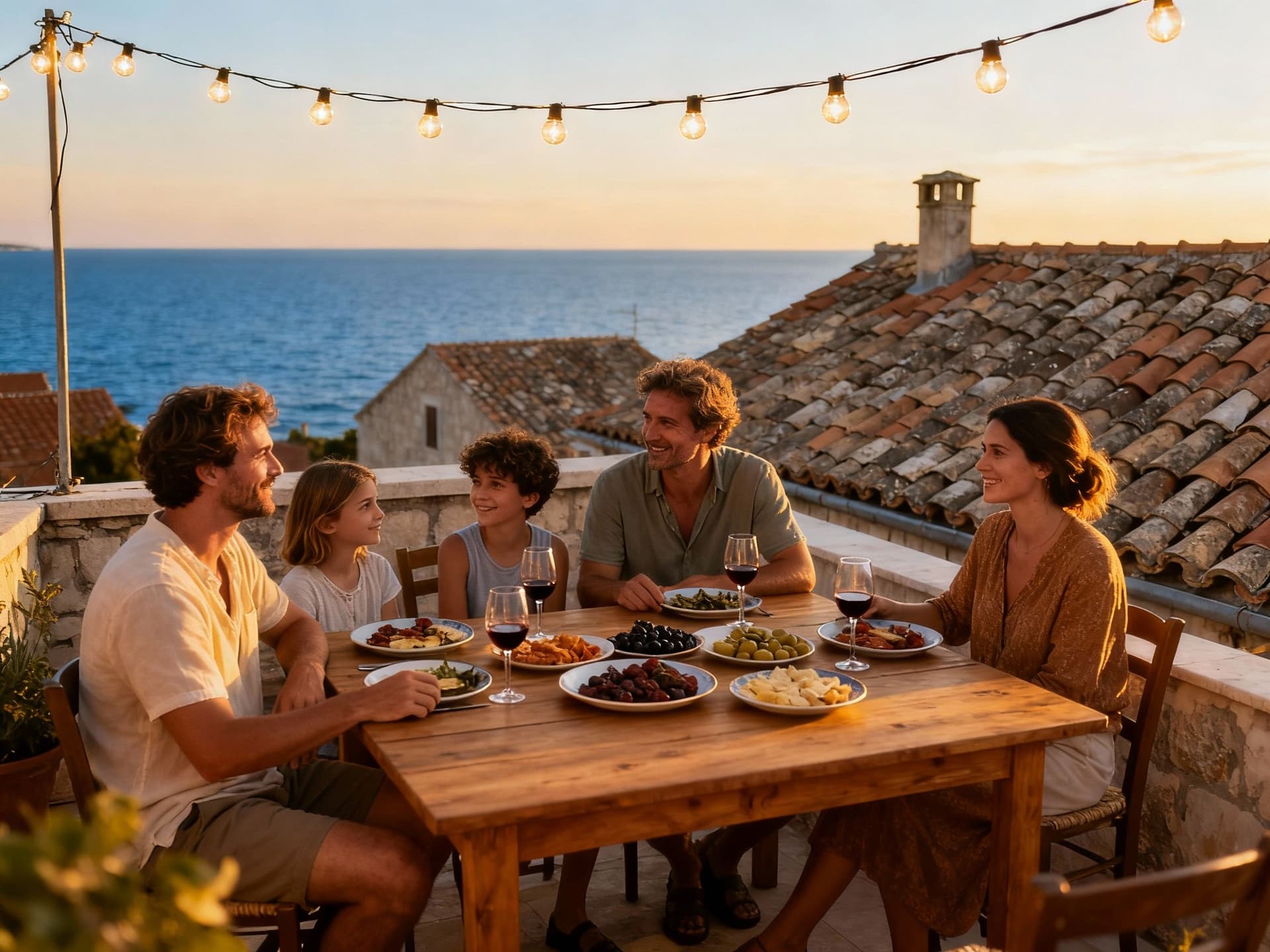
Imagine sipping an espresso at Split’s Riva as fishermen haul in the morning catch, then wandering three blocks to a centuries‑old stone stair that leads to a quiet rooftop terrace. That contrast — a day inhaling coastal light and a night threaded with slow, local routines — is what draws buyers to Croatia. But lifestyle romance meets technical reality at the notary’s desk. This guide pairs seaside scenes with the precise legal and tax facts international buyers must know.
Living Croatia: the rhythms that sell the place

Croatia’s daily life is small‑scale and tactile. Mornings open at bakeries on streets such as Zrinsko‑Frankopanska in Zagreb or Obala Hrvatskog narodnog preporoda in Split. Summers are festival‑dense (film nights in Hvar, jazz in Pula) and winters are quieter — olive groves and stone lanes reclaim the coast. These seasonal swings shape both how you live and how you should buy: coastal flats command tourist demand in summer, while inland houses offer steadier year‑round communities.
Coastal melodies: Split, Dubrovnik and the islands
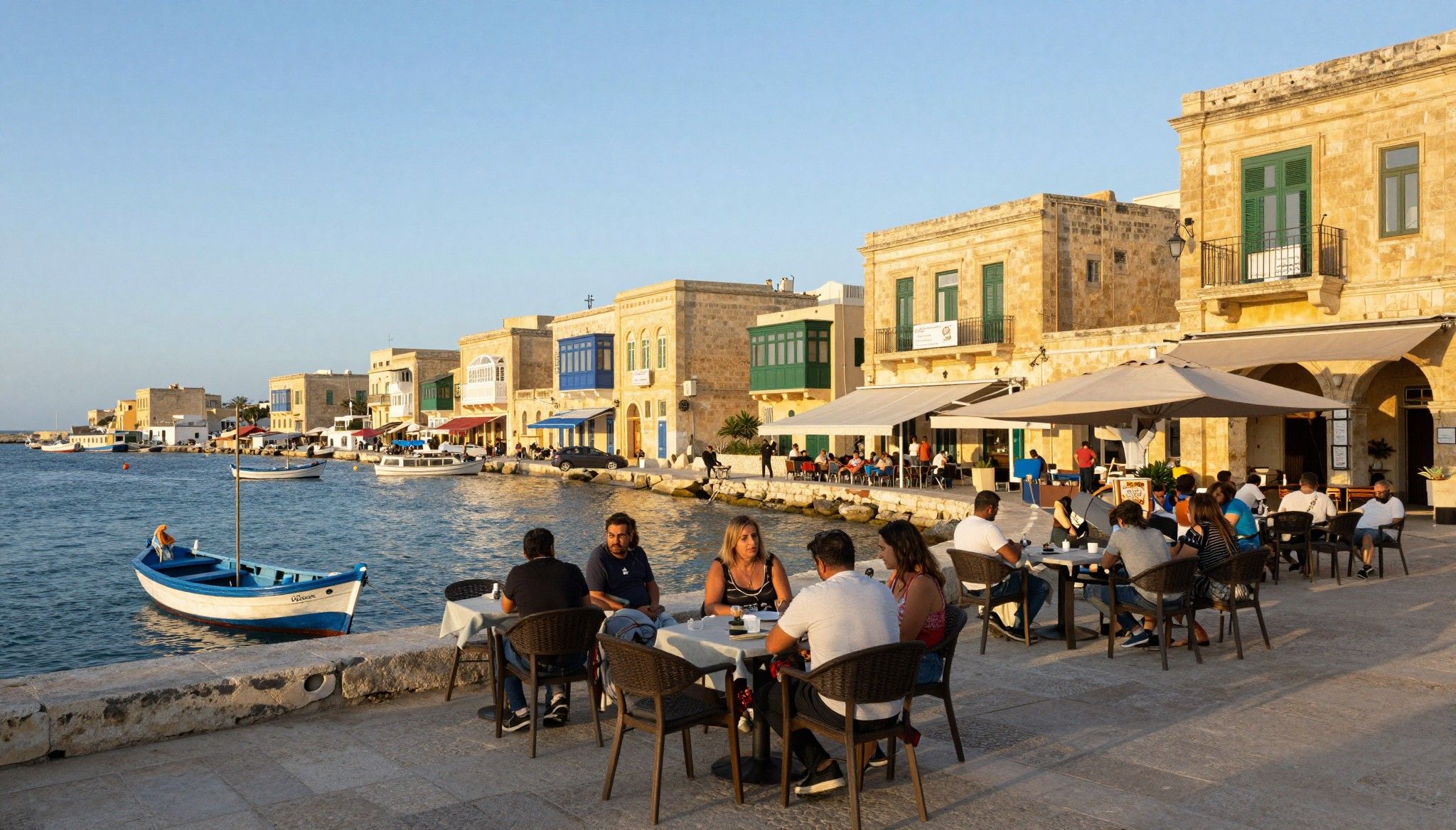
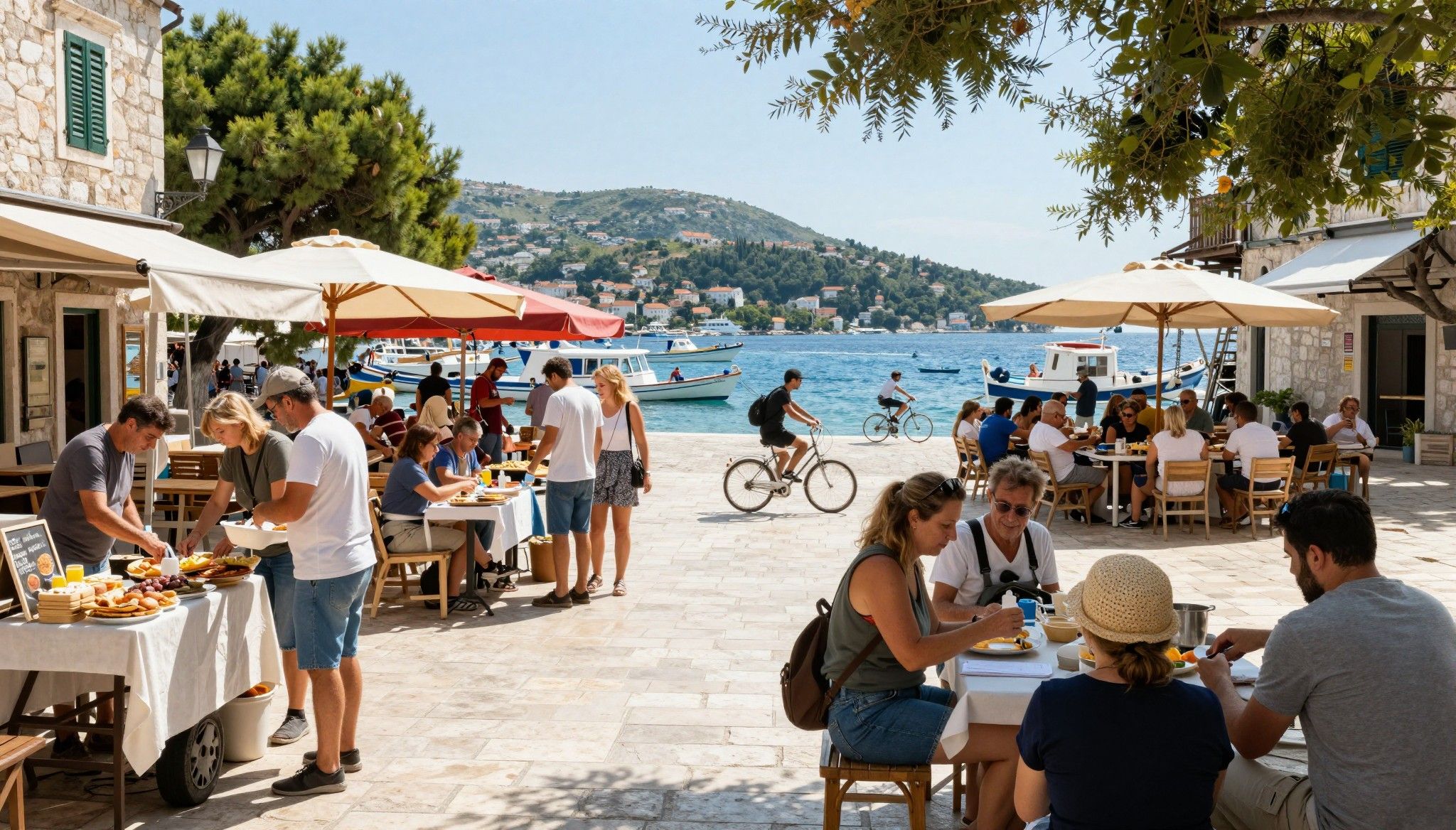
Picture lunch at Konoba Fetivi near Split’s old harbour, a short ferry to Brač for a Sunday swim, and evenings when alleyway lights reveal neighbours who’ve known each other for generations. Properties here are often stone houses or compact apartments with sea views. Expect premium pricing, tourist‑driven services, and the practical need for management if you rent short‑term.
Urban steady‑state: Zagreb and continental pockets
Zagreb’s rhythm is municipal: morning markets on Britanski trg, tram lines, cafés full of students. Buyers seeking rental yield or long‑term residency often favour the donji grad (Lower Town) for walkability, or quieter neighbourhoods like Trešnjevka for family life. Prices are competitive with coastal growth but less seasonal volatility.
- Lifestyle highlights: farmer’s markets (Dolac, Split Green Market), island boat weekends (Vis, Šolta), coastal promenades (Riva, Korčula Old Town), Michelin‑style coastal dining, seasonal olive harvests and local winemakers in Istria.
Making the move: practical, legal and fiscal realities
The good news: Croatia is now an EU member state using the euro, and many buyers discover the buying process is straightforward — but nationality matters. EU/EEA/Swiss citizens generally have equal purchase rights. Non‑EU buyers must check reciprocity and may need ministerial consent. Always verify official lists before signing.
Who can buy, and what to expect at the registry
EU citizens and companies can register ownership on the same terms as locals, including building plots in designated urban zones. Third‑country nationals face an administrative approval process based on reciprocity; until that consent is issued, the purchase cannot be registered. A common workaround is acquiring via a Croatian d.o.o. (limited company) — legitimate, but it alters tax and reporting profiles.
Taxes and shifting rules to watch
Policy is active. The government moved to shift taxation toward property‑based levies to curb short‑term lets and free up long‑term housing. Expect local property taxes and new levies (proposed ranges were published in 2024) and continue monitoring updates before purchase. Meanwhile, prices have shown strong growth: national house price indices rose materially through 2024–2025, so factor appreciation and potential localized cooling into your return expectations.
- Stepwise checklist for a safe purchase: 1) Verify whether you need ministerial consent or can buy directly (check gov.hr). 2) Order a current land‑registry extract and zoning confirmation from the local commune. 3) Commission a lawyer to check encumbrances, utilities and energy certificates. 4) Use an escrow at a Croatian notary; register ownership promptly after closing. 5) Budget for taxes (registration fees, transfer tax where applicable), notarial costs and potential new property levies.
Insider knowledge: what expats wish they’d known
Expat experience: you will fall in love with a street long before you fall in love with a title deed. But many buyers underestimated municipal planning rules (protected zones, coastal setbacks) and seasonal service limitations — a stone farmhouse with bucket water supply in winter needs a different plan than a city flat in Zagreb. Neighbours, local mayors and utility timetables matter as much as coastal views.
Language, community and the small‑print social codes
Croatian is used for official documentation; some municipal offices operate in English but expect translations and certified documents. Socially, hospitality is genuine but local trust is built slowly. Hiring a bilingual lawyer and an agency with local contacts prevents misunderstandings and accelerates integration.
Long‑term lifestyle & investment tradeoffs
Prices rose notably in 2024–2025, especially in coastal towns and Zagreb. That makes timing and location selection critical: buy coastal for seasonal yield and lifestyle but expect higher management overhead; buy inland or urban for steadier community life and slower price swings. Consider whether you want a second home used a few months per year, or a primary residence with local ties — the tax, registration and services differ.
- Practical red flags to spot early: • Missing land‑use (parcel) confirmation from the municipality • Unregistered extensions or renovations • Properties inside protected coastal or heritage zones • Promises of easy ministerial consent without paperwork • Overreliance on short‑term rental projections in hyper‑seasonal towns
- How an agent and lawyer should work together: 1) Agent locates neighbourhoods that match your daily life vision. 2) Lawyer verifies title, zoning and ministry‑consent needs. 3) Notary manages signed deed and escrow. 4) Local property manager readies the home for seasonality or long‑term rental. 5) Together they provide a timeline for registration and post‑sale compliance.
Conclusion: Croatia offers a tangible, lived‑in Mediterranean life that often outperforms the postcard. But the emotional draw must be matched with paperwork: nationality checks, registry extracts, zoning confirmations and an eye on evolving property taxes. Start with a clear lifestyle brief (how much island time, how much city life), then use local legal expertise to translate that brief into a purchase that delivers both joy and secure title.
British expat who relocated to Marbella in 2012. Specializes in rigorous due diligence and cross-border investment strategies for UK and international buyers.