Croatia: Lifestyle First, Then the Legal Fine Print
Croatia’s charm is experiential — but recent reciprocity rules and 2024–25 tax reforms change the cost and timing of ownership. Plan for ministry consent, transfer taxes and seasonal use.
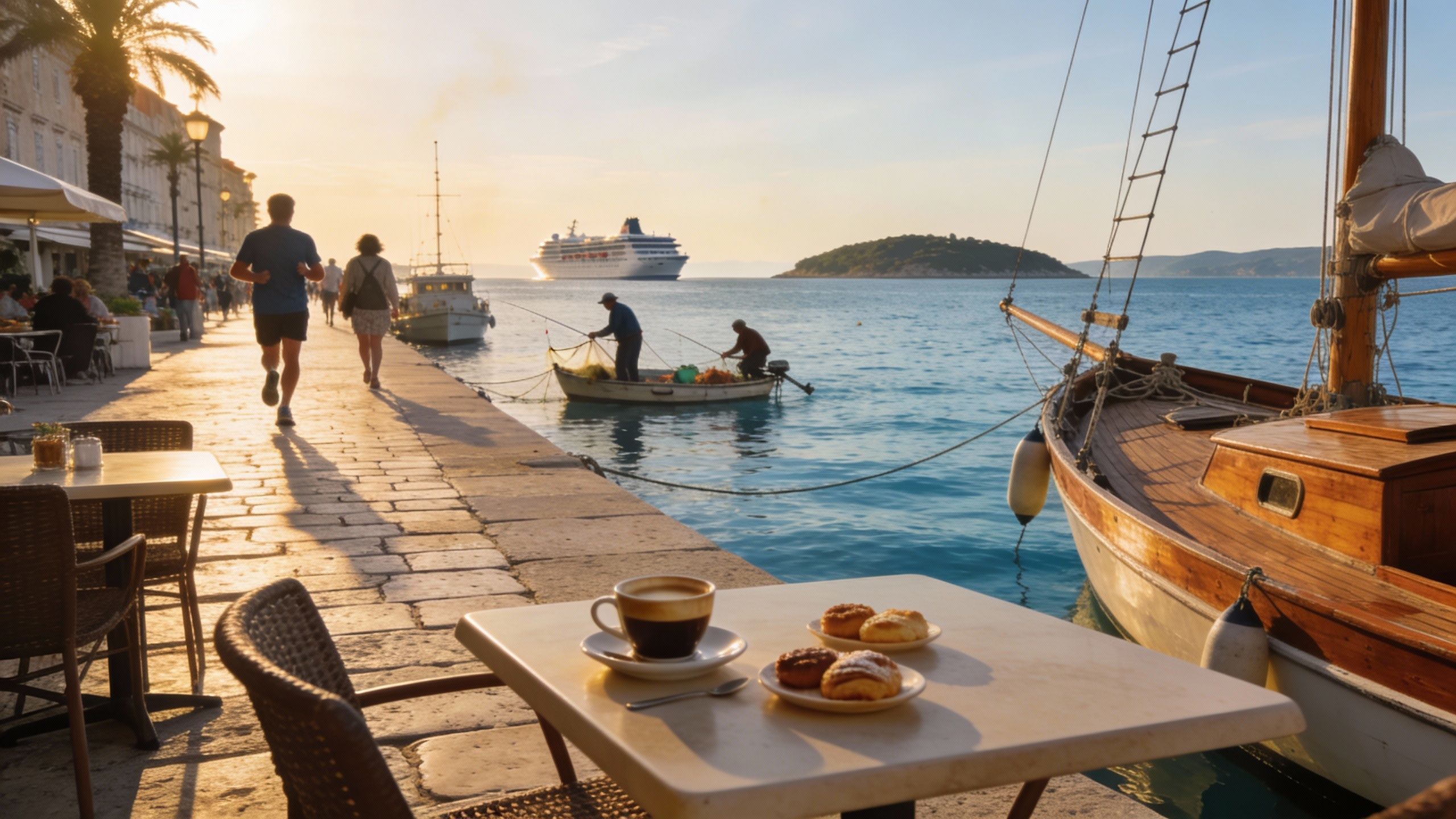
Imagine an autumn morning in Dubrovnik: espresso steam, fishermen hauling nets at Gruž harbour, a neighbour selling figs from a balcony. Croatia moves at that bright-slow pace — coastal towns pulse in summer, then reveal quieter rhythms that many buyers fall for. But the legal and tax landscape has shifted recently; lifestyle choices now map directly onto regulatory consequences, and that matters when you buy.
Living Croatia: what the day-to-day actually feels like
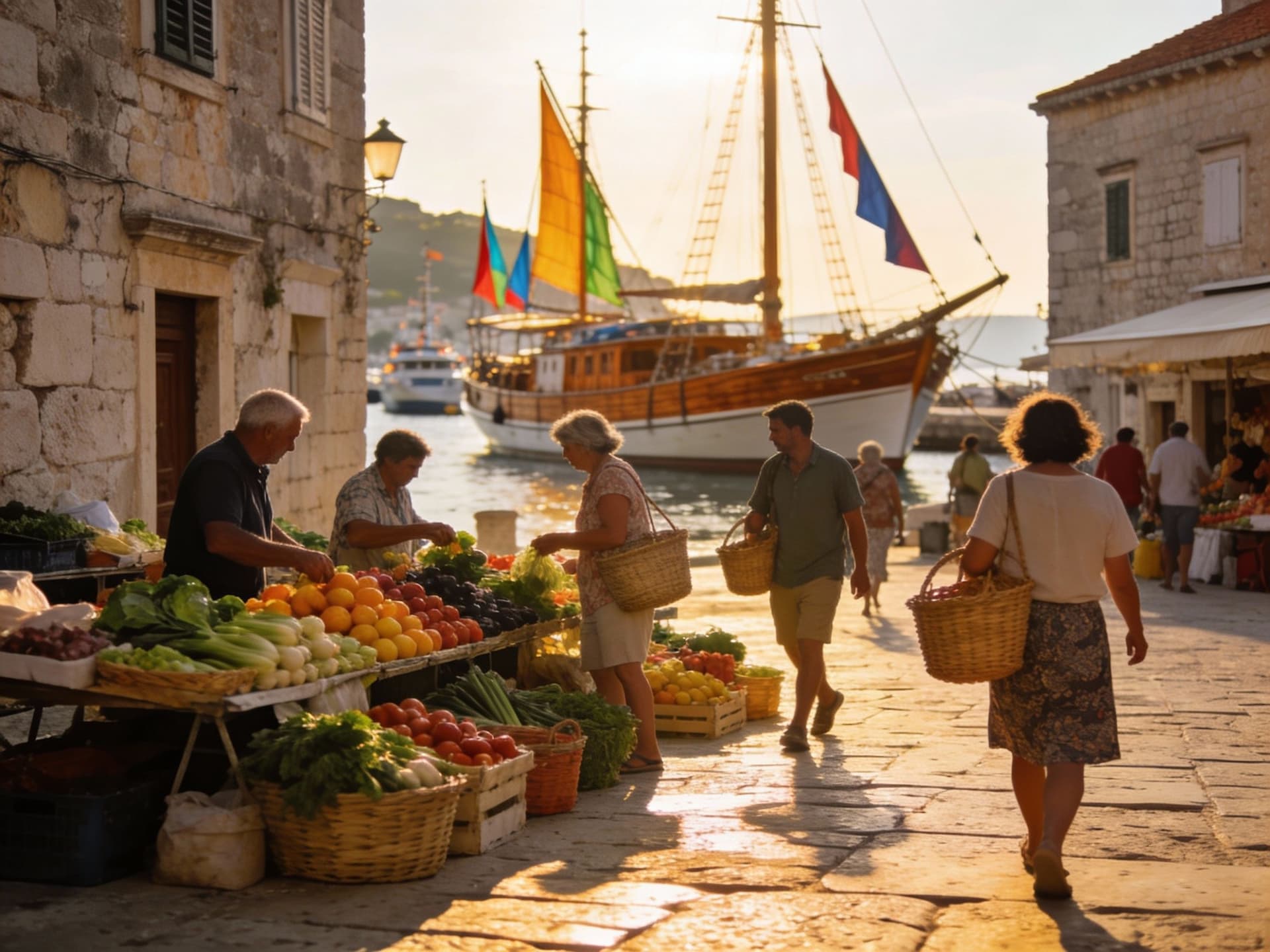
From Split’s seafront joggers to Zagreb’s morning markets, life in Croatia is local and sensory. You’ll time your week around open-air markets (Dolac in Zagreb), neighbourhood konobas, and coastal promenades. For many internationals the appeal isn’t a single headline — it’s the small rituals: a Saturday at Hvar market, an evening aperitif on Rovinj’s riva, a winter hike on Marjan.
Coastal pockets: Split, Dubrovnik, Istria’s calm
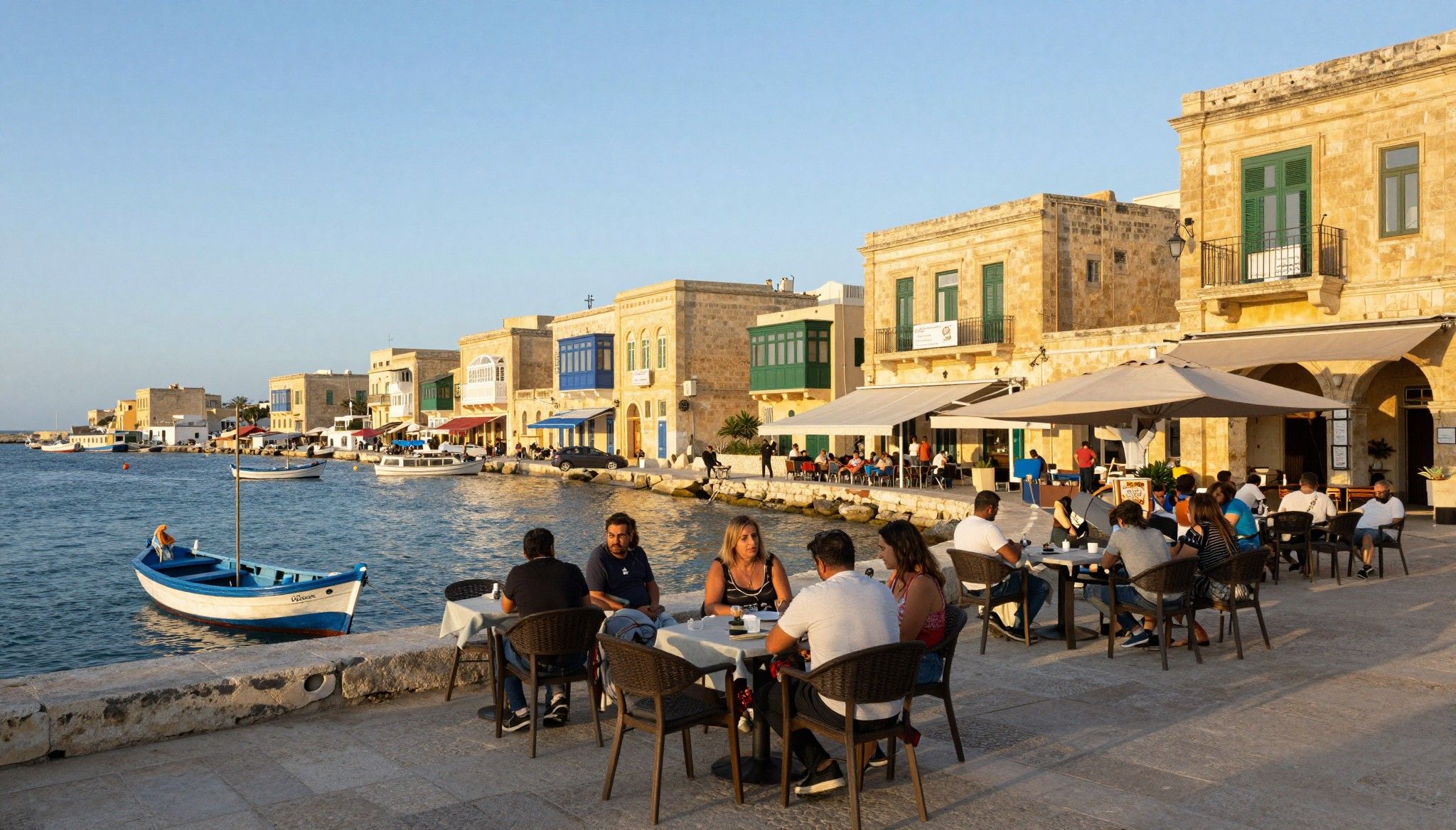
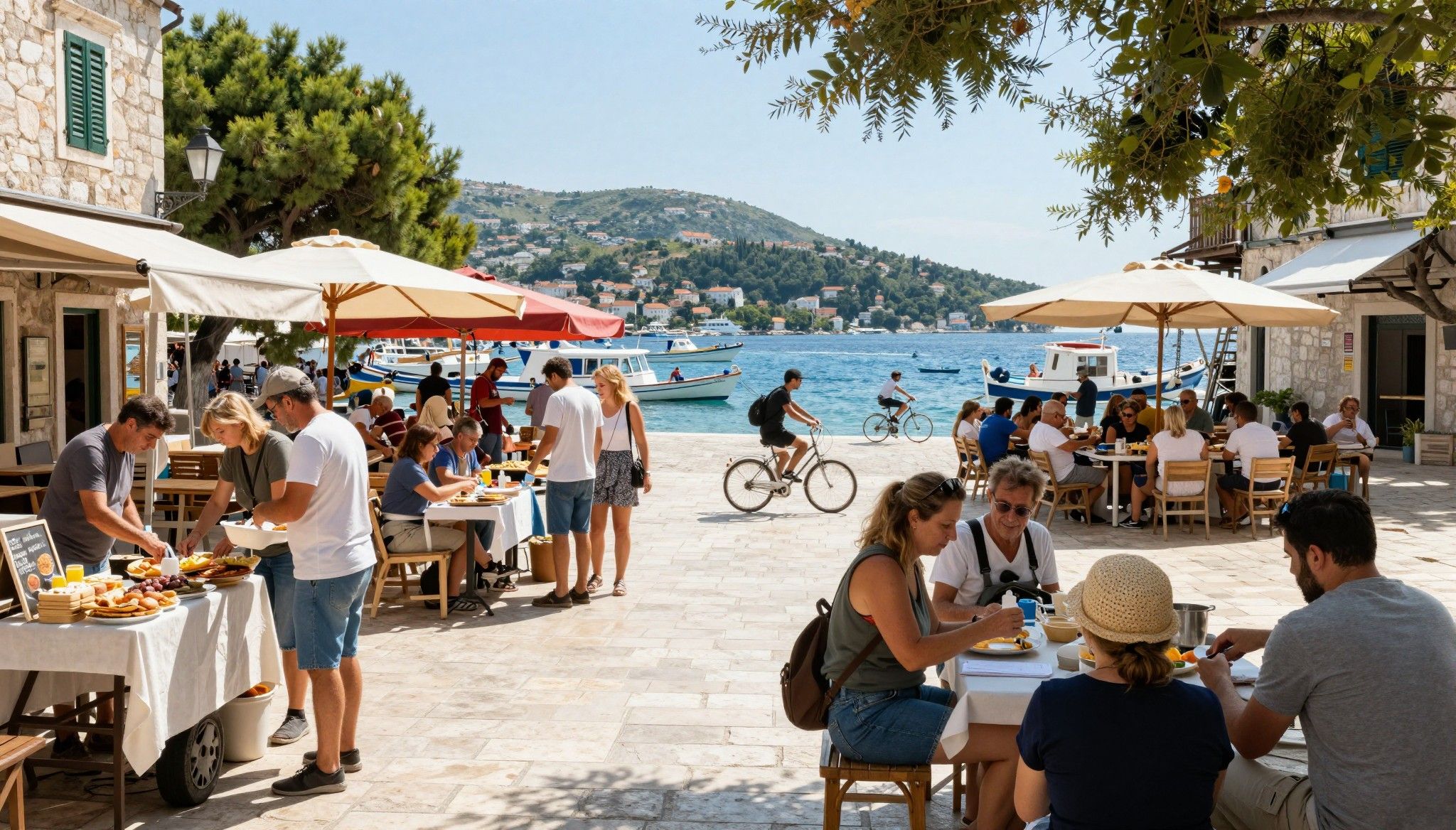
Coastal towns differ by tempo. Dubrovnik is historic and seasonal; Split mixes urban life with island access; Rovinj and Pula offer an Istrian village feel with year-round cafés. Expect summer crowds and high short‑term rental demand on the Dalmatian islands; in winter these towns quiet down and show the everyday life buyers prize. Lifestyle choice here directly affects rentalability, maintenance and tax treatment.
Food, markets and the rhythm of seasons
You’ll shop seasonally: sardines and octopus in summer, truffles in Istria come autumn. That pattern influences property use — terraces and outdoor kitchens are used seven months a year along the coast, while insulated homes with reliable heating matter inland. Consider how you want to live through seasons before choosing building fabric and location.
- Lifestyle highlights: morning markets (Dolac, Pula), seaside promenades (Split Riva), island day-trips (Brač, Korčula), Istrian truffle festivals, neighbourhood konobas and summer sea-swims at Zlatni Rat.
Making the move: regulatory and tax realities that change how you live
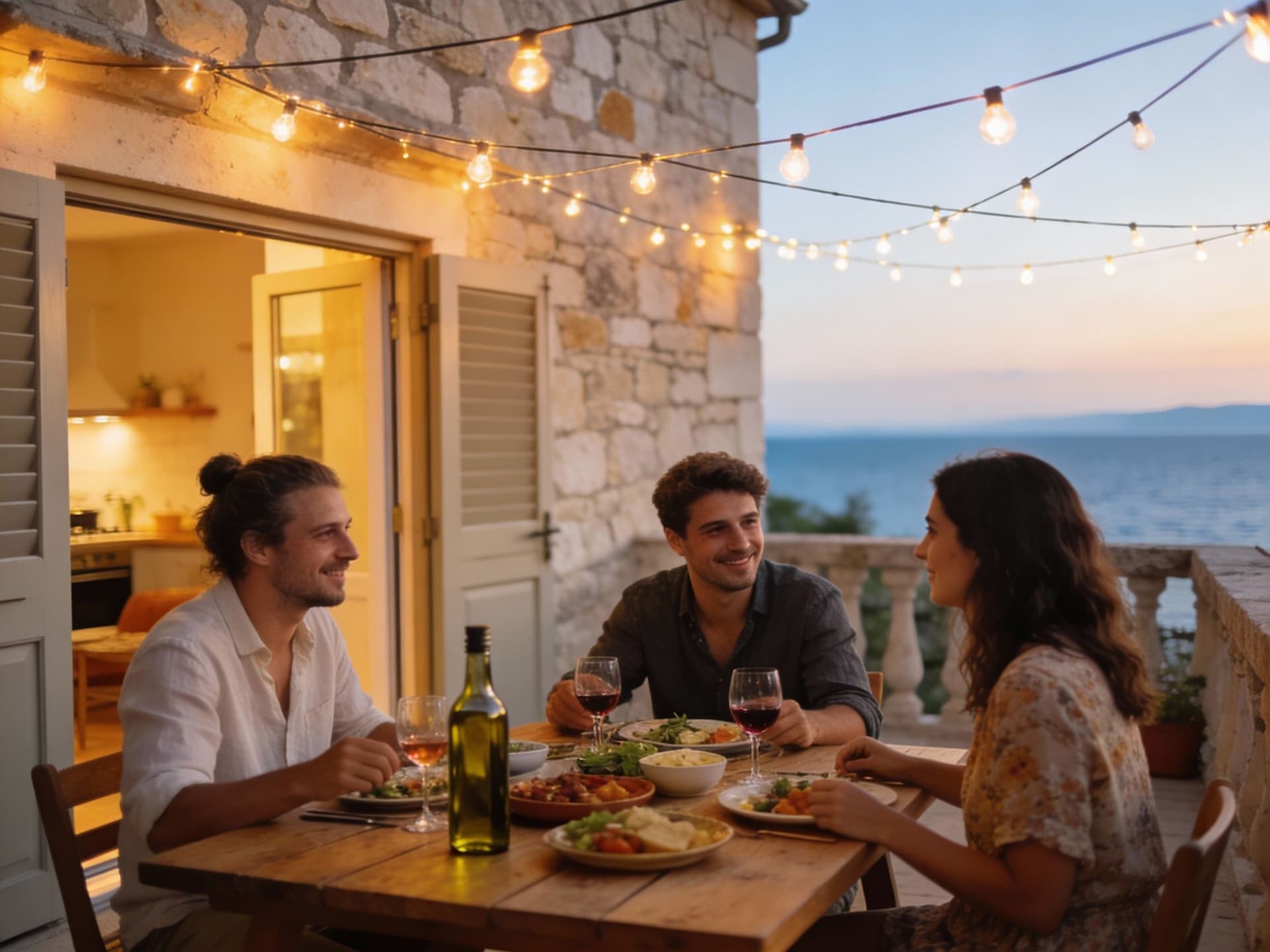
Your seaside dream will meet admin reality. EU/EEA/Swiss citizens buy on the same terms as Croats; buyers from other countries must pass a reciprocity test and obtain ministerial consent. That process can take months and affects timing: you cannot register ownership without approval, so plan viewings, contracts and transfers with legal counsel familiar with the Ministry’s process.
Property tax, VAT and the state’s policy shift
Croatia moved to tax property more actively to curb short-term rentals and vacant units, with new rules announced in 2024 and measures phased in from 2025. Transaction tax is typically 3% on transfers, and VAT at 25% may apply to new builds or commercial uses. Rental income and capital gains have distinct regimes; short-term tourist lets often attract different VAT and local tourist tax obligations compared with long-term rentals.
Why tax changes matter to lifestyle buyers
If you plan to use a home for part-year living and short-term lets the tax code will affect net yield and neighbourhood dynamics. New property taxes favour long-term rentals; that can reduce tourist supply but improve long-term rental availability. Talk to both a Croatian tax adviser and a tax expert at home — double taxation treaties and your tax residency can materially change the arithmetic of owning in Croatia.
- Step-by-step practical checklist: 1) Confirm reciprocity or EU status early. 2) Secure an OIB and open a local bank account. 3) Commission land-registry and cadastre searches. 4) Engage a notary and a Croatian lawyer to prepare the contract and submit ministry consent if required. 5) Budget for transfer tax/VAT, notary fees, lawyer fees and the new annual property tax.
Insider knowledge: cultural rules, red flags and practical tips expats wish they’d known
We’ve worked with buyers who loved Croatia and then stalled because they ignored local nuance. Common mistakes include assuming title is clean without a Land Registry check, underestimating utility upgrades for older stone houses, or buying purely for summer rental yield without assessing winter livability. These are avoidable with targeted due diligence.
Cultural integration and day-to-day realities
Croatians value local ties; introductions matter. Learn basic Croatian phrases, join local events — a market stall chat can unlock practical help for renovations or maintenance. Neighbourhoods can be tight-knit, and island communities especially reward patience and respect for local rhythms.
Red flags on properties that change cost and lifestyle
- Title ambiguity or pending encumbrances; coastal plots with unresolved maritime domain rights; properties lacking building permits for extensions; weak insulation or old heating systems unsuited to inland winters; unresolved communal debts linked to the plot.
Where to get authoritative answers: the Ministry of Justice reciprocity list for purchase eligibility, official tax guidance and recent reporting on the 2024–25 tax reforms, plus local lawyers who routinely handle ministry consent. Use those sources early — they shrink surprise and give you control.
- How to use local agency expertise effectively: 1) Ask for agency-led due diligence reports that include title, zoning and utility checks. 2) Request a seasonal cashflow model (summer vs. winter). 3) Insist on written timelines for ministry consent. 4) Get a local tax estimate for your ownership scenario (primary use, long-term rent, short-term lets).
Picture yourself a year after purchase: fluent enough to order at the konoba, neighbours who know your name, an off-season peace that made you buy here. That life is possible—but it rests on correct paperwork, realistic budgeting for taxes and maintenance, and an agent-lawyer team that understands both lifestyle and regulation.
Next steps: confirm your nationality’s reciprocity status, commission a land-registry report, and ask prospective agencies for sample due-diligence packs. If you want, we can suggest local lawyers and agencies experienced with ministerial consent and recent tax changes — practical help turns a dreamy morning espresso in Dubrovnik into a legally secure address.
British expat who relocated to Marbella in 2012. Specializes in rigorous due diligence and cross-border investment strategies for UK and international buyers.