Croatia: From Sea‑View Dreams to Regulatory Reality
Croatia’s charm meets new rules: plan for reciprocity approvals, transfer and local property taxes, and tighter short‑term rental controls before you buy.
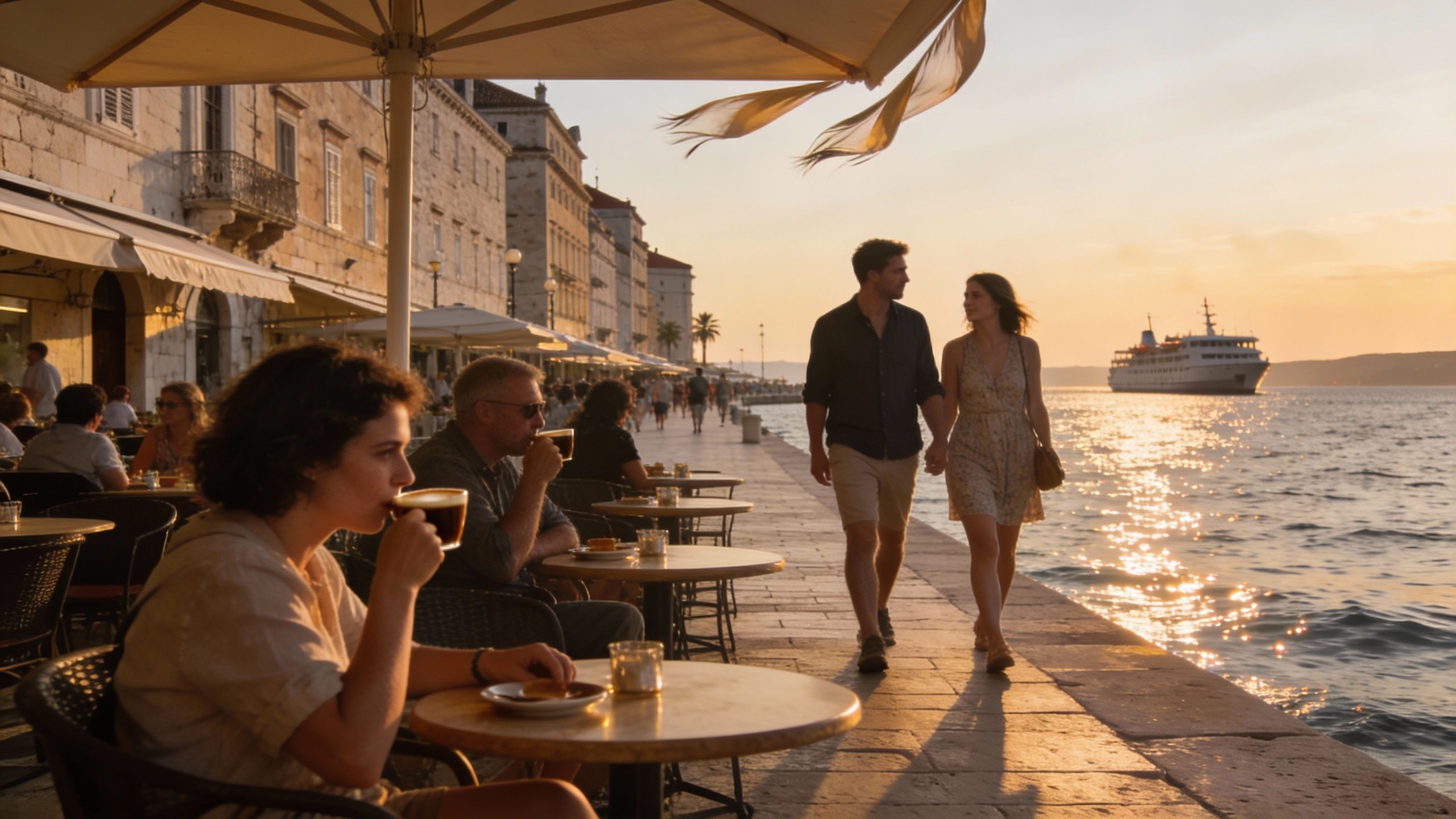
Imagine sipping espresso at Split’s Riva at 8 a.m., the light catching limestone façades, then cycling inland to vineyards before dinner on a secluded Dalmatian cove. Croatia feels at once coastal ease and compact European practicality — a place where daily life threads historic streets, weekend markets and a strong seasonal pulse. But for buyers the romance meets rules: residency, new property taxes and tightening short‑term rental controls now shape which streets truly make sense to buy on.
Living the Croatian life — what actually feels like home
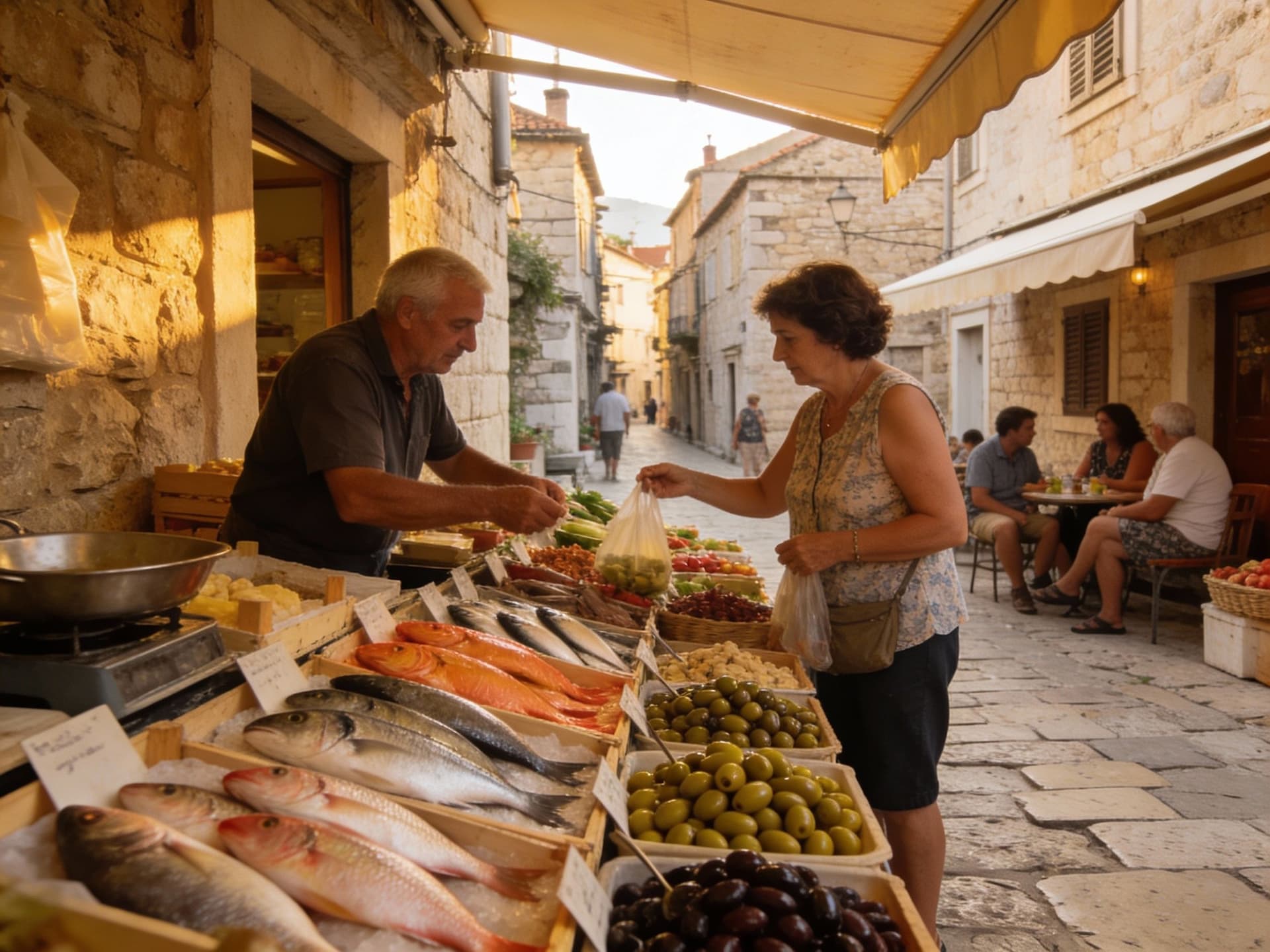
Daily life in Croatia is textured by place. In Zagreb you find slow café culture and markets like Dolac; on Hvar and Korčula the day pivots around sea and harbour life; in Istria truffle season shapes weekends and conversations. Weather and tourism rhythms matter: summers are busy and profitable if you rent, winters quiet and revealing — a better time to gauge genuine neighbourhood life.
Neighborhood spotlight: Split’s Varoš and Diocletian’s shadow
Walk Varoš before the tour buses arrive and you’ll see why locals still buy here: narrow lanes, tiny konobas and neighbors who know each other’s habits. Properties are often stone houses with steep stairs and sea glimpses — atmospheric, but they bring maintenance and access trade‑offs. For buyers seeking authenticity, these are lifestyle choices as much as financial ones.
Food, markets and weekend rituals that shape where you live
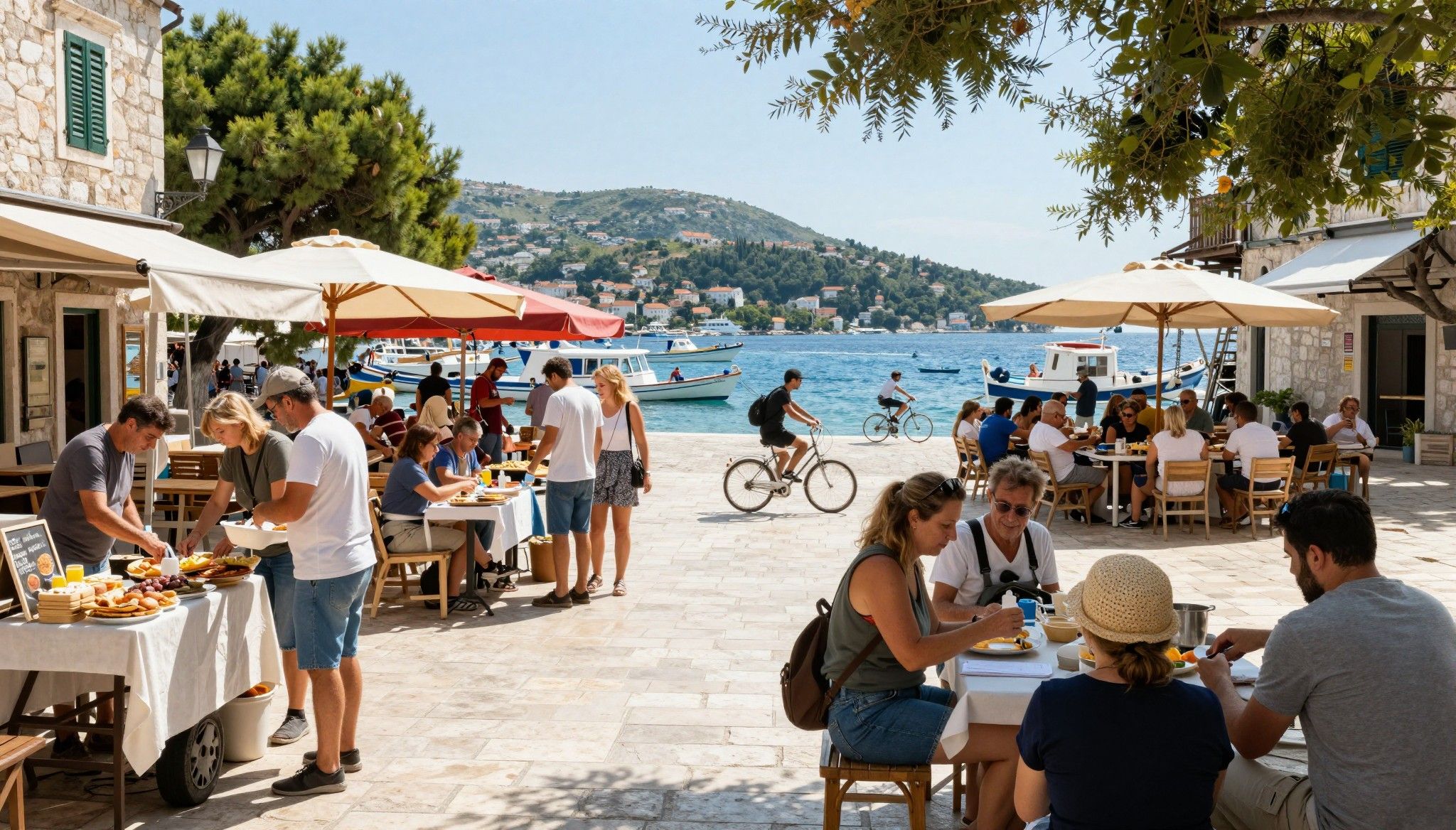
Markets set the tempo. In Rijeka and Pula daily stalls sell fresh fish and Istrian olive oil; in Dalmatia festivals — from Ston oysters to Motovun film nights — bring neighborhoods to life. If you want year‑round conviviality, prioritize towns with permanent populations and working markets rather than purely tourist streets.
- Lifestyle highlights to scout on site: • Morning espresso at Riva (Split) or a Dolac market breakfast (Zagreb) • Sunset promenades on Dubrovnik’s Lapad for quieter evenings • Truffle hunting and wine tasting weekends in Istria (Motovun, Grožnjan) • Island ferries that double as daily commutes (Brač, Vis) • Local konobas where owners become fixture and friend
Making the move: practical legal realities that reframe the dream
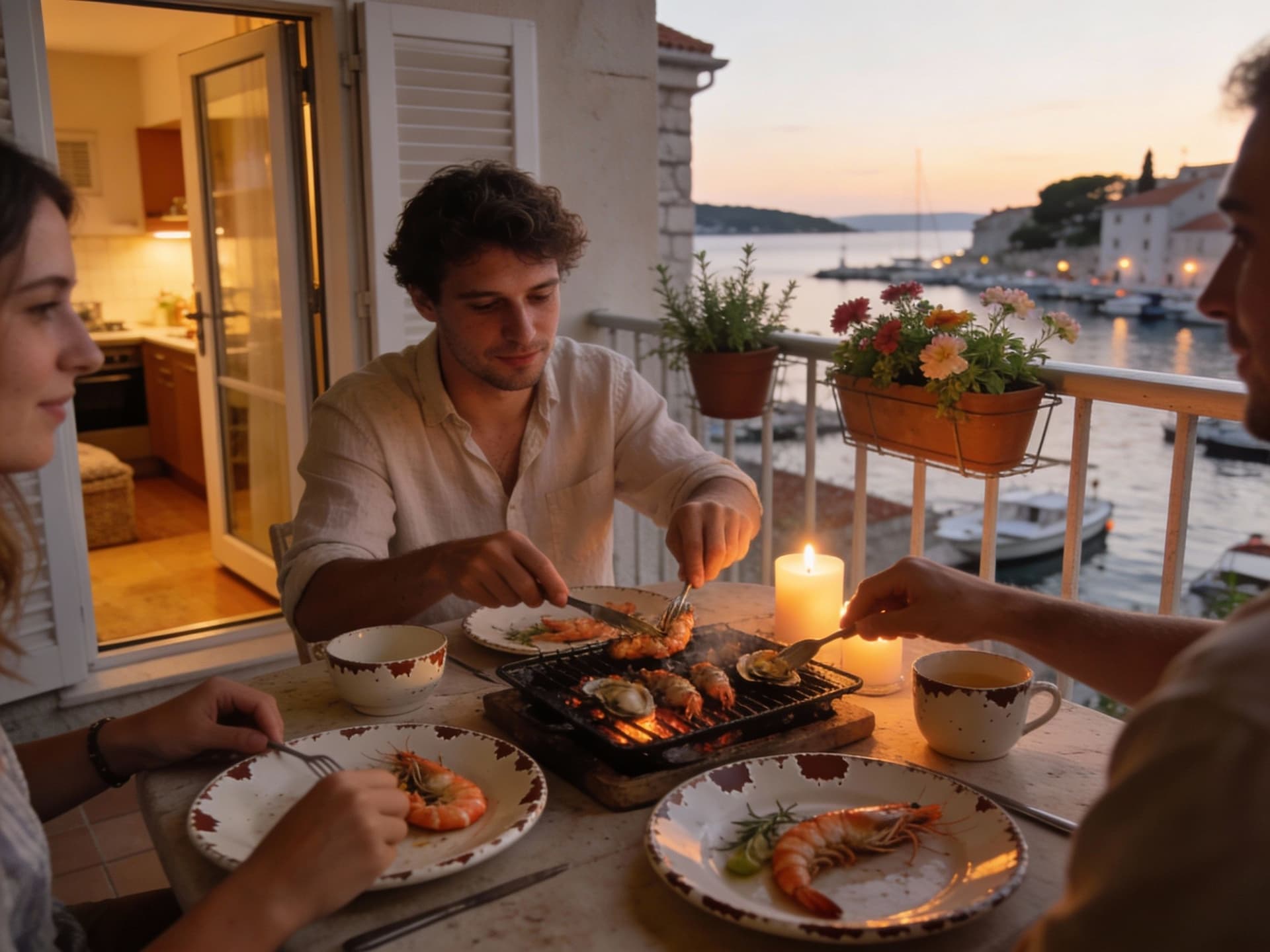
The romance of a Dalmatian apartment can be undone quickly by unclear title, unexpected taxes or rental restrictions. Recent policy shifts have raised the bar on short‑term lets and introduced a broader local property tax regime; international buyers should prioritise clear, current legal advice before committing. Below are the most consequential rules to factor into offers.
Who can buy — reciprocity, companies and extra approvals
EU/EEA/Swiss citizens buy with the fewest formalities. Non‑EU buyers often need proof of reciprocity or Ministry approval; some buyers set up Croatian companies if their nationality lacks reciprocal rights. Approval timelines vary — budget extra weeks or months and insist on agent-led checks of the Ministry list before you sign.
Tax and annual charges that alter returns and holding costs
A real estate transfer tax (commonly 3% of market value) applies when VAT is not charged; local governments now levy annual property taxes (reported between €0.60–€8/m² depending on municipality). Some consultant reports note higher transfer tax bands for tourist properties. Factor these into breakeven rental models and long‑term holding costs.
- Steps to hedge regulatory risk before you bid: 1. Request a full title extract and check for encumbrances. 2. Confirm buyer eligibility (reciprocity/approval) with your lawyer. 3. Ask the municipality for short‑term rental rules and recent approvals. 4. Model annual property tax at the municipality’s top band. 5. Include conditional clauses allowing exit if approvals or licenses are denied.
Insider knowledge: what expats wish they’d known
Expats often focus on the sea view and miss everyday friction: ferry frequency in winter, municipal noise rules, or neighbours’ resistance to short‑term lets. Locals value long‑term occupancy; towns like Dubrovnik have already restricted new tourist permits in fragile centres. The lesson: match the micro‑neighbourhood to how you’ll actually use the property.
Cultural and seasonal realities that change value
Summer can make any street look vibrant; visit in late autumn or winter to see true neighbour profiles. Municipal crackdowns on short‑term rentals in tourist hotspots have already shifted owner behaviour toward longer leases or sales — coastal premiums may compress as regulators press for housing for locals.
Practical services that make life work after purchase
- Local supports to arrange early: • A notary and lawyer with Croatian property experience • An accountant familiar with local property and rental taxes • A municipality contacts list (tourist office, cadastre, building services) • Reliable property manager who handles eVisitor registration and guest communication • A neighbourhood guide — local shops, ferry timetables, and medical facilities
Conclusion: Croatia still rewards buyers who pair lifestyle clarity with legal rigor. Choose streets where the year‑round rhythm matches your plan, budget for recent tax and rental reforms, and brief local specialists before you sign. When done right, the result is not just a property but a way of life: markets, cafés, islands and quiet lanes that quickly start to feel like home.
Dutch relocation advisor who moved to Marbella in 2016. Guides Dutch buyers through visa paths, relocation logistics, and balance of lifestyle with value.