Cyprus: Life‑First Buying, Then the Permissions
Cyprus seduces with sun and sea, but residency thresholds, foreign‑buyer permissions and VAT vs stamp duty realities change the purchase story. Live first; legal check second.
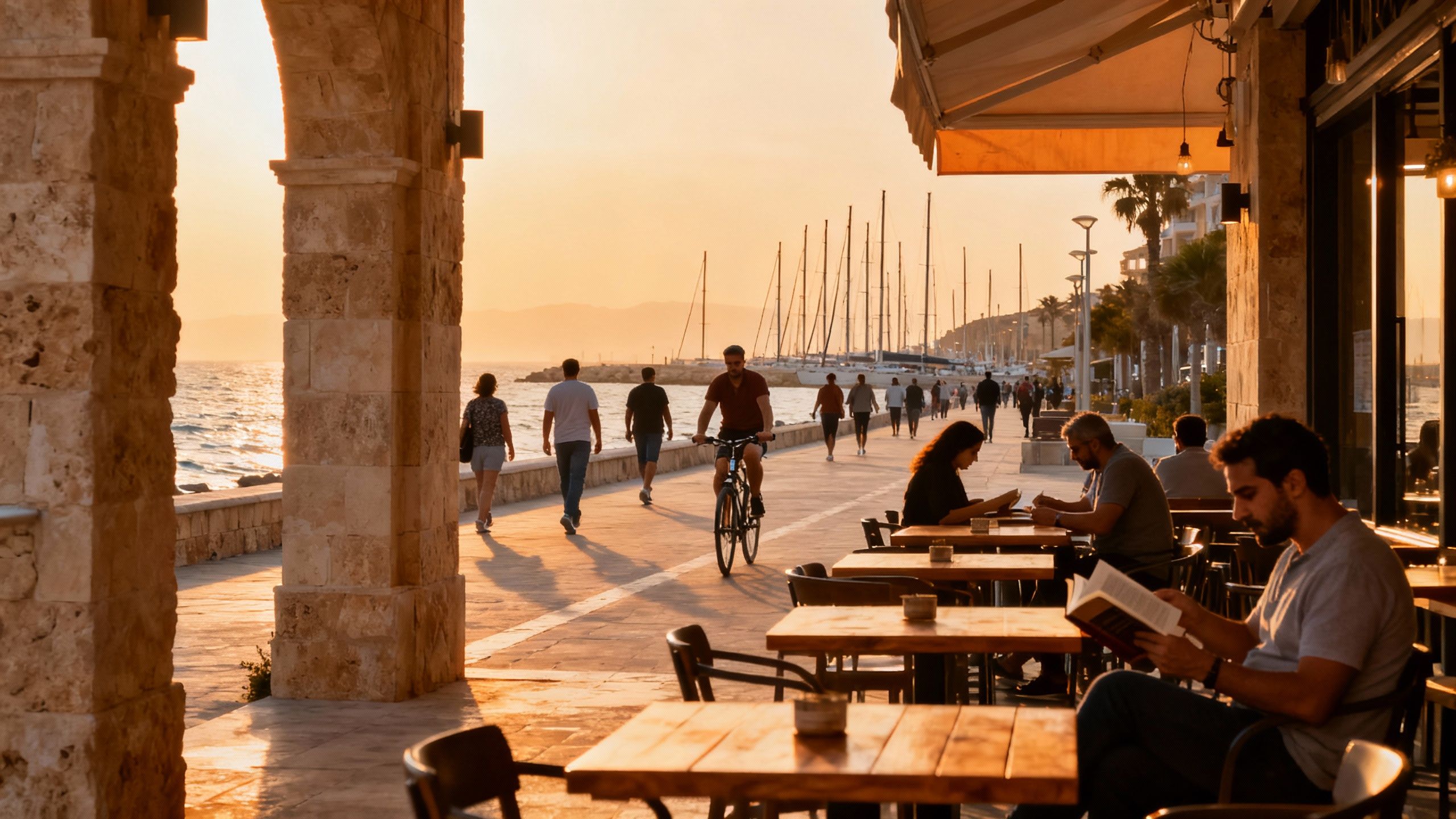
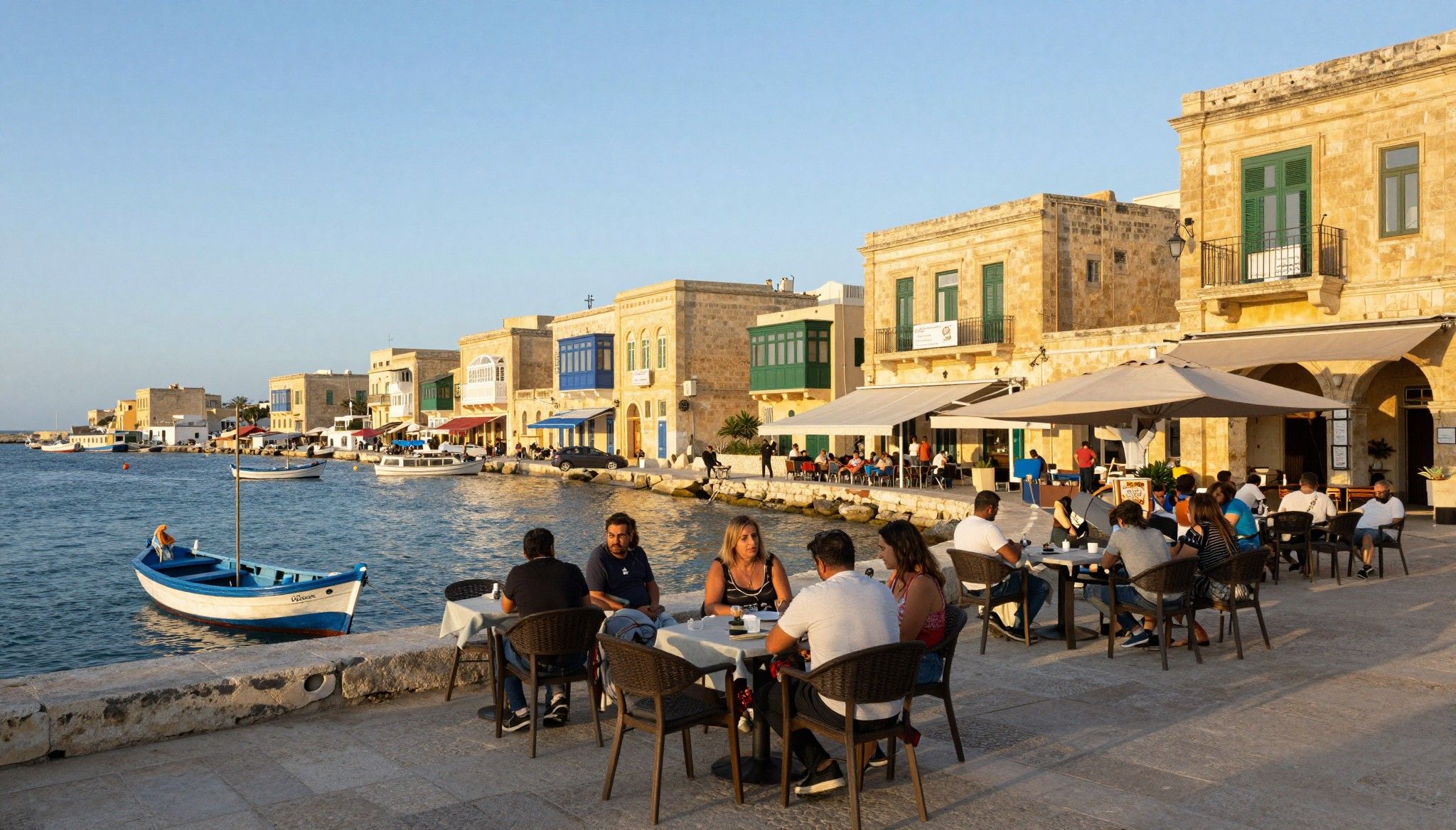
Imagine sipping an espresso on Agias Filaxeos in Limassol as fishermen mend nets on the harbour and evening light hits limestone façades. Cyprus feels both Mediterranean and intimate: tavernas tucked down alleys, weekend swimmers at Fig Tree Bay, and a predictable sun that choreographs daily life. That rhythm seduces buyers; it should also shape decisions. Recent regulatory shifts make the residency and purchase story here less romantic and more procedural — in ways buyers must understand before they fall in love with a view.
Living the Cyprus life

Cyprus is a mosaic of micro‑lives. In Nicosia you find late‑night kafeneions and bureaucratic precision; in Paphos the coastline moves at a gentler pace and weekends mean family barbecues; Limassol hums with yacht traffic, cafes, and multinational offices. Streets like Gladstonos in Nicosia and the Limassol seafront promenade are where social life and property value intersect. Knowing which micro‑rhythm you want should determine the property type you seek more than a generic coastal-versus-inland argument.
Neighborhood spotlights: Limassol and Paphos scenes
Limassol’s Molos and Old Port areas combine short walks, cafes, and a dense rental market; apartments here suit someone who wants nightlife and service. Paphos’ Kato Paphos and Coral Bay favour villas and terraced houses, quieter streets, and family‑oriented amenities. Each area offers a different lived day: morning markets in Larnaka’s Psarolimano, afternoon swims at Ayia Napa’s quieter coves off‑season, and mountain afternoons in Troodos where stone houses demand different maintenance and insulation choices.
Food, markets and the small indulgences
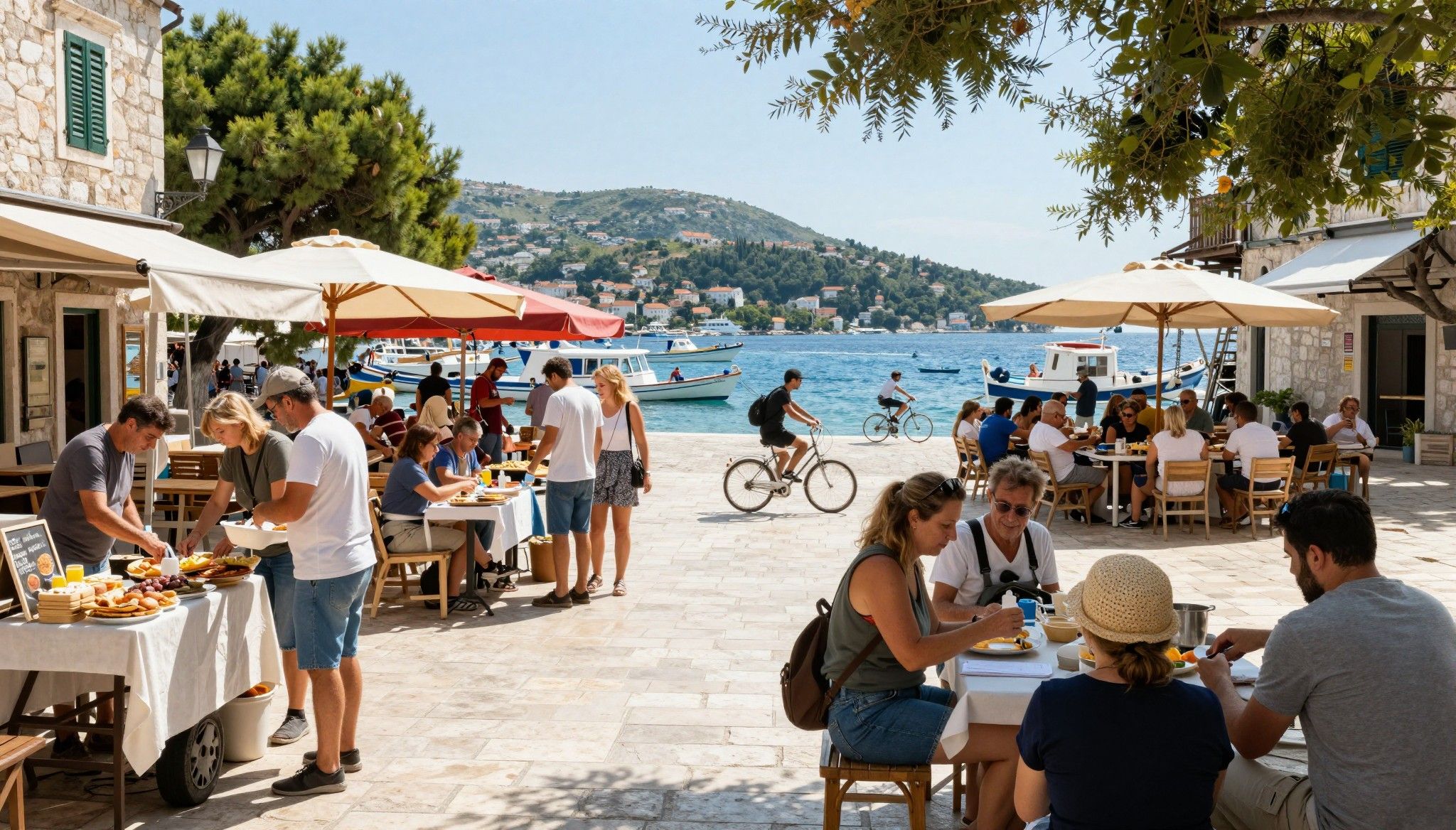
Meals structure life here. Start at the Limassol Municipal Market for halloumi and olive oil, sip Frangelico‑sharp coffee under canvas at Ermou Street, and let weekday evenings be for meze. Festivals — the Limassol Wine Festival, village panigyria in summer — are when neighbourhoods reveal themselves. Those patterns inform property choices: proximity to markets and narrow streets matters when you crave walking life; large gardens make sense if you plan to host family barbecues.
- Lifestyle highlights: local places and rituals - Morning market at Limassol Municipal Market - Espresso and people‑watching on Gladstonos Street, Nicosia - Fig Tree Bay swims and weekend tavernas in Protaras - Troodos mountain tea houses and stone‑roofed village squares - Seafront promenades and marina life in Limassol
Making the move: practical considerations

The romance must meet paperwork. Cyprus permits foreign purchases but with legal contours: non‑EU buyers need permission in many cases and there are caps on land plots and unit numbers. The law that governs foreign acquisition makes district officers gatekeepers for larger transactions. That reality changes the negotiation: expect conditional offers, extra timeline for council permissions, and the need for a local lawyer who truly understands District Officer practice.
Property types and how they shape daily life
A seafront apartment in Limassol trades private outdoor space for proximity and rental demand; a village stone house in Troodos trades instant services for quality of life and renovation costs. New developments (first‑sale) often carry VAT on purchase price but quicker permission processes for residency. Older titles require careful due diligence on boundaries and easements — the lived reality of a property is often written in its registry history.
How local experts make lifestyle promises practical
- Steps where an expert saves time and grief 1. Confirm title and existing permissions with a local lawyer and Land Registry search. 2. Verify Council of Ministers/ District Officer constraints for non‑EU purchasers. 3. Check VAT applicability on new builds and calculate net cost vs stamp duty on older stock. 4. Model running costs: utilities, maintenance, and seasonal property management fees. 5. Align residency expectations (fast‑track thresholds, proof of income) with purchase timing.
Insider knowledge: what expats wish they'd known
Expats quickly learn that social integration is local: an invitation to a village panigyri matters more than curated social media. Practical surprises include the patchwork timing of municipal services, winter heating needs in mountain homes, and local quirks in contracts — like longstanding informal easements. Experienced buyers treat these as lifestyle signals rather than annoyances: they reveal how your life will actually unfold, and they should guide neighborhood choice.
Language, community and everyday life
English is widely used in business and many services; Greek helps in village life. Building rapport with neighbors, the kafeneion owner, and the district office staff smooths many bureaucratic moments. For families, proximity to international schools in Limassol or Nicosia often outweighs a marginal price discount elsewhere. These social calculations are practical: they reduce the friction of daily life and improve resale prospects.
Long‑term considerations: tax signals and resale realities
- Key practical takeaways - Residency via property now has clearer financial thresholds (e.g. €300,000 benchmark for some fast‑track paths) and documentation requirements; time your contract accordingly. - Non‑EU buyers face procedural permission from District Officers; budget for 2–3 months extra in transaction timing. - New builds may carry VAT and appeal to residency categories; older titles often avoid VAT but need deeper title checks. - Factor local running costs: municipal rates, strata fees, and seasonal property management are real recurring expenses.
If Cyprus has seduced you, start with living first and paperwork second. Spend mornings in target neighbourhoods, have lunch at local tavernas, and test the commute and services you’ll rely on. Then commission a Land Registry search, meet a local lawyer, and have an agency coordinate the district officer permissions. That sequence protects the lifestyle you fell for and reduces the unpleasant surprise of hidden legal constraints.
Next step: shortlist three streets or squares that match the life you want, then ask a reputable local agent to run a title check, district permission feasibility, and VAT/stamp duty cost comparison. Good advice costs less than a bad purchase. Cyprus offers a clear life — know what paperwork it requires before you sign and you'll own both the view and the life that comes with it.
Dutch relocation advisor who moved to Marbella in 2016. Guides Dutch buyers through visa paths, relocation logistics, and balance of lifestyle with value.