Cyprus: Sea, Cafés—and the VAT & Transfer Fee Truth
Fall for Cyprus’s cafes and coast — but plan around VAT, transfer fees and non‑dom rules that materially change the purchase math.

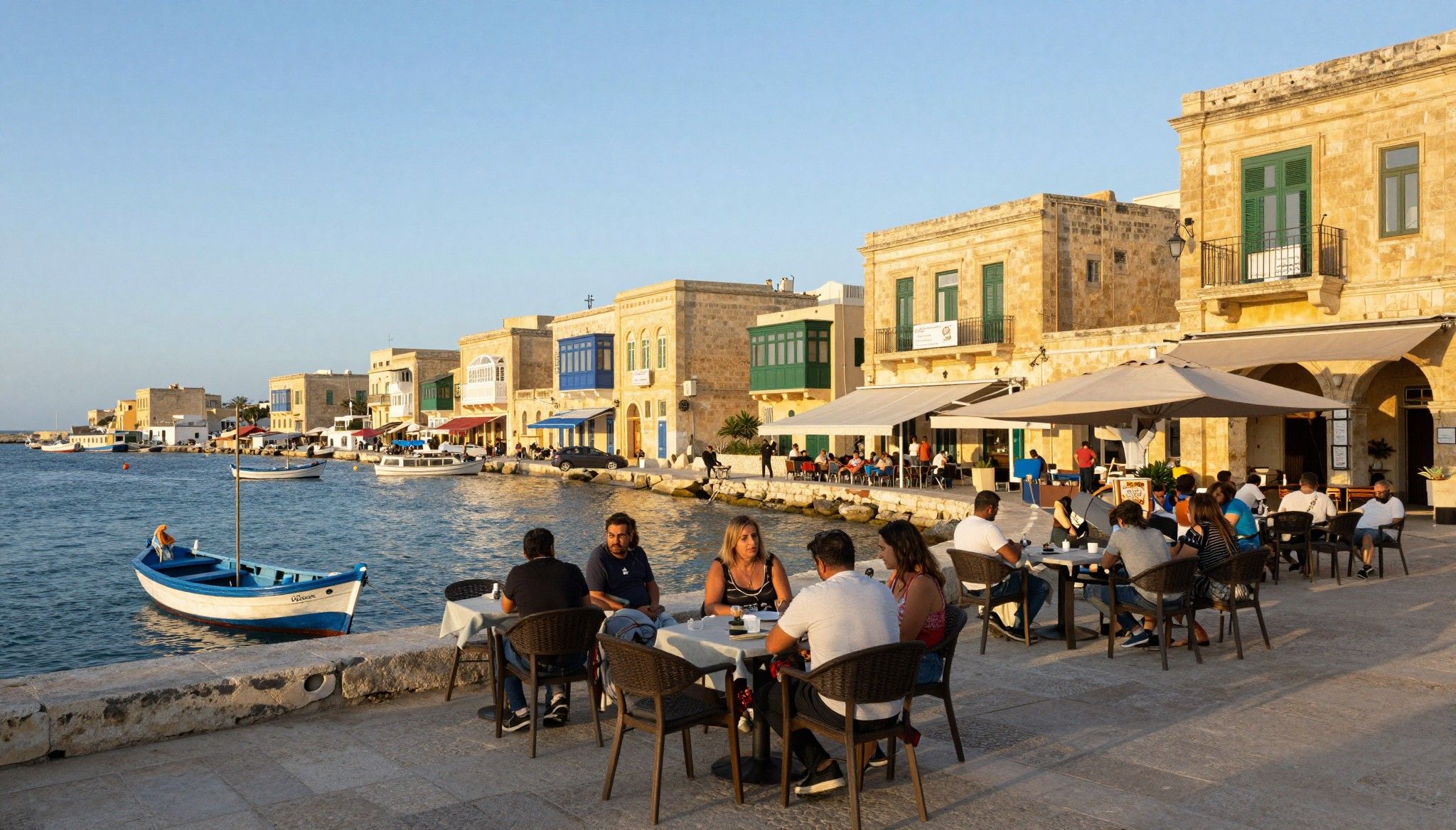
Imagine a late‑morning in Limassol: espresso steam, fishermen repairing nets by the marina, and narrow streets where neighbours still greet you by name. That rhythm — sunlit cafés, pedestrian promenades and slow, convivial evenings — is why people move here. But love alone won't get you clear title or the right tax structure. Below we marry the sensory pull of life in Cyprus with the legal and regulatory realities every international buyer must understand.
Living Cyprus: light, seasons and street life
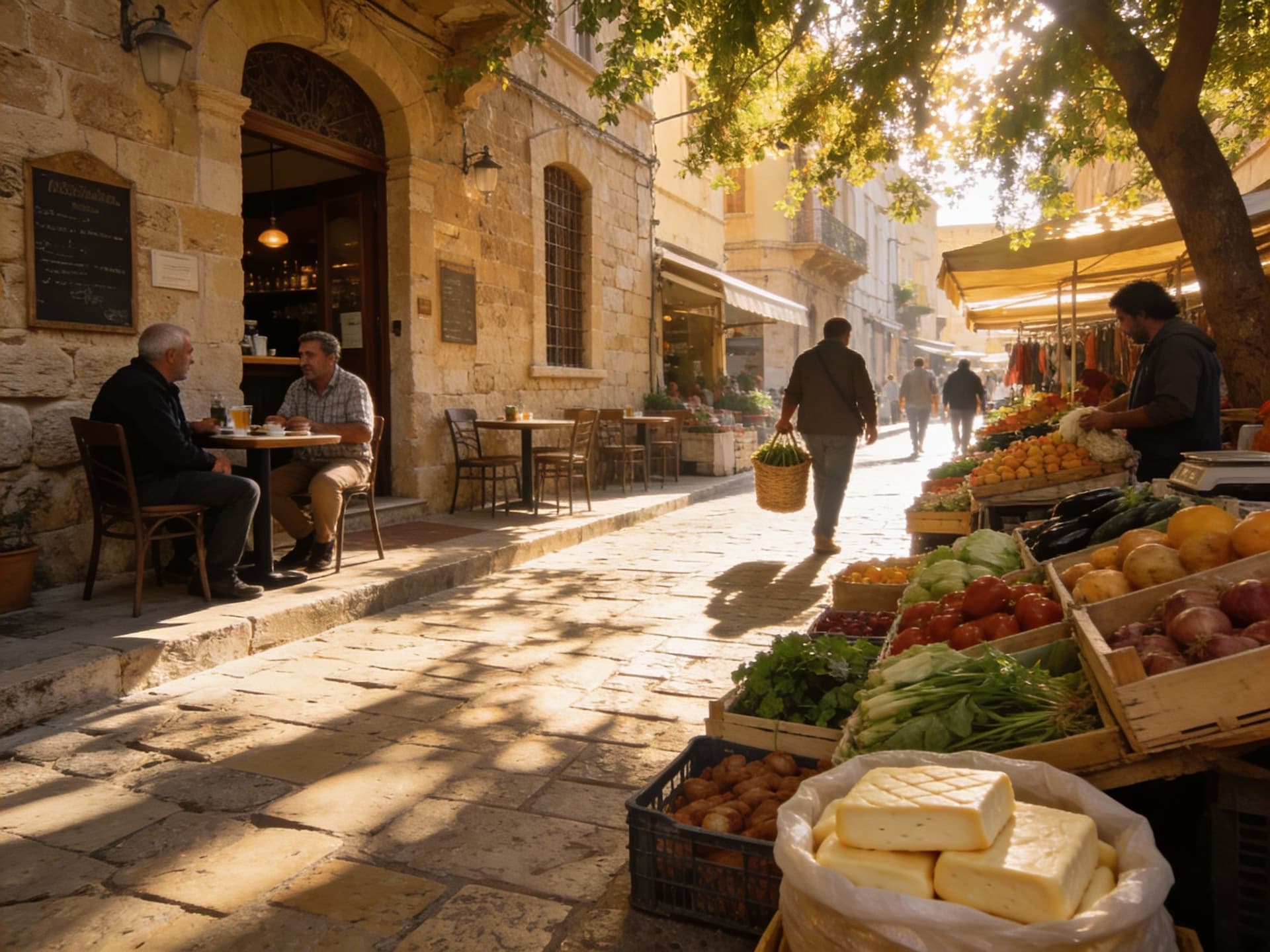
Cyprus feels both Mediterranean and village‑scaled: long summers that push life outside, cool mountain afternoons in Troodos, and the island’s compactness means a beach, bakery and pharmacy are often within 20 minutes. Mornings begin with patios and slow coffee; Saturdays are for markets — Nicosia’s municipal market still sells halloumi wrapped in wax paper — and evenings gather at seawall tavernas in Paphos or Limassol. This everyday texture shapes the homes people choose: terraces, shaded courtyards and indoors‑outdoors layouts matter more than penthouse glamour for many buyers.
Neighbourhood notes: Limassol marina to Larnaca’s old town
Limassol marina is neat for yacht owners and restaurant life; properties there skew new and command premium per square metre. Move inland to Ayios Athanasios and you get quieter streets, larger plots and a sense of daily Cypriot routine. In Larnaca, the old town and Finikoudes promenade combine local coffee shops, pedestrian lanes and shorter commute times, often at lower prices than Limassol or Paphos. Each area offers a distinct daily rhythm — village calm, coastal bustle, or city convenience — and the property you pick should match how you actually want your day to feel.
Food, cafes and small pleasures that shape property choices
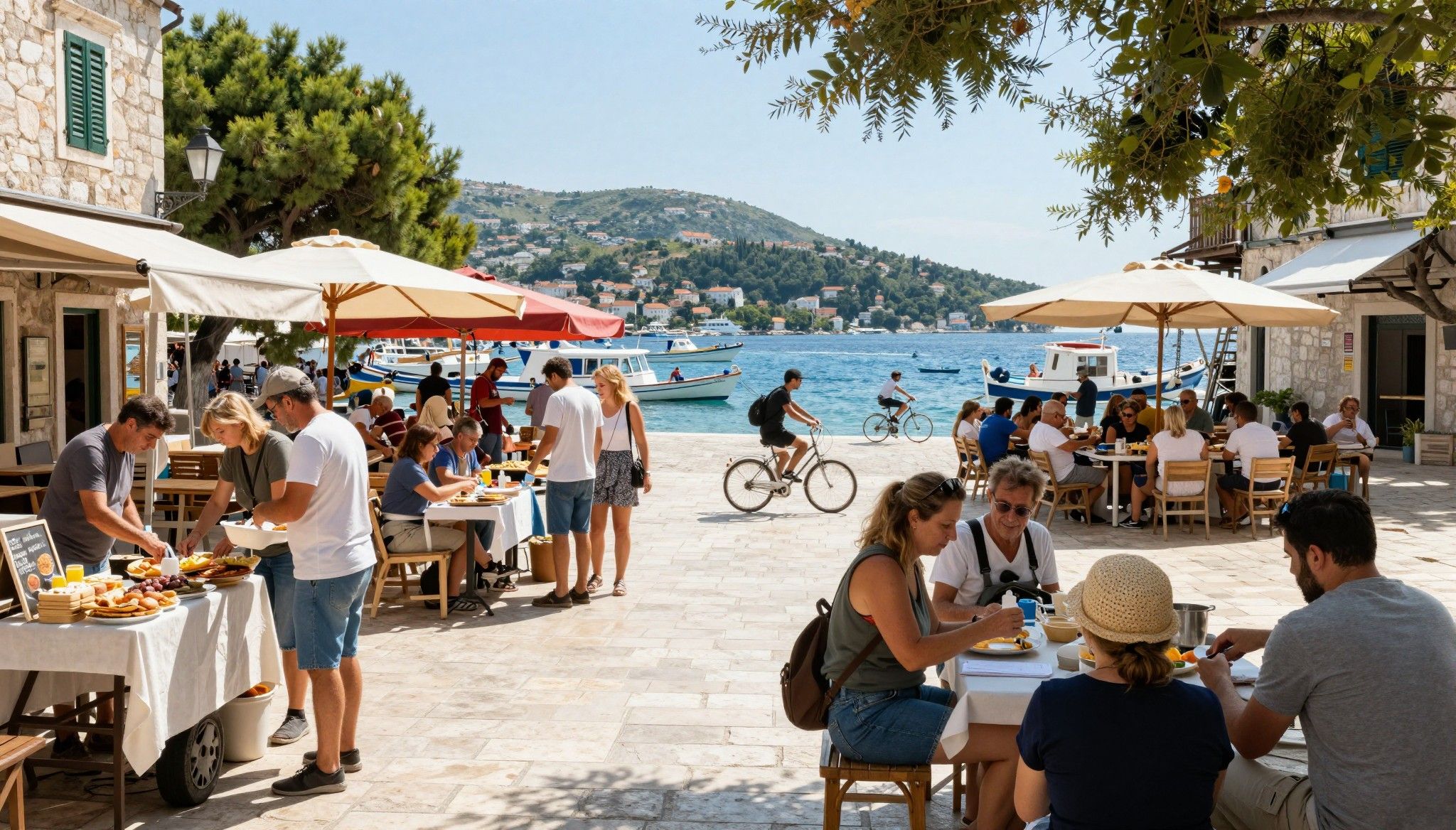
If you imagine weekends with farmers’ market runs and taverna dinners, that lifestyle pushes you toward neighbourhoods with local vendors and pedestrian streets — think Paphos Ktima or old Nicosia. Coffee culture here is robust but unpretentious; find a corner café and you’ve found community. For buyers the practical implication is simple: proximity to markets and outdoor dining often matters more than an extra bedroom when reselling to other lifestyle buyers.
- Local lifestyle highlights: • Morning espresso at Anexartisias Street, Limassol • Sunset walk along Paphos harbour and small seafood tavernas • Weekend Troodos hikes and mountain villages like Omodos • Larnaca Finikoudes promenade for easy social life • Small fruit & vegetable stalls in local municipal markets • Traditional bakery pastries (koupepia and halloumi) on Saturday mornings
Making the move: money, title and tax realities

You can fall for a sea view in an afternoon and still be surprised by the invoice. Cyprus has a compact set of transaction costs buyers must budget for: stamp duty on the contract, transfer fees at title registration and VAT on many new builds. The trick is knowing how those interact — for example, new builds usually pay VAT (often shifting transfer fees to zero), while resales attract transfer fees but not VAT. Understanding these combinations saves thousands and keeps your lifestyle plans realistic.
Property types and what they mean for costs
New developments usually carry VAT (standard 19%), though a reduced 5% rate can apply for qualifying primary residences under size and use rules. If VAT applies, transfer fees are generally not charged — a major upfront saving and a reason some buyers prefer new builds. Resale apartments avoid VAT but attract transfer fees calculated on a tiered scale (3%/5%/8% on value bands, often reduced by 50% in practice). Always verify whether transfer fees are calculated on the contract price or the Land Registry’s market valuation; small differences can matter.
How local experts save you time and mismatch risk
- 1. Ask your lawyer for a Land Registry valuation check — it can differ from the sale price and alters transfer fees. 2. Confirm VAT status in writing for new builds and request developer receipts before relying on an exemption. 3. Structure purchases in joint names where possible to split transfer fee brackets and lower the bill. 4. Budget 1–2% of the purchase price for legal fees and expect small extras (surveys, utility deposits).
Insider knowledge: residency, non‑dom status and long‑term plans
Cyprus remains attractive for relocating buyers thanks to its non‑dom regime: eligible tax residents are often exempt from the Special Defence Contribution (SDC) on dividends and interest, a meaningful saving for investors. But rules have limits — becoming deemed domiciled after long residency, or future policy changes, can change the picture. And remember the political history: the island ended its ‘golden passport’ programme after abuse was exposed, underlining that immigration and residency laws can change and will be enforced more strictly than in the past.
Cultural and legal realities expats often miss
English is widely spoken in business and property transactions, but legal documents are binding in Greek and the Land Registry process is formal. Many expats assume a quicker, informal handover; in Cyprus, patience and paperwork win. Also, young buyers often underestimate seasonal shifts: coastal areas fill with tourists in summer while quieter months reveal the true neighbourhood fabric. Your chosen agency should translate both the language and the local calendar into realistic expectations.
Where life evolves after you arrive
After six months you’ll notice different things: which cafés have regulars, which streets flood in winter, and whether your block holds community barbecues. That social capital matters for resale and for daily happiness. Think medium term: rental demand clusters (university towns, Marinas) can support income while village living offers slower appreciation but higher lifestyle value. Factor that trade‑off into your purchase budget and timeline.
- Practical red flags to check before signing: • Confirm title is free of mortgages and construction irregularities with a full lawyer search. • Verify VAT vs resale status to avoid surprise transfer fees. • Ask for recent utility payments and maintenance records for communal buildings. • Check Land Registry’s market valuation versus contract price. • Get written confirmation on any tax or residency claims your advisor makes.
Cyprus can be the place you pictured: morning markets, family tavernas and long sea walks. Pair that dream with the right local advisor, a clear view of VAT and transfer fee mechanics, and careful residency planning — especially if non‑dom status factors into your financial plan. If you want, we’ll put you in touch with Cypriot lawyers and tax specialists who work with international buyers and can turn those seaside scenes into a secure, well‑structured purchase.
Norwegian market analyst who serves Nordic buyers with transparent pricing and risk assessment. Specializes in residency rules and tax implications.