Cyprus: Love the Life, Check the Fees & Residency
Cyprus sells on light, cafés and coastline — but transfer fees, VAT and residency shifts change the real cost. Pair neighbourhood love with early legal checks.

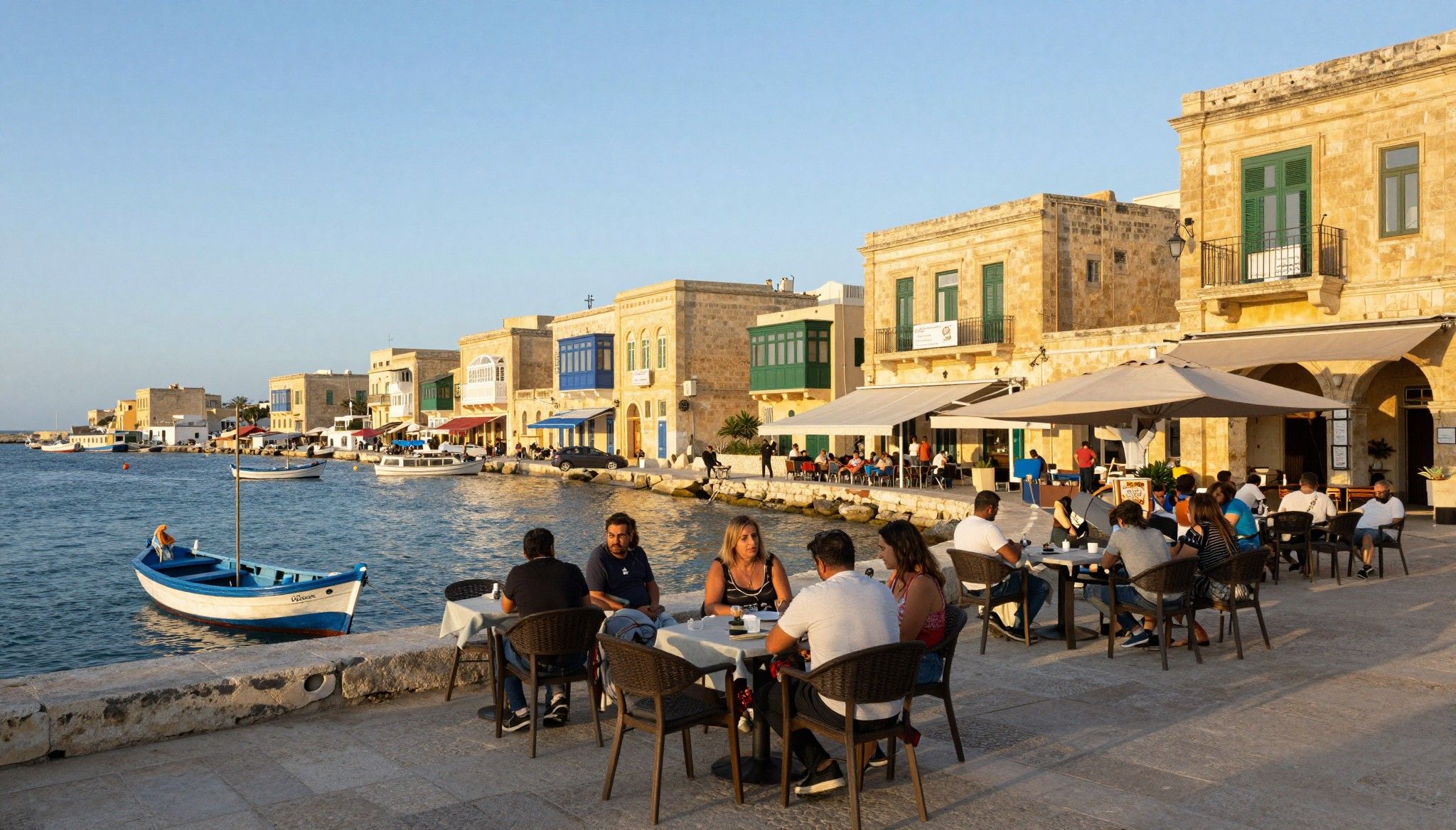
Imagine waking to the bustle of Limassol’s seafront cafés, picking up halloumi at Nicosia’s Municipal Market on a Wednesday, and closing the week with a sunset swim on Paphos’ Coral Bay. Cyprus feels small and immediate: streets where shopkeepers know your name, villages where festivals still centre community life, and long coastlines that make Sundays feel endless. For many international buyers we speak to, the island sells itself before the paperwork begins. But love at first sight needs practical footing — property rules, residency changes and transfer costs shape whether that dream becomes a secure long‑term move.
Living Cyprus: sunlight, souvlaki and slow afternoons
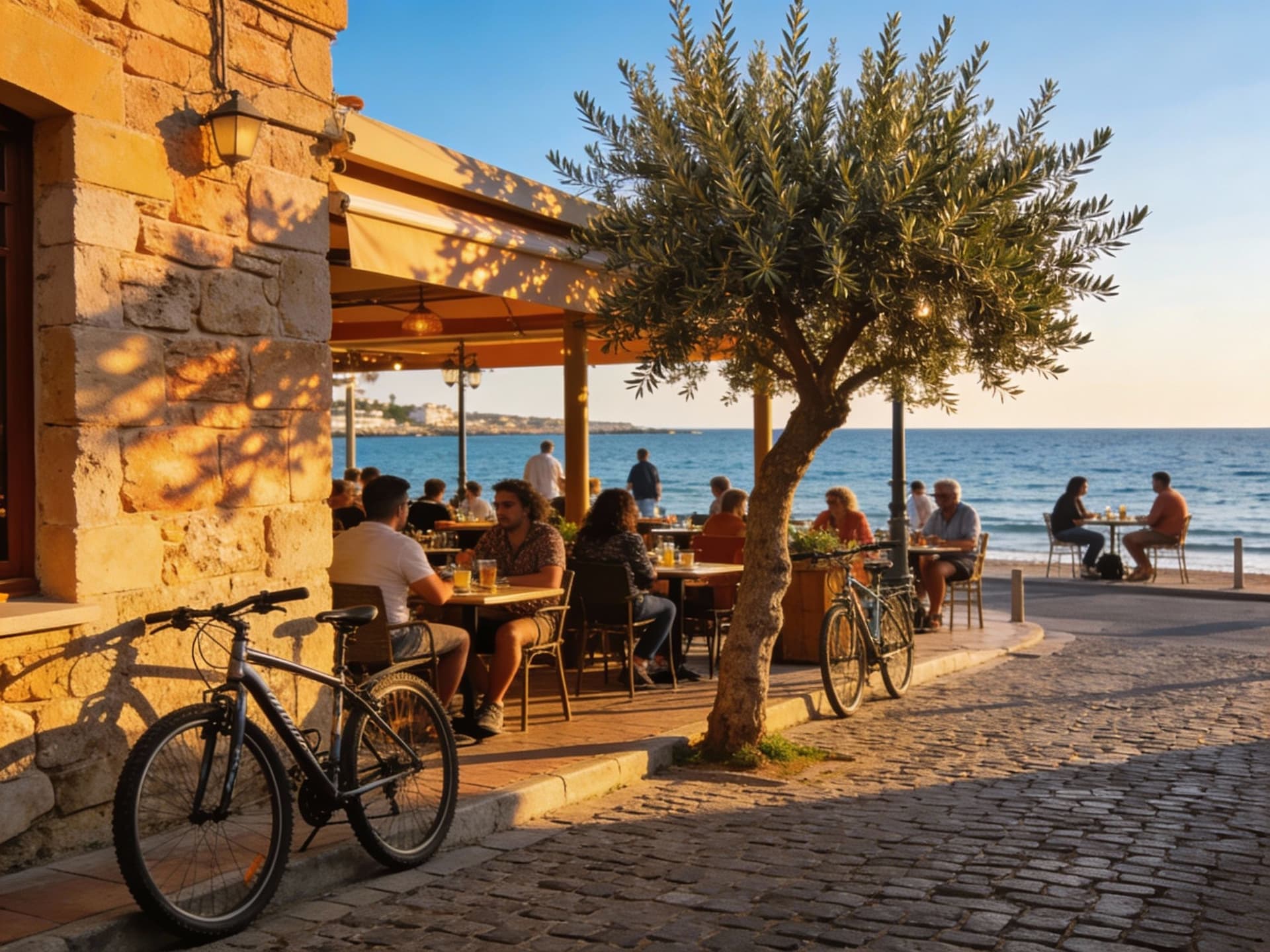
Cyprus lives at human pace. Morning cafés fill early with retired locals over strong coffee; afternoons stretch toward beach time; evenings vibrate with tavernas alive with mezzes and petrosyn music. The island’s scale — compact cities, tight mountain villages, and coastal towns — makes it easy to slot into local life quickly. For buyers this matters: location shapes not just lifestyle but running costs (air conditioning in summer, heating in cooler upland winters) and what property type will truly be used year‑round.
Neighbourhood pulse: Limassol, Nicosia, Paphos and the east coast
Limassol is the island’s modern heartbeat — marinas, international schools and late cafés draw families and professionals. Nicosia is quieter by day but layered with history and neighbourhood bakeries. Paphos sells the coastal village dream with archaeological sites and a strong expat community; Ayia Napa and Protaras to the east skew younger and seasonal. Each place offers a distinct rhythm and different resale or rental prospects; pick the rhythm first, then the property.
Food, market life and seasonal rhythms
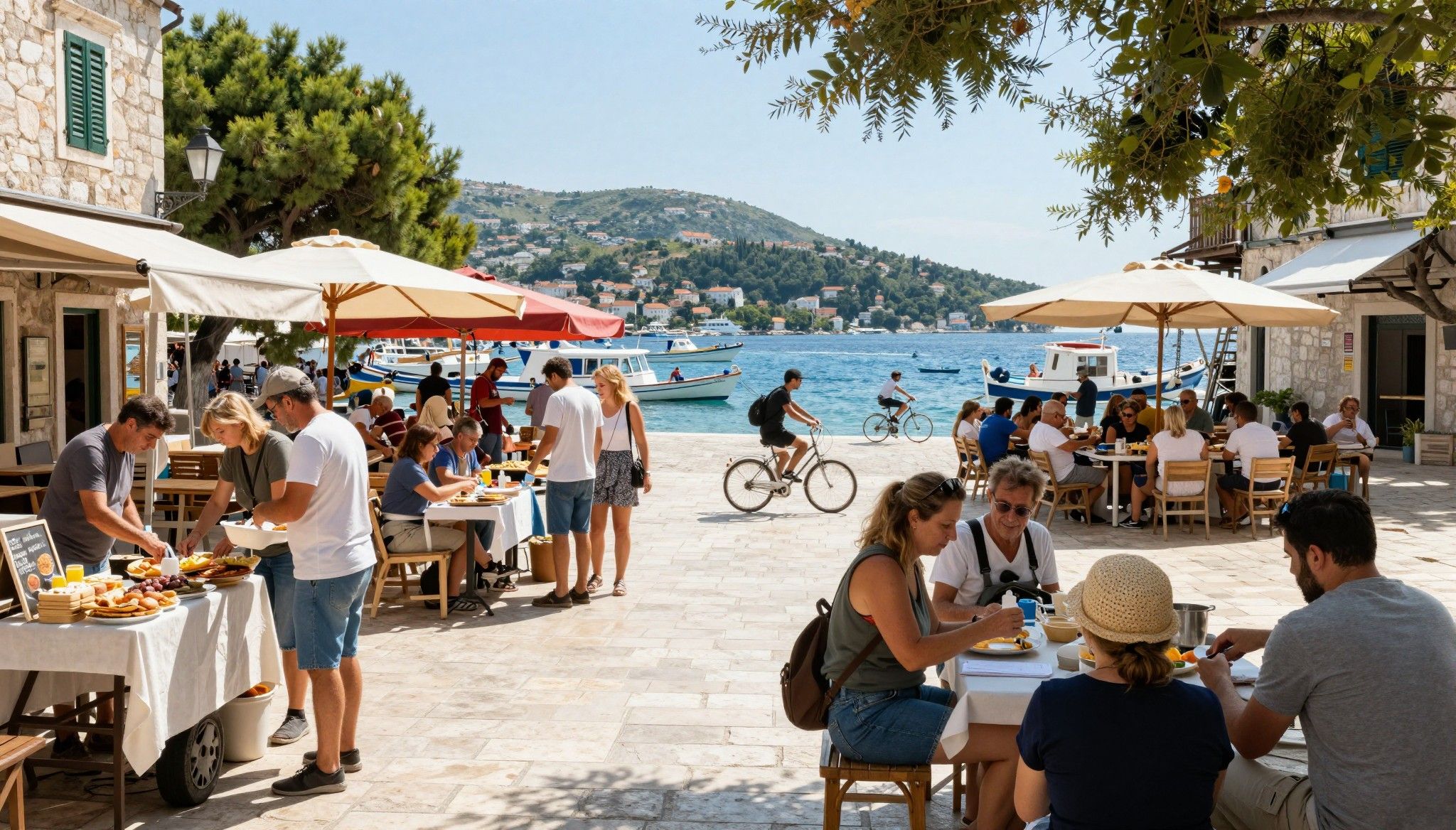
Weekends mean markets: pick olives in Polis, melons in Larnaca, and sample fresh fish in Latchi. Winters are quiet and intimate — village feasts and citrus harvests — while summers bring tourists and higher rental yields. Understanding seasonality helps decide whether a coastal pad is a holiday rental engine or a livable, year‑round home.
- Lifestyle highlights: Limassol promenade, Paphos archaeological park, Nicosia’s Ledra Street cafés, Larnaca salt lake walks, Polis olive festivals, Coral Bay swimming
Making the move: rules that change how you buy

The paperwork in Cyprus is straightforward — but with local wrinkles that materially affect cost. Transfer fees, VAT on new builds, and the island’s evolving residency rules change the math between a bargain and a budget‑crusher. Recent official data show property prices rising in parts of the island, so timing and tax status can materially alter your effective cost. Always check the transfer fee treatment for the specific plot and whether VAT applies — it can save you thousands.
How transfer fees and VAT reshape the final price
Cyprus applies a tiered transfer fee charged at registration (3% on the first €85,000; 5% on the next €85,000; 8% above €170,000) — but most resale transactions benefit from a 50% reduction and VAT‑charged new builds are usually exempt from transfer fees. That split determines whether a new build with VAT or a resale without VAT gives you the better out‑the‑door price. We often see buyers surprised that the Land Registry’s market valuation (used for fees) can differ from the contract price — budget for that gap.
Market signals: prices and demand
Official indices show continuing, if moderated, price growth in recent quarters. The Central Bank and Statistical Service reports point to steady demand, though pace varies by district — Paphos and some coastal areas have been hotter. For investors this means targeted buys in fast‑growing pockets can outperform island averages, but nationwide momentum has softened, so negotiate on timing and financing.
- Steps to align lifestyle with legal reality: 1) Confirm VAT status (new build or resale). 2) Ask your lawyer for the Land Registry valuation. 3) Budget transfer fees and stamp duty. 4) Factor seasonal rental expectations into cashflow.
Insider knowledge: what expats wish they'd known
Expat buyers we work with repeatedly mention three surprises: the speed of community integration (faster than expected), the administrative detail (slower than you want), and how tax residency status influences long‑term costs. Cultural warmth makes life easy; bureaucracy — from municipal permits to utility connections — rewards patience and a good local lawyer or agency. Those local relationships save time and money.
Language, community and everyday practicalities
English is widely spoken, especially in coastal towns and in professional services, but learning basic Greek opens doors in villages. Expect strong neighbourhood networks — builders, café owners and municipal offices who operate on personal trust. For property buyers, that means local advice on maintenance, microclimate (sea breeze vs. inland heat) and realistic rental seasons.
Residency and the myth of 'buy to get a visa'
Cyprus no longer offers the easy route of citizenship‑by‑investment that it once did; residency expectations have changed across Europe. Buyers attracted by residency perks should treat any immigration promise as secondary: buy for lifestyle and investment fundamentals, then treat residency as an add‑on that must be independently verified with immigration counsel.
- Practical red flags we watch for: unclear building permits, missing title deeds, properties sold through intermediaries without full documentation, Land Registry valuations lower than contract price, and developers delaying VAT invoices.
How local agents help — beyond viewings
A good Cyprus agent introduces you to trusted lawyers, helps interpret municipal rules (especially for renovations), and flags micro‑market trends — which streets in Paphos are genuinely quieter, which Limassol blocks rent well to corporate lets, or which Larnaca suburb is gaining family buyers. Use agencies as cultural translators as much as property finders.
- Six pragmatic checks before you sign: 1) Verify title deed availability. 2) Confirm VAT vs resale status. 3) Obtain Land Registry valuation. 4) Estimate transfer fees and stamp duty. 5) Run a simple rental yield sensitivity (peak vs off‑season). 6) Speak to a local tax lawyer about residency and double tax agreements.
We’ve seen buyers transform a tentative love affair into a sustainable life by combining the right neighbourhood with careful legal checks. Picture weekends in a village taverna, mornings by the marina, and the calm of owning a safe legal title. Cyprus rewards patience: fall in love with the place first; build the legal scaffolding carefully afterwards.
If you want to take the next step: pick two neighbourhoods that match your lifestyle, ask an agent for three comparable sales (one new build, two resales), and instruct a Cyprus lawyer to obtain the Land Registry valuation before you sign. That combination — lifestyle clarity plus early legal checks — is what turns an appealing holiday idea into a defensible purchase.
British expat who relocated to Marbella in 2012. Specializes in rigorous due diligence and cross-border investment strategies for UK and international buyers.