Cyprus: Sunlit Life, Tax Truths and Residency Reality
Cyprus offers sunlit everyday life, but VAT, transfer-fee distinctions and the end of ‘golden passports’ materially change budgets and residency expectations.

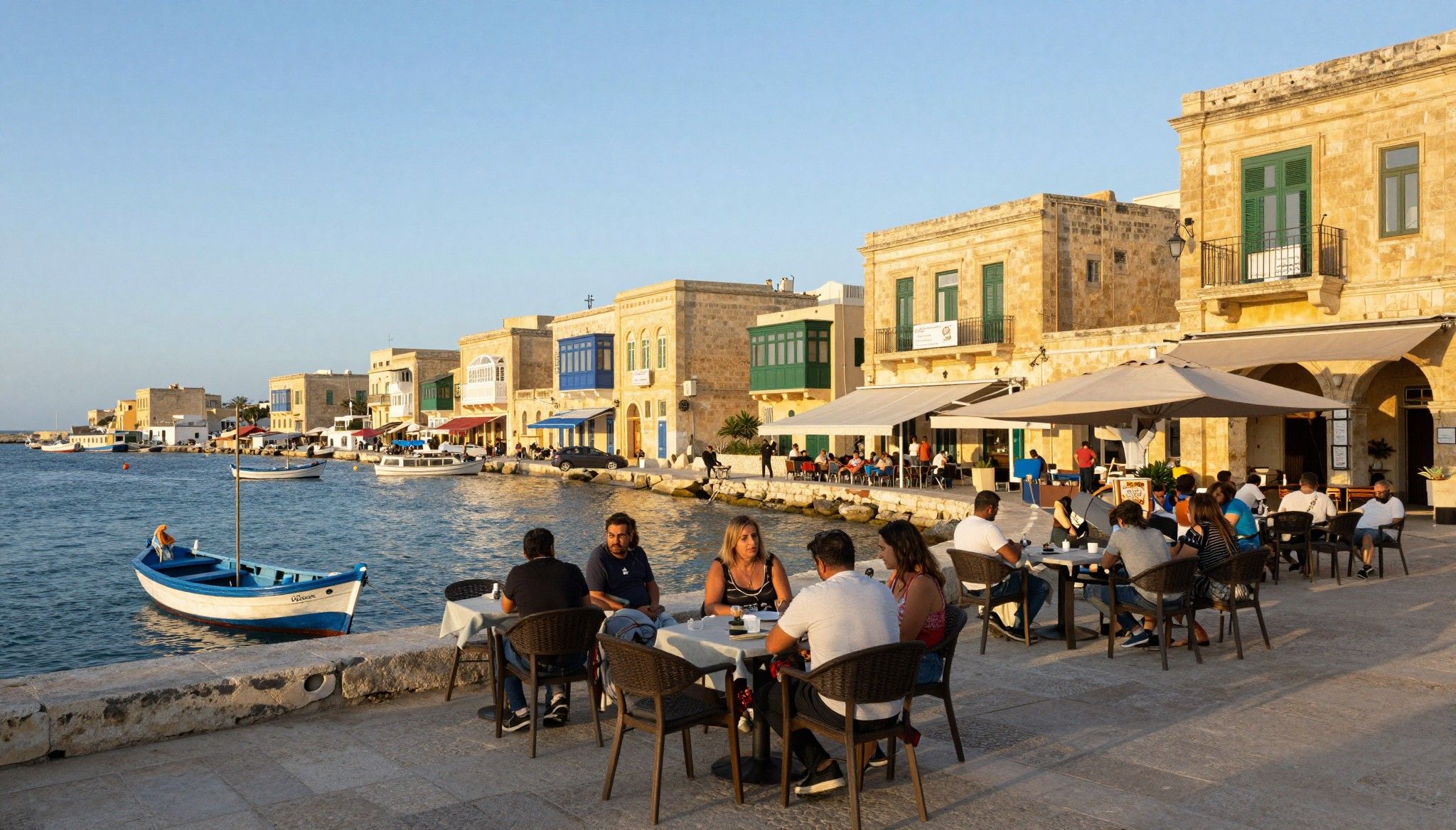
Imagine sipping espresso at a shaded table on Limassol’s Anexartisias Street, then walking ten minutes to a sea-front plot where cranes sketch new skylines. Cyprus feels small, bright and immediate — a place where village tavernas and new coastal developments sit cheek by jowl. For international buyers that charm is the lure; the regulatory ground beneath it is the test.
Living Cyprus: sunlit rhythms and real streets
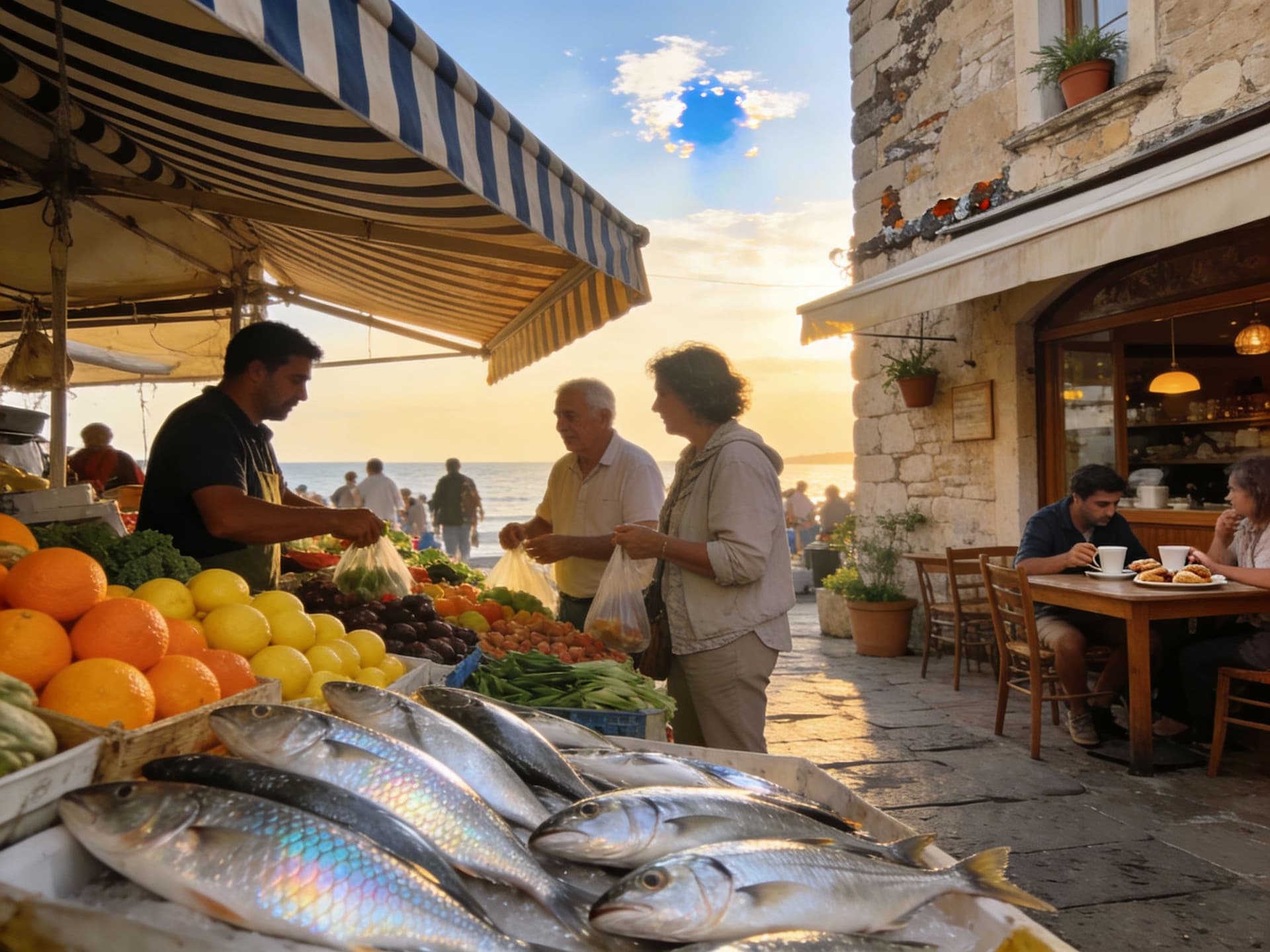
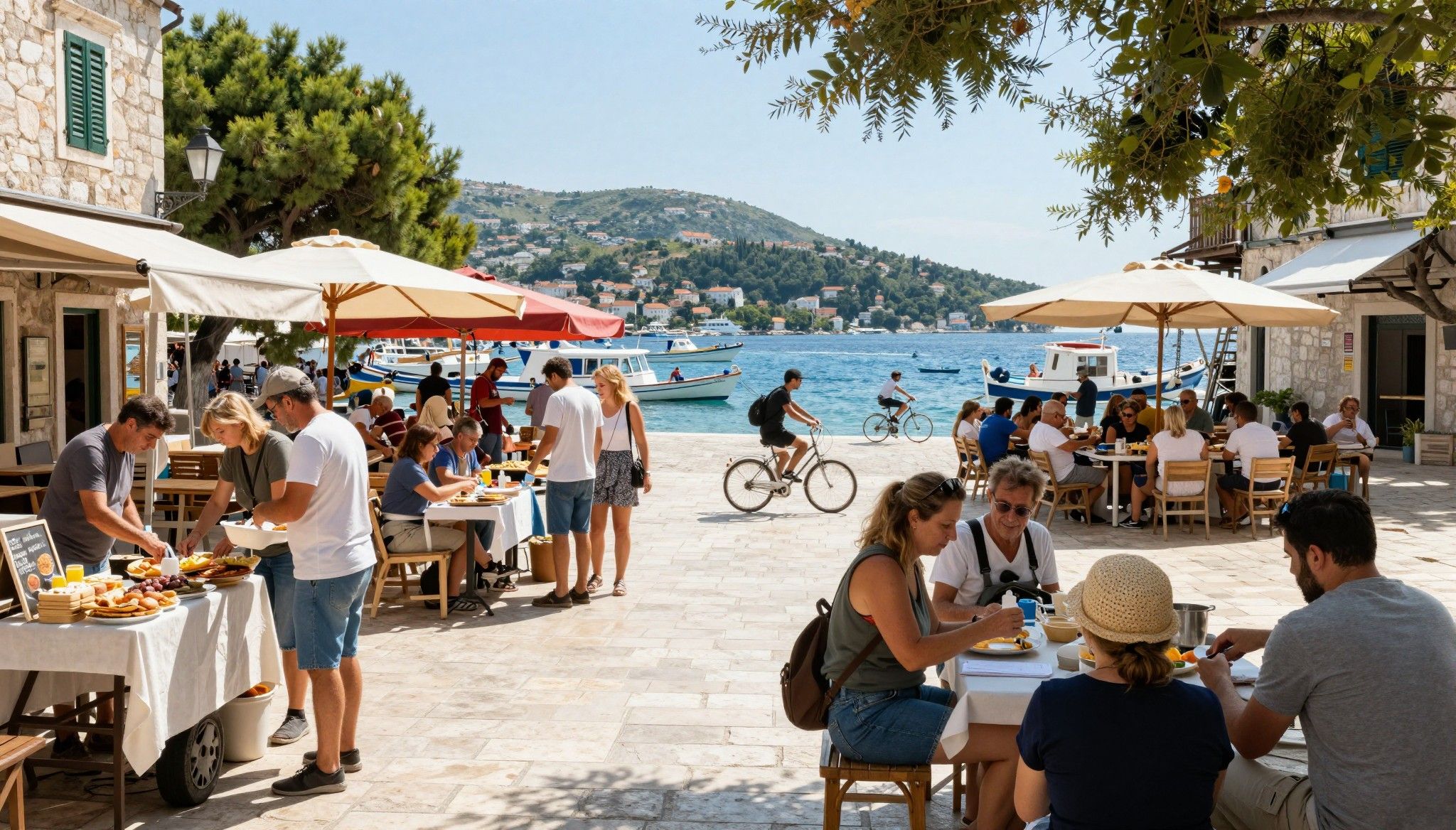
Daily life in Cyprus is tactile: morning markets in Nicosia’s Ledra Street, fisherman’s cafés in Larnaca on Phinikoudes, and slow Sundays in Paphos’ old town where stone meets sea. Neighborhoods are defined by small scales — a bakery, a municipal square, a particular barista — not by anonymous towers. That scale matters when choosing a property: urban living offers walkable routines; coastal villas deliver seasonal flux and higher maintenance realities.
Limassol’s dual personality: old town and new coast
Limassol is a study in contrasts. The old port and market streets still pulse with local life; the marina and seafront developments show the island’s international face. If you crave café culture and proximity to restaurants, the old town’s Levkosia Street and nearby Agioi Anargyroi neighbourhoods win. If you want a modern waterfront lifestyle, consider the Marina and Germasogeia — but expect higher community fees and developer-led covenants.
Village life: Troodos and the mountain villages
Two hours from the coast, the Troodos villages offer a different tempo: stone houses, chestnut festivals, and community life centred on the church square. Properties here are older and often need renovation. That can be part of the appeal — authentic material, lower price entry, and year-round life — but budget for insulation, plumbing upgrades and seasonal heating before you fall in love with the view.
- Lifestyle highlights: Anexartisias café scene (Limassol); Finikoudes promenade (Larnaca); Paphos Old Town tavernas; Kouklia vineyards weekend trips; local fish market at Larnaca Marina
From dream to deed: how the rules change the dream

The lifestyle you imagine must be weighed against three practical realities: tax and transaction structure, residency expectations, and title clarity. Recent guides and firm reports show predictable patterns: VAT and transfer fee rules materially affect costs; the old citizenship-by-investment route is closed; and land registry processes remain the friction point buyers most underestimate. These are not abstract obstacles — they change what you can afford and how quickly you can move in.
Residency reality: citizenship schemes and what remains
Important myth to dispel: Cyprus no longer sells citizenship through the 2020 ‘golden passport’ programme. The scheme was abolished and subsequent legal changes removed cabinet powers to grant such passports. What remains are standard residency routes and limited permanent residency-by-investment options that require proof of income, local presence, or business activity — not simple cheque-book solutions. Expect scrutiny and paperwork when residency is a primary goal.
Taxes and transaction costs that reshape budgets
Two practical rules most buyers miss: new-builds often attract VAT (standard 19%), while resales normally face transfer fees on a sliding scale (3%–8%) — but not both. Recent guidance also changed reduced-VAT conditions for primary residences. In short: whether a project is sold as new or resale will change your transaction bill by tens of thousands of euros. Factor 7–12% extra for taxes and incidental fees in your budget, and confirm VAT status early.
- Steps to prevent budget shock: 1) Ask the developer for VAT vs. transfer-fee confirmation; 2) Require a recent Land Registry value report; 3) Budget for stamp duty, legal fees and municipal levies; 4) Confirm capital gains and rental tax treatment with a local tax adviser
Insider knowledge: what expats wish they'd known
Expats often tell the same story: they fell for a sunlit view, bought quickly, and then met the paperwork. The recurring regrets are not about climate or food; they are about titles without deeds, communal regulations they hadn’t read, and under-budgeted renovation needs. That practical friction turned a romantic purchase into a protracted project. Knowing the right questions before signing shortens that timeline and preserves the lifestyle you imagined.
Cultural cues that affect where you live
Cypriot life is community-centred. Expect neighbourly directness, slower municipal processing, and local festivals that close main streets for a day. Learning a few Greek phrases and joining a local club will change your experience more than splurging on a sea-view terrace. For buyers, that means choosing a neighbourhood where you see yourself at the Sunday market, not just in glossy photos.
Long-term considerations: maintenance, resale and local demand
Properties in tourist-facing towns can produce rental income but need proactive management. Mountain retreats may hold value for lifestyle buyers but face narrower resale pools. Structuring ownership (personal name vs company) affects taxes and exit options. Ask how your intended use — full-time living, holiday, or letting — aligns with the legal structure you’re offered.
- Insider checklist before an offer: verify title deeds; confirm VAT or transfer-fee status; request a municipal rates statement; get a recent land registry valuation; confirm coastal building setbacks and Natura 2000 restrictions where applicable
- How a local agency adds value: 1) They flag title irregularities and missing deeds; 2) They interpret community covenants; 3) They connect you to reliable legal and tax advisers; 4) They advise on seasonality for rentals and property maintenance
Cyprus offers a life that is immediate and sensory: markets, beaches, and a slower social tempo that many global buyers crave. The regulatory landscape has one clear lesson — charm buys you desire, but paperwork buys you certainty. Confirm VAT status, check deeds, and engage advisers who know the island’s small-scale realities.
If you’re ready to explore, start by mapping the life you want (daily routine, neighbours, year-round vs seasonal use). Then ask three practical questions: is the deal VAT or transfer‑fee based; are deeds clean and current at the Land Registry; and what residency route — if any — will this purchase support? Answering those will protect both lifestyle and capital.
Next steps: meet a bilingual lawyer experienced in Cyprus conveyancing, ask your agent for published municipal charges and recent land registry extracts, and schedule neighbourhood visits outside peak season. These simple actions convert romance into responsible ownership — and help you actually live the life Cyprus promised.
British expat who relocated to Marbella in 2012. Specializes in rigorous due diligence and cross-border investment strategies for UK and international buyers.