France: Live the Life, Respect the Rules
Fall in love with France’s daily life—then close with confidence: current INSEE trends, tax realities and five clear pre‑purchase steps for international buyers.
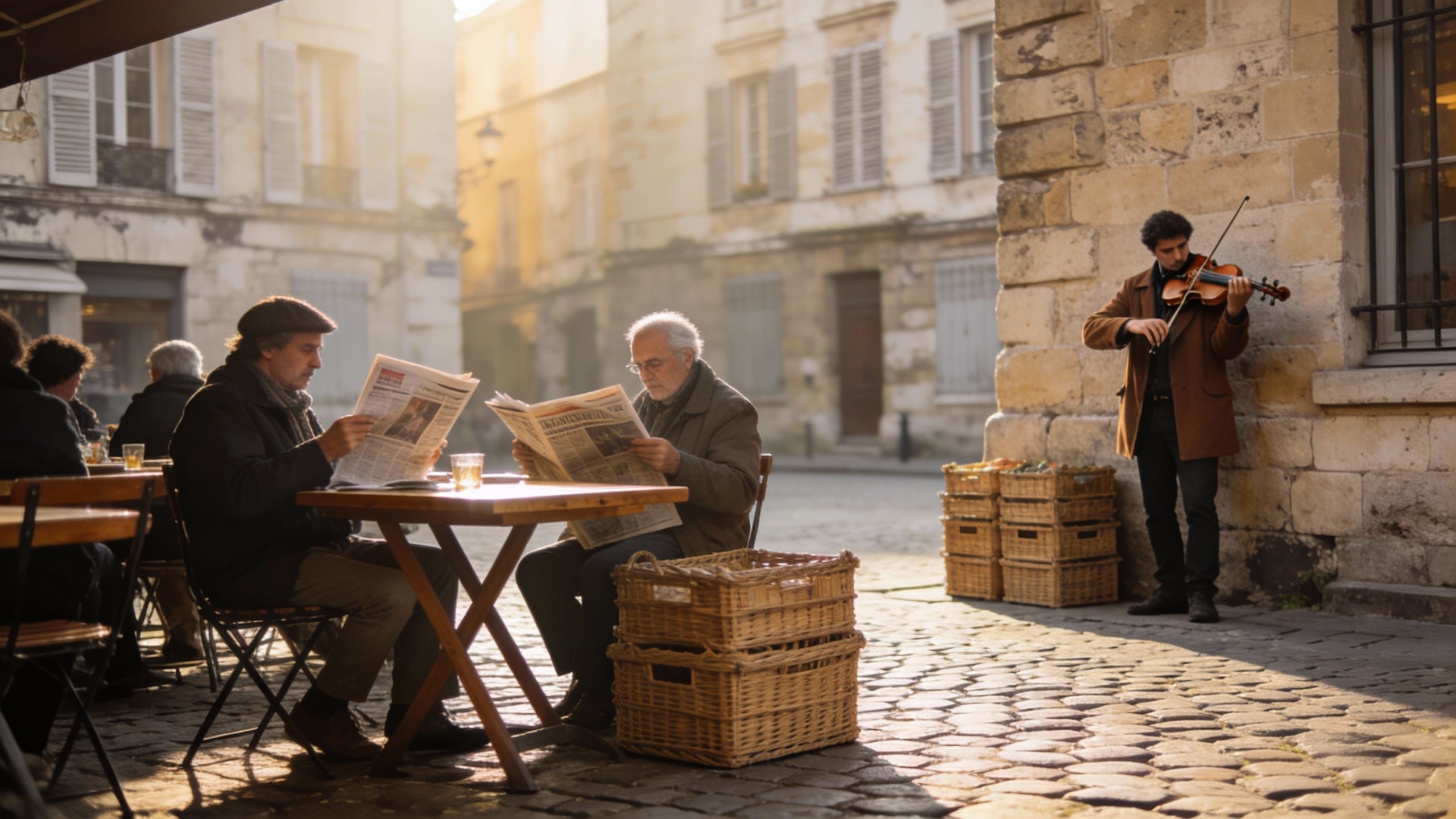
Imagine morning coffee at Café de Flore, a Saturday marché on Rue Cler, and a weekday walk along the Seine before heading back to a comfortable apartment that feels undeniably French. That image is why buyers fall for France—its rhythm, markets, and public life feel designed for daily pleasure. But the paperwork, taxes and residency rules are the other half of the equation; they shape when, where and how that life becomes yours. This guide pairs the lived experience with current regulatory facts so you can move from dreaming to owning with fewer surprises.
Living France: the everyday that sells a home

France is quieter and more tactile than the glossy postcard. Mornings are market-run; afternoons belong to cafés and small shops; evenings drift toward long dinners. Whether you choose Parisian arrondissements, Bordeaux’s Left Bank, Lyon’s traboules, or the quiet lanes of Languedoc, the daily pattern matters more than the headline price per square metre. Lifestyle choices—proximity to a market, a boulangerie, a tram line—translate directly into what kind of property you should target.
Neighborhoods that teach you how to live
Le Marais feels lived-in at any hour; shops open early, galleries close late, and older buildings often hide well‑finished flats. In Marseille, Le Cours Julien pulses with cafés and street art but can be noisy; for calm on the same coast consider Endoume near Vallon des Auffes. In Nice, Promenade‑side luxury contrasts with the quieter residential streets of Fabron—both offer sea proximity, but different daily rhythms. Picking a district is choosing the tempo of your life.
Food, markets and weekend rituals
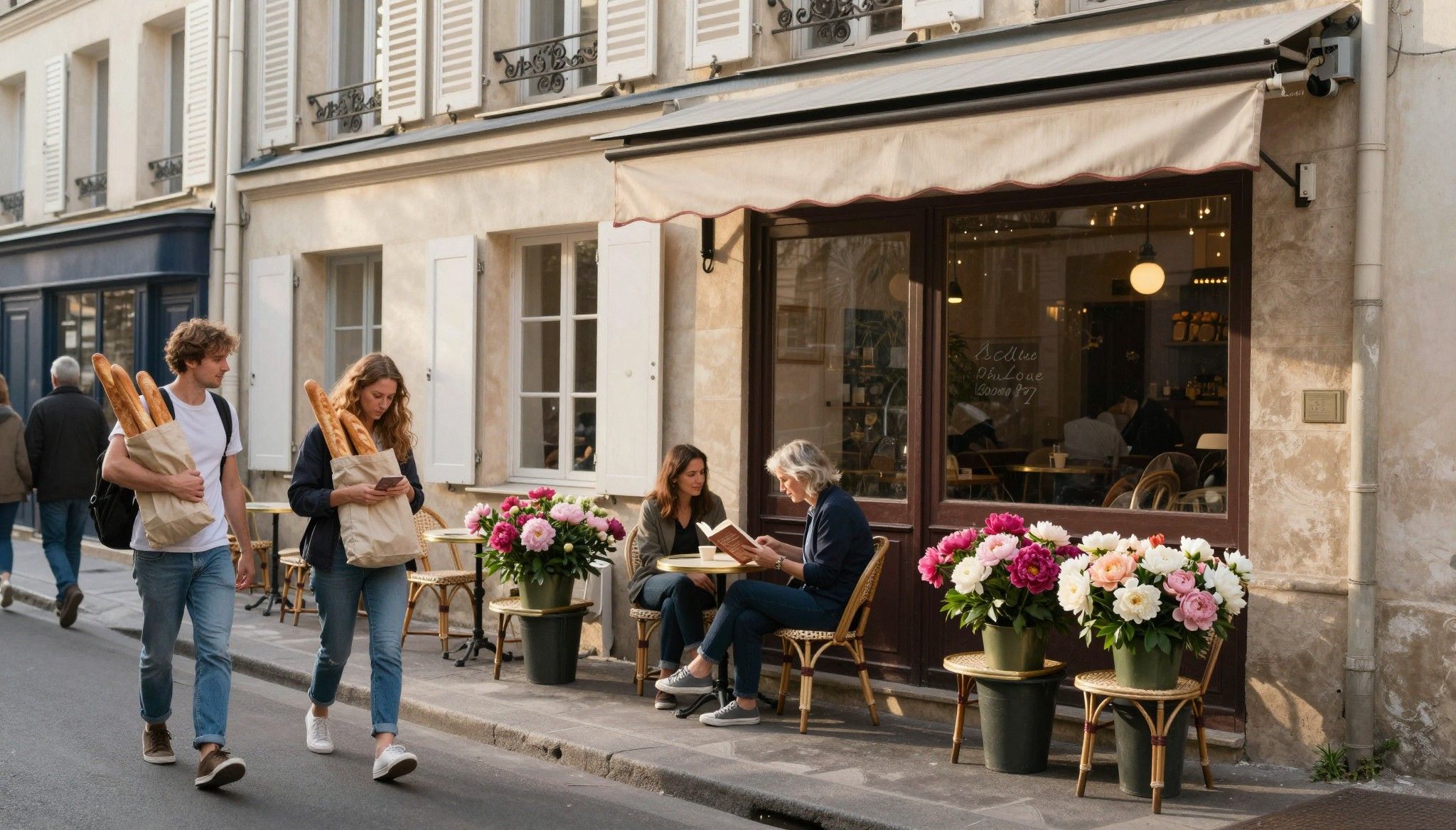
Markets matter. A Saturday marché reassures future buyers: local produce, friendly stallholders and a visible community. Coastal towns lean toward outdoor life and seafood markets; inland villages center around weekly markets and mairie-run events. These rhythms influence renovation priorities (kitchen size, storage, outdoor dining) and longer-term value: properties steps from markets rarely lose their everyday appeal.
- Market-driven lifestyle highlights:
- Rue Cler market strolls (7th arrondissement, Paris) — daily food life within walking distance
- Cours Julien (Marseille) — creative scene, cafés, late-night energy
- Fabron residential beaches (Nice) — quieter seaside living with local bakeries
Making the move: practical legal and tax realities

The romance of French life meets clear fiscal rules. Non-residents pay local property taxes, and secondary-residence rules still apply—residence tax on main homes was removed in 2023 but secondary homes remain taxable. Understand early which taxes apply to your intended use: full-time resident, seasonal owner, or long‑let investor. That choice changes cashflow projections and long-term costs.
What to expect on taxes and recurring costs
Prices across France have stabilised and shown modest growth in recent quarters according to INSEE—this matters because tax bases and mutation fees respond to recent indices. Expect property taxes (taxe foncière), possible taxe d’habitation for second homes, and management fees if the property sits in a copropriété. Budget for 1.5–3% of purchase price per year in carrying costs as a conservative starting point, adjusted for region and property type.
How local expertise changes outcomes
- Work with a notaire and an agency that knows the arrondissement or village: they explain local copro rules, typical renovation permissions and recent comparable sales. Hire a bilingual tax adviser for cross-border tax treaties and the non‑resident tax return. Insist on written estimates for ongoing charges and check the syndic’s meeting minutes if buying in a block. These steps reduce post‑purchase surprises and preserve the lifestyle you paid for.
Insider knowledge: contrarian truths expats learn too late
Two realities surprise buyers: French inheritance law and seasonal market rhythms. France enforces forced heirship—your ability to bequeath differs from common-law countries—so estate planning is essential if the property will stay in the family. Also, the most photographed neighbourhoods can be the most ill‑suited for daily life; the best long‑term choices are often one street away from the postcard view.
Cultural and legal red flags to watch for
- Unresolved copro debts: check syndic minutes and last three budgets
- Non‑declared alterations: confirm permits for extensions and historical façades
- Inheritance constraints: understand reserved portions before drafting a will
Steps to turn the dream into a defensible purchase
- 1) Verify property title and charges with a notaire; 2) Request last three years of copro accounts if applicable; 3) Obtain a pre‑purchase diagnostic (DPE, plomb, amiante as relevant); 4) Clarify tax treatment with a non‑resident tax adviser; 5) Agree a completion timeline that accounts for notaire and bank paperwork. Each step protects both lifestyle expectations and capital.
France sells a life as much as a roof. The right street, the right market, and the right practical checks combine to make that life durable. Start with a neighbourhood visit that includes a market morning, a weekday walk and an evening meal. Then bring in a local notaire and a bilingual tax adviser before you sign. That sequence preserves the romance while limiting regulatory and financial risk.
Norwegian market analyst who serves Nordic buyers with transparent pricing and risk assessment. Specializes in residency rules and tax implications.