France: Streets, Not Headlines — Life‑First Buying
Fall in love with France’s streets, not headlines: match lifestyle pockets to residency, tax rules and local regulations to buy with confidence.

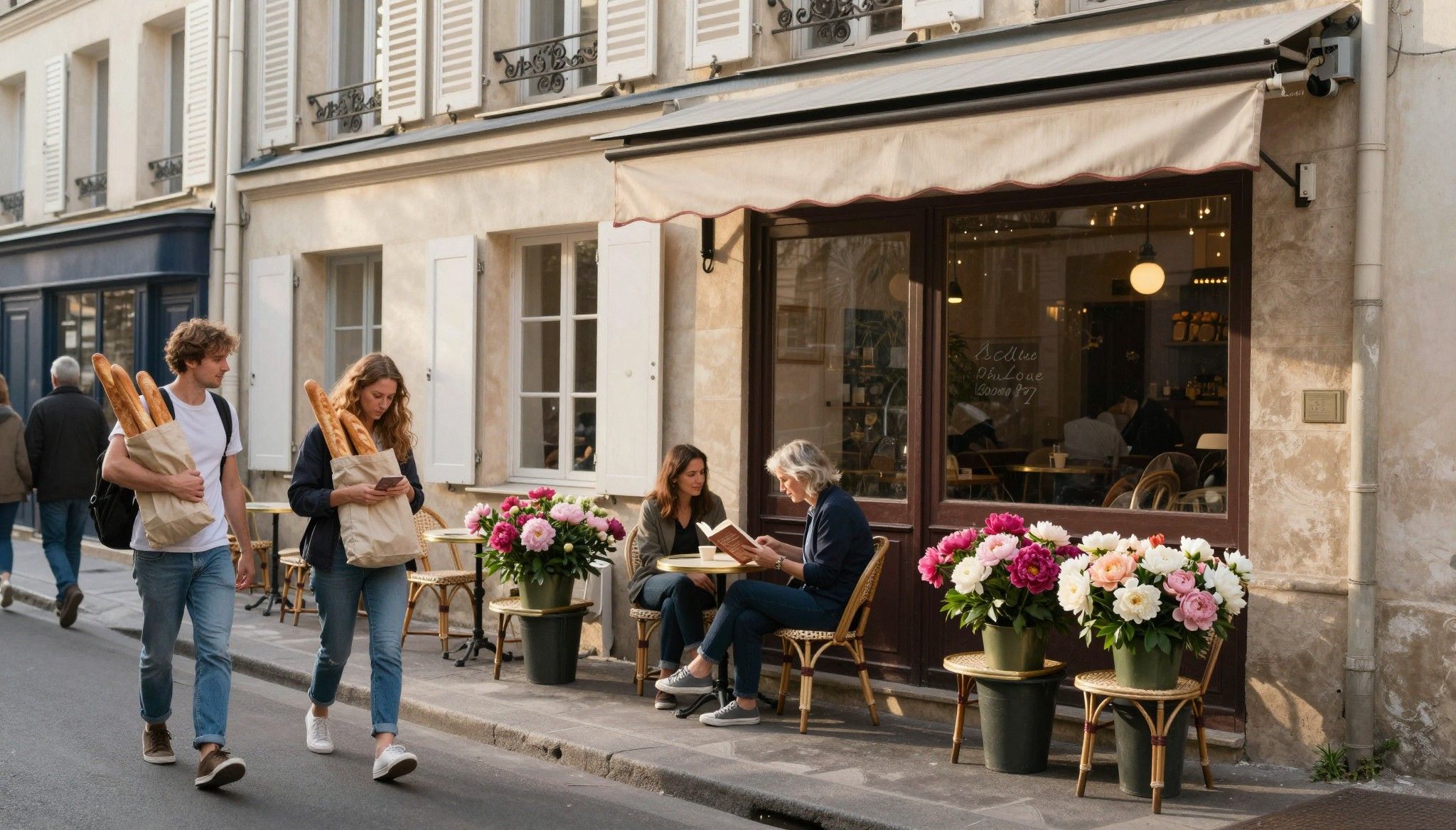
Imagine an early Saturday in Paris: you walk from a narrow rue in Le Marais, pass a bakery steaming with pain au chocolat, and find a small antique shop where locals trade stories. That rhythm — markets, cafés, short walks, quiet afternoons — is the everyday France many buyers dream of. But the lived experience often diverges from headlines about “expensive” cities. The real surprise for international buyers is how lifestyle pockets, seasonal patterns and legal quirks open unexpected buying windows. Read on for the parts of France the postcards miss and the regulatory realities that will shape your purchase.
Living the French Life: How it Feels — and Where
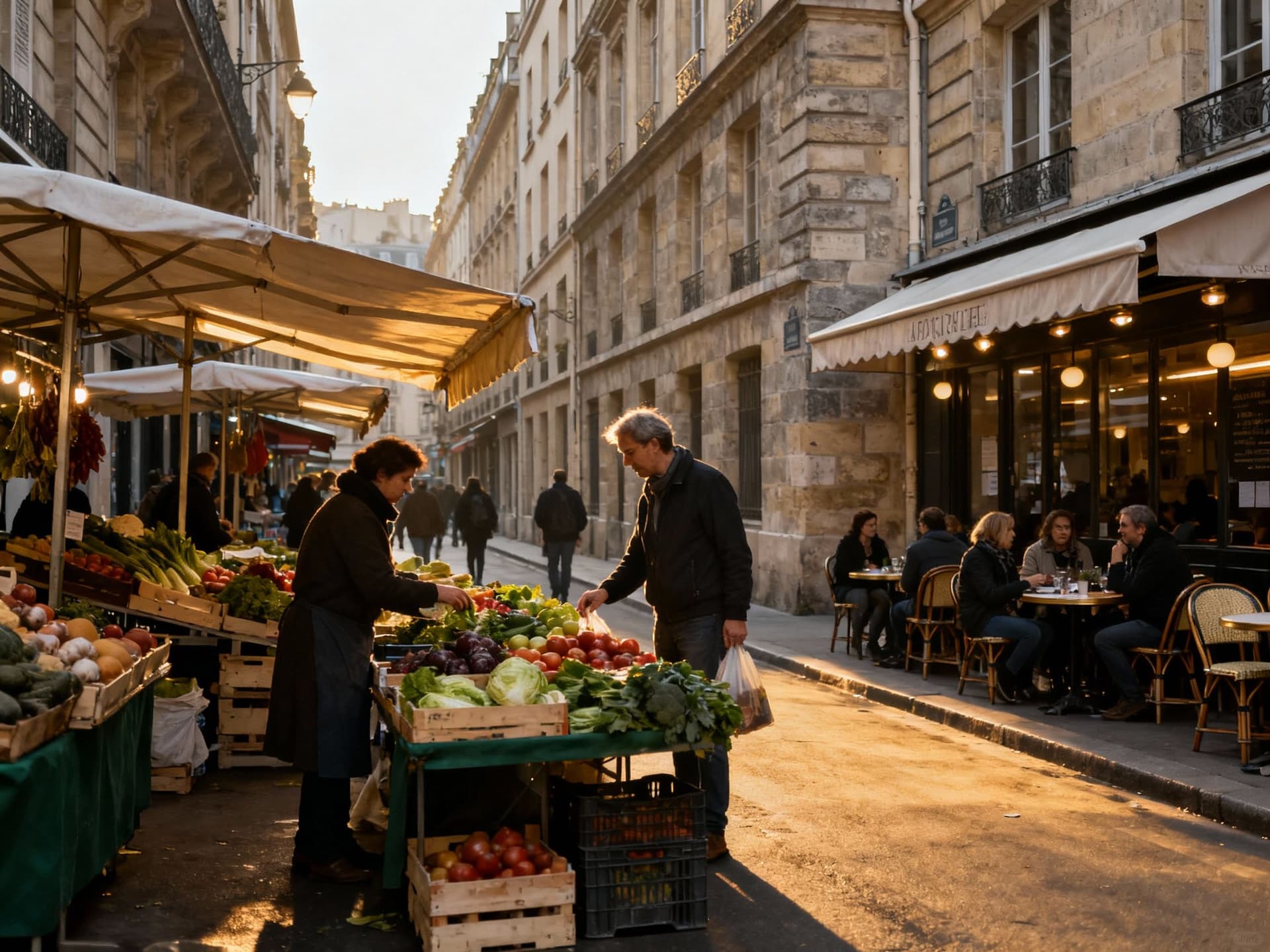
France is a country of short journeys and layered neighborhoods: narrow medieval lanes in Lyon’s Vieux-Lyon, wide promenades in Nice, vineyards that dissolve into villages in Provence. Daily life pivots around markets (Marché d'Aligre in Paris, Marché Forville in Cannes), boulangeries that set morning timetables, and cafés that double as offices for freelancers. Climate and seasonality rewrite rhythms — Atlantic surf towns bustle differently from Alpine ski villages — and that matters for both how you live and the type of property that fits your life. Behind the charm, demographic data and housing surveys show varied demand across regions, so you match atmosphere to durability, not just to a view.
City pulse: Paris, Lyon, Bordeaux — streets that define life
Paris is not a single market; it is a dozen. Le Marais and Saint-Germain host compact apartments and a walkable daily life. In Lyon, Croix-Rousse and the Presqu’île mix artisan shops and family apartments where school runs are short. Bordeaux neighborhoods around Place de la Bourse have seen a steady influx of buyers drawn to urban wine-country living. Each district’s cadence affects maintenance needs, rental demand and long-term desirability — and thus the legal and tax structures you should expect when buying.
Coast and country: Riviera, Dordogne, Brittany
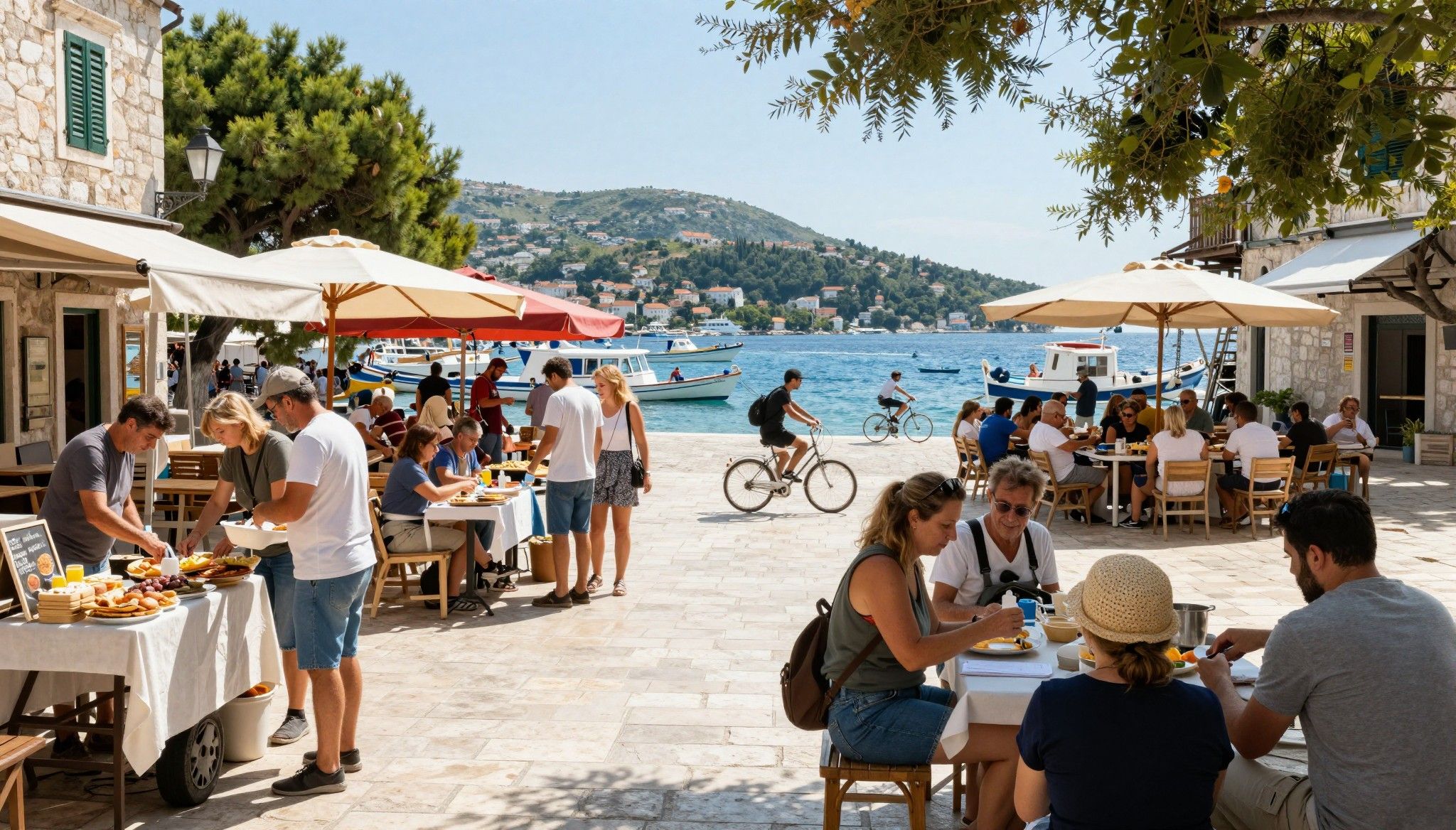
The Côte d'Azur feels like an extended summer; Nice, Antibes and smaller towns such as Villefranche-sur-Mer offer Mediterranean light and a tourist calendar that inflates short-term rental potential. Dordogne and Lot present slower routines: markets, châteaux, and properties with restoration needs. Brittany and the Atlantic coast put surf and seafood first, with weather that rewards hearty materials over ornament. These lifestyle differences translate into regulatory and tax trade-offs — tourist zones mean stricter rental rules; rural communes offer renovation incentives but slower resale markets.
- Market-and-life highlights: Marché d'Aligre (Paris) for food culture; Café de Flore (Saint-Germain) for lingering mornings; Forville market (Cannes) for coastal produce; Place du Capitole (Toulouse) for regional festivals; the beaches of Biarritz for year-round surf community.
Making the Move: Practical Considerations that Protect the Lifestyle

Lifestyle appeal and regulatory reality must travel together. Residency options, local taxes, and municipal regulations will decide whether a seaside terrace becomes a steadier income source or a holiday headache. Start with residency rules if you plan extended stays; your visa status affects tax residence and, in turn, liabilities on rental income and capital gains. Practical planning — from choosing the right notaire to confirming cadastral boundaries — keeps the dream intact and prevents costly surprises.
Property types and what they mean for daily life
Stone townhouses in Aix or restored farmhouses in Dordogne offer character but often require ongoing renovation. In contrast, modern apartments in Nantes or Lille demand less upkeep but sit inside co-ownership (copropriété) regimes with monthly charges and collective rules. If you prize long, social dinners on terraces, confirm terrace rights and local urban planning rules. If you imagine winter weekends in the Alps, verify insulation standards and local heating systems. Technical surveys and a local architect’s eye are lifestyle insurance.
How local experts secure lifestyle outcomes
- Work with a French notaire early to confirm title and servitudes. Use a trusted syndic for copropriété history and monthly charge forecasts. Commission a diagnostic immobilier (mandatory technical checks) before signing compromis. Engage a local tax adviser to estimate taxe foncière and revenus fonciers implications. Ask your agency to map nearby daily needs — markets, schools, transport — not just resale comparables.
Insider Knowledge: The Rules Expats Wish They’d Known
Two practical truths cut across region and romance. First, municipal regulations and seasonal classifications can limit short-term rental earnings in cities and tourist zones. Second, tax residence — determined by personal ties and time spent in France — can change how your rental income and capital gains are taxed. International buyers who assume low oversight on holiday lets or expect simple tax calculations regularly find themselves renegotiating budgets after purchase. Preparing for these rules preserves both cashflow and the lifestyle you bought.
Cultural and administrative integration
Language matters for daily life and for paperwork. Local mairie offices, syndic meetings and tradespeople more readily help buyers who make basic French efforts. Join market days and local associations — they speed your integration and surface unofficial advice on renovation, waste days, and parking rules. These social practices shape where you choose to live and how sustainably you maintain a property.
Long-term: how a lifestyle choice ages as a sound investment
Think in neighborhoods, not towns. A charming street with stable long-term residents and local shops usually outperforms transient tourist strips over a decade. Pay attention to transport improvements, school openings and municipal plans — these are the signals that convert lifestyle desirability into capital resilience. Your purchase should balance the life you want now with indicators that the place will remain lived-in and loved by locals in years to come.
- First steps for buyers who value both life and legal clarity: hire a fluent French-speaking lawyer for the sale, order diagnostics and land registry extracts early, budget for notaire and transfer taxes (stamp duties), and verify short-term rental rules with mairie if you plan tourists.
France is both a mosaic of daily rituals and a jurisdiction of specific rules. If you imagine mornings at a local marché and evenings on a shaded terrace, plan the legal map that lets those moments repeat. Work with local experts who speak of streets and statutes in equal measure. When lifestyle and law align, your French home becomes more than a purchase — it becomes a life you recognise. Reach out to agencies that prioritise both realities; they turn a promise into a practical, lasting plan.
British expat who relocated to Marbella in 2012. Specializes in rigorous due diligence and cross-border investment strategies for UK and international buyers.