France: Where lifestyle meets transfer taxes
Fall in love with French streets and markets — then budget department transfer taxes, notaire fees, and non‑resident capital‑gains rules that reshape true cost and timing.

Imagine waking to a boulangerie on Rue Cler, buying oysters at Cap Ferret at noon, and closing on a stone farmhouse in Provence before dinner. France sells that daily-life fantasy convincingly—markets, cafés, and a public culture that rewards slow mornings. But the practical side — transfer taxes, non‑resident capital‑gains rules, and visa realities — quietly reshape which neighbourhoods truly suit long-term buyers. This guide walks the gap between the lived-in romance and the legal facts every international buyer must budget for.
Living the French life — sensory guide

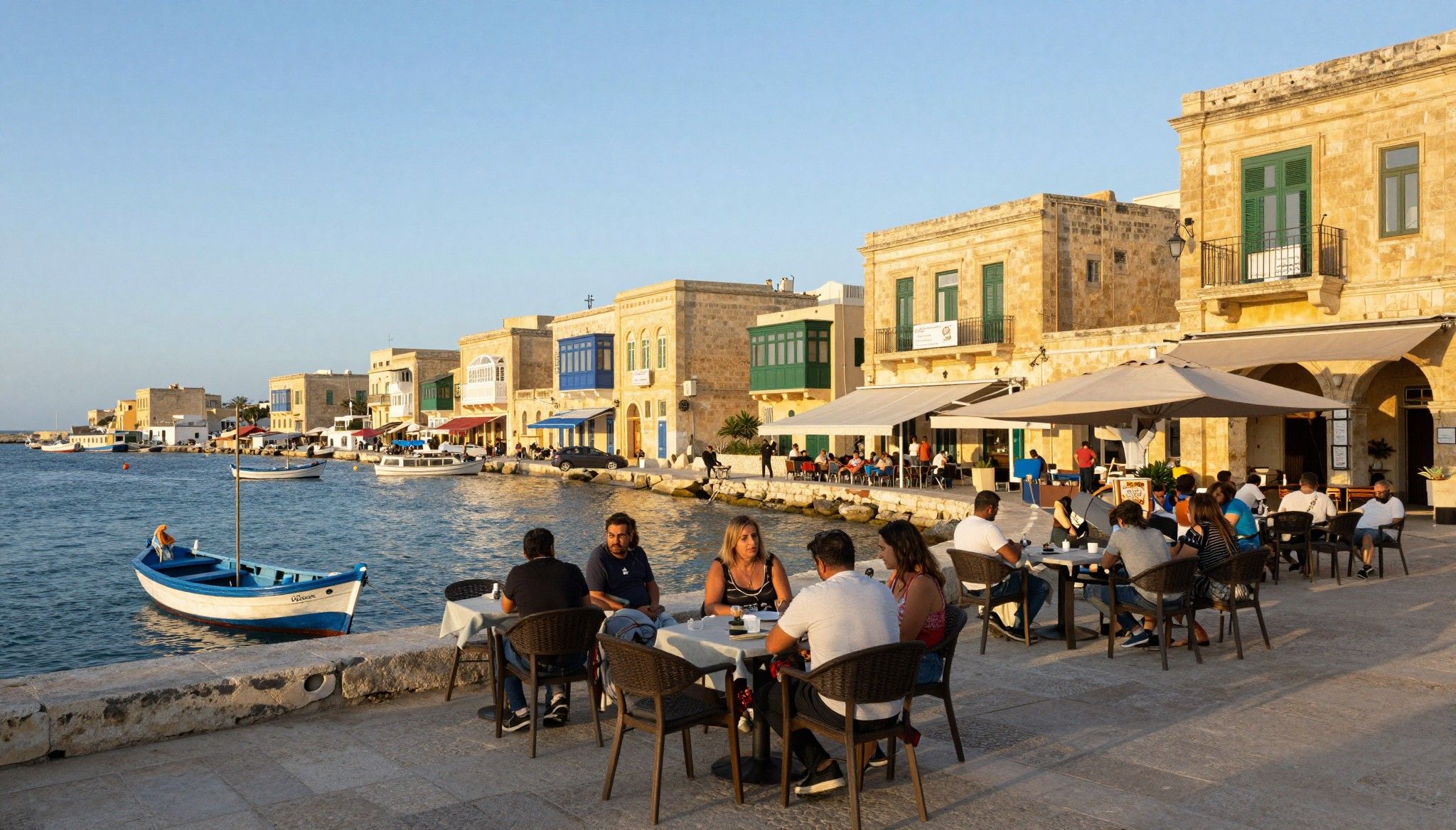
France is not a single mood: mornings in the Marais hum with espresso and dog‑walkers, while evenings on the Côte d'Azur slow to a warm, salted hush. Street life matters here; cafés, markets and squares are the social infrastructure. When you choose a place to live, you’re buying that rhythm as much as square metres. That rhythm should shape what property you consider — an apartment near Marché d'Aligre will offer daily ritual, a village house in Dordogne buys you rural quiet and a different set of community norms.
Neighbourhood focus: Paris vs provincial towns
Parisian living trades space for immediacy: short walks to theatres, markets, and metro, but expect strict rental regulation and high purchase prices. In contrast, towns like Aix‑en‑Provence, Biarritz or Annecy deliver outdoor life and regional festivities that punctuate the year. For buyers, that translates into different investment profiles: capital preservation and liquidity in city cores, and lifestyle yield — space, outdoor access — in regional markets.
Food, markets and seasonal life
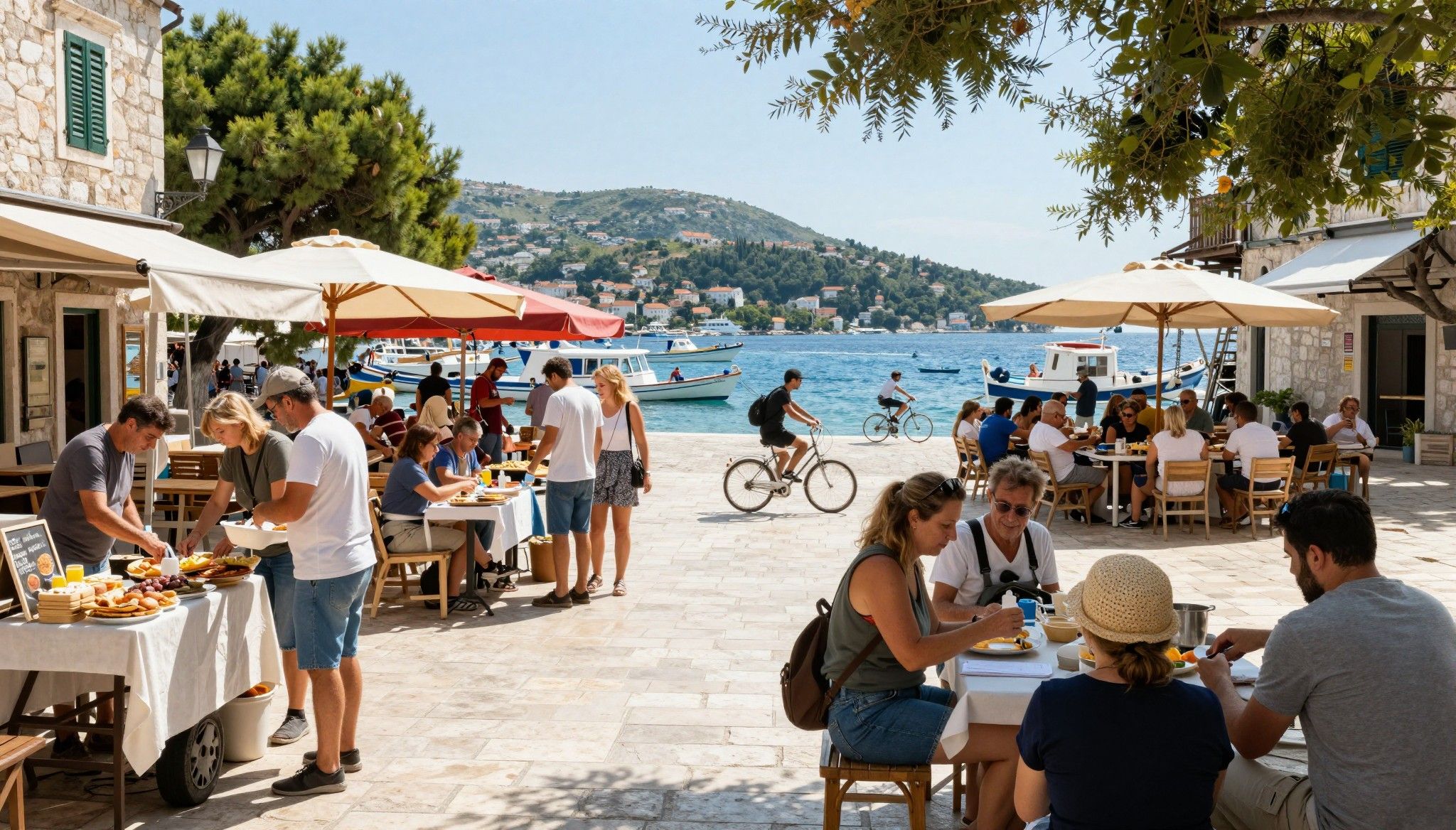
Weekends are market days: Île‑de‑Ré oysters, Lyonnaise charcuterie, or Corsican cheeses define daily plans. Festivals — Fête de la Musique in June or harvest fêtes in autumn — reshape local demand for short‑lets and hospitality services. If you plan to rent seasonally, account for local licensing rules and strong peaks in occupancy that differ markedly between ski resorts, Riviera towns and rural wine regions.
- Lifestyle highlights to visit before you buy: Marché d'Aligre (Paris); Place aux Herbes (Uzès); Boulevard de la Croisette (Cannes); Cap Ferret market; Saint‑Germain cafes.
Making the move: practical realities that matter

The romance of a terrace in Provence meets a hard budget line when notaire fees and transfer taxes enter the conversation. For older properties expect roughly 7–8% of the purchase price in acquisition costs; new builds are materially cheaper at about 2–3%. Recent law changes allow departments to raise the transfer tax to 5% in some areas, adding hundreds or thousands to acquisition budgets depending on location. Factor these costs in early: they change neighbourhood affordability fast.
Why department-level transfer taxes change the map
Because French transfer taxes (droits de mutation) are set at department level within national limits, two adjacent towns can present different effective purchase costs. Since April 2025 some departments adopted the higher 5% rate; others did not. That makes departmental research essential: identical homes can cost significantly more to buy simply due to local tax policy. For buyers, the upshot is strategic: look beyond headline price to true landed cost by department.
Property types and how they affect living plans
A Paris apartment buys access; a Provençal farmhouse buys land and weather; a ski‑resort chalet buys seasonal revenue but also high maintenance and strict building rules. Buy the lifestyle first, then the structure. Think about insulation, heating (important in older stone houses), and outdoor access. Local conservation rules often limit extensions in historic villages — factor renovation feasibility early.
- Step‑by‑step purchase essentials blending lifestyle and compliance: 1) Visit target neighbourhood across seasons; 2) Ask local notaire for department transfer tax rate and exact acquisition cost; 3) Check planning constraints with mairie (local council); 4) Obtain mortgage pre‑approval and proof of funds; 5) Engage a local bilingual lawyer or buyer’s agent to review title, servitudes and diagnostics.
Insider knowledge: taxation, residency and the non‑obvious traps
Two technical truths most buyers miss: owning property does not equal residency, and capital gains rules for non‑residents have nuanced reliefs. You can buy freely as a foreigner, but to live more than 90 days you still need the correct long‑stay visa and then a carte de séjour. On sale, non‑residents generally face a 19% income‑tax rate on gains plus social contributions, though EEA‑affiliated sellers may pay reduced social levies (around 7.5% instead of 17.2%).
Residency reality: property helps your story, not your visa
Many buyers assume a big purchase gives leverage with immigration services. It helps narratively — proof of accommodation and means is useful — but there is no French golden‑visa-for‑property scheme. Expect to apply for a visa that fits your situation (visitor, retiree, entrepreneur), validate your VLS‑TS when you arrive and, if you intend to stay long term, transition through the prefecture to a residence permit. Plan immigration steps independently of property timing.
Hidden tax traps and sale planning
- Key tax pointers for long‑term planning: Confirm whether you qualify for reduced social contributions (EEA affiliation); check how claimed amortisation on furnished rentals can inflate taxable gain; beware surtaxes on gains above €50,000; appoint a tax representative if selling above certain thresholds. These are not theoretical — they materially change post‑sale proceeds and should shape holding period strategy.
A practical final truth: the best agency is the one that translates neighbourhood rhythm into legal clarity. Choose advisers who can read local planning files, explain department transfer tax decisions, and model post‑sale tax outcomes for your residency status. That way, the village bar becomes part of a coherent plan — not a surprise cost.
Danish investment specialist who relocated to Costa del Sol in 2015. Focuses on data-driven market timing and long-term value for Danish buyers.