When Greece Raised the Golden‑Visa Bar — Buy Outside the Postcard
Greece’s new Golden Visa rules pushed demand into prime islands; smart buyers now find better lifestyle value in restored towns and non‑postcard streets backed by targeted legal checks.

Imagine walking a quiet, sun-warmed lane in Chania as bakers load warm koulouri into baskets and fishermen repair nets on the quay. In Greece, days begin with espresso and end with late dinners, but what most international buyers miss is how legal changes—like recent Golden Visa reforms—reshape where that life is affordable and permitted.
Living the Greece life — textures, streets and seasons

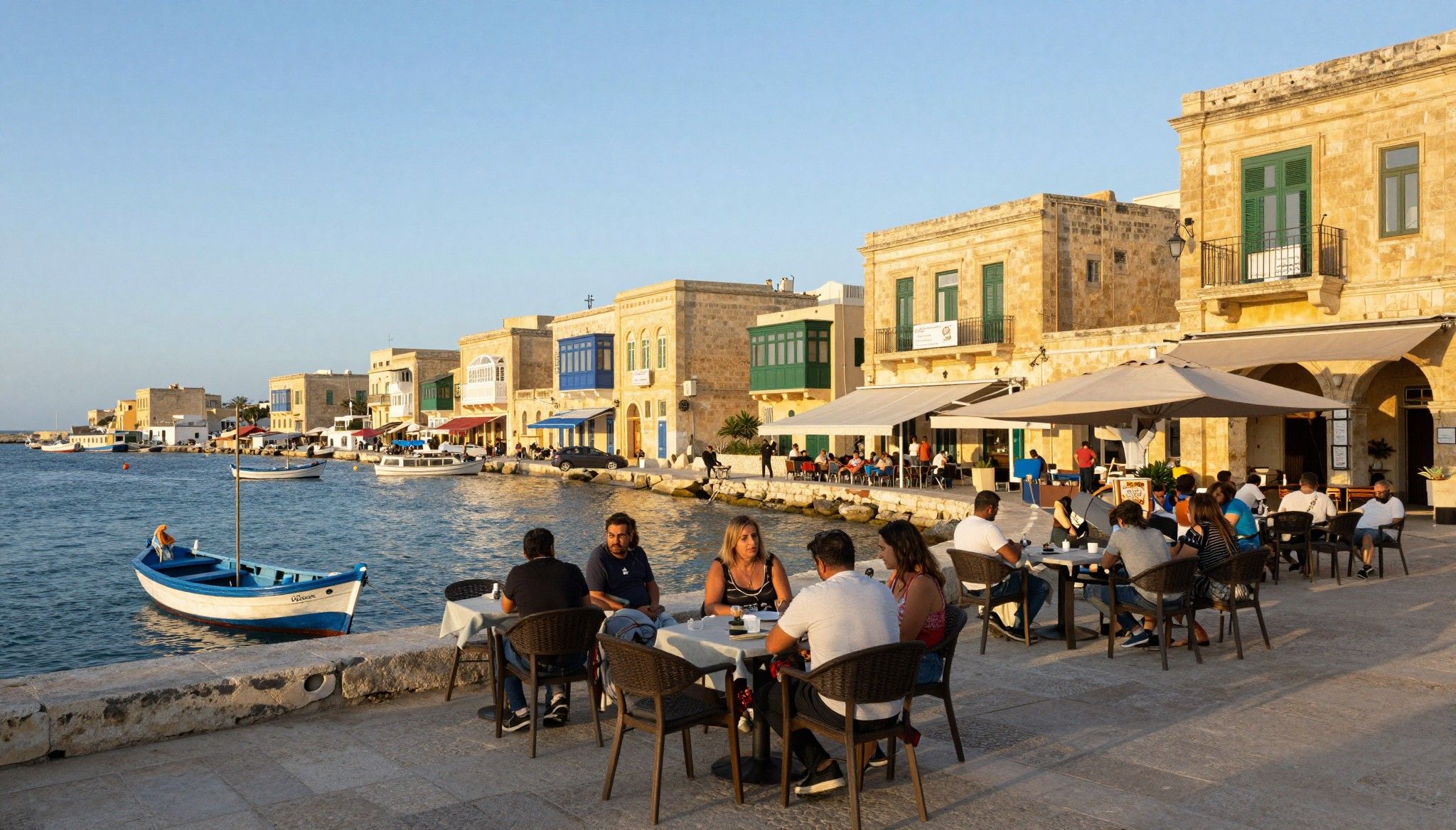
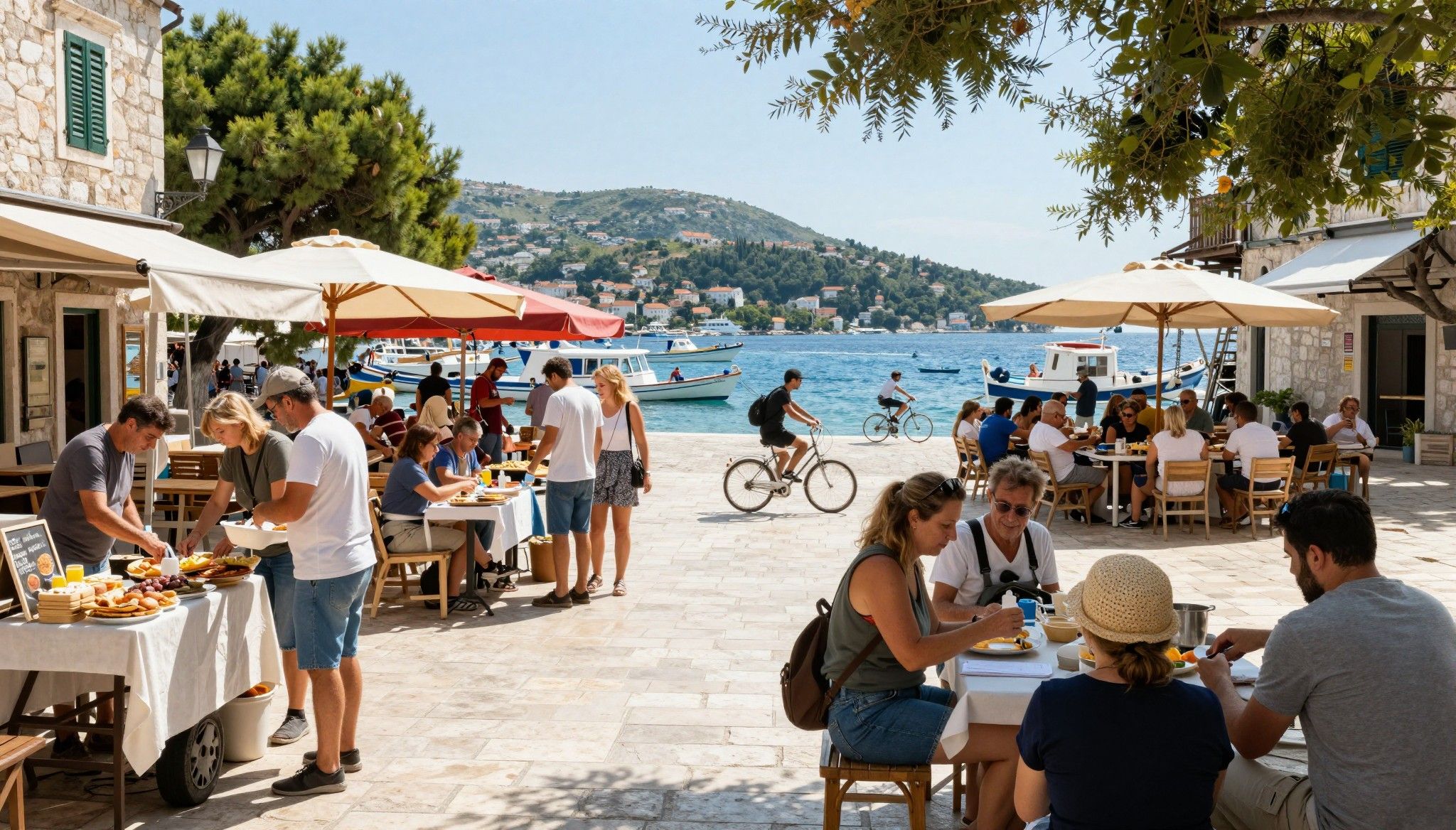
Greece is tactile: limestone pavements, bougainvillea-splashed balconies, market stalls scented with oregano and citrus. Athens’ Exarchia hums with small bookstores and kafeneia; Thessaloniki mornings revolve around bakery queues on Aristotelous Square; Crete’s north coast wakes to fishing boats and taverna chatter. Seasons matter: summers are dense with tourists and outdoor life, winters pull communities inward and reveal the quieter rhythms that make living here sustainable year-round.
Neighborhood spotlight: Koukaki, Athens
Koukaki sits under the Acropolis with narrow streets that still host neighbourhood vegetable stalls and small plates at dusk. Property here mixes neoclassical apartments with sympathetic renovations. For buyers, living here means 10‑minute walks to museums, a café culture that sustains daytime life, and streets that feel safely residential even when Athens is busy.
Food, markets and the rhythm of weekends
Weekend life in Greece is markets, long lunches and island escapes. In central markets — Varvakios in Athens or Modiano in Thessaloniki — you’ll learn where locals source fish, greens and cheese. These scenes determine what property features matter: a kitchen that works for market cooking, storage space for seasonal provisions, and a balcony that catches the last light at dinner.
- Lifestyle highlights: Varvakios market (Athens), Kafenio on Kydathinaion street (Plaka), Nea Chora beach (Chania), Aristotelous promenade (Thessaloniki), Mytilene waterfront tavernas, Sunday flea markets in local squares
Making the move: how regulation now reshapes choice
What felt like simple arithmetic a few years ago is now policy-driven. Greece raised minimum real estate thresholds for the Golden Visa, concentrating demand — and price pressure — in Attica, Mykonos, Santorini and other high-demand islands. That change turns many classic postcard areas into high-threshold markets and shifts opportunity to towns that deliver the Greek life at lower entry costs. Understanding these legal contours is the difference between buying a dream and buying a regulatory headache.
Property styles and what they mean in practice
Stone village houses, apartment blocks near seafronts and sympathetic restorations of listed buildings carry different regulatory and tax outcomes. New-builds may be subject to VAT rules, older properties to transfer tax. Under the new Golden Visa regime, only single-property purchases above defined thresholds qualify; conversely, restored listed buildings and conversions retain lower thresholds, which creates targeted opportunities for buyers willing to invest in renovation.
Working with local experts who know law and life
- Why the right local team matters:
- They map which islands or municipalities fall into the €800,000 zone and which remain at €400,000; they find listed buildings eligible for the €250,000 route.
- They check title and planning: historic properties often carry servitudes, restoration obligations and phased permits that affect resale and visa eligibility.
- They advise on tax posture: whether ENFIA, transfer tax or VAT applies, and how fire‑insurance reductions or new 2025 rules may change annual costs.
Practical checklist for buyers: 1) Confirm which Golden Visa zone the property sits in and whether it meets the single-property and 120 m2 rules. 2) Ask whether the sale is treated as VAT-able new build or as a transfer taxed at roughly 3.09% — this changes both upfront cost and future rental options. 3) Demand a specialist notary and an independent title search; many disputes stem from incomplete planning records or unresolved easements.
Insider knowledge: what expats wish they'd known
Expats often say: we underestimated administrative friction — translation of deeds, municipal office queues, slow cadastre updates. Others regret buying where agents sold ’sea view’ over 'resale marketability.' Recent law changes also mean some buyers bought expecting Golden Visa eligibility only to learn thresholds moved. These are solvable mistakes when you pair lifestyle criteria with legal checks.
Cultural integration and daily practicalities
Learning basic Greek etiquette — greetings in kafeneia, how tavernas handle orders, customary quiet hours on Sundays — speeds integration. Local doctors and schools are often regionally organised: island healthcare may require trips to Crete or Athens for specialist care. For families, proximity to international schools is a deciding factor; for downsizers, community services and reliable winter transport matter.
Longer-term outlook: regulation as a market signal
Regulatory tightening signals two things: demand concentration in prime areas and deliberate policy to redirect investment into restoration and non-tourist regions. For buyers, that implies a trade-off: pay a premium for immediate lifestyle access in hotspots, or find value in towns where restoration incentives and lower thresholds can deliver similar lived experiences with better upside.
- Step-by-step for a law-aware purchase in Greece: 1) Define lifestyle priorities (island quiet, historic centre, coastal town). 2) Verify Golden Visa eligibility for specific property and zone. 3) Commission independent title and cadastre searches. 4) Confirm tax treatment (VAT vs transfer tax) and calculate ENFIA estimates. 5) Use a Greek notary and local tax adviser at signing. 6) Register utilities and ensure insurance to qualify for potential ENFIA reductions.
- Red flags to avoid: listings without full cadastral references; sellers who insist on cash transactions; properties in protected zones lacking restoration permits; offers promising Golden Visa eligibility without written legal confirmation.
Conclusion: Greece remains a place to fall in love with — but the laws now shape where and how you can live that life affordably. If the Greek rhythm calls you, marry the sensory: markets, sea, seasons — with rigorous legal checks and a local advisory team. Start by shortlisting neighbourhoods that match your everyday life, then ask three legal questions: which Golden Visa zone, VAT or transfer tax, and are there restoration or planning obligations? Answer those and the dream becomes manageable.
Danish investment specialist who relocated to Costa del Sol in 2015. Focuses on data-driven market timing and long-term value for Danish buyers.