Greece: Life‑Led Buying, Legal Clarity First
A lifestyle-led look at buying in Greece: where neighbourhood rhythm, residency rules and new rental levies change which homes truly deliver value.

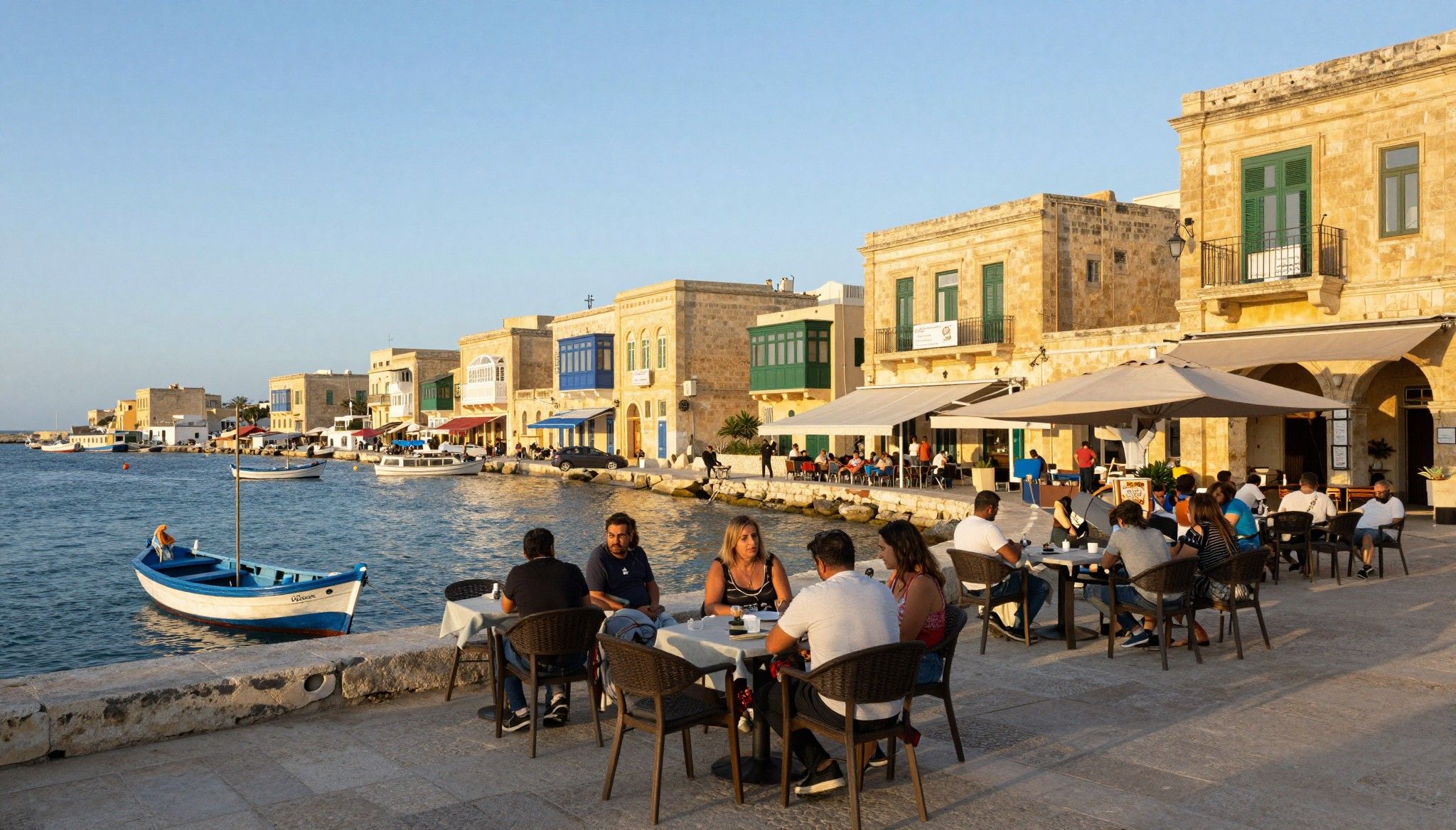
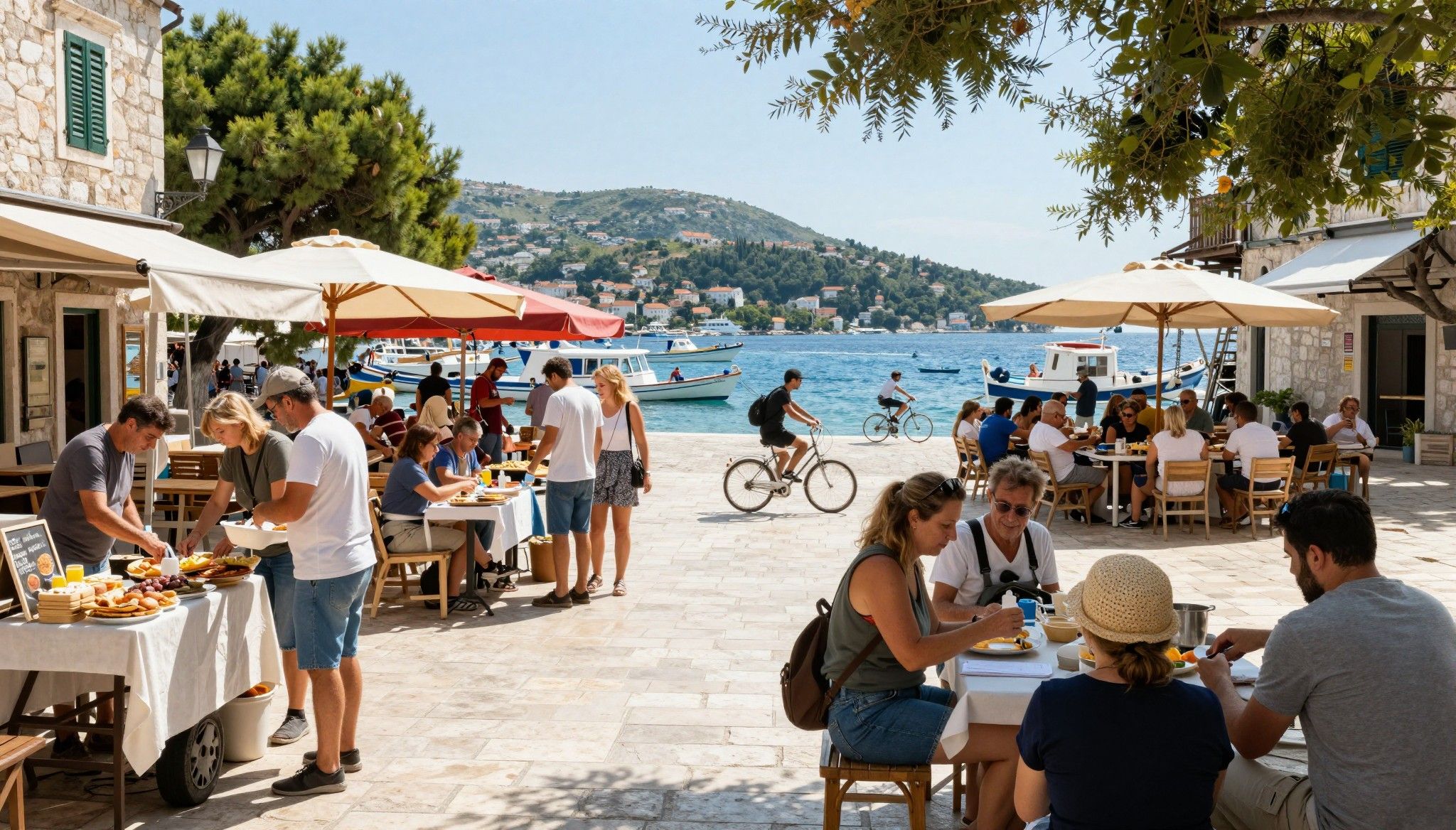
Imagine stepping out at dawn to buy fish at the Varvakios market, or pausing for an espresso on a shaded table in Plaka while bougainvillea drips over the stone. Greece moves at two speeds: an attentive, slow daily rhythm and a busy seasonal surge that reshapes streets, rents and short-term demand. That rhythm matters for the buyer as much as the view; where you place a home here defines weekdays, winters and your social life. Practical law and tax decisions should follow the lifestyle choice, not the other way round — but they must be precise.
Living the Greece life: atmosphere and daily rhythms

Walkable streets, tavernas that close late, and a coastline you can access without a car define many Greek days. In Athens you live between neighbourhood squares and archaeological layers; on islands like Naxos or Paros, mornings belong to fishermen and afternoons to café conversations. Climate shapes choices: mild, wet winters alter heating needs, while long summers encourage terraces and shaded façades. That translates directly into what property features matter — insulation, shutters, covered outdoor space — and into running costs buyers should budget for.
Neighbourhood spotlight: Athens — Koukaki and Mets
Koukaki and Mets sit under the Acropolis, where narrow streets host local bakeries, small galleries and an evening rhythm that feels neighbourhood-first. You can buy a compact Athens apartment that places you on a café-lined corner rather than a tourist promenade; the trade-off is often older stock and a renovation budget. Expect to meet neighbours in local bakeries, access small municipal parks, and contend with parking — a recurring local constraint that affects both daily life and renovation possibilities.
Island life: Paros, Naxos and the housing reality
On the Cycladic islands, live-ability is shaped by seasonality. Summers bring tourists and higher short-term rental revenues; winters can be quiet and services reduced. Recent policy moves make short-term rentals more expensive at peak season, which shifts returns and influences which islands are sensible income plays. If you want island life and a reliable near-year-round rent floor, choose islands with local year-round communities such as Naxos, or seek properties with strong winter utility and insulation.
- Lifestyle highlights to look for
- Neighbourhood cafés that run year-round: Varvakios/Plaka (Athens), Little Venice (Mytilene), Naoussa (Paros).
- Local markets and fishmongers within a 10–15 minute walk: a signal of daily convenience and community.
- Terraced homes with shaded outdoor rooms — a must for summer social life and value retention.
Making the move: lifestyle-led practicalities

The romance of a Greek terrace must meet the ledger. Expect transfer taxes on resale stock (commonly around 3% on taxable value), annual ENFIA property charges, and VAT for new builds in specific circumstances. Recent reporting confirms changes in short-term rental levies and pressures on seasonal pricing, which affect net rental yield. Budget for purchase-side fees, notaries, and land-registry time; a renovation plan often uncovers delayed costs in older buildings.
Property types: marble-faced apartments to island stone cottages
An Athenian neoclassical flat gives immediate street-life access but needs modern heating and wiring. A Cycladic cottage offers light and outdoor rooms but may require structural waterproofing and septic updates. New builds carry VAT rules; older properties often avoid VAT but trigger transfer tax. Match the property type to your intended use: year-round residence, seasonal second home, or short-let investment — because the cost and permitted uses differ materially.
Working with local experts who protect the lifestyle you buy
A trusted local lawyer, notary and an agent who understands neighbourhood rhythms are essential. Lawyers protect title, check cadastre registration and confirm whether a property is subject to VAT or transfer tax. Agents who live locally — not listings aggregators — understand municipal rules, parking realities and building permit histories. For residency questions, work with immigration advisers familiar with recent Golden Visa changes and pensioner/non-dom regimes.
- Steps to align lifestyle and legal safety
- 1) Visit in two seasons (peak summer, quiet winter) to feel the neighbourhood and confirm services.
- 2) Commission a local lawyer to verify cadastral title, debts and use restrictions before a deposit.
- 3) Model after-tax returns using current short-term rental levies and likely ENFIA charges.
Insider knowledge: what expats wish they'd known
Expats often say they underestimated administrative time and overestimated winter services on islands. They also report that tax choices — the 7% pension regime or the non-dom flat €100,000 option — materially changed their cash-flow and long-term plans. Residency via investment has tightened rules in recent years; treat any Golden Visa plans as subject to change and confirm thresholds before committing. Above all, neighbours and the local café matter more than the glossy listing photo.
Cultural integration: habits that shift where you live
Greek social life privileges proximity: small shops, afternoon gatherings and square‑side discussion. If you want that, prioritise smaller streets and accessible ground-floor cafés over isolated villas. Language helps but community access often comes through routine: market days, church festivals and local clubs. Those routines also influence value: homes in engaged communities tend to hold value better through seasonal swings.
Long-term view: taxes, succession and what holds value
Inheritance rules and the ENFIA regime affect long-term ownership and the estate you leave. Capital gains treatment has varied in recent policy cycles, and transfer tax rules remain important when assessing a resale. Properties with reliable year-round demand — near hospitals, transport or consistent employment centres — show steadier price performance than purely tourist-facing assets. If you think of this as a life choice and an investment, favour structural stability over speculative seasonal premium.
- Red flags to spot on viewings
- No cadastral (land registry) entry or unclear title history.
- Documents showing disputed building permits or unauthorised extensions.
- Properties heavily marketed for short-lets without income statements or compliance evidence.
If one image remains from a listing — a sunlit terrace without utility details — ask for winter photos, recent energy inspections and the neighbours’ contact if possible. These simple checks separate an appealing listing from a resilient home.
Conclusion: the life and the ledger
Greece sells a life but keeps a ledger. Start with places that fit how you want to spend mornings and evenings, then map local taxes, use-restrictions and residency rules onto that vision. Work with on-the-ground lawyers and agents who live the rhythm they sell. Visit out of season, budget for renovation and local taxes, and treat the community as part of your due diligence. When lifestyle and legal clarity align, Greece rewards with seasons, produce, neighbours and a shape of life that is hard to leave.
Swedish expat who moved from Stockholm to Marbella in 2018. Specializes in cross-border legal navigation and residency considerations for Scandinavian buyers.