How Greek residency and tax rules quietly change where you buy
Greece rewards lifestyle-led buyers—yet residency routes, VAT vs transfer tax and the non‑dom regime decisively alter cost and yield. Match neighbourhood rhythm with tax planning.

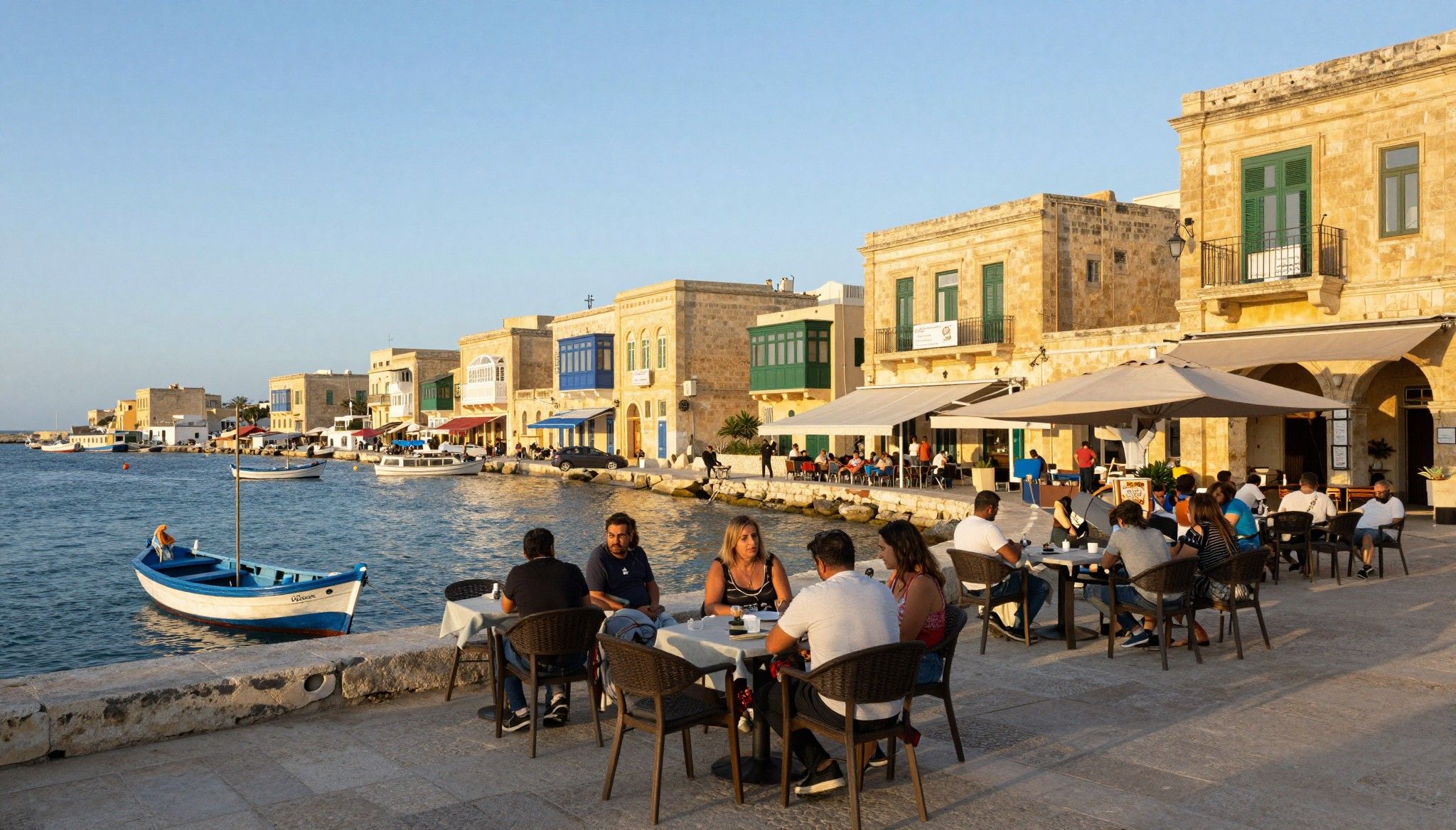
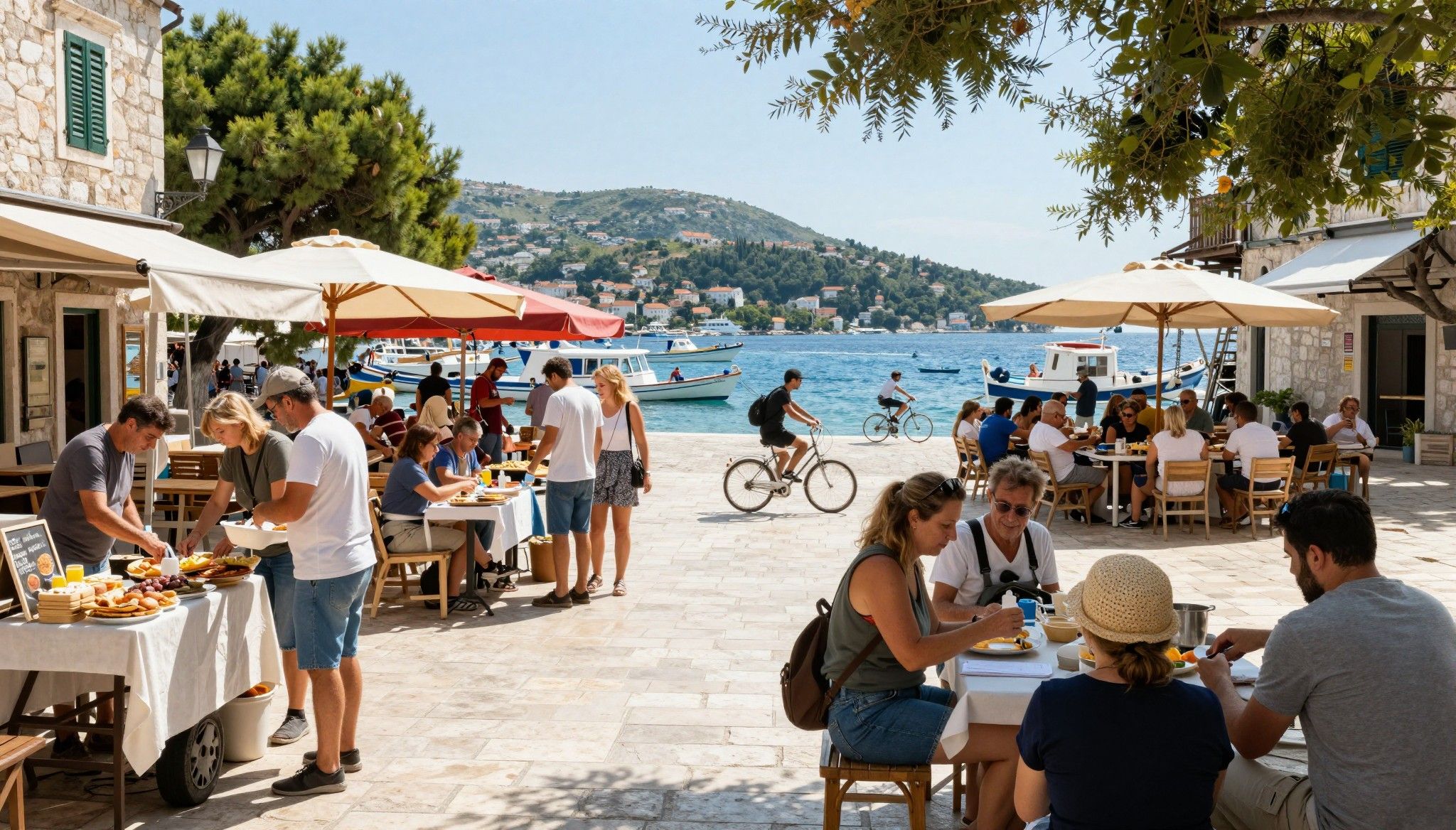
Imagine waking to the clink of espresso cups on a narrow Athens street, then trading the city hum for afternoons on a Cycladic terrace. Greece compresses centuries into a single day: morning markets, late lunches, island ferries and neighborhood kafeneia where everyone knows your name. That life is real—and it shapes what kind of property makes sense. But the rules that let you live it have changed; recent market analysis shows residency and tax routes now materially affect which properties are sensible investments.
Living the Greek life: senses, streets and seasons

Greece is a rhythm of seasons. In Athens, mornings smell of roasted beans from Syntagma cafés while Tuesdays on Kifisia feel village-quiet. On the islands, breakfast begins at small bakeries on narrow lanes; by afternoon the sea calls. That variety matters: the home you want in Plaka will differ from the house that works in Chania or on Paros, and lifestyle choices map directly to property type, maintenance needs and local costs.
Neighborhood spotlight: Athens — Koukaki and Pangrati
Walk Koukaki at dawn and you meet retired artists and young families sharing sidewalk tables. Pangrati mixes small parks, informal tavernas and a surprising stock of renovated neoclassical flats. Both neighbourhoods give urban life without the tourist crush of Plaka; they suit buyers who want daily markets, quick metro hops and manageable maintenance budgets compared with island villas.
Island life: Paros, Naxos and the less obvious pockets
On Paros and Naxos you find a quieter mix: fisherfolk mornings, small creative scenes, and a ferry timetable that structures life. Look beyond Naoussa and Chora: inland hamlets and small port villages offer lower prices and authentic community, but expect seasonal vacancy and higher maintenance logistics. For many buyers the trade is worth it—proximity to a blue bay versus round‑the‑year neighbours.
- Lifestyle highlights: market mornings at Varvakios (Athens), sunset swims at Kolymbithres (Paros), kafeneio afternoons in Chania, weekend food markets in Kifisia, ferry‑timed island weekends, seasonal cultural festivals in Nafplio.
Making the move: how regulation and tax shape where you buy

The dream of living beside the Aegean collides with concrete rules: transfer tax or VAT choices on new builds, residency pathways and the non‑dom flat tax regime. Government and legal guides show that Greece offers distinct routes—classic residency-by-investment, and an alternative non‑dom tax regime—each with thresholds, retention rules and reporting obligations. Understanding which matters to you determines whether a seaside maisonette or a city flat is the smarter purchase.
Property tax and purchase basics that change the math
Most resale properties pay a 3% transfer tax; new builds can be subject to 24% VAT unless the seller opts for the 3% transfer tax alternative. Recent practice guides note VAT suspension rules extending into 2025 and possibly beyond, which affects comparative pricing between new and resale units. Factor these taxes into purchase offers—VAT on a new €600,000 build adds material cost unless the seller elects transfer tax instead.
Residency, Non‑Dom and why €500k matters
Greece’s non‑dom alternate tax regime lets qualifying newcomers pay a flat annual sum in lieu of progressive tax on foreign income. The practical entry point often cited is a €500,000 qualifying investment (real estate, funds or local business) and meeting residency tests. For high net worth buyers this can be decisive: the non‑dom regime changes holding costs and the after‑tax yield, so it should shape not only which house you buy but whether you cluster assets in Greece to maintain the regime.
- Steps to align lifestyle purchase with residency and tax planning: 1) Confirm whether a property purchase will qualify as a 'retention' investment for non‑dom purposes; 2) Compare VAT vs transfer tax cost on new builds with the seller or developer; 3) Decide on primary residence status early—this affects exemptions and tax treatment; 4) Engage a tax adviser to model non‑dom flat fee versus standard taxation for your income profile.
Insider knowledge: what expats say and the often‑missed practicals
Experienced expats cite three surprises: logistics on the islands, municipal paperwork timing, and the seasonal income swing of rental properties. Repairs can take longer than expected, municipal permits vary by region, and islands have months with barely any demand. Those realities affect both the right property type and the reserve capital you should hold.
Cultural and community realities that change the ROI
You buy into a neighbourhood, not just a property. In smaller communities social integration reduces management friction—neighbours look after water bills, recommend trusted craftsmen and flag local tax notices. Conversely, tourist hotspots can deliver income but bring regulatory scrutiny and seasonal volatility. Those trade‑offs influence whether you accept lower immediate yields for steadier long‑term quality of life.
Practical checklist before signing
- Essential checks: clear property title and encumbrances, up‑to‑date energy performance certificate, exact tax regime modelling (non‑dom vs domestic), confirmation of municipal planning status, written cost estimates for island maintenance and connectivity, local bank account and NIF before completion.
If you want the Aegean life, begin with a week of neighbourhood reconnaissance rather than a single property viewing. Spend mornings in markets, evenings in local tavernas and an afternoon with an attorney to see how local paperwork flows. Bring data—tax modelling, transfer costs, and retention requirements—and a trusted local advisor so that your purchase buys the rhythm of life you fell for, not just a view.
Conclusion: Greece gives a rare combination of lived culture and clear legal routes, but small regulatory choices change the outcome. Use residency and tax options deliberately—especially the non‑dom regime if you qualify—and make the neighbourhood your primary filter. When you pair lifestyle-first choices with precise tax and purchase planning, the result is a property that pays in both joy and durability.
Dutch relocation advisor who moved to Marbella in 2016. Guides Dutch buyers through visa paths, relocation logistics, and balance of lifestyle with value.