Streets to Residency: Greece’s Lifestyle vs. Visa Rules
Live like a local in Greece — but match neighbourhood dreams to 2024–25 residency rules. Learn which streets grant lifestyle and which meet Golden Visa thresholds.
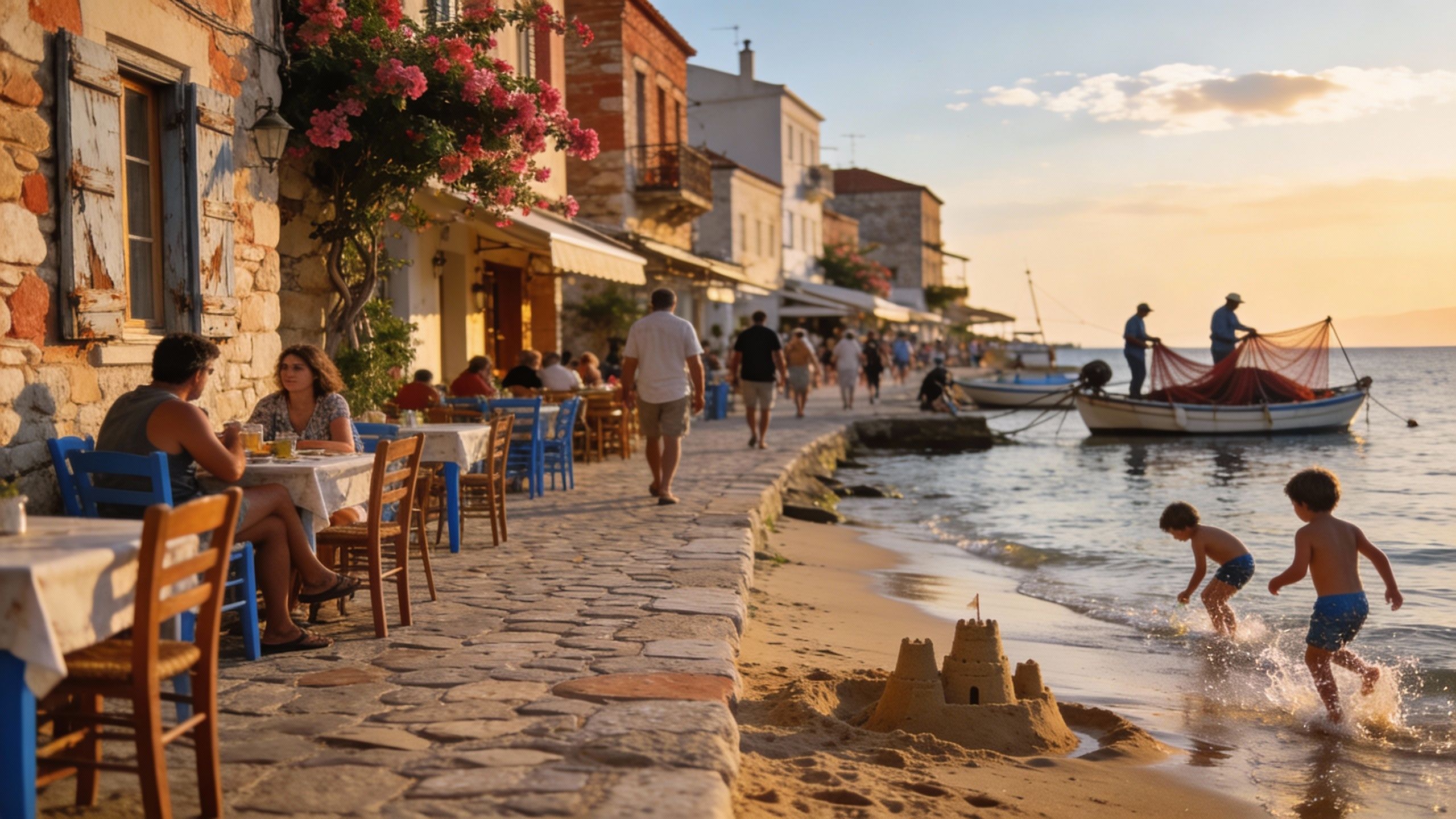
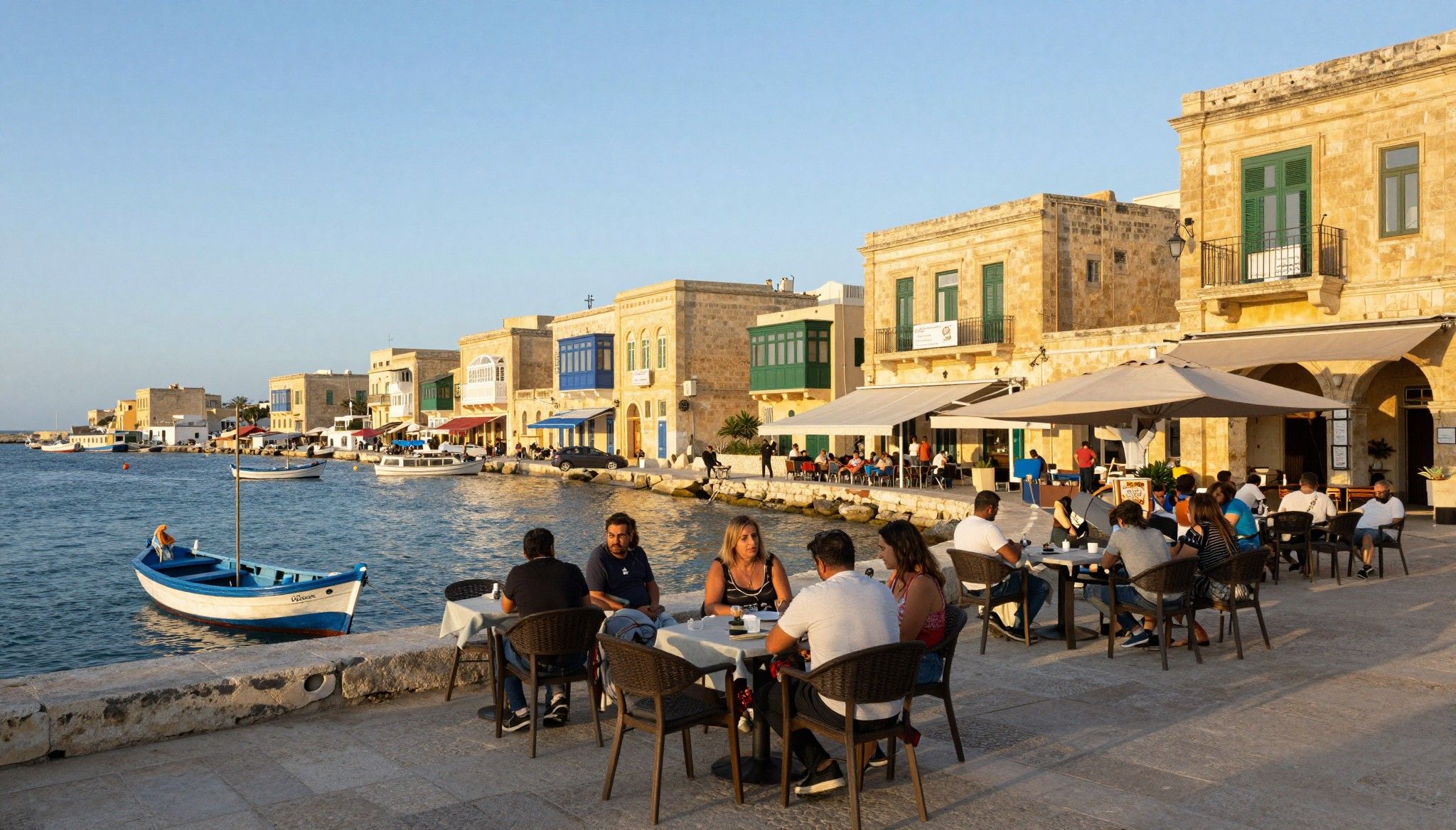
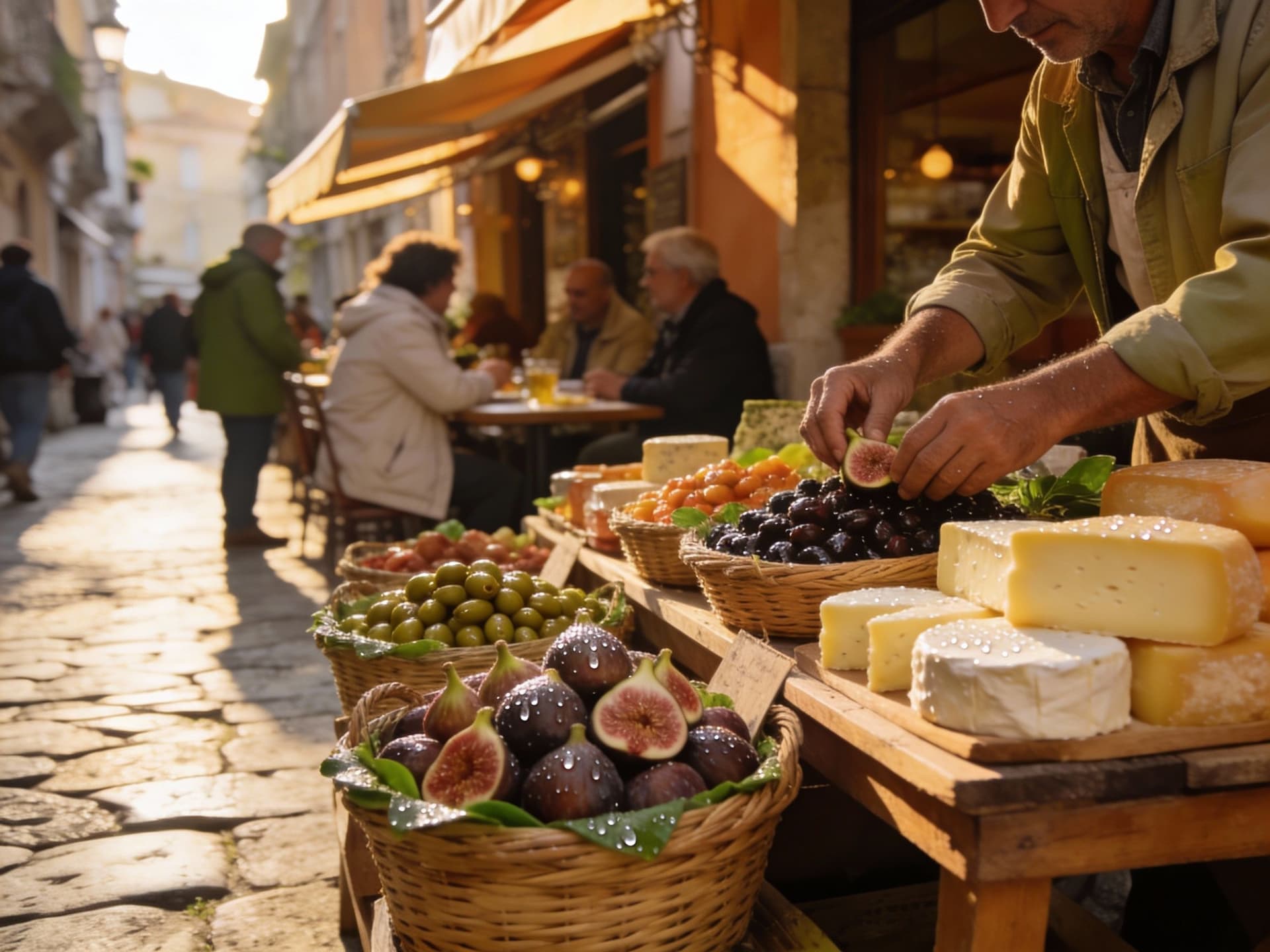
Imagine starting your morning with an espresso on a sun-warmed terrazzo in Koukaki, then walking to a tiny neighbourhood market for fresh cheese and figs. That small ritual — the rhythms of street life, the slow trade of goods, the casual way neighbours become friends — is the reason many of us fall for Greece. But romance and residence are different questions. This guide pairs the lived-in pleasures of Athens, Thessaloniki and the islands with the regulatory realities international buyers must meet today.
Living the Greece lifestyle: morning markets, island afternoons
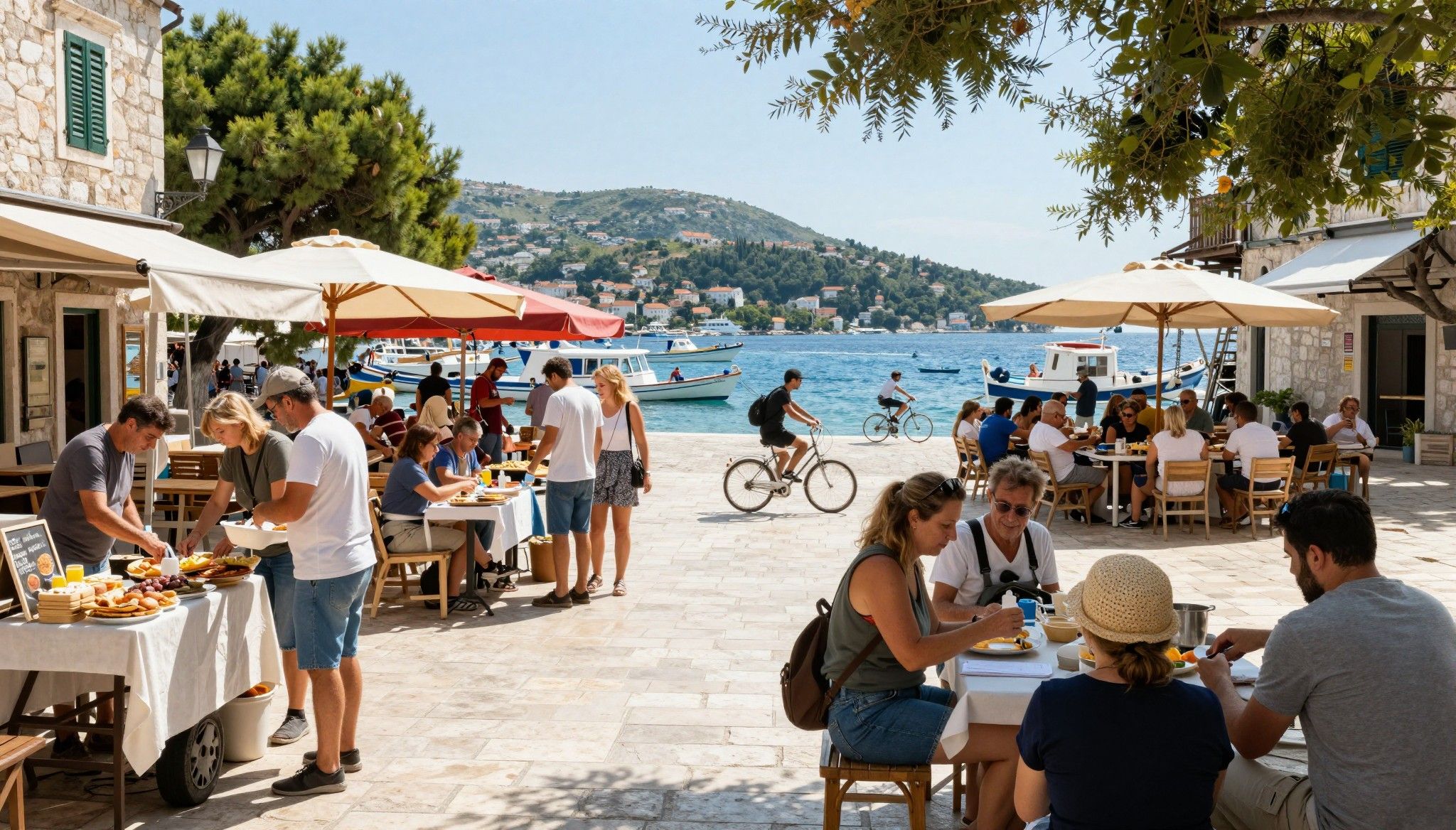
Picture yourself in Plaka at dusk, or cycling by the sea in Glyfada. Greece is compact enough that city life and coastline sit within easy reach. Athens offers late-night tavernas and fledgling design cafés in Metaxourgeio; Mykonos and Naxos bring island light and whitewashed lanes. Recent regulatory shifts have tightened residency-by-investment thresholds in prime areas, so your choice of neighbourhood now determines eligibility as much as taste.
Athens: lived-in neighbourhoods over glossy postcards
Walk around Kifissia for tree-lined avenues, or explore the upcycling galleries in Kerameikos. These neighbourhoods show why buyers who prize daily life often choose streets where the baker knows your name rather than the handful of luxury addresses that headline headlines. Note: under recent law, many prime areas (Attica, Thessaloniki, certain islands) sit in the highest Golden Visa zone — a practical constraint for those hoping a modest purchase will grant residency.
Islands and smaller cities: tradeoffs of light and liquidity
Island life delivers privacy and views, but it can mean thinner resale markets and seasonal economies. Seasonal rental can be lucrative, but taxation (including ENFIA and rental income brackets) and local planning rules affect yields. Before you chase the postcard, check objective values and annual property taxes; these shape holding cost more than the asking price in many island towns.
- Lifestyle highlights: Athens neighbourhood markets in Koukaki, espresso at Taf in Psiri, sunset swims at Vouliagmeni, early-morning fish stalls in Thessaloniki's Modiano Market, seaside promenades in Chania.
Making the move: legal thresholds and what they mean for lifestyle choices

The big practical pivot for 2024–25 was a re-zoning of investment thresholds. Prime zones now require higher investment levels to qualify for residency, while conversion or restoration projects retain a lower threshold. That affects where you can both live affordably and secure residency. For lifestyle buyers who don't need a Golden Visa, those prime zones still deliver vibrant street life — but the cost structure differs if residency is part of the plan.
Property types: what to choose if you want to live like a local
Stone townhouses in Chania or renovated neoclassical flats in Exarcheia offer different living patterns. Older buildings often have higher maintenance but put you on streets where shops and cafes operate year-round. New builds reduce upkeep but may sit in quieter developments. Consider running costs (ENFIA, communal fees, insurance) alongside lifestyle benefits: a little less space in the right street often beats a large, isolated property.
- Steps to align lifestyle and legal needs: 1) Decide whether residency matters; 2) Map desired neighbourhoods to Golden Visa zones; 3) Prioritise properties that meet residency thresholds if required; 4) Budget for taxes and conversion costs; 5) Engage local counsel before offers.
Insider knowledge: what expats wish they'd known before buying
Expats often tell the same story: they bought a beautiful property and then learned that local planning limits their intended renovations, or that the seasonal rental they expected would be interrupted by stricter short‑term letting rules. Language is rarely the barrier; the key friction points are permits, certification of property titles, and realistic operating costs during low season.
Cultural and practical tips: community, paperwork, and timing
Learn basic Greek phrases, but hire local professionals for bureaucracy. Expect slower timelines for permits than in many northern European countries. Time your house hunt outside peak tourist months — winter visits reveal true neighbourhood life and expose issues hidden by summer bustle. Also, factor in fiscal changes: periodic budget measures and reforms can affect transaction costs and bank practices.
- Quick red flags to check before buying: clear title deeds and absence of encumbrances; up-to-date building permits for planned works; realistic rental demand data (if relying on income); understanding of ENFIA and transfer tax vs VAT implications; whether the property sits in a Golden Visa prime zone.
Greece rewards those who want more than a holiday home. You gain a rhythm of markets, tavernas and coastlines that reshape daily life. But to keep the romance and avoid regulatory surprises, start with a clear question: does residency matter? If yes, align neighbourhood choice with the new investment zones. If no, buy for the street you love and budget for holding costs and local counsel. Then enjoy espresso, market stalls and that slow Mediterranean evening — with your paperwork in order.
British expat who relocated to Marbella in 2012. Specializes in rigorous due diligence and cross-border investment strategies for UK and international buyers.