How Greece’s 2024 Residency Shifts Reframe Where to Buy
Greece’s 2024 residency and tax changes reshape where lifestyle buyers should look—larger thresholds, no short‑term lets for many Golden‑Visa properties, and the non‑dom option alter demand.

Imagine sitting at a small table in Plaka as morning light cuts between the columns, watching a local open their bakery and a ferryman wave to a neighbour. Greece still sells that moment better than any brochure. But the rules that turn that moment into an address you can own—tax regimes, residency laws, investment thresholds—have changed. These shifts matter as much as the view when you plan to move, rent, or invest.
Living the Greece lifestyle

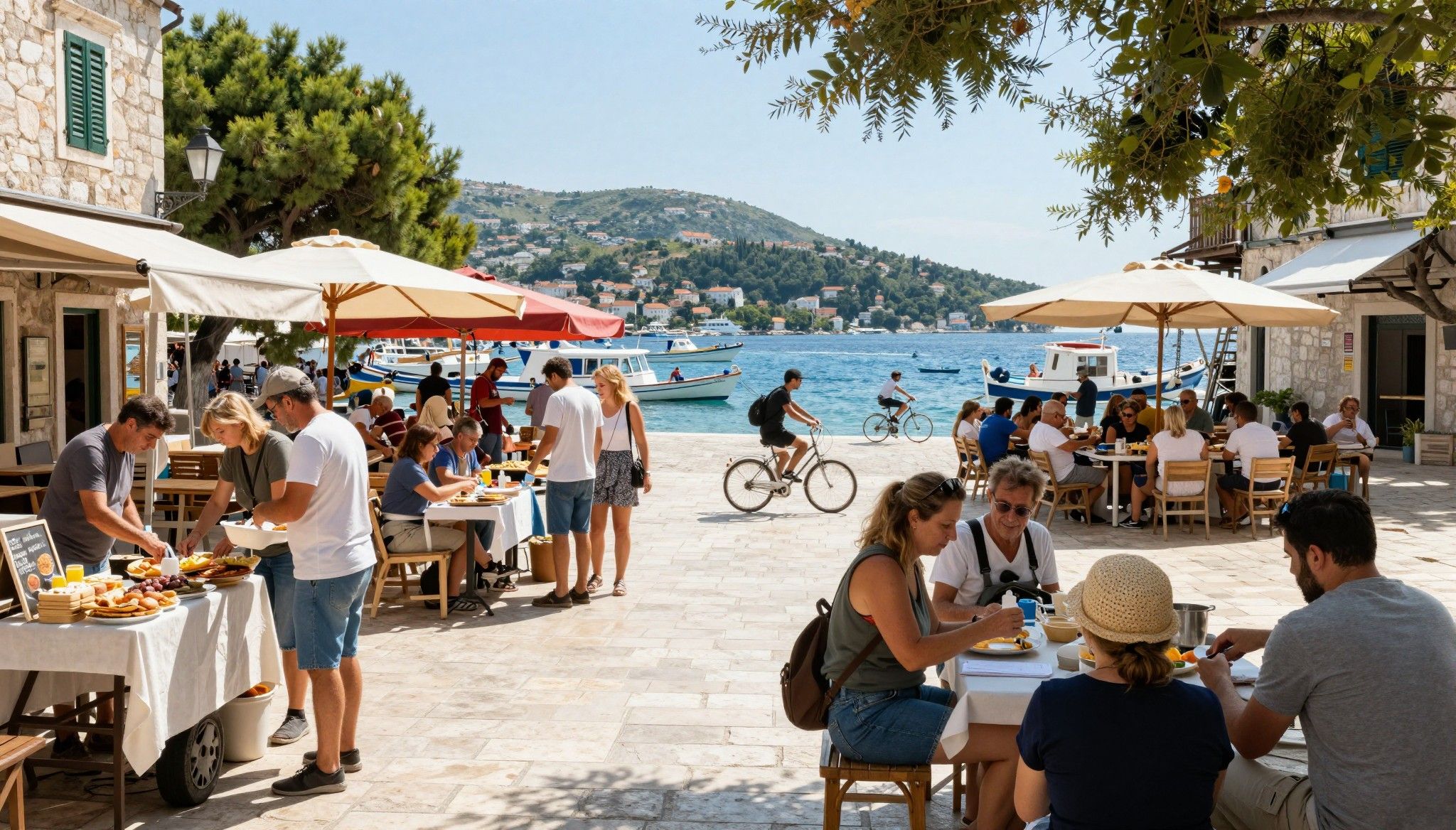
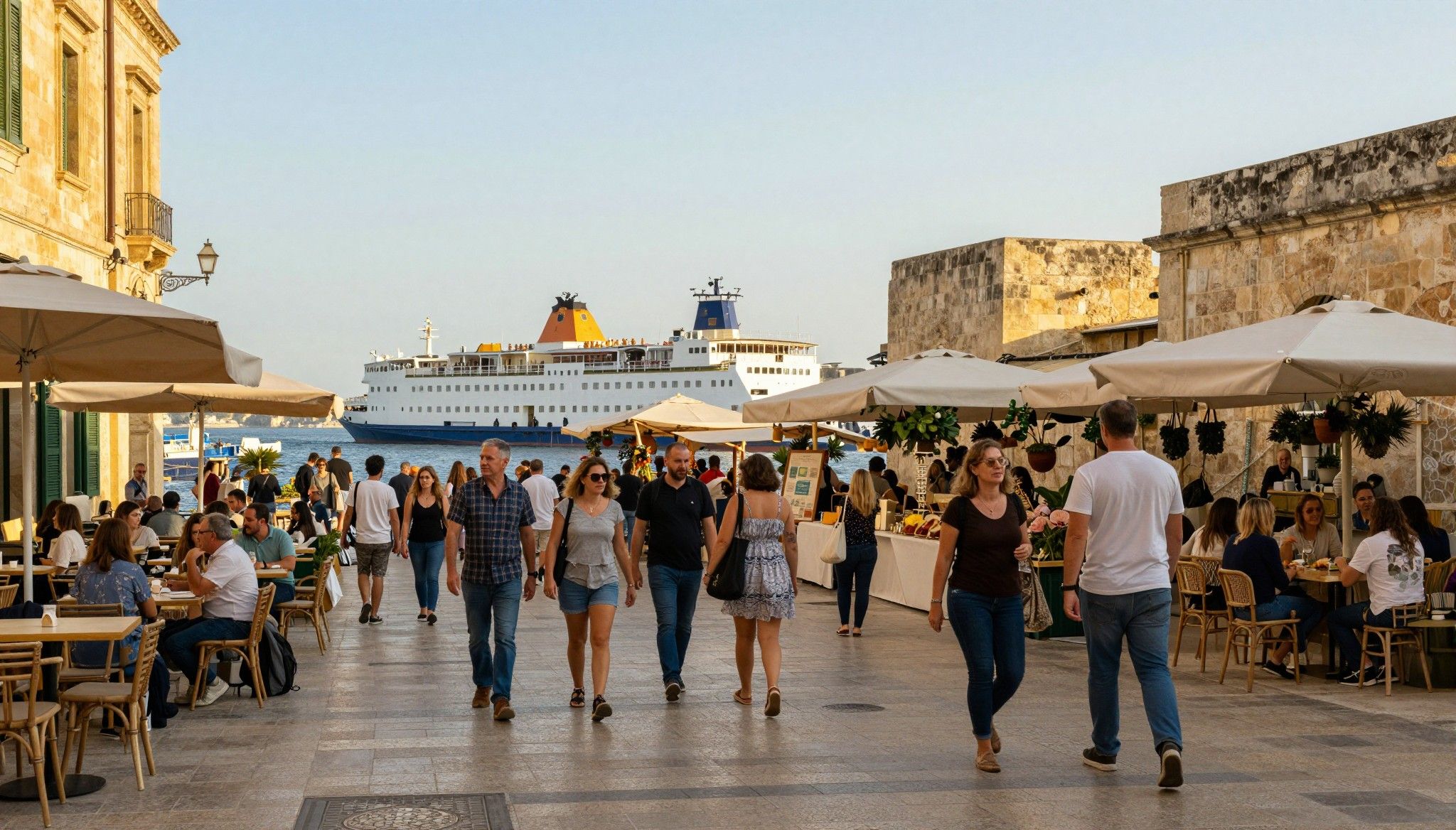
Picture weekday espressos on Athinas Street, weekend swims at Vouliagmeni, and a slow August when islands empty and old neighbourhood cafés regain their rhythm. Greece’s daily life ranges from the kinetic hum of central Athens to the quiet of an Aegean village. That range is exactly why location and local rules should guide where you buy, not only price per square metre.
Athens, islands and the ‘two‑speed’ reality
Athens offers museums, international hospitals, and coworking life; islands supply sun, small‑scale commerce and seasonal rental upside. Recent regulation — notably the 2024 Golden Visa changes — explicitly treats Athens, Thessaloniki and high‑profile islands differently from the rest of Greece. That two‑speed reality now affects buyer options, taxes and permitted property uses in practical ways.
Food, markets and the neighbourhood cues that matter
Where locals buy bread, where the fishmonger still opens at dawn—these micro‑habits tell you whether a house will feel lived‑in year‑round. In Glyfada you’ll notice seaside promenades and cafés aimed at families; in Naxos town, produce markets and tavernas dominate evenings. Look for the market cadence first; zoning and tax implications follow.
- Lifestyle highlights: Plaka cafés, Vouliagmeni bay swim, Ermou pedestrian flow, Monastiraki market mornings, Naxos village tavernas, Hydra’s no‑car calm.
Making the move: practical considerations

Lifestyle sets the brief; regulation shapes the options. Since 2024 Greece has restructured investor residency thresholds and tightened permitted uses for qualifying properties. Those changes affect which neighbourhoods remain viable for buyers seeking residency, and which offer better long‑term rental or family life rather than short‑term gains.
Golden Visa: what changed and why it matters
From autumn 2024 Greece divided the country into two investment zones: higher thresholds (around €800,000) for Attica, Thessaloniki and many popular islands; lower tiers (around €400,000) elsewhere. The law also sets a minimum property size (120 m²) for qualifying purchases and prohibits short‑term rental of Golden‑Visa properties in most cases. Practically, that shifts investor demand away from smaller island apartments and toward larger units and other regions.
Property styles and everyday living
A restored stone house in Chania sells a lifestyle: terraces, slow heat and local neighbours. A modern Athens flat sells convenience: institutions, transport and services. If your priority is residency through investment, expect rules that favour single, sizeable purchases over multiple small units. If your priority is living the market, factor in seasonal noise, insulation standards, and communal building practices that affect heating and cost.
- Steps to blend life with legal sense: 1) Choose the lifestyle zone (city, island, mainland). 2) Check Golden‑Visa thresholds and property size requirements for that zone. 3) Confirm permitted uses (no short‑term lets for many qualifying properties). 4) Engage a local lawyer and tax adviser before signing. 5) Plan for running costs and seasonal maintenance.
Insider knowledge: taxes, non‑doms and unexpected opportunities
A less publicised policy is Greece’s non‑dom (Article 5A) regime. For qualifying high‑net‑worth individuals, it offers a capped annual tax (€100,000) on foreign‑source income in exchange for investments (commonly €500,000 in Greek assets). For lifestyle buyers who plan long stays and substantial local investment, the non‑dom route can tilt the arithmetic in favour of relocating to Greece.
How non‑dom and Golden Visa interact in practice
They are separate tracks with different aims. Golden Visa grants residency via property purchase thresholds; non‑dom reduces global tax liability for those who transfer tax residence and invest. Some buyers use both: buy a qualifying property and, if they meet the residence and investment conditions, opt into non‑dom rules. Both strategies demand rigorous documentation and multi‑year compliance.
- Practical factors to weigh: 1) Investment thresholds by region. 2) Minimum property size and permitted use. 3) Non‑dom investment requirements and three‑year retention rules. 4) Local property taxes (ENFIA) and transaction costs. 5) Running costs and seasonal vacancy risk.
A contrarian pick: why some avoided islands are now interesting
Because thresholds rose for many headline islands, investor attention must spread. That creates discreet opportunities: lesser‑known Aegean ports, mainland coastal towns and historic inland villages where demand is steadier and prices are calmer. If you want life and long‑term value rather than headline resale, these areas deserve visits outside the high season.
What expats wish they'd known
Expats often tell the same story: they fell for the view, then battled paperwork. Language, local bureaucracy speed, and a culture of in‑person signatures shape timelines. Expect a process that rewards local counsel, patient inspections and a readiness to accept quirks—closed shops on Mondays, noisy summers, and communal decisions in condominium buildings.
Cultural and practical integration tips
Learn basic Greek phrases, use local services for utilities, join tavernas and neighbourhood markets to understand rhythms. That social intelligence helps you choose a property that isn’t just a product but a daily life fit—essential when planning multi‑year stays or buying with family.
- Immediate next steps: 1) Visit in shoulder season to test year‑round life. 2) Ask sellers for ENFIA and recent utility bills. 3) Commission a local lawyer to check title and permitted uses. 4) Model running costs including seasonal maintenance. 5) Discuss Golden‑Visa eligibility or non‑dom options with a tax adviser.
Greece sells a life as much as a house. Recent regulatory shifts make the choice more deliberate: larger minimums for investor residency, limits on short‑term lets, and a formal non‑dom route for HNWIs change which neighbourhoods deliver the lifestyle and which deliver only headlines. If you want a home that feels like home — year‑round neighbours, markets, and services — start with the life you want, then map rules to it. Engage a local team early; their practical knowledge turns the romance of a place into a reliable investment.
Swedish expat who moved from Stockholm to Marbella in 2018. Specializes in cross-border legal navigation and residency considerations for Scandinavian buyers.