Live the Street, Check the Ledger: Cyprus Realities
Live the street, check the ledger: Cyprus offers lifestyle variety and tax incentives, but buyers must match neighborhood rhythm to residency rules and title checks.

Imagine sipping espresso at a sun-warmed table on Ledra Street, then walking ten minutes to a sea view that feels private. Cyprus moves at two paces at once: the soft, social rhythm of village life and the efficient pulse of an economy reshaped by tourism and foreign capital. That duality matters when you buy—the lifestyle you fall for determines the legal questions you must answer.
Living Cyprus: the daily rhythm that shapes choices

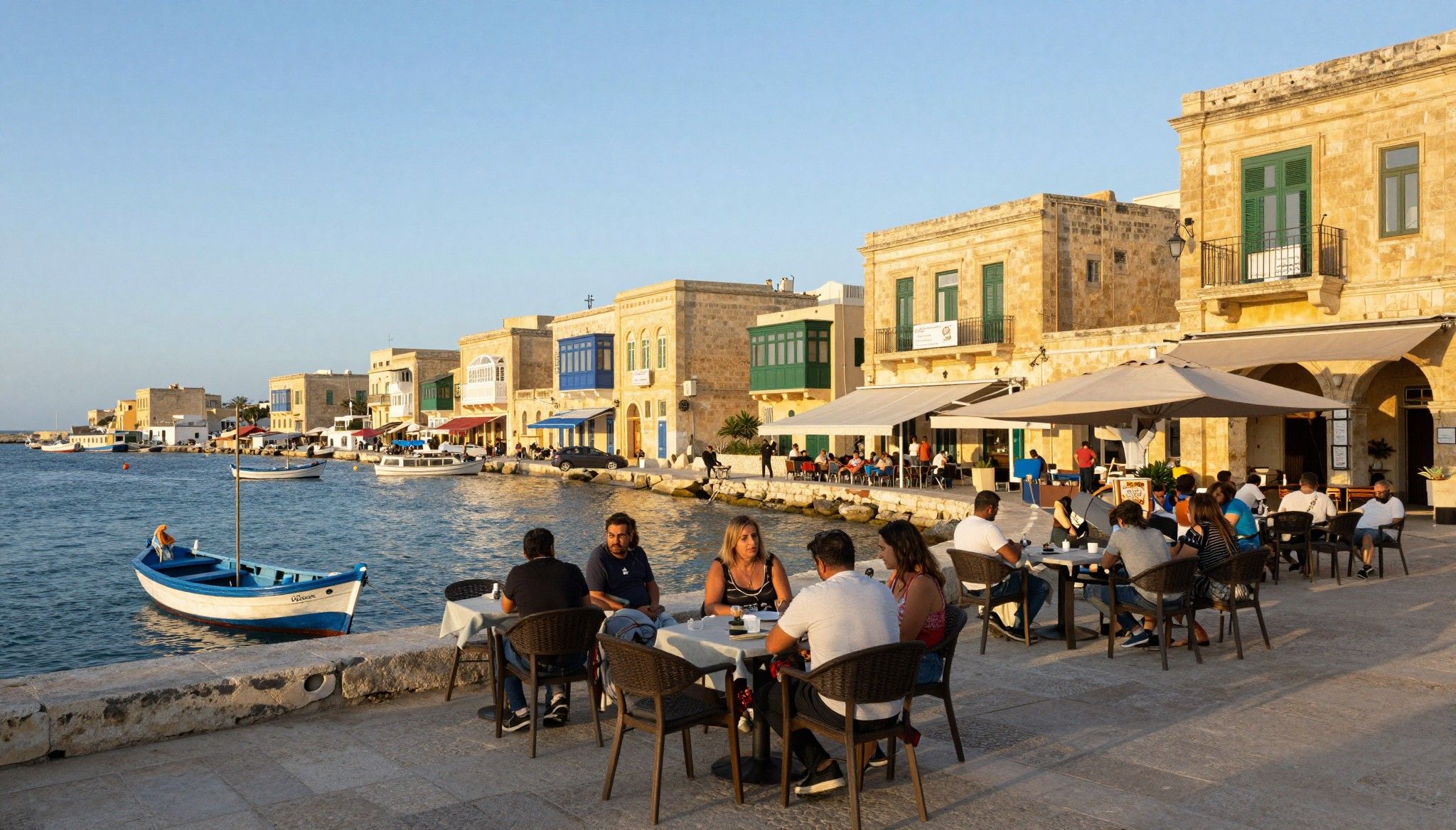
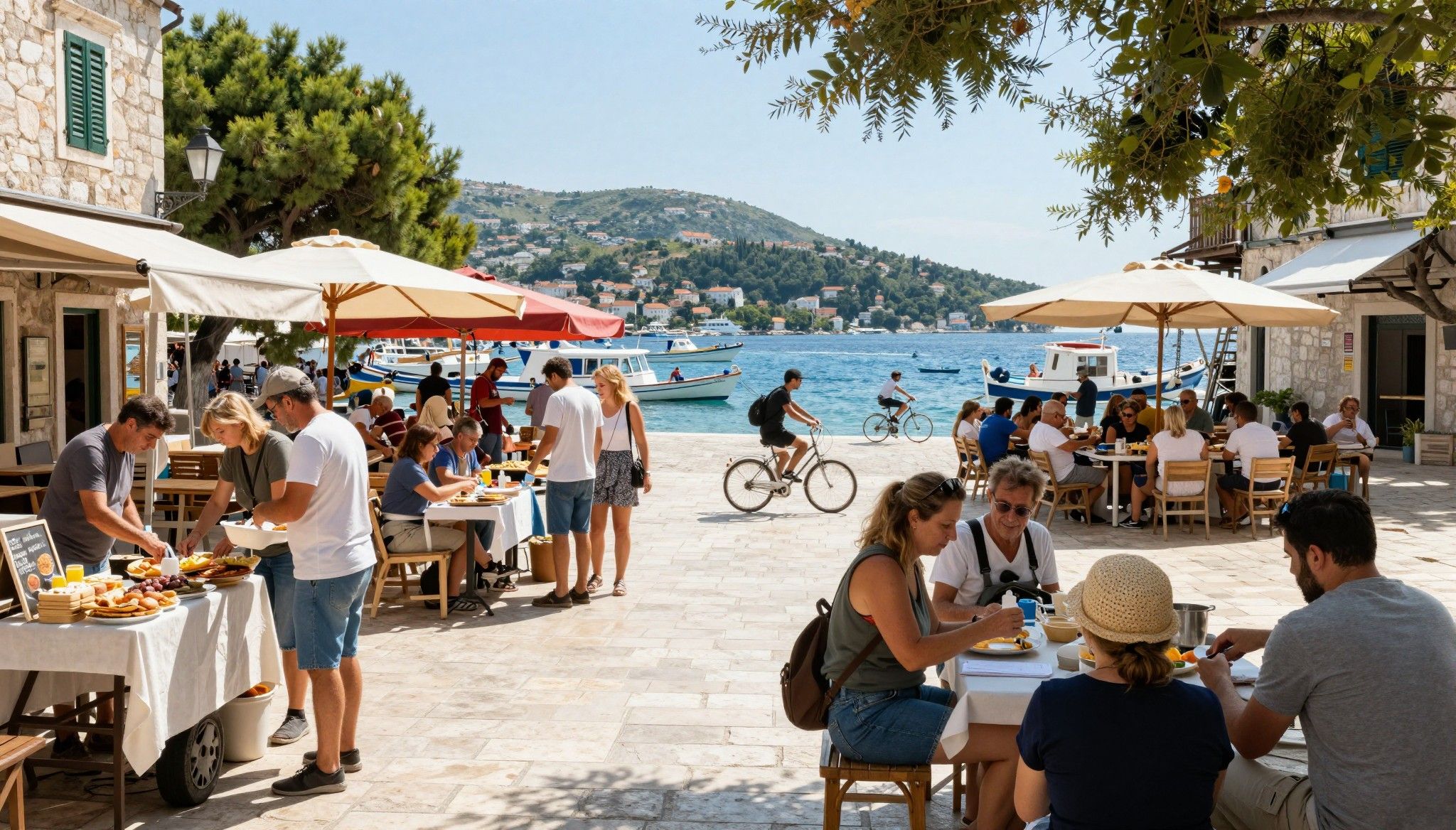
Cyprus is not one image but several: the narrow lanes of old Nicosia, the café terraces of Limassol’s Molos promenade, the quiet marina life in Larnaca, and the low-rise coastal developments around Paphos where morning swims are routine. Weather and social life decide whether you want a terrace that becomes a second living room or a courtyard that shades you in August.
Neighbourhood focus: Limassol’s Molos to old Paphos
Limassol’s Molos and the Old Port reward short walks and seaside cafés; properties here trade on proximity to restaurants and yacht moorings. In Paphos, Kato Paphos’s quiet lanes and the archaeological park create a different pull: heritage-backed tranquillity that favors restored townhouses over modern blocks. These differences affect title searches, renovation permissions and utility connections—so where you live will change the paperwork.
Food, market life and the seasonal beat
On Saturdays the old municipal markets in Larnaca and Nicosia fill with herbs, halloumi and citrus; in summer, beaches near Ayia Napa host evening barbecues and live music. Those seasonal patterns mean some neighbourhoods feel deserted in winter and overcrowded in July—important when you consider rental yield projections or whether a place will feel lived-in year-round.
- Lifestyle highlights: Molos Promenade (Limassol); Ktima Market (Nicosia); Coral Bay swim routes (Paphos); Finikoudes beachfront cafes (Larnaca); Sunday flea at Laiki Lefkara.
Making the move: how lifestyle choices map to legal realities

If you want life by the sea and a fast residency route, the rules are explicit: investment-based permanent residency still requires a minimum property investment (commonly cited at €300,000) and procedural steps handled through the Civil Registry and Migration Department. Those requirements changed in recent years; reliance on an old checklist will cost time and money.
Property types and the paperwork they bring
New build apartments often arrive with developer warranties but carry VAT and developer-registered titles; older village houses may be cheaper but require careful title searches at the Lands and Surveys registry. Renovation permissions for listed structures—common in historic cores—add time. Choose the property type that matches the life you expect, then let legal due diligence confirm it’s deliverable.
Local experts: why a neighbourhood-savvy lawyer matters
A lawyer who knows the district will flag the small but consequential items: servitudes that cut across a terrace, municipal arrears that block registration, or planning restrictions on rooftop terraces. Agencies and lawyers should work as a team—agents to find the life you want, lawyers to make sure that life is legally achievable.
- Steps that blend lifestyle and compliance: 1) Identify 2–3 neighbourhoods where daily life matches your routine. 2) Order a title search and municipal status check before a viewing trip. 3) Confirm VAT status and whether the price quoted excludes VAT. 4) Ask for recent utility bills and community management accounts if in a development. 5) Contract conditional on a legally verified completion date and escrow terms.
Insider knowledge: reading the signals beneath price headlines
Price data show steady increases across apartment stock and more mixed movement for houses; the Central Bank reported rising apartment indices recently while construction permits have risen, signalling pipeline supply. That combination means buyers who prefer new coastal apartments should weigh expected short-term capital appreciation against rising construction-led competition.
Taxes, non‑dom status and how they influence where wealth sits
Cyprus’s non-domicile regime exempts qualifying residents from the Special Defence Contribution on dividends, interest and certain rental receipts. For international buyers this is significant: a Limassol waterfront purchase combined with non-dom status can materially improve after-tax rental returns and personal income planning. Always confirm qualification with a Cyprus tax adviser—rules evolve and application details matter.
- Key fiscal considerations: • Confirm whether the sale is VATable (new builds often are). • Check withholding taxes on rental contracts for non‑residents. • Plan for stamp duty, transfer fees and Land Registry charges when budgeting. • Model net yield under non‑dom vs standard resident rules.
Red flags and neighbourhood secrets expats wish they’d known
Red flags are rarely dramatic; they are documents you can’t find or a local plan that shifts the view from sea to concrete. In old Ayios Andreas streets, for example, the charm of narrow lanes can hide complex co-ownership arrangements. Ask whether neighbours have unresolved boundary disputes and confirm the community’s reserve fund if buying into an apartment block.
- Insider tips from long-term residents: • Visit both midweek and at a weekend to sense neighbourhood rhythms. • Try market mornings to learn where locals actually shop. • Rent first in the exact street you like before committing to buy. • Check local school catchments and clinic access if planning family life.
What agencies should bring to the table
Use an agency that documents past transactions in the same street, not only the region. Your best partner will have trusted legal counsel, examples of title searches they arranged, and clarity on after-sale management. This avoids the common misstep of buying for a brochure rather than for how you’ll actually live there.
- Practical next steps for buyers: 1) Shortlist three streets that match your life: one for daily routine, one for weekend mood, one for resale appeal. 2) Commission a pre-offer title report and municipal search. 3) Hold back 5–7% of purchase price for unlisted costs (VAT, transfer fees, management arrears). 4) Agree conditional contracts with clear escrow and completion timelines. 5) Schedule a tax consultation to test non‑dom eligibility and model after‑tax yield.
Conclusion: Cyprus promises a life that’s at once slow and connected. Fall in love with the street first, then use precise legal and tax work to lock the life in. Start by spending real days in the neighbourhood, commission the legal checks that reveal hidden constraints, and consult a Cyprus tax adviser about non‑dom status. A thoughtful agency and lawyer will help translate morning markets and seaside promenades into a secure, long-term purchase.
Swedish expat who moved from Stockholm to Marbella in 2018. Specializes in cross-border legal navigation and residency considerations for Scandinavian buyers.