The Cyprus District Everyone Dismisses — But Shouldn't
Cyprus delivers Mediterranean life but legal choices shape your experience—learn which neighbourhoods, costs and local rules matter for a smooth move.
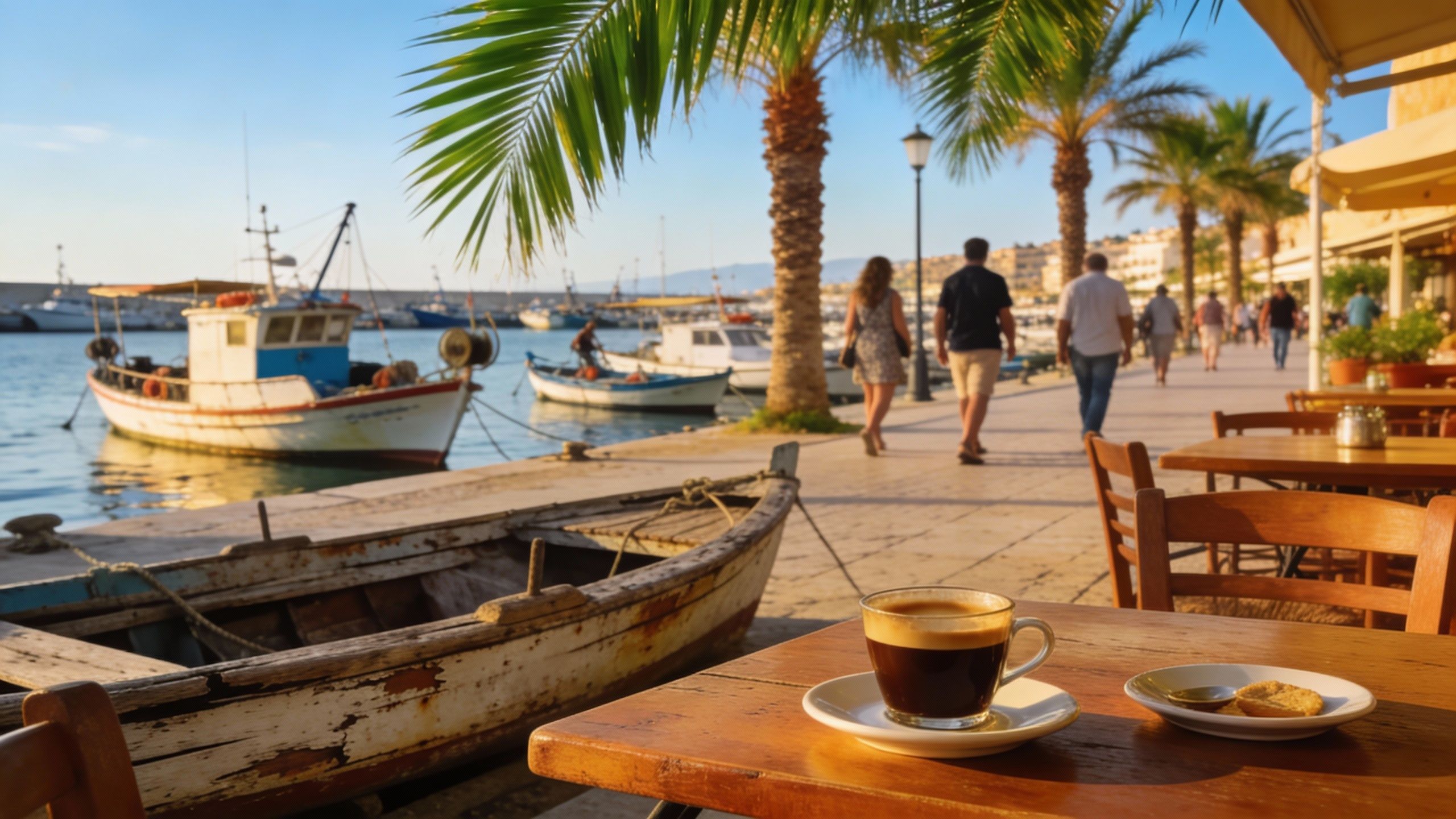
Imagine starting your morning with espresso at the small cafe on Larnaca’s Ermou street, then wandering to a sun-slicked seafront where retired fishermen still mend nets. Cyprus feels like a Mediterranean novel: slow mornings, bright light, sharp sea wind. We open here because the emotional truth of living in Cyprus—markets, beaches, village fêtes—matters when legal choices shape whether that life is smooth or complicated.
Living Cyprus: salt, sun and surprising precision
Cyprus is both postcard and bureaucracy. Days are measured in cafes and coastline, but property life is governed by precise registers, municipal rhythms, and periodic regulatory shifts. The island’s house price index has been steadying after rapid post‑pandemic rises, meaning your lifestyle choice — a village stone house or a Limassol seafront flat — comes with different legal pathways and costs (see official HPI data).
Neighborhood spotlight: Larnaca’s Old Town and Finikoudes
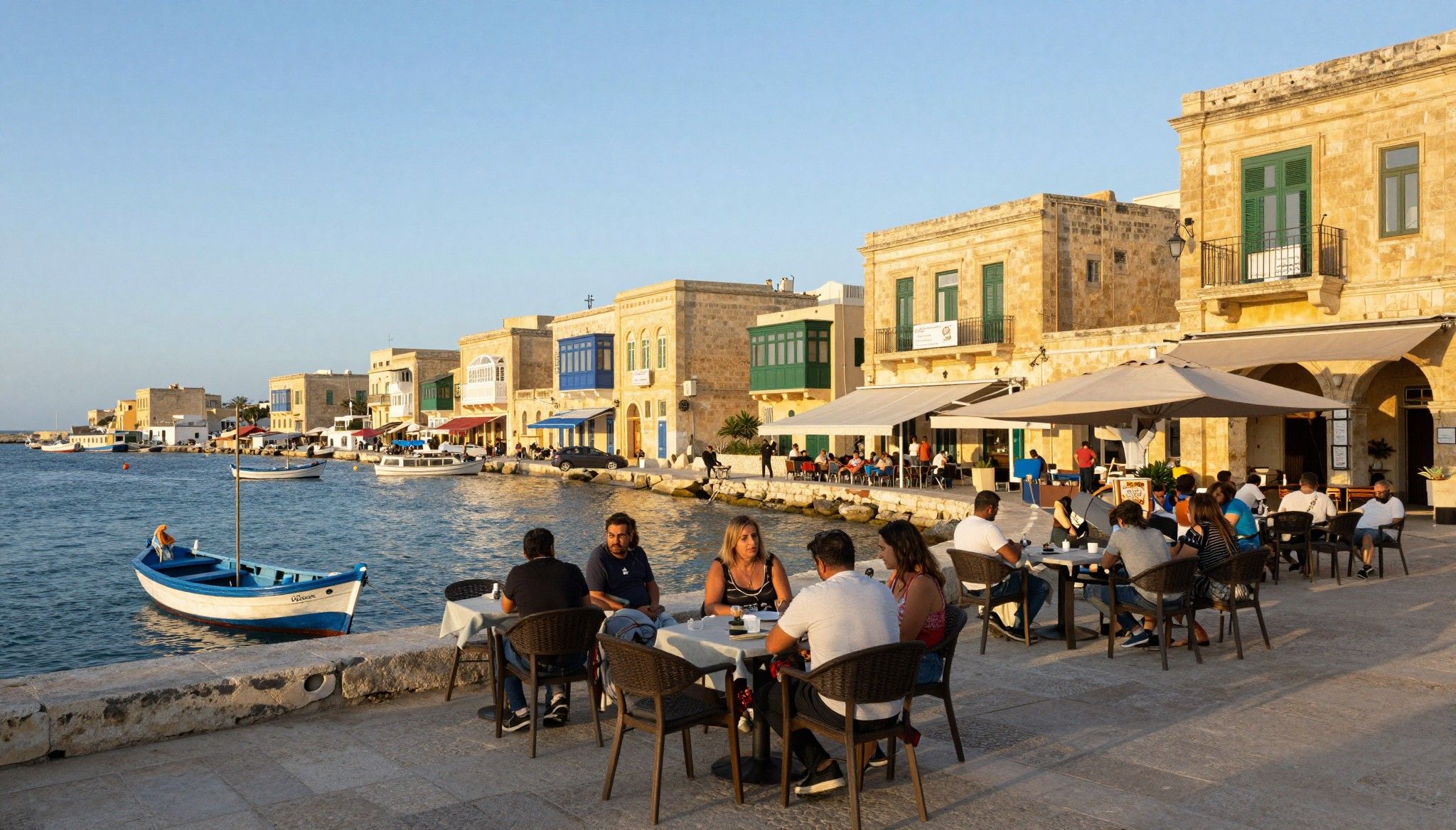
Walk the palm-lined Finikoudes promenade at sunset and you meet families, young expats and a surprising number of creative coffee shops on Perikleous Street. Larnaca’s price-per-square-metre lags Limassol and Paphos, but the lifestyle payoff is immediate: walkable days, a compact international scene, and an easy airport connection — practical for buyers who want instant island life without the highest premiums.
Food, festivals and the rhythm of small towns
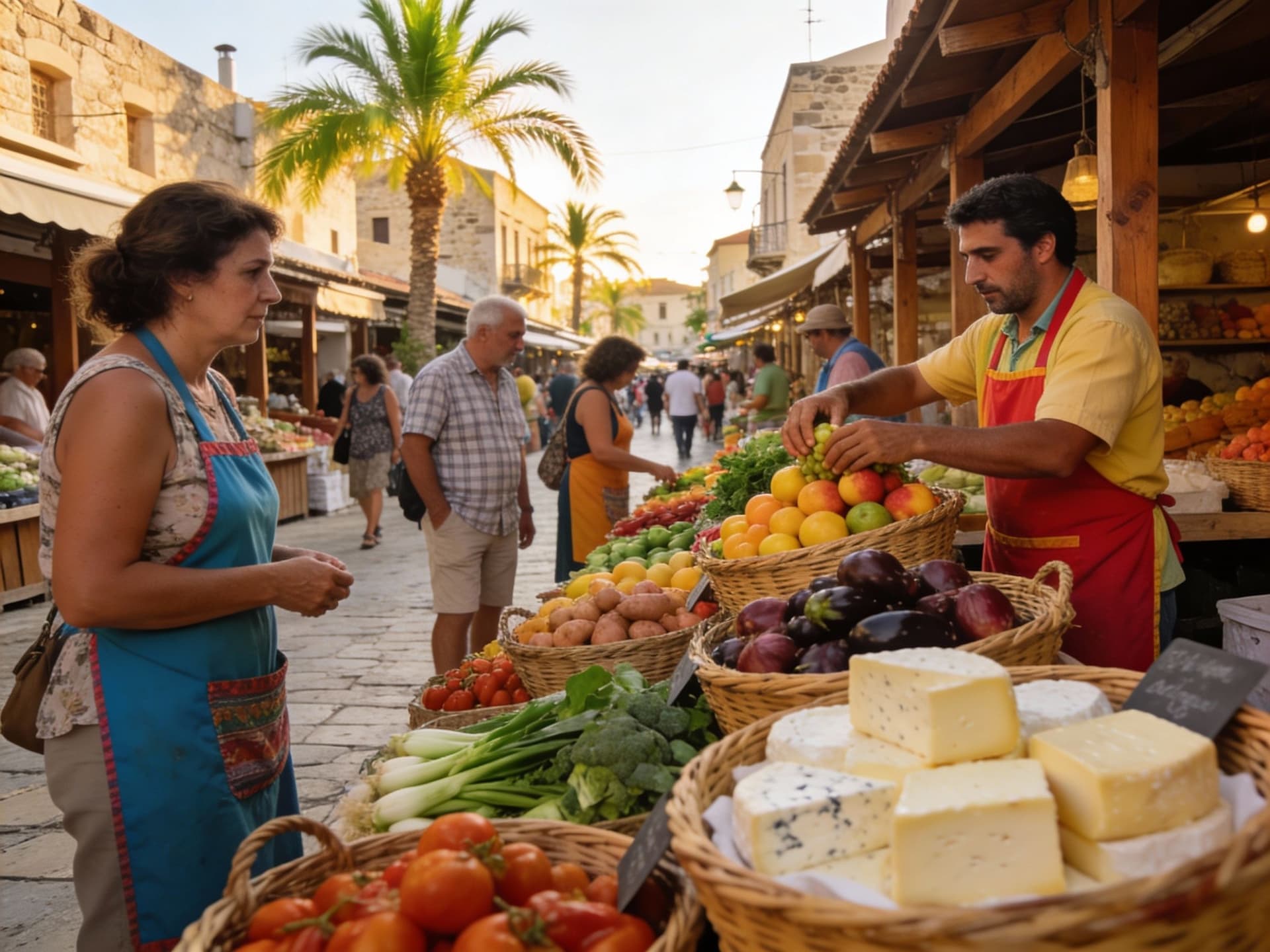
Saturday mornings in Nicosia’s municipal market smell of halloumi and thyme. In Paphos you’ll find waterfront tavernas that stay open late through summer festivals. These social calendars matter because they change where locals buy and rent — proximity to a regular market or a festival square often keeps mid‑market values stable even when headline indices wobble.
- Lifestyle highlights: real places and moments - Sip espresso at To Lérko on Ermou (Larnaca). - Walk Paphos’ old harbour at dawn, watch fishermen return. - Weekend olive markets outside Omodos village. - Sunset swims at Lady’s Mile, Limassol. - Aperitivo on Limassol Marina promenades.
Making the move: rules that shape the life you choose

Your lifestyle choice translates into regulatory decisions: residency pathway, tax residency, and how VAT or transfer fees apply. The Central Bank shows prices moderating across districts, but the legal and tax costs (stamp duty, VAT on new builds, transfer fees) materially change the effective price. Think of these as the choreography behind your daily life: paperwork decides how long it takes to grill on your terrace or rent your flat out when you travel.
Property styles and what they mean for living here
Stone village homes in Troodos give cool summers and thick walls, perfect for slow, local living — but renovation, title checks, and planning rules are different from new Limassol developments where warranties, VAT implications and strata rules matter. Choose the building type that matches your tolerance for renovation paperwork and your appetite to engage with local trades.
Working with local experts who live the island life
A local lawyer, a bilingual notary, and an agent who knows municipal quirks (for example, building-setback rules in coastal zones) change outcomes. We recommend agencies who also introduce you to carpenters, licensing officers and local accountants — people who fast-track the practical joys of day-to-day life, not just contracts.
- Steps that blend lifestyle and legals 1. Visit neighbourhoods across seasons — start with two short stays (spring and autumn). 2. Ask for full title history and municipal plans before making an offer. 3. Confirm VAT vs. transfer-fee treatment on new builds (this can change €10k–€30k). 4. Meet a local tax adviser to model non‑dom and resident tax outcomes. 5. Secure a trusted lawyer to lodge contracts and search the Land Registry.
Insider knowledge: real-talk the guidebooks skip
Expats often tell us the same things after a year: community matters more than square metres, bureaucracy is navigable if you have local helpers, and seasonal rhythms change cashflow (short-term rental demand surges in July/August). Those patterns should alter both where you buy and how you budget for running the place.
Language, customs and the small things that matter
You’ll get by in English in urban centres and tourist towns, but knowing a few Greek phrases opens doors in villages. Social norms — slow shop hours mid‑day, Sunday family lunches, and municipal office schedules — influence when tradespeople work and how quickly paperwork progresses. Factor those rhythms into a renovation timeline.
Long-term lifestyle and legal considerations
If you plan to stay long-term, residency status and tax residency will influence whether you pay local income tax, how pensions are treated, and what exemptions apply. Data shows stability rather than boom across most districts; buying for a lifestyle and modest capital growth hedges you better than speculating on headline gains.
- Expat red flags we see too often - Assuming English contracts are fully equivalent — always get a Greek‑law certified translation. - Ignoring municipal planning history — old permissions can limit renovations. - Overlooking VAT vs. transfer-fee outcomes on new builds. - Choosing agents without strong local accountant/lawyer relationships. - Relying only on summer visits to make a year‑round judgement.
A practical note on costs: stamp duty, transfer fees and possible VAT on new builds are headline items that change the real purchase price. Speak with a tax adviser early so you understand if a new apartment will carry reduced VAT (conditions apply) or if transfer fees are the relevant charge — that clarity saves unpleasant surprises when contracts arrive.
Final takeaway: buy where life happens. Cyprus’s market has matured — growth varies by district, and the best buys are often in places with real community life, steady demand (think Larnaca and parts of Paphos) and clear title histories. Use local experts to translate lifestyle choices into solid legal outcomes. Then, sit on your terrace and let the sea do the convincing.
British expat who relocated to Marbella in 2012. Specializes in rigorous due diligence and cross-border investment strategies for UK and international buyers.