Where Cyprus’s Tax Rules Change Which Street to Buy
Make Cyprus your home and your balance sheet: use non‑dom rules, VAT vs transfer‑fee differences and neighbourhood rhythms to choose the precise street you’ll enjoy and afford.
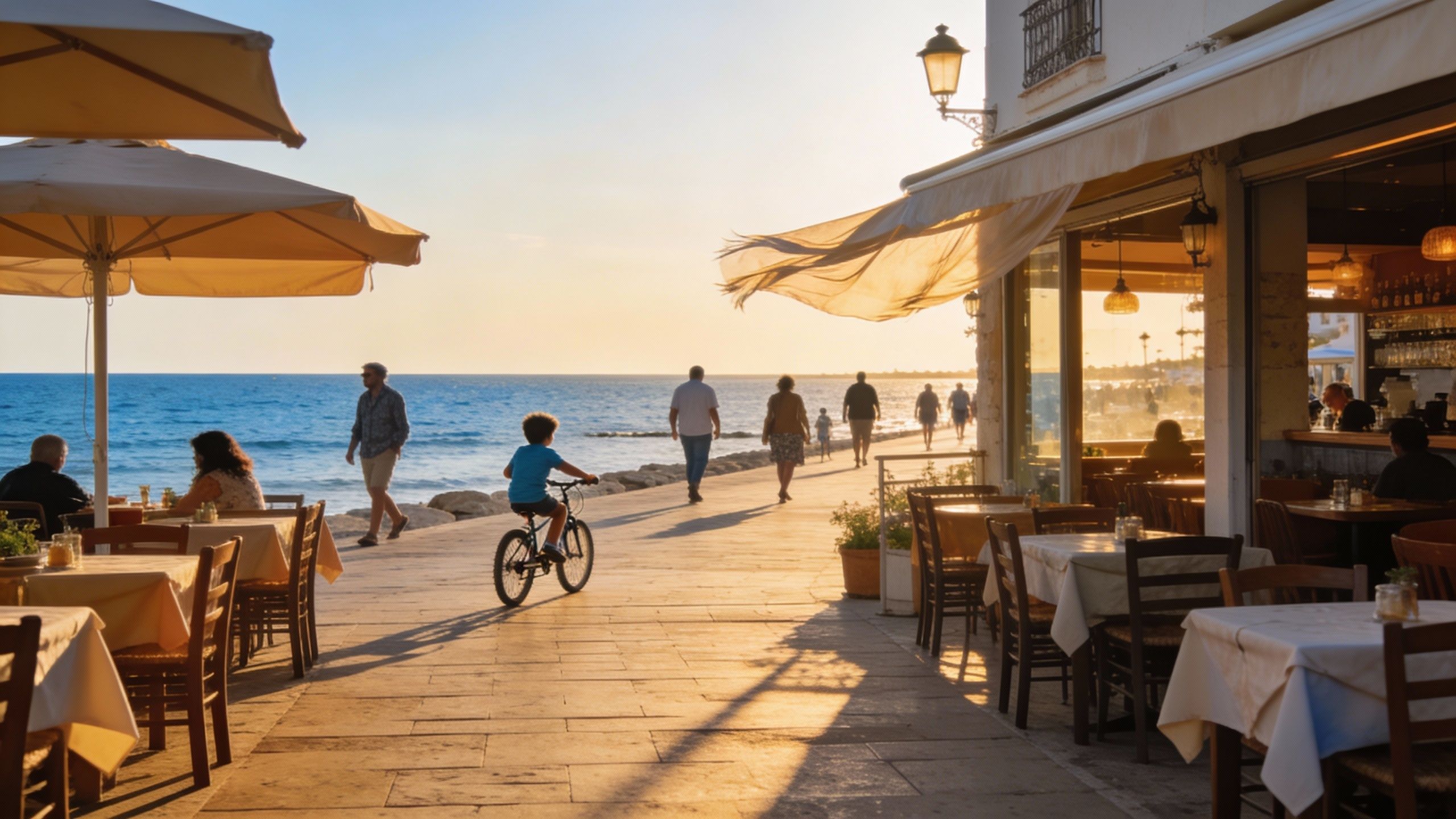
Imagine waking to espresso steam on a Nicosia balcony, or to the Mediterranean light spilling across a Paphos terrace. Cyprus sells that slow‑solar rhythm: markets that open late, tavernas that feel generational, and a coastline that changes by the hour. But for international buyers the real questions are usually quieter: where does the tax code reward your lifestyle, which neighbourhoods keep paperwork moving, and how does residency shape the long‑term ledger? This guide foregrounds life first — streets, cafés, seasons — then shows how Cyprus’s regulatory levers (non‑dom status, VAT vs transfer fees, residency rules) should shape the street you buy on.
Living Cyprus: sunlight, sea and neighbourhood rhythm

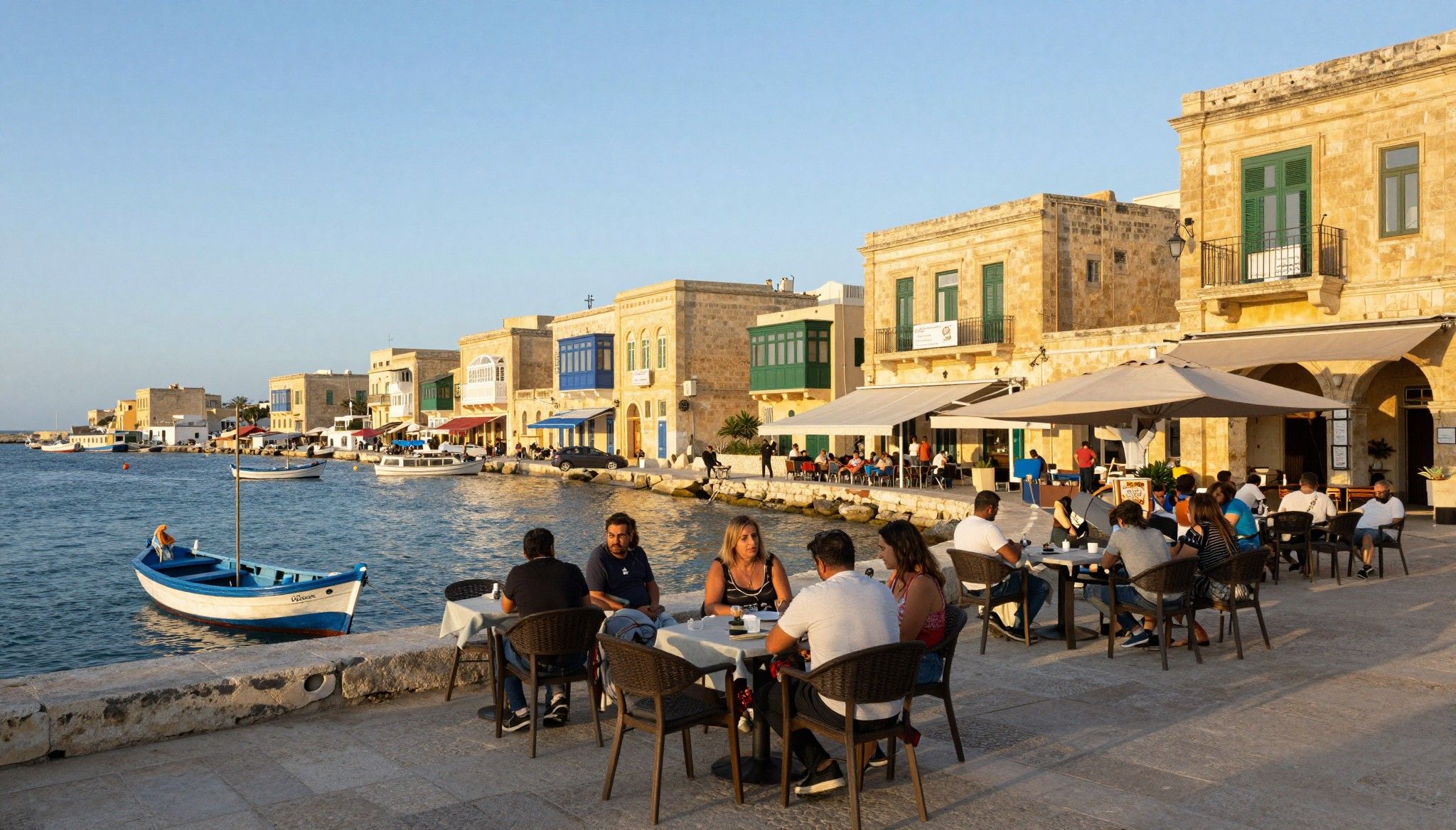
Move through Limassol’s Molos promenade at 09:00 and you’ll meet joggers, grandparents with shopping bags, and cafés pulling short espressos — a compact urban life where modern marinas sit beside Ottoman lanes. In Larnaca the beachfront promenade blends fishing boats and family tavernas; in Troodos, stone villages still close at noon for siesta. These are not postcards; they influence daily needs: proximity to a marina changes maintenance and insurance costs; mountain homes bring winter heating bills and different planning rules. Think less “coast or city” and more “which daily rhythm do you want to buy into?”
Neighbourhood spotlight: Limassol Old Port & Agios Nikolaos
On Ayiou Andreou and the lanes behind the Old Port you’re a five‑minute walk from fish tavernas, galleries and the municipality market. Properties here vary — converted merchant houses, tight apartments above shops, and a handful of modern blocks — and the lived experience is street‑forward. For buyers attracted to walking life this neighbourhood reduces car dependency and gives easy rental demand during high season, but it also means higher noise and tighter parking rules; factor in condominium rules and communal fees when comparing asking prices.
Food, markets and weekend life
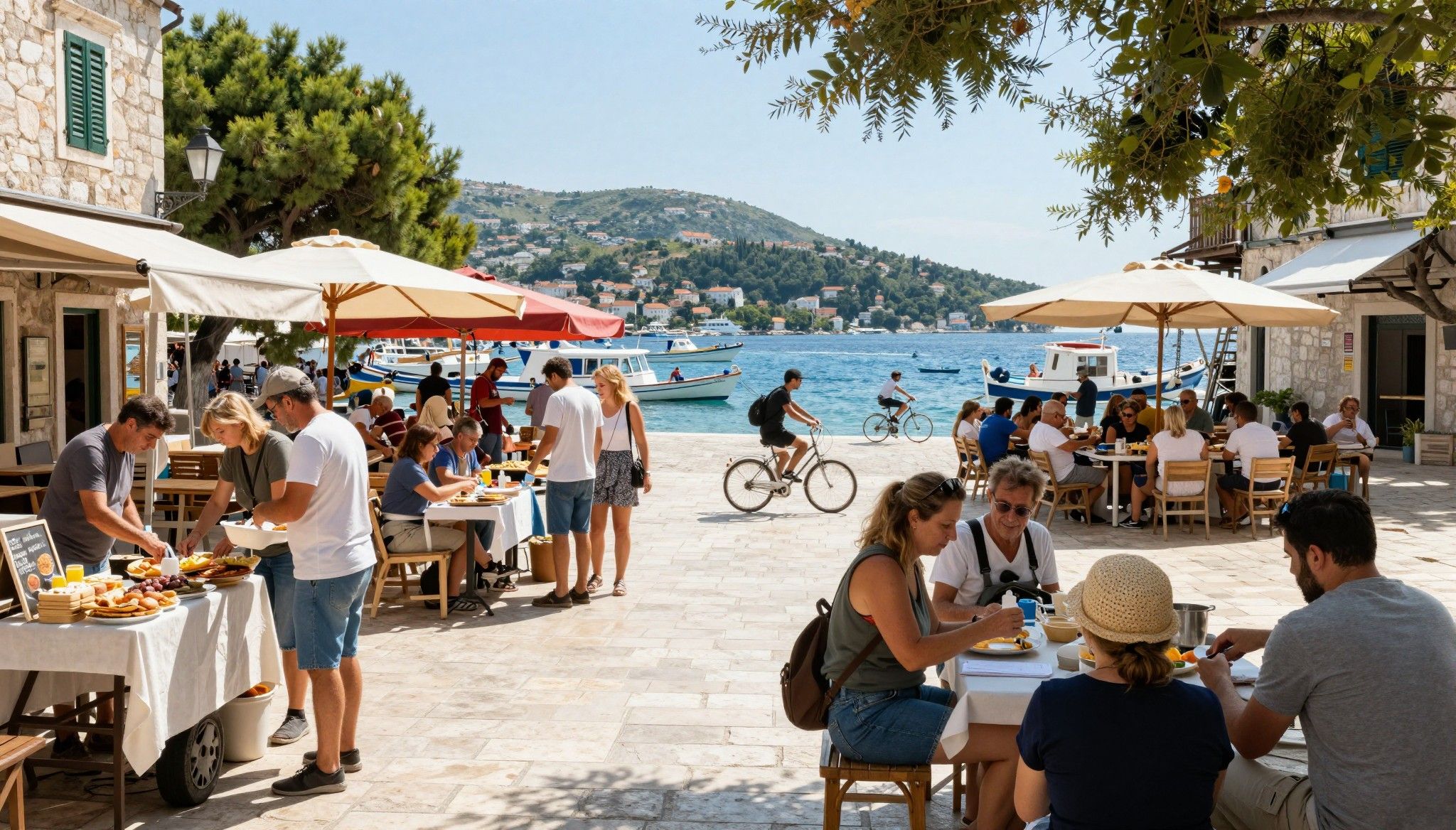
Saturday mornings in Nicosia’s Ledra Street market are where you’ll spot new residents learning to haggle over halloumi. Sea‑side towns host fish markets at dawn and sunset meze that stretch late. Seasonal rhythms matter: summer brings tourists and short‑term rental income; winter gives you quieter community life and lower utility use. For buyers who imagine living year‑round, check local market calendars — festivals and slow seasons affect occupancy patterns and, by extension, short‑let viability.
- Lifestyle highlights to test on a visit: • Espresso at To Kafeneio (Limassol Old Port) and watching fishermen; • Sunday walk on Finikoudes promenade, Larnaca; • Weeknight meze on Tombs of the Kings road, Paphos; • Hike and winter chestnut festivals in Troodos; • Farmers’ market on Makariou Avenue, Nicosia.
Making the move: where regulation meets the life you want

Once lifestyle is clear, the purchase calculus pivots to the tax and title consequences. Cyprus’s purchase costs are simple to model but easy to misapply: new builds typically attract VAT (often 19%) and then no Land Registry transfer fees, while resale purchases avoid VAT but incur transfer fees (3–8%) and stamp duty. Those splits should move your attention from headline price to buy‑net cost. For example, a seaside apartment sold off‑plan for €350,000 with VAT can be cheaper at closing than a resale asking a similar price once transfer fees and stamp are added.
Property types and the practical trade‑offs
New developments give modern amenities and clearer snagging processes but bring VAT and developer risk; older houses offer character, lower upfront tax in some cases and potential for renovation value. If you plan to live here and qualify for the reduced VAT on a primary residence, the first 130m² may be taxed at a lower 5% rate — but conditions apply, including occupation rules. Always ask for the developer’s VAT status and request an itemised contract showing VAT treatment; that alone can change the effective price by tens of thousands of euros.
- Steps to align lifestyle with regulatory advantage:
1. Map your daily life: list the three most important neighbourhood amenities (shoreline, market, hospital). 2. Check VAT vs transfer fee exposure on shortlisted properties — request written confirmation. 3. Confirm title clarity and outstanding mortgages via your lawyer before exchanging contracts. 4. Model one‑ and five‑year cash flows including municipal fees, communal costs and likely short‑let income. 5. If residency matters, check whether your planned move qualifies you for Cyprus tax residency or non‑dom status.
Insider knowledge: the non‑dom tilt and what expats wish they'd known
One regulatory point that subtly reshapes buying choices is Cyprus’s non‑dom regime. Many foreign buyers become Cyprus tax residents but retain non‑dom status; that typically exempts them from the Special Defence Contribution on dividends, interest and certain rentals. For investors with income from dividends or international portfolios, this can make a Cyprus base materially tax‑efficient and tilt the decision toward properties in urban centres (Nicosia, Limassol) where banking, legal and family services concentrate. Treat non‑dom status as part of asset allocation, not an abstract benefit.
Cultural and practical caveats — title deeds and timing
Cyprus’s Land Registry process is functional but can lag on older properties; a completed contract is not the same as registered title. Insist your lawyer obtains a recent title search and a certificate of no encumbrance. Timing your visit matters: avoid house hunting only in August when many local professionals are on leave. Instead, visit in April–June or October, when agents, lawyers and banks are fully available and you can test the day‑to‑day rhythm you’ll buy into.
Red flags local buyers warn about:
- • Unclear VAT status on contract — ask for developer VAT registration; • Title older than 20 years without recent survey; • Promises of immediate residency tied to purchase without written confirmation; • Communal accounts with unpaid maintenance on apartment blocks; • Unexplained withholding of planning permissions for extensions.
Buyers who treat Cyprus as a lifestyle choice, then let the regulatory picture refine the exact address, tend to be happiest. Choose the neighbourhood you can picture a week of ordinary life in. Then use tax rules — VAT vs transfer fees, non‑dom exemptions, capital gains rules — as tools to shape financing and ownership structure. Work with a local lawyer familiar with your nationality’s tax treaty profile and ask your agent for recent comparable sales that show the final landed cost, not just the asking price.
If you want a quick checklist for the next steps: pick three neighbourhoods, request two full contracts (one new build, one resale) and ask your lawyer to produce a landed‑cost comparison including VAT, transfer fees, stamp duty and likely communal charges. For lifestyle clarity, spend a week living like a local in each: buy at the market, try the commute, and ask neighbours about winter life. Those signals — sound of the street, municipal services, and the local property ledger — tell you more than any headline price.
Swedish expat who moved from Stockholm to Marbella in 2018. Specializes in cross-border legal navigation and residency considerations for Scandinavian buyers.