Why buying new in Cyprus can save you tens of thousands
New vs resale in Cyprus isn’t just aesthetics — VAT or transfer‑fee treatment can swing closing costs by tens of thousands. Match lifestyle to the right legal choice.

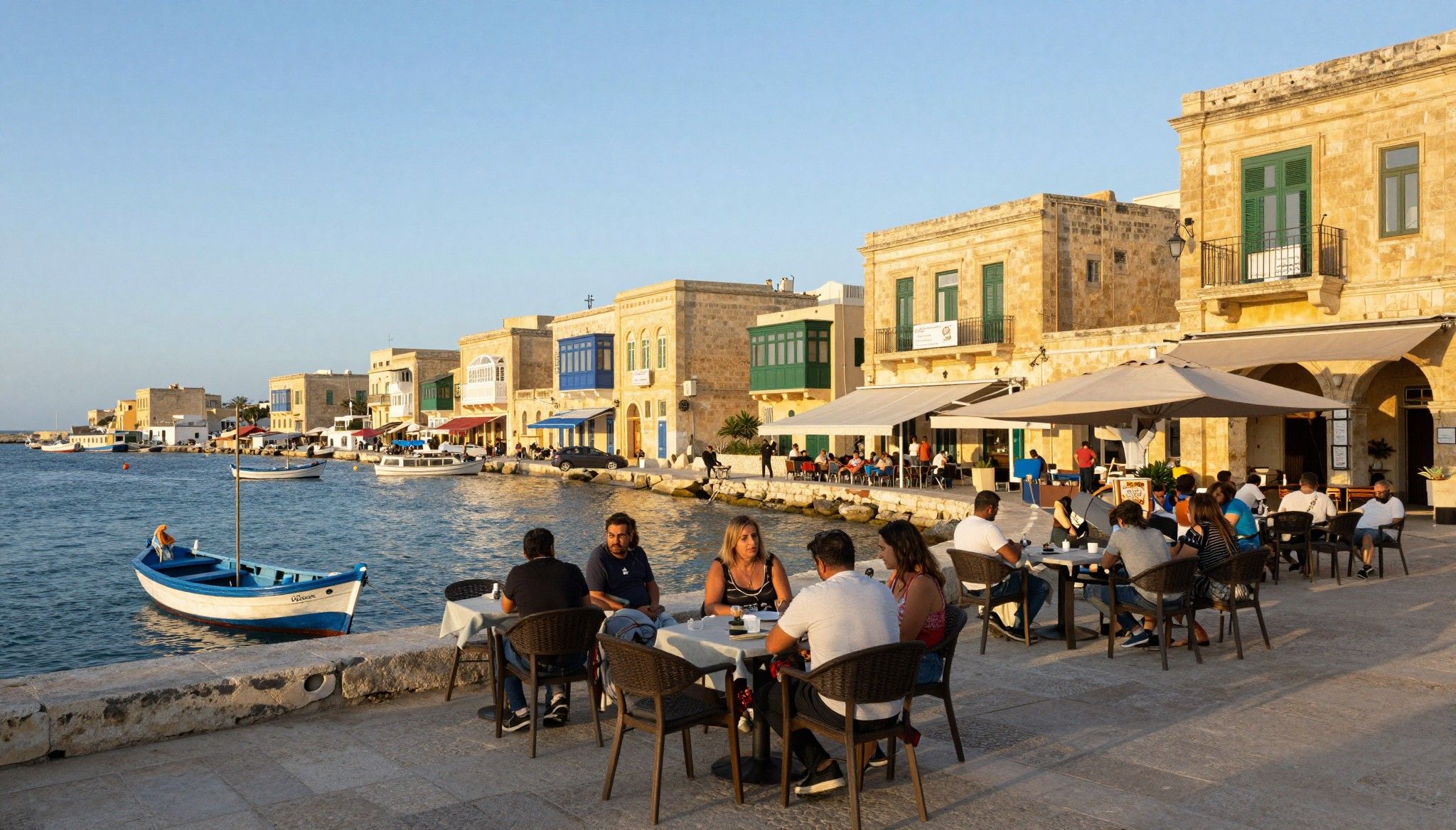
Imagine stepping out for a morning espresso on Limassol’s Molos, then signing a purchase agreement before lunch. Cyprus sells that day‑to‑day easily: beaches an easy errand, villages with weekly markets, and a small‑country tempo that speeds up around festivals and slows at siesta time. Yet the transaction logic here is quietly different from the seaside postcard. The tax and registration choices you make — new vs resale, VAT vs transfer fees, title structure — can change your out‑of‑pocket by tens of thousands of euros.
Living Cyprus: texture, tempo and why it matters to buyers

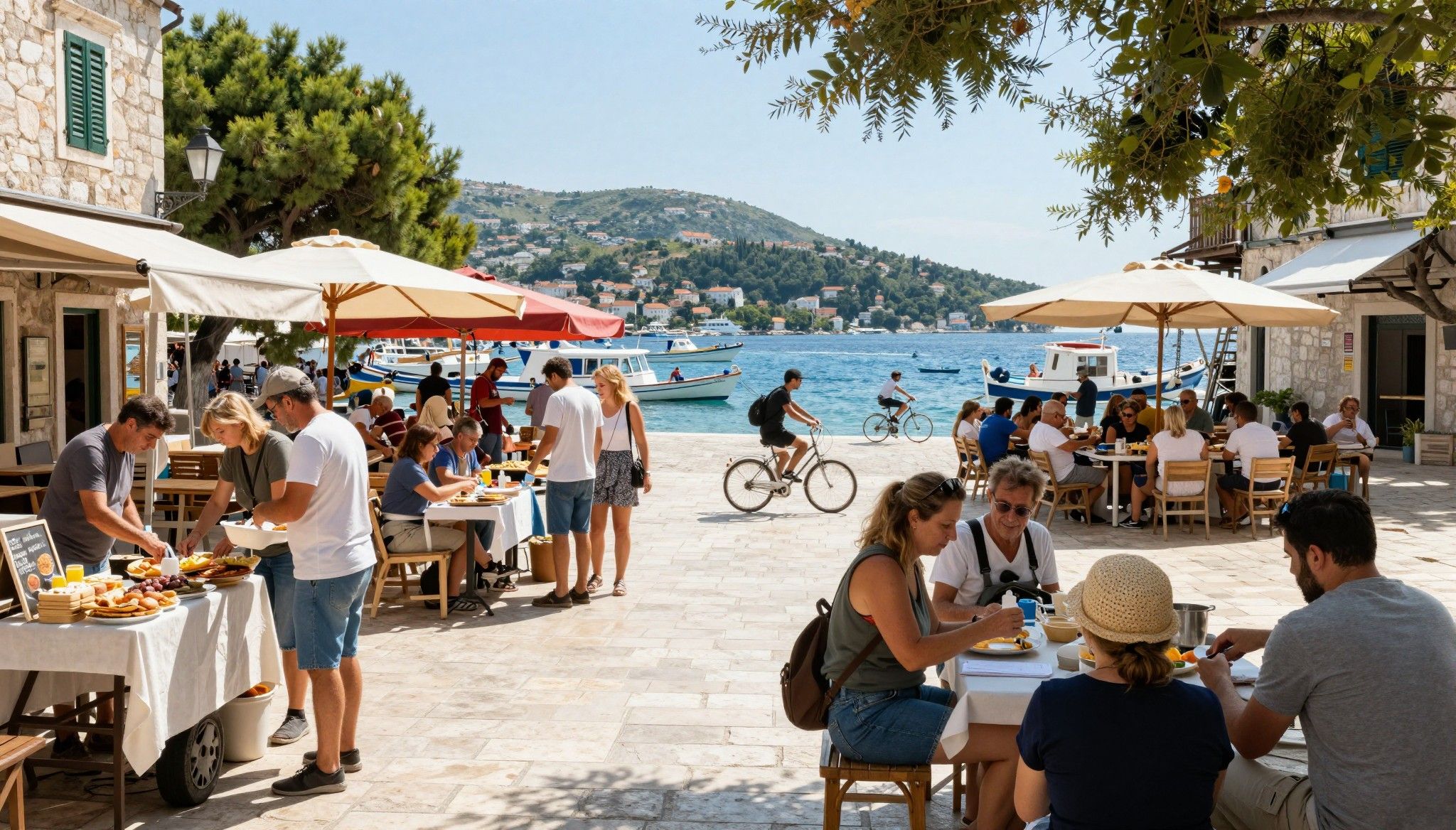
Cyprus feels Mediterranean in the small things: strong coffee at 08:00, tavernas filling by 20:00, and weekend barbecues that stretch into the night. Cape Greco’s cliff trails, the pebble beaches of Paphos, and the narrow lanes of Nicosia’s old town each set a different rhythm. For a buyer, the rhythm matters because it defines the house you need — a seafront apartment for morning swims, a mountain house for quiet winters, or a town flat near international schools. Location is lifestyle; transaction structure is the mechanism that turns that lifestyle into a secure asset.
Limassol’s dual personality: marina gloss, municipal reality
Walk the Limassol Marina by sunset and you’ll meet developers, yacht owners and families in equal measure. The shiny new builds command attention — and VAT treatment — while older apartments in Agios Nikolaos and Old Town trade more on street life than finishes. Practically, that split means different tax outcomes: new, VAT‑charged units are exempt from transfer fees; resales pay transfer fees but avoid VAT. That single structural difference should shape whether you prioritise new finishes or street character.
Paphos and Troodos: seasonal life, year‑round obligations
Paphos hums in summer with archaeological tours and seaside dining; Troodos is where locals escape heat and renovate old stone houses. But seasons don’t pause bills. Municipal rates, utilities and occasional maintenance are constant; structural repairs in mountain villages can be more expensive than insurance suggests. When weighing a lifestyle move, budget for off‑season running costs as part of your purchase price and ask sellers for recent utility and maintenance receipts.
- Lifestyle highlights: Limassol Marina, Molos waterfront; Old Nicosia cafes (Ledra Street side lanes); Coral Bay for family beaches; Polis market mornings; Troodos hiking and village tavernas.
Making the move: practical transaction choices that shape your life

Once the lifestyle decision is made, technical choices determine cost and flexibility. Cyprus separates new builds (VAT regime) from resales (transfer fees), and that separation is the single most tangible way buyers save or spend. Recent consolidated guides and Land Registry practice show transfer fees are progressive (3% / 5% / 8%) while VAT typically applies to developers’ new stock. Understand which regime applies before you sign: it’s the simplest way to avoid a five‑figure surprise at closing.
Property styles and the cost tradeoffs
A new two‑bed by the sea may show a VAT line on the contract; a charming resale in the same block will show transfer fees instead. VAT on a new build (standard 19% or reduced bands for first homes) can be large, but it eliminates transfer fees and sometimes offers clearer title delivery schedules. Resales incur the progressive transfer fee but may be negotiable on price and often deliver immediate community. Match the property type to your use: short‑term rental investors often prefer clear VAT treatment; long‑term residents might prefer resale bargains and lower annual taxes.
Working with local experts who speak both languages — literal and cultural
A Cyprus lawyer plus an accountant are mandatory partners; a local agent who knows municipal quirks is invaluable. Lawyers register deeds with the Department of Lands and Surveys and can check for encumbrances; accountants advise on residency and tax structuring such as 'non‑dom' status. Recent defensive tax measures for cross‑border payments (introduced in 2025) show Cyprus’ tax landscape can shift quickly. Work with advisers who read government gazettes and RRP commitments, not just glossy developer brochures.
- Steps that blend lifestyle and legal certainty: 1. Confirm whether the property is VATable or a resale — this determines transfer fee exposure. 2. Ask for recent title documentation and a land registry encumbrance report; insist on lawyer review before deposit. 3. Run a cost comparison: VAT upfront vs transfer fee net — include municipal levies and likely renovation costs. 4. If you plan rentals, model income after municipal and social insurance costs, not just gross summer yield.
Insider knowledge: myths, red flags and expat lessons
Myth: Cyprus still offers a straightforward 'golden passport' route. Fact: the controversial citizenship‑by‑investment scheme is defunct and has been the subject of revocations and reforms. That matters because previous headline yields and price spikes were partially driven by that program; the market since its end is recalibrating. Treat past price comparisons with caution and focus on current fundamentals: tourism flow, energy sector changes, and local demand.
Cultural red flags and title checks that saved buyers
Where buyers get surprised: incomplete permits for sea‑front terraces, communal accounts with unpaid maintenance, and undeclared developer guarantees. Ask for planning permits and completion certificates and confirm communal fund balances. Also verify whether the seller paid VAT at construction — if they did, the buyer should not face transfer fees. These checks turn a dream terrace into a predictable cost line rather than a recurring headache.
Long‑term lifestyle thinking: tax status and residency
Cyprus offers attractive fiscal features for long‑term residents, including non‑dom regimes that historically exempt certain foreign income and dividends for a set period. Residency routes are administrative and require clear documentation of income, health cover and, sometimes, property ownership. For buyers intending to retire or relocate, align property purchase timing with residency application steps to avoid costly interim periods where benefits aren’t available.
- Practical red flags and smart checks: • No land registry encumbrance report provided — insist on one. • Missing completion certificate for terraces or pools. • Seller claims 'VAT paid' but cannot produce invoices. • Communal sinking fund balance unclear or negative.
Buying in Cyprus is equal parts romance and ledger work. The island rewards the curious buyer who tastes the markets — an almond‑scented old town pastry, a Paphos sunset — and then asks the right legal questions. Start with a clear lifestyle brief, then let local legal and tax experts translate it into contract clauses and title checks. If you want help prioritising neighbourhoods that match your life, or a checklist to give your lawyer, we can assemble a focused due‑diligence pack that pairs the experience you want with the certainty you need.
Danish investment specialist who relocated to Costa del Sol in 2015. Focuses on data-driven market timing and long-term value for Danish buyers.