Why Italy’s Undervalued Towns Offer Real Lifestyle Value
Italy’s real estate opportunity is in overlooked towns and seasons — align lifestyle rhythms with data from ISTAT and local portals to find undervalued, liveable homes.
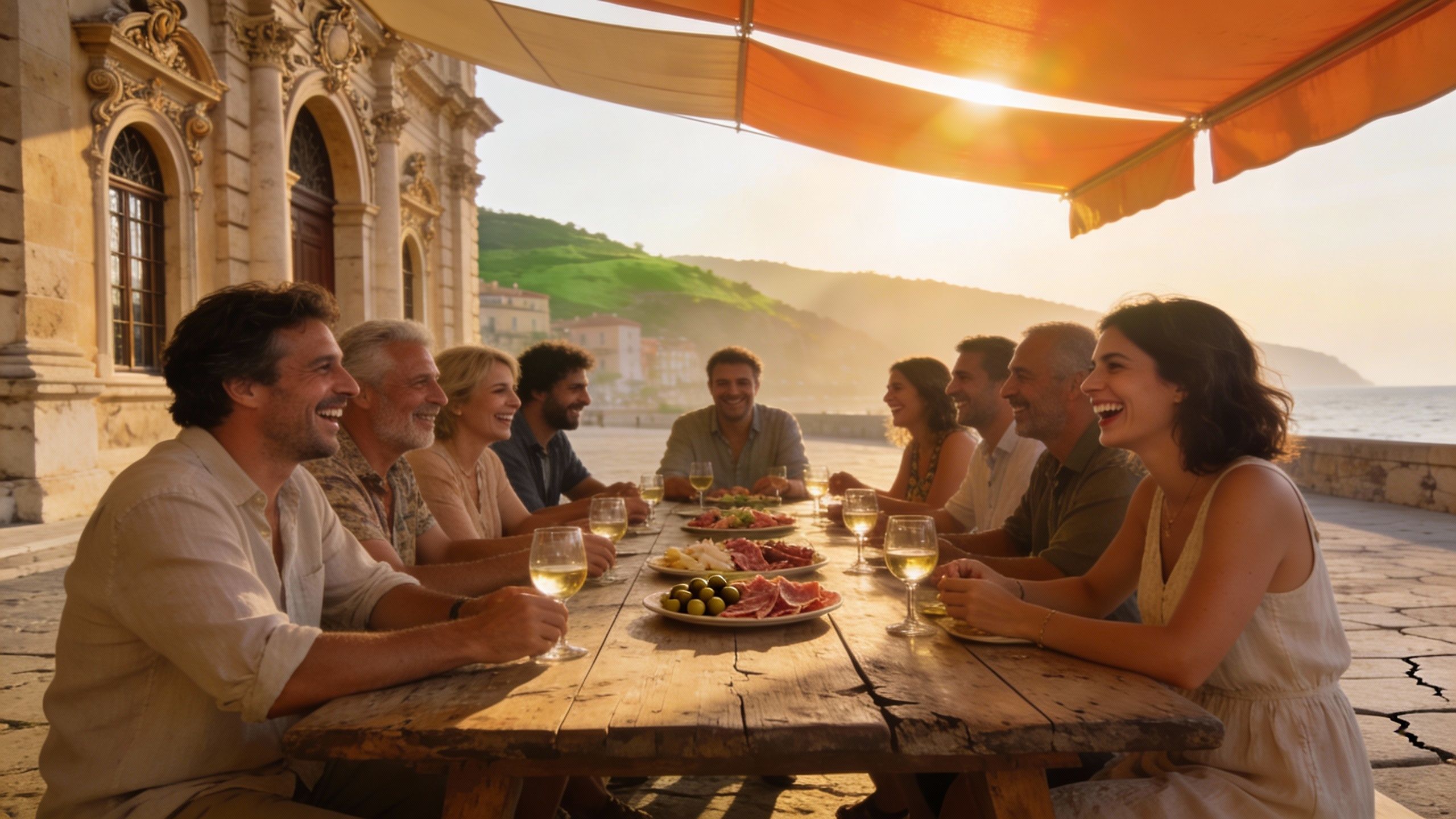
Imagine the sound of a morning market in Lecce, espresso steamed into silence on a narrow street in Trastevere, and a late‑afternoon swim off a quiet Calabrian cove. Italy’s appeal is sensory, local and unexpected — and that reality shapes where smart buyers look beyond headline cities.
Living the Italian life: texture, seasonality, neighbourhoods
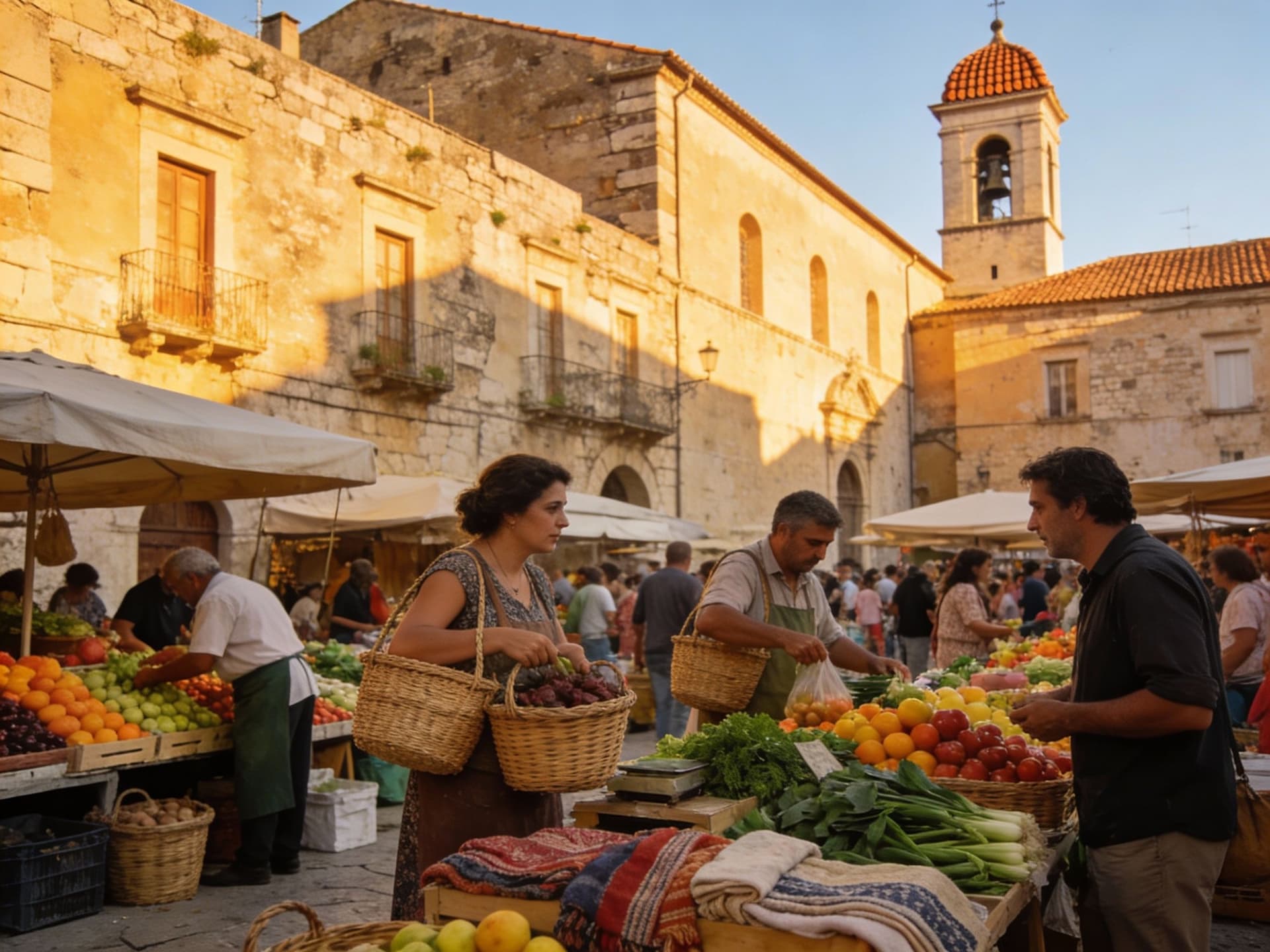
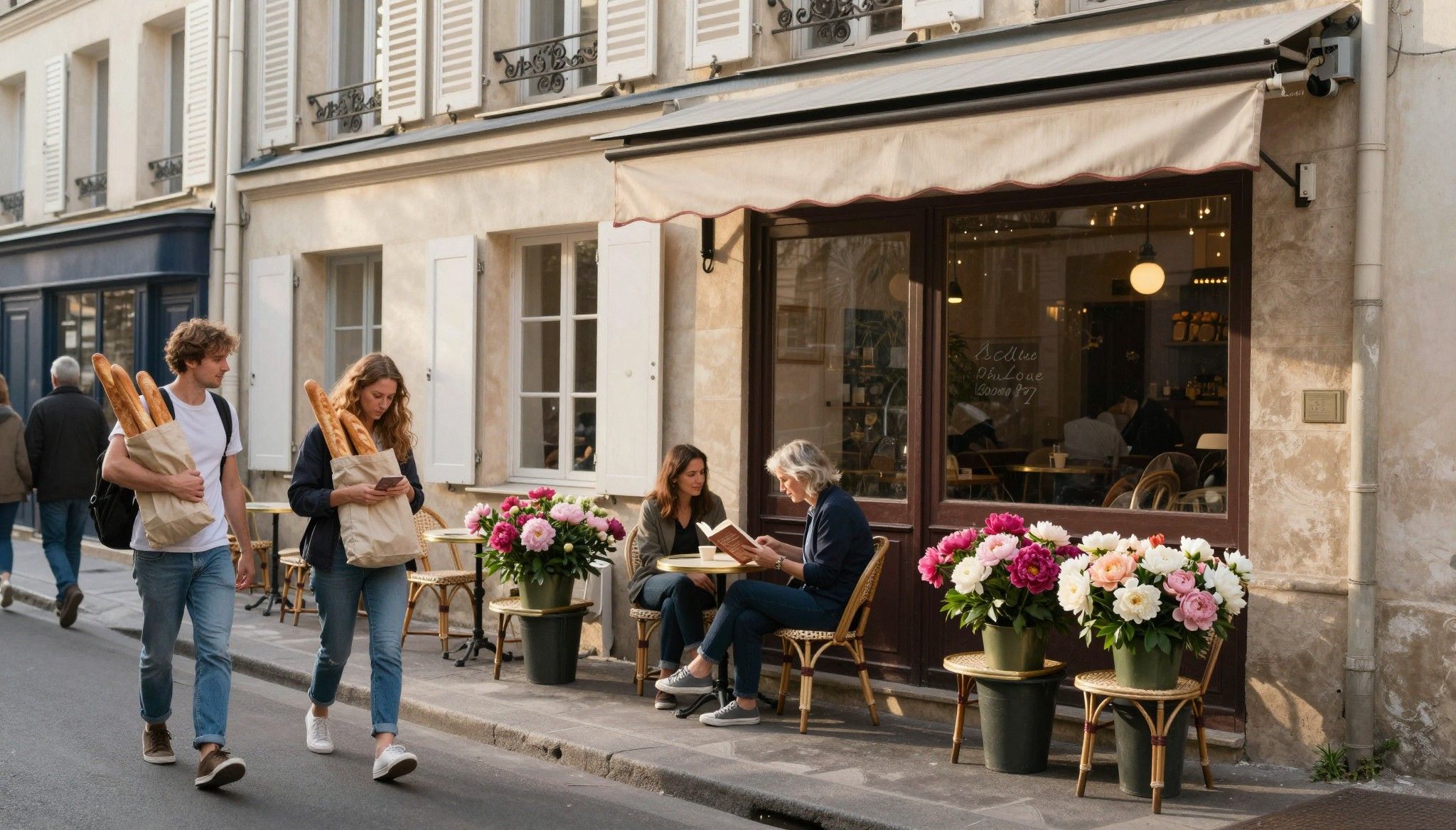
Daily life in Italy is organised around place. Mornings belong to the bar (espresso and quick conversation), afternoons bend toward long food markets or siesta rhythms in villages, and evenings centre on piazzas. These patterns determine what matters in a home: proximity to a quality market, a balcony for sunlight, and outdoor space for social life.
Neighborhood spotlight: Pigneto, Lecce, and Ortigia
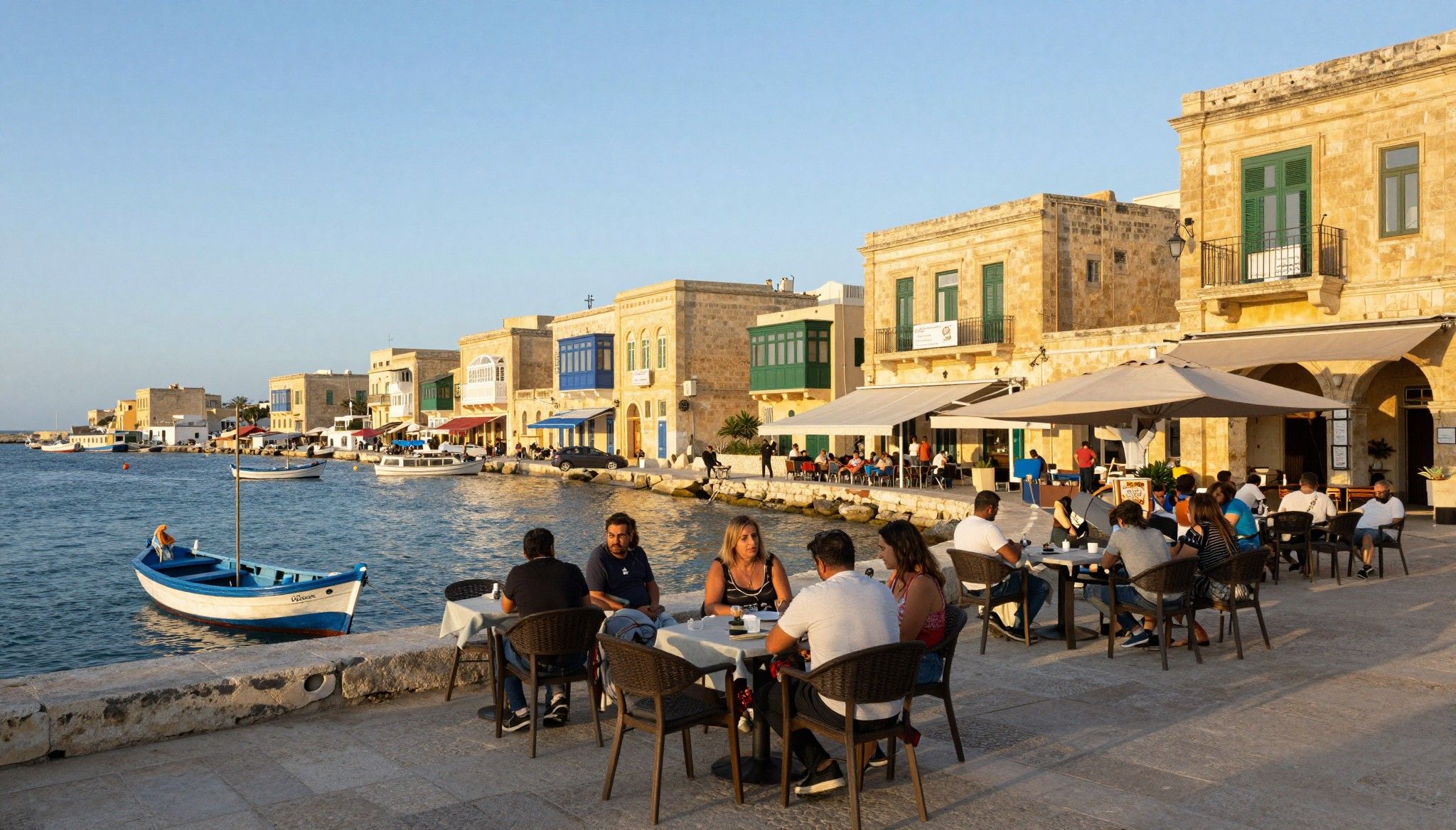
Pigneto (Rome) feels like a late‑night collective: trattorie, murals and small galleries. Lecce’s baroque alleys reward slow wandering and day‑to‑day village living. Ortigia (Syracuse) is waterfront compactness — morning fish markets, afternoon shade, and a small‑city social life that substitutes for urban anonymity.
Food, markets and seasonal life
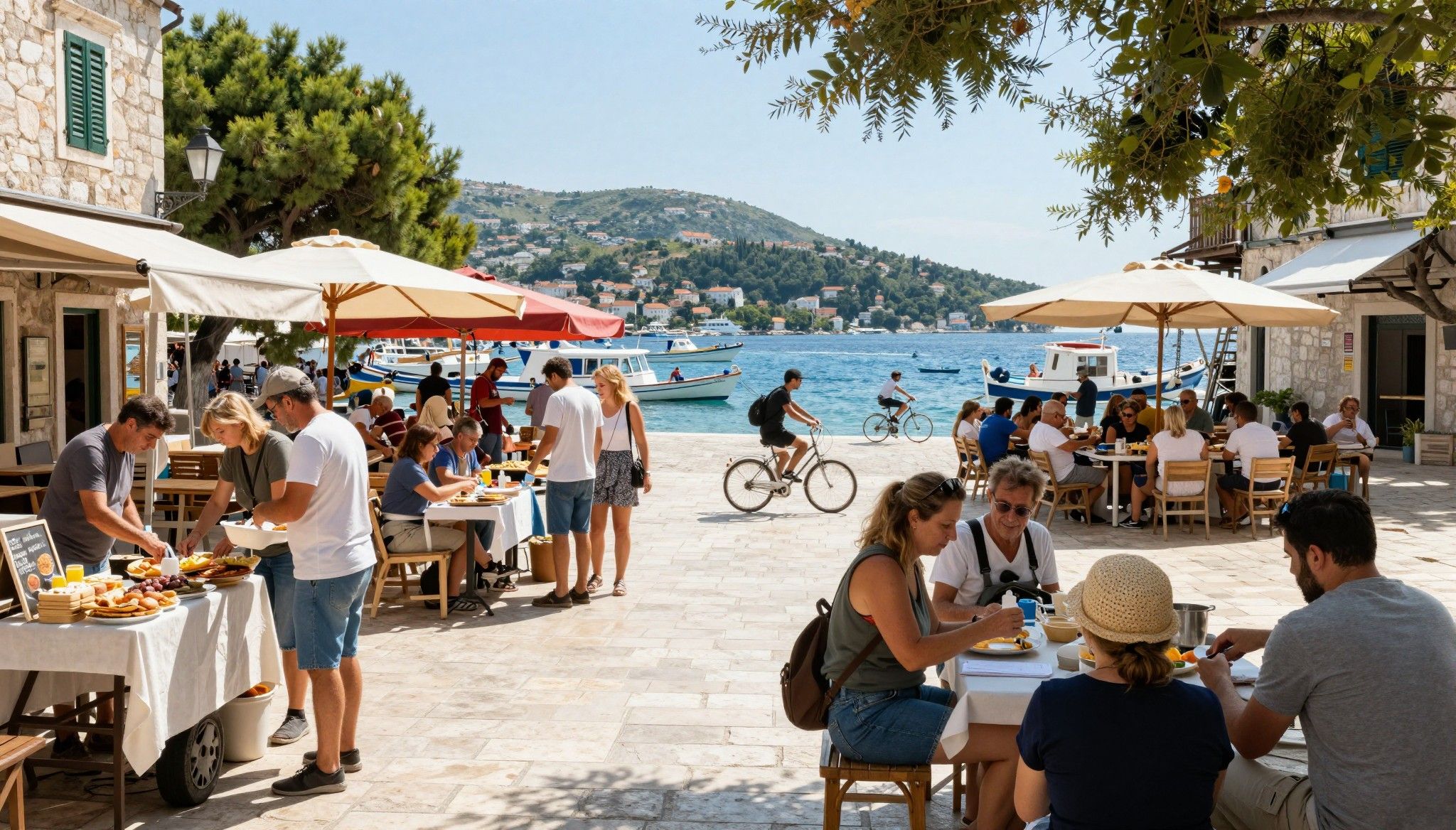
Food anchors community. Look for homes a 5–15 minute walk from a covered market or key bakery — these are the streets that fill with life. Seasons rewrite the calendar: harvest festivals in autumn, beach towns quiet in winter. For buyers, that means choosing a home that suits the 9–12 months you will actually live in it, not only the postcard months.
- Lifestyle highlights: real places to note
- Morning fish market at Ortigia — living beside it gives daily freshness and a predictable social rhythm.
- Lecce’s Piazza Sant’Oronzo cafés — ideal for those who prize walkable civic life over private gardens.
- Pigneto’s artisan shops and late-night dining — good for buyers who want cultural buzz within a commuter radius.
Making the move: practical considerations that respect the life you want
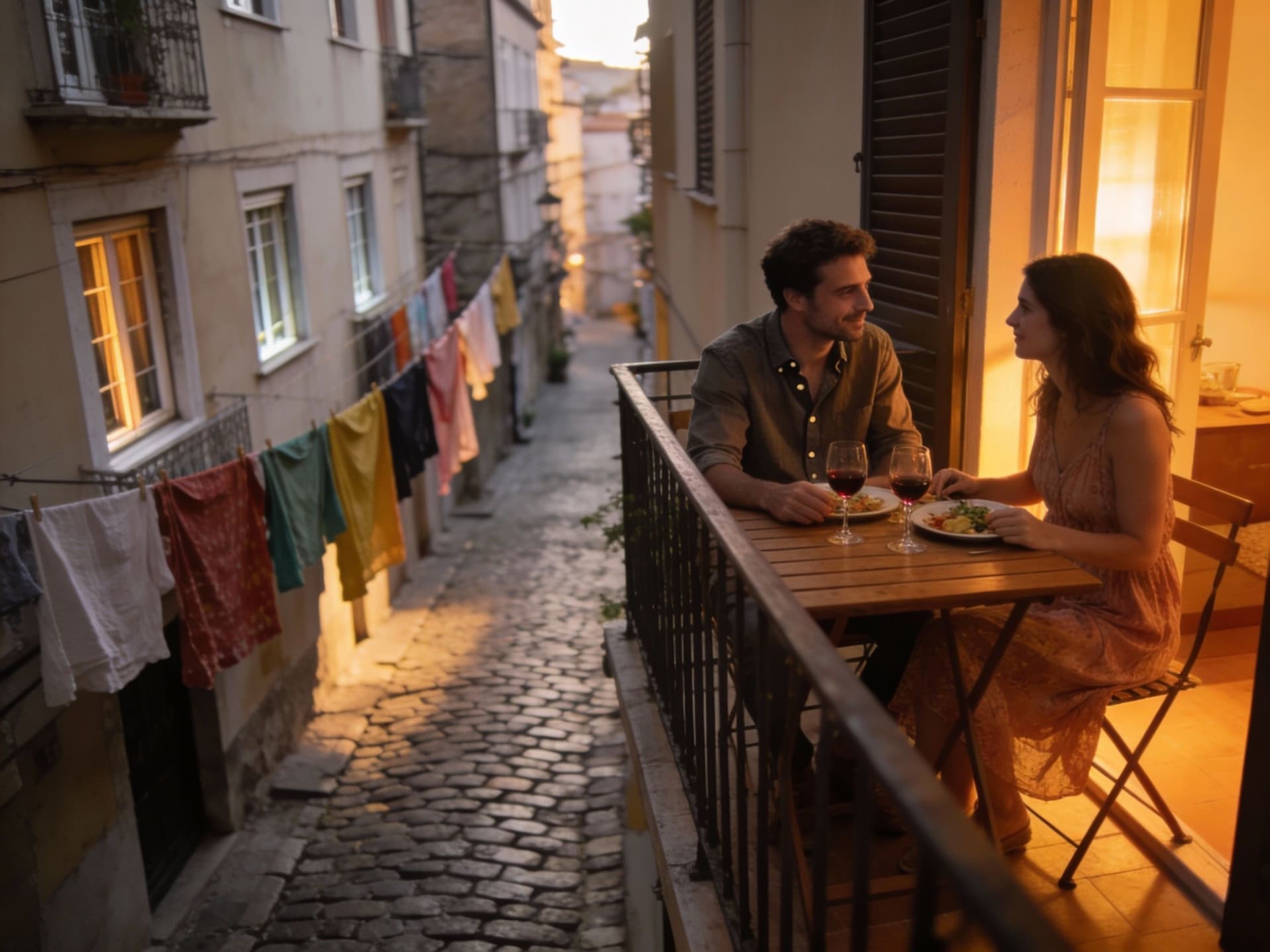
Italy’s market is diverse: national indices show modest price growth in recent quarters, but regional dispersion is wide. Data from national statistics and major portals confirm that city centres like Milan and Venice command high premiums while many southern and inland towns remain undervalued relative to lifestyle quality.
Property styles and how they shape daily life
A compact centro storico apartment gives immediate access to cafés and piazzas but often lacks storage and private outdoor space. A renovated farmhouse (masseria) in Puglia offers land, privacy and a slower pace — but it requires investment in maintenance and, sometimes, utilities. Match type to routine: social buyers may prefer small‑block living; gardeners and cooks will value terraces and land.
Working with agencies who know the lifestyle
Local agents who live in the neighbourhood will steer you toward streets with real life — not just staged listings. Ask an agent for recent examples: a favourite café within 300 metres, weekend market days, and a maintenance estimate for older buildings. Those details reveal whether a property supports the life you want.
- Six practical lifestyle-plus steps before you bid
- Visit in the season you plan to live there; observe weekday and weekend rhythms.
- Confirm proximity to daily conveniences: grocery, pharmacy, and public transport times.
- Request energy and maintenance costs for the last two years; older stone buildings often need surprising care.
- Check short‑term rental demand if you plan seasonal lets; coastal and heritage centres perform differently.
- Verify digital connectivity speeds if remote work is part of the plan.
Insider knowledge: the surprises expats consistently report
Expats tell the same three surprises: southern towns feel more connected locally than expected; bureaucracy often slows renovation timelines; and the real cost of comfortable living includes time and local relationships as much as money. Investors are also shifting attention from overheated Milan to cities with restoration projects and public investment.
Cultural integration and daily norms
Small courtesies matter: learn the rhythm of greetings, market haggling, and opening hours. Join a language class, but expect a slow build to fluency — neighbours appreciate consistent effort more than perfection. Integration happens in cafés, at the market stall and through local festivals.
Long‑term lifestyle considerations
Consider how sustainability of services affects longevity: hospitals, school options, and year‑round transport keep a place alive beyond tourism cycles. A house that sings in August may be lonely in January; check the year‑round community before committing.
- Red flags local buyers watch for
- Empty blocks around a property — signals of decline or future development risk.
- Unclear condominium accounts or deferred maintenance funds.
- Utility limitations in remote villages (networked water or broadband).
Conclusion: buy life, not a postcard. See the rhythms, verify the service backbone, and partner with an agent who lives the local calendar. If you want the quiet of an inland olive grove or the civic life of a small island centre, insist on proof — market data, recent maintenance records, and a week‑long visit in season. The right place in Italy rewards patience with daily life that feels both local and profoundly livable.
British expat who relocated to Marbella in 2012. Specializes in rigorous due diligence and cross-border investment strategies for UK and international buyers.