Italy: Coastal Charm, Hidden Value Inland
Coastal charm and inland value coexist in Italy. Seasonal rhythms, street-level signals and ISTAT data show where lifestyle and sensible buying meet—visit off-season and verify titles.
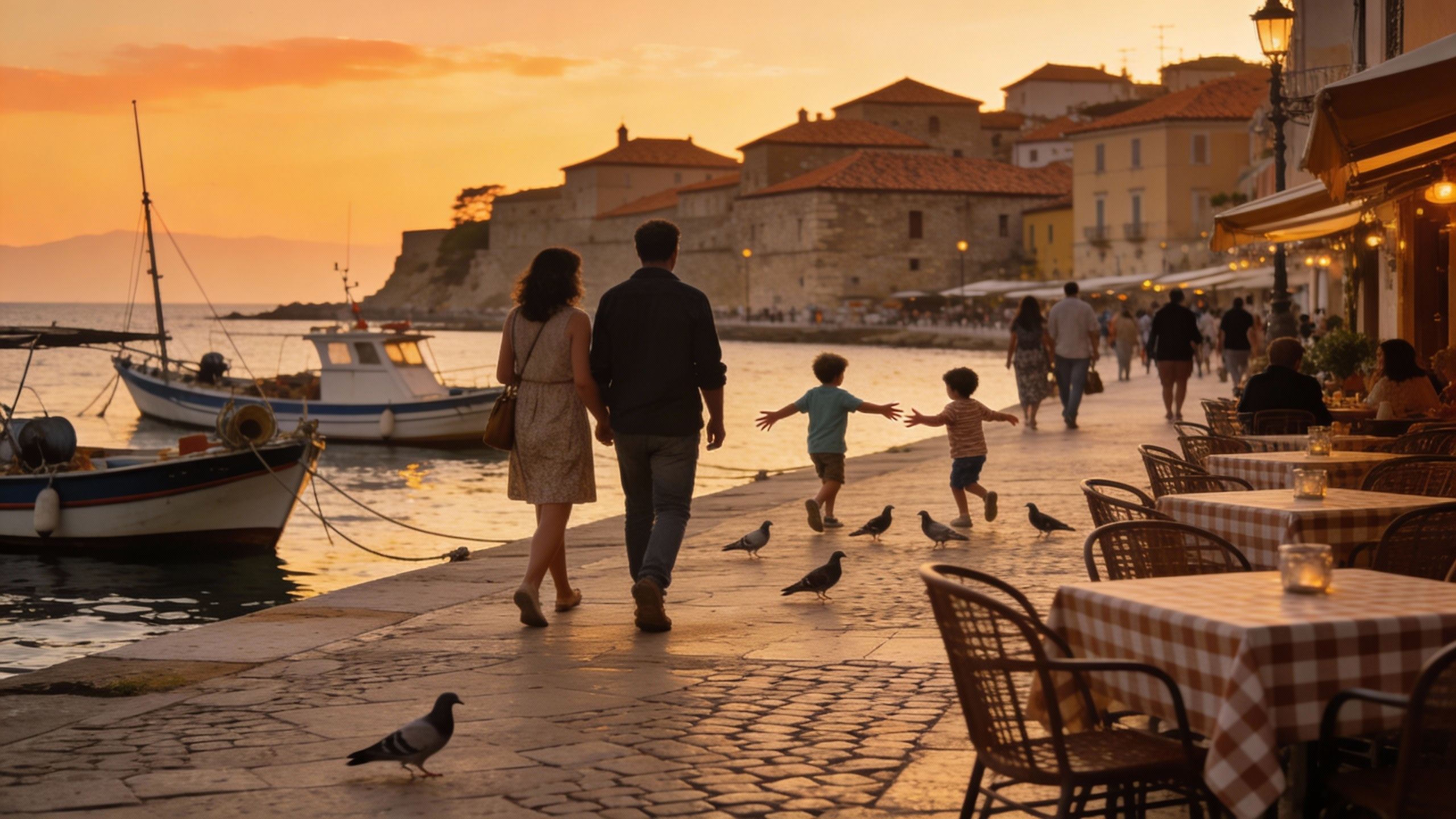
Imagine waking to an espresso on a sun-warmed balcony in Liguria, then swapping that sea-scented morning for an afternoon truffle hunt in Tuscany. Italy’s coastal life is cinematic, but the real opportunities for international buyers sit in contrasts: seafront glamour, working harbours, sleepy inland villages and towns where a careful buyer can buy lifestyle at a fraction of headline prices.
Living the Italian lifestyle — coastal romance, village routine
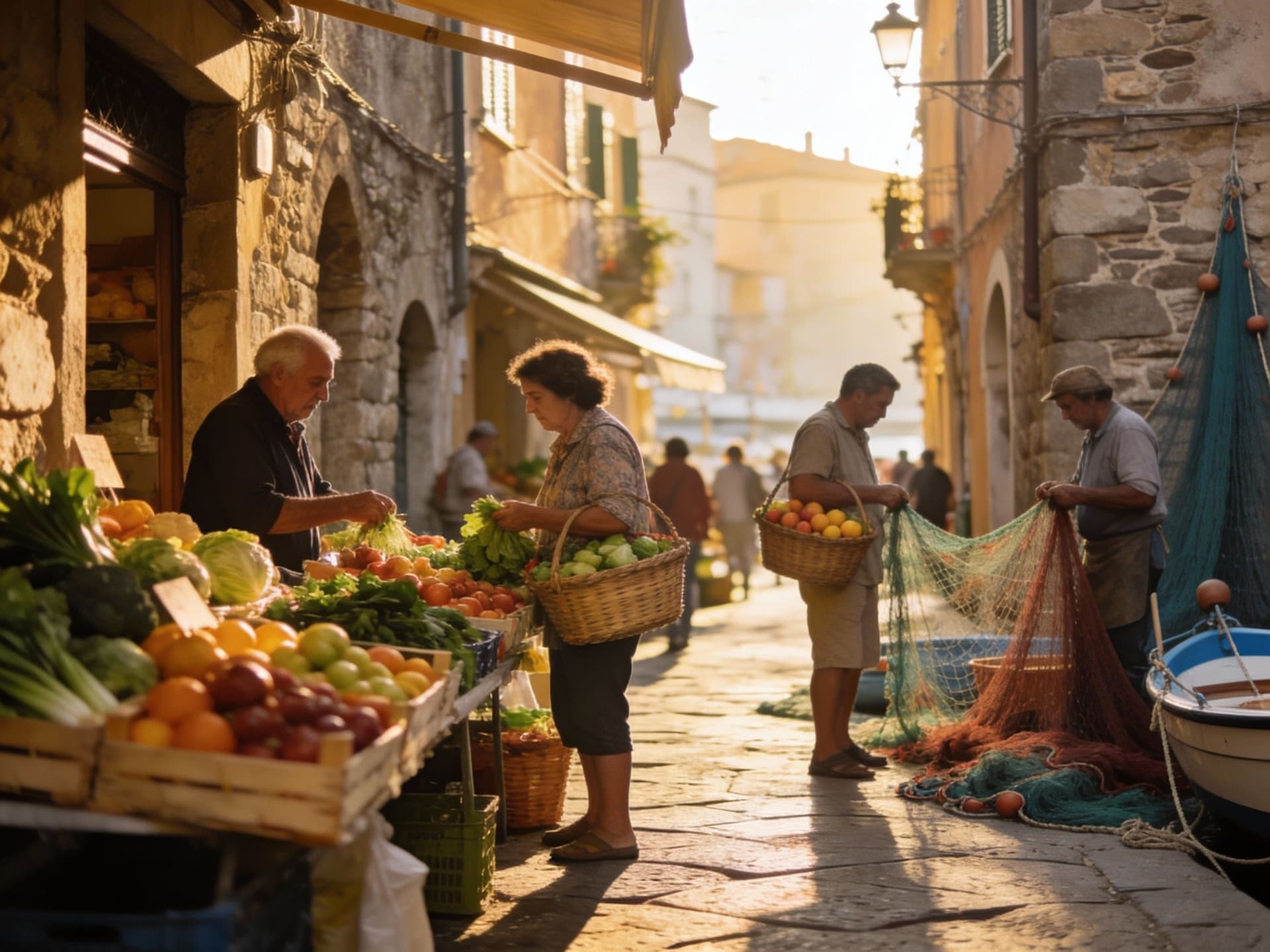
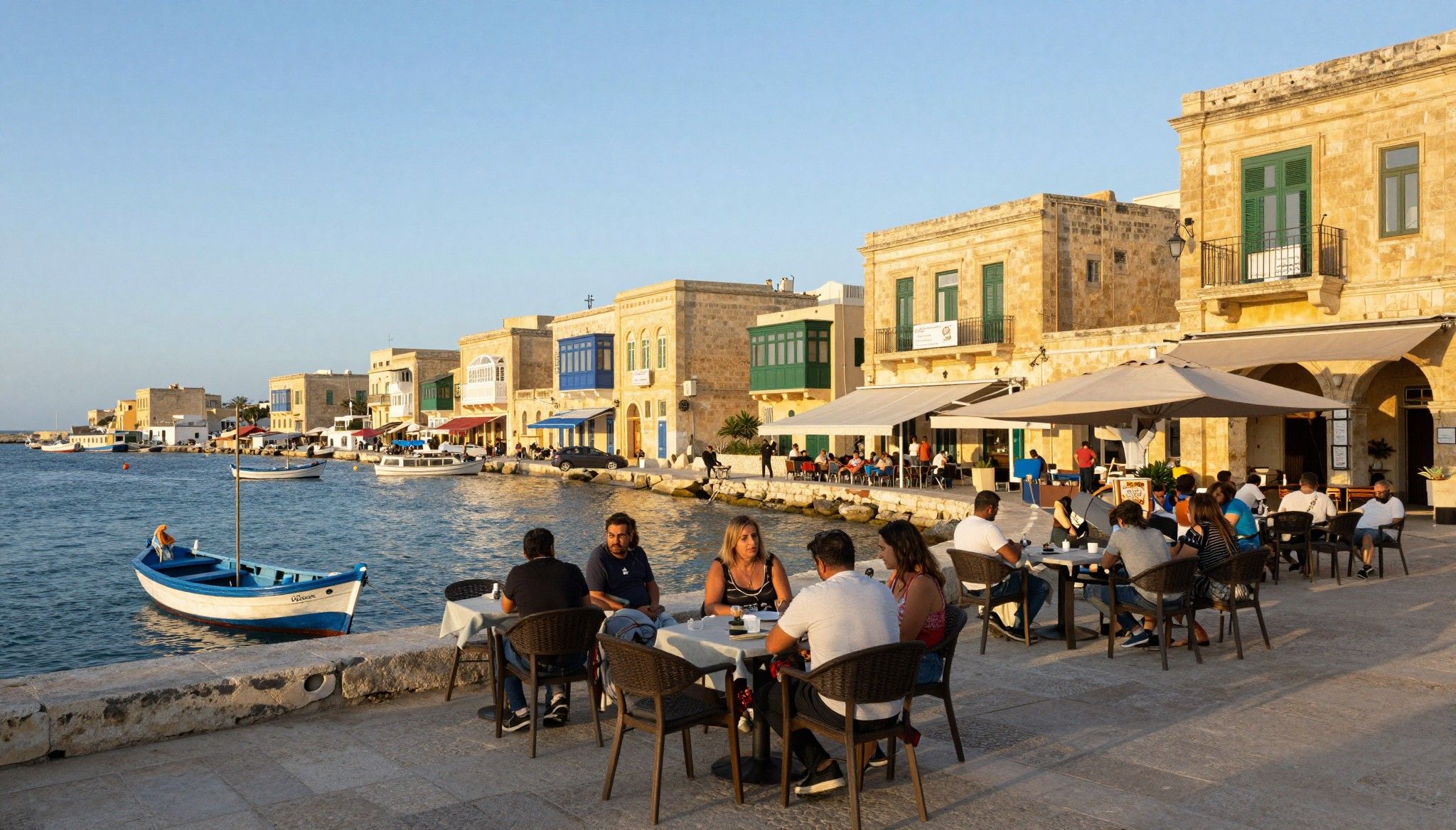
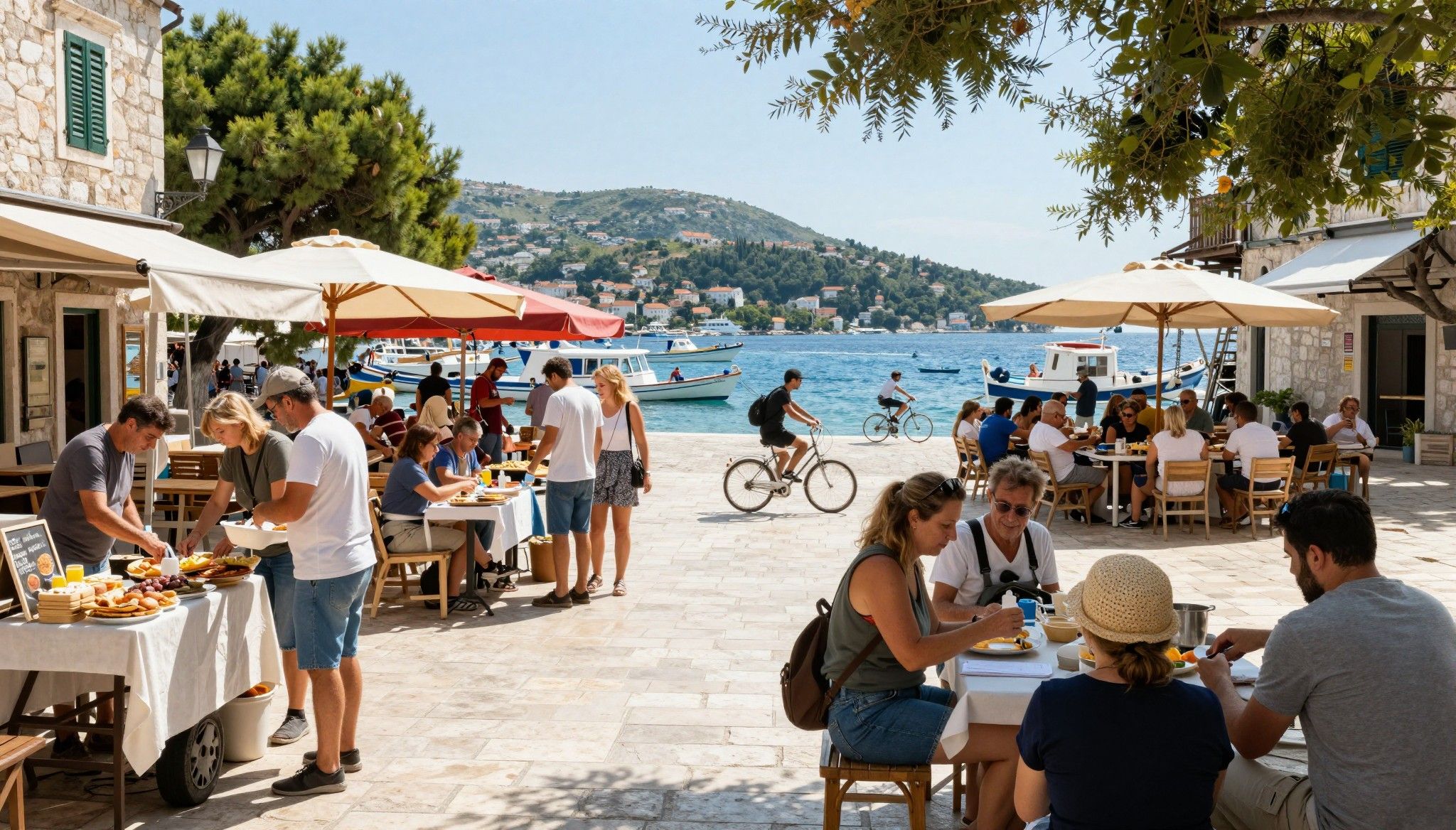
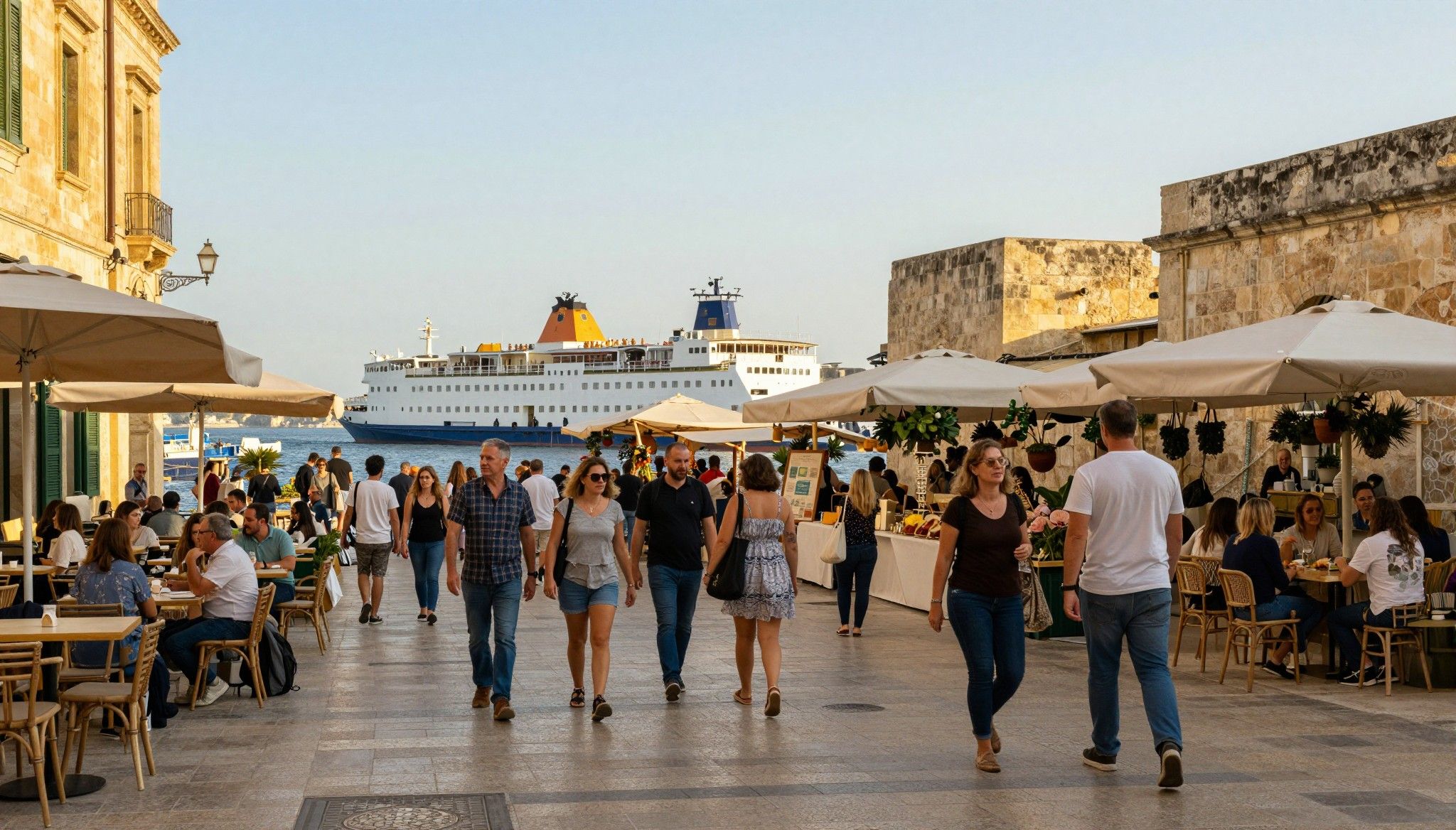
Daily life in coastal towns is about rhythm: morning markets, late lunches, and passeggiatas that gather neighbours on seawalls. In Genoa’s historic Carignano you’ll hear sea gulls over the tram clack. On the Amalfi Coast, narrow streets give way to terraces where lemon trees punctuate stone facades. Yet just inland—near Lucca or Umbria’s hill towns—life slows differently: communal market mornings, Saturday aperitivos in piazzas, and winters that reward a well‑insulated home.
Liguria & the Riviera: coastal texture, real buyers’ tips
Liguria rewards people who love tight streets and layered views. Portofino and Forte dei Marmi carry premiums; nearby Levanto and Chiavari often deliver the same coastal mood at lower cost. For everyday life, look along Via XX Settembre in Genoa for bakeries and markets—quality-of-life signals that often precede price movement. Regional data show Liguria sits above the national average, but pockets of value remain outside the headline towns.
Tuscany & the inland alternative
Tuscany’s coastlines and hilltop towns trade on atmosphere. But a short drive inland—near Pistoia, Arezzo or the valleys outside Lucca—buys more square metres and traditional stone houses. National statistics show modest annual HPI growth in 2025, concentrated in existing stock; that benefits buyers targeting character homes rather than new builds. The practical trade-off: more land and lower prices, but potentially higher renovation needs.
- Lifestyle highlights (actual places and experiences)
- Morning espresso at Caffè Mulino on Genoa’s Via Garibaldi; sunset walk along Via Krupp near Capri; Saturday market at Piazza dell’Anfiteatro in Lucca; oyster stalls at Porto Venere; evening aperitivo on Salerno’s Lungomare.
Making the move: practical considerations that keep the lifestyle intact
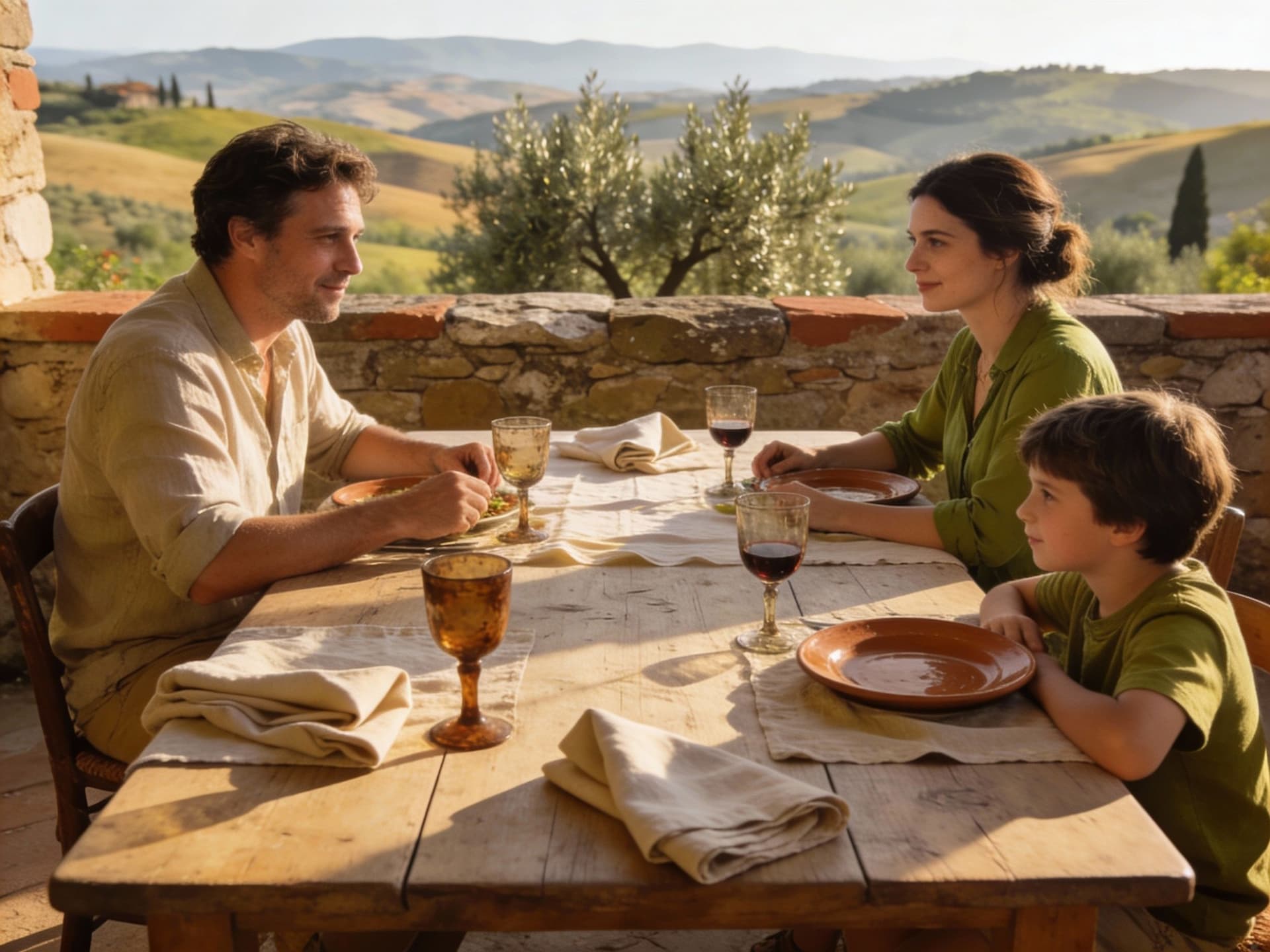
The dream begins with place, but the purchase hinges on specifics: title clarity, local planning rules, energy performance for older stone houses, and seasonal accessibility. Italy’s market is diverse—ISTAT reports HPI growth concentrated in existing dwellings—so your agent must translate neighbourhood character into transaction detail and renovation budgets.
Property styles and how they shape daily life
Sea-facing apartments offer easy access and rental potential but usually smaller terraces and higher upkeep. Converted farmhouses in Puglia or Umbria give space and gardens, but expect plumbing, insulation and heating upgrades. New builds simplify maintenance but often sit outside the historic cores that define the Italian lifestyle.
Working with local experts who know both life and law
1. Start with an agent who lives in the neighbourhood you love—ask for recent sales on the street. 2. Commission a notaio search early to confirm titles and servitudes. 3. Budget for a technical survey and energy improvements (older stock often needs it). 4. Check seasonal access: narrow coastal routes and hill roads can affect year‑round convenience. 5. Consider local property management if you’ll rent or aren’t on site year‑round.
Insider knowledge — what expats wish they'd known before buying
Expat buyers often underestimate the role of micro-location: being one street back from the sea changes noise, micro‑climate and price considerably. Seasonal life matters—ferries, restaurants and local shops can shutter after October in some coastal towns. Those rhythms shape resale and rental prospects more than broad regional labels.
Integration, language and day-to-day community
Small social gestures count: learn basic Italian for markets and neighbours. Join local associazioni or volunteer at festa days to become known; those connections often unlock trusted tradespeople and renovation slots. Coastal towns attract seasonal visitors—making long-term friendships sometimes a slower build than in inland villages.
Long-term lifestyle and investment considerations
Data to late‑2025 show buyers gravitating to lower budget brackets in many provinces. For international buyers this means: seek quality locations where prices reflect long‑term desirability (transport links, schools, natural assets) rather than speculative peaks. A modest purchase in a stable coastal town with good year‑round life can outperform a high‑priced holiday hotspot in rental and resale reliability.
- Red flags and checks before you sign
- Unregistered extensions or terraces; unclear access rights on hillside roads; absence of up-to-date energy certificate (APE); frozen local services outside tourist season; discrepancy between land registry and physical boundaries.
1. Visit off-season (late autumn or spring) to see daily life. 2. Get a local notaio to run title and tax checks. 3. Arrange a technical survey focused on damp, foundations and heating. 4. Request a list of recent comparable sales on the same street. 5. Factor in VAT vs registration tax depending on vendor type (company vs private).
Conclusion — the lifestyle you want, bought with clarity
Italy delivers a range of coastal lifestyles and inland alternatives. Use seasons and streets—not just regions—to judge value. Start with short, sensory visits, commission the technical checks, and work with agents who live locally. That combination preserves the romance while protecting the investment.
Danish investment specialist who relocated to Costa del Sol in 2015. Focuses on data-driven market timing and long-term value for Danish buyers.