When Spring House‑Hunting in France Backfires
Why spring’s romance can cost you: seasonality, taxes and local rules change pricing and negotiation in France—see data, tax links and practical steps.

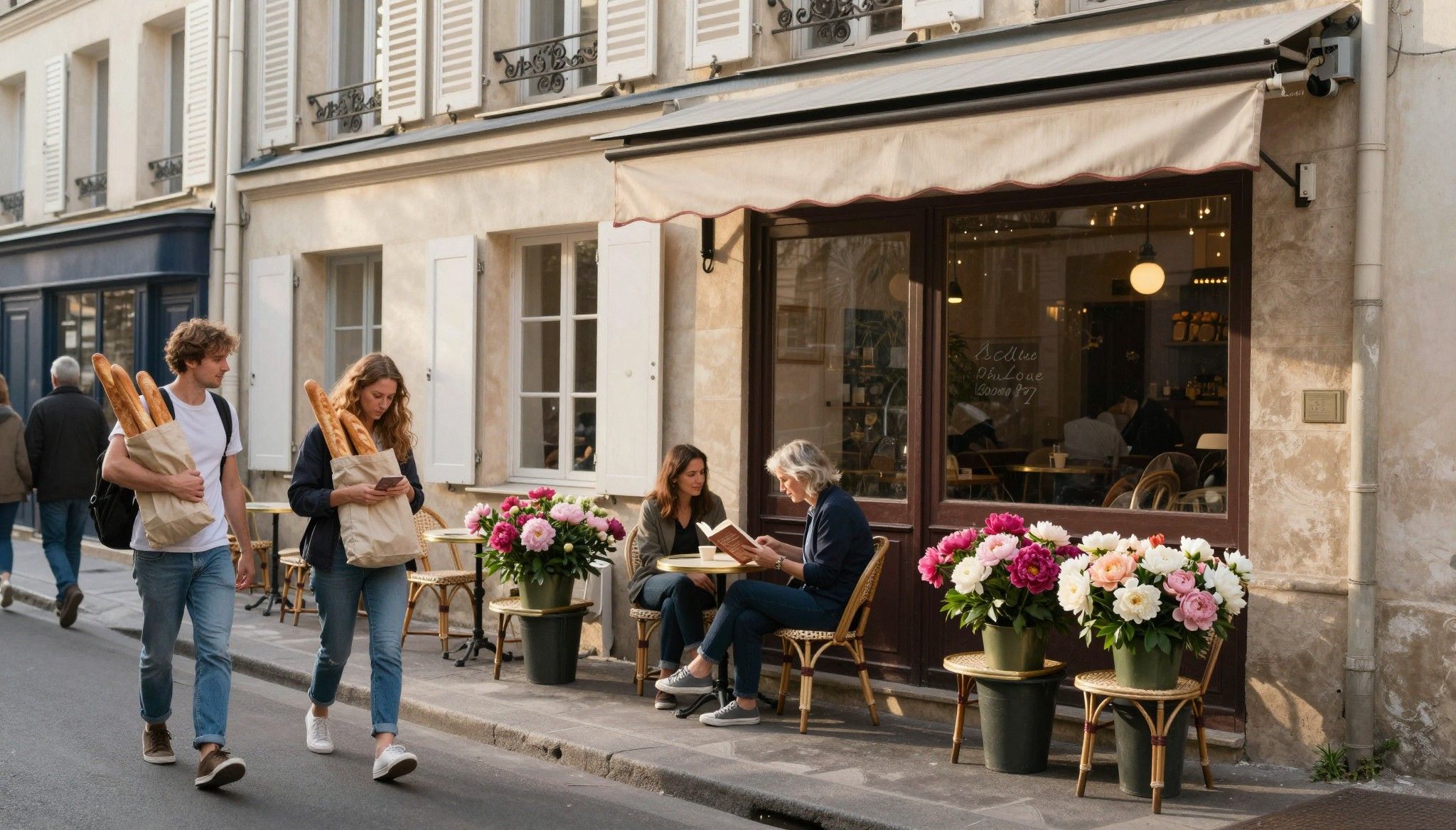
Imagine sitting at a café on rue Cler with a cortado and watching delivery bicycles thread between market stalls. The light hits limestone façades differently in spring and autumn; the rhythm of life is governed by markets, school terms and the harvest. Yet those same seasons dictate how properties are listed, priced and negotiated in France. Understanding the legal and fiscal cycles that follow the calendar is the difference between buying a home and buying the wrong moment.
Living French Rhythm: Season, Street, and Lifestyle

Paris mornings, provincial market days, and Riviera summers all suggest different day-to-day lives. In Lyon’s Croix‑Rousse you’ll hear market vendors by 8am; on Boulevard de la Croisette the calendar is shaped by tourist peaks. Those patterns shape what properties are used for — primary homes, seasonal rentals, or pieds-à-terre — and that in turn affects local regulation, taxation and long-term value. When you picture life here, picture not only the streets you’ll walk but the legal context you’ll live in.
Neighbourhood beat: Paris 7th, Aix‑en‑Provence, and Biarritz
Paris 7th offers measured calm: embassy gardens, discreet boulangeries and strong tenant protections that favour long-term residents. Aix‑en‑Provence trades quiet streets for Provençal markets and strict local rules on renovation in historic centres. Biarritz mixes surf culture with municipal limits on short‑term lets that influence rental potential. Each pocket requires a neighbourhood‑level legal check before you sign anything; municipal bylaws and syndic rules often matter more than national headlines.
Food, markets and the way they shape demand
Weekly markets — Marché des Enfants Rouges in Paris, Les Halles in Toulouse — are more than charm; they anchor neighbourhood desirability. Buyers who want daily life near markets should expect higher competition and faster sales in market-side arrondissements. That demand produces particular legal outcomes: stricter copropriété rules, higher taxe foncière bills, and local regulations limiting changes of use for rental activity. Taste matters, but so do bylaws and fee schedules tied to the addresses you love.
From dream to deed: the legal calendar matters. French tax and registration rules mean seasonality is not just aesthetic — it changes cash flow and tax timing for non‑residents and residents alike. Recent notarial and INSEE data show transaction volumes and price indices moving with seasonal patterns; spring listings often reflect sellers testing peak willingness to pay. For international buyers, a lifestyle-driven impulse in spring can collide with higher taxes on rental income, local occupancy declarations, and peak competition.

Why spring house‑hunting can be costly
Sellers list in spring to capture buyers who plan summer moves and to show properties at their most flattering. That creates compressed bidding windows and fewer negotiation levers. Municipalities also publish updated local tax assessments and occupancy records early in the year, which can reveal new liabilities before summer. Put plainly: the season that feels most romantic is often the season that favours sellers and tightens the legal margins for buyers.
Practical tax realities for non‑residents
If you keep or rent property in France as a non‑resident, you face local taxes, income reporting and potentially the IFI wealth tax if your French property net value exceeds €1.3m. Rental income from French property is taxed in France and may be subject to social levies depending on your residency and social security ties. Capital gains for non‑residents are taxed at 19% plus social levies where applicable; exemptions and taper relief apply after long ownership periods. A tax treaty with your home country will shape double‑tax relief — but do not assume treaties eliminate filing obligations.
Making the move: property types, experts and timing
Your lifestyle choice should determine property type, not the postcard. Urban apartments in Marseille or Bordeaux suit short walks and café life; village stone houses in Dordogne suit slower rhythms and renovation puzzles. Each property class carries distinct legal checks: historic protection orders, copropriété minutes, and permissive planning rules. Hiring advisors who understand both the mood of a street and the clause in a syndic procès‑verbal will save money and time.
Property styles and what they mean for living
A haussmannien apartment in Paris gives you high ceilings and strict copro rules; a maison de village in Provence often means private outdoor space but a heavier renovation burden. Coastal villas involve coastal protection (Loi Littoral) and sometimes planning limits on extensions, while rural dwellings may require work to meet modern energy standards. Match the type to how you want to live and budget for the legal steps each style demands.
- Steps to marry lifestyle and legal readiness
1. Clarify intended use (primary home, long‑term let, short‑term holiday rental). 2. Request full copro or municipal dossiers early, including recent procès‑verbaux and planning permissions. 3. Obtain a tax position letter from a French tax adviser on IFI, income and CGT exposure. 4. Build a cash buffer for taxe foncière, travaux and notaire fees — these arrive with the calendar, not your move date.
Insider knowledge: expat truth and local quirks
Expats often tell us the same regret: they fell in love with a season, not a street. Language and small municipal rules are the common friction points. For example, declaring occupancy and furnishing status on impots.gouv.fr is mandatory and sometimes catches absentee owners off-guard. Small cultural habits — how tenants expect property handovers or how syndic meetings are run — shape outcomes more than glossy photos.
Cultural integration and community realities
Learning even a few phrases and attending local market days opens doors to reliable craftsmen and quieter off‑market opportunities. Neighbourhoods value continuity; a respectful approach to local rhythms accelerates trust. Municipalities appreciate buyers who engage with local planning and heritage priorities, which can lead to smoother permissions and local goodwill. The human currency in France often equals faster, cleaner transactions.
- Quick red flags local buyers watch for
• Sudden spikes in comparable sales in the same week; • Incomplete copro minutes or deferred work reserves; • Municipal restrictions on rental or change‑of‑use for tourist lets; • Unclear historical utility or servitude records. These are not aesthetic issues; they are negotiation and legal risk points that cost thousands if ignored.
If France has seduced you, begin with a season‑aware plan. Visit in an off‑peak month to see how a street functions when the market is quiet; review tax consequences with a French fiscal adviser; and ask your agent for full copro, planning and tax dossiers before offers. An agent who knows where local rules bite — and who speaks plainly about tax timing, occupancy declarations and capital gains exposure — changes the equation from romantic gamble to informed decision.
Next steps: book an early dossier review, set a tax check meeting, and plan a short reconnaissance visit off‑season. If you want help connecting to vetted notaires, fiscal advisers and agents who specialise in the neighbourhood you love, we can introduce you to sources who act with local knowledge and legal rigour. We believe the right purchase begins with loving the life and respecting the rules that protect it.
Dutch relocation advisor who moved to Marbella in 2016. Guides Dutch buyers through visa paths, relocation logistics, and balance of lifestyle with value.