Summer Listings Lie: Off‑Season Buying Wins in France
Summer listings in France often signal marketing, not market value. Buy off‑season, use notarial checks and inspect real‑life winter routines to secure lifestyle and value.

Imagine a late October morning in Nice: espresso steam rising on Cours Saleya, fishermen mending nets at the port, and agents quietly relisting apartments that bloomed on the market in July and August. The postcard of summer—packed beaches, festival crowds, inflated asking prices—draws attention. But for a buyer who values lifestyle and returns, the opposite calendar often delivers the better opportunities.
Living the French Life — beyond the summer postcard
France is many rhythms stitched together: slow café mornings in Montmartre, late market hours in Lyon, Saturday village markets in the Dordogne, and weekday surf culture on the Atlantic coast. Living here means tasting seasonal produce, adjusting to municipal rhythms, and choosing the neighborhood whose daily tempo fits the life you want.
Neighborhood spotlight: Marseille’s Cours Julien vs Le Panier
Walk Cours Julien on a Tuesday and you’ll find coffee carts, street art, and small galleries — a creative pulse that stays steady year‑round. Ten minutes toward Le Panier and the air tastes of salted sea and history; properties there trade on atmosphere more than square metres. Both show how microlocal life shapes value: markets, cafés and transport rhythms matter as much as headline prices.
Food, markets and seasons: how local life affects property use
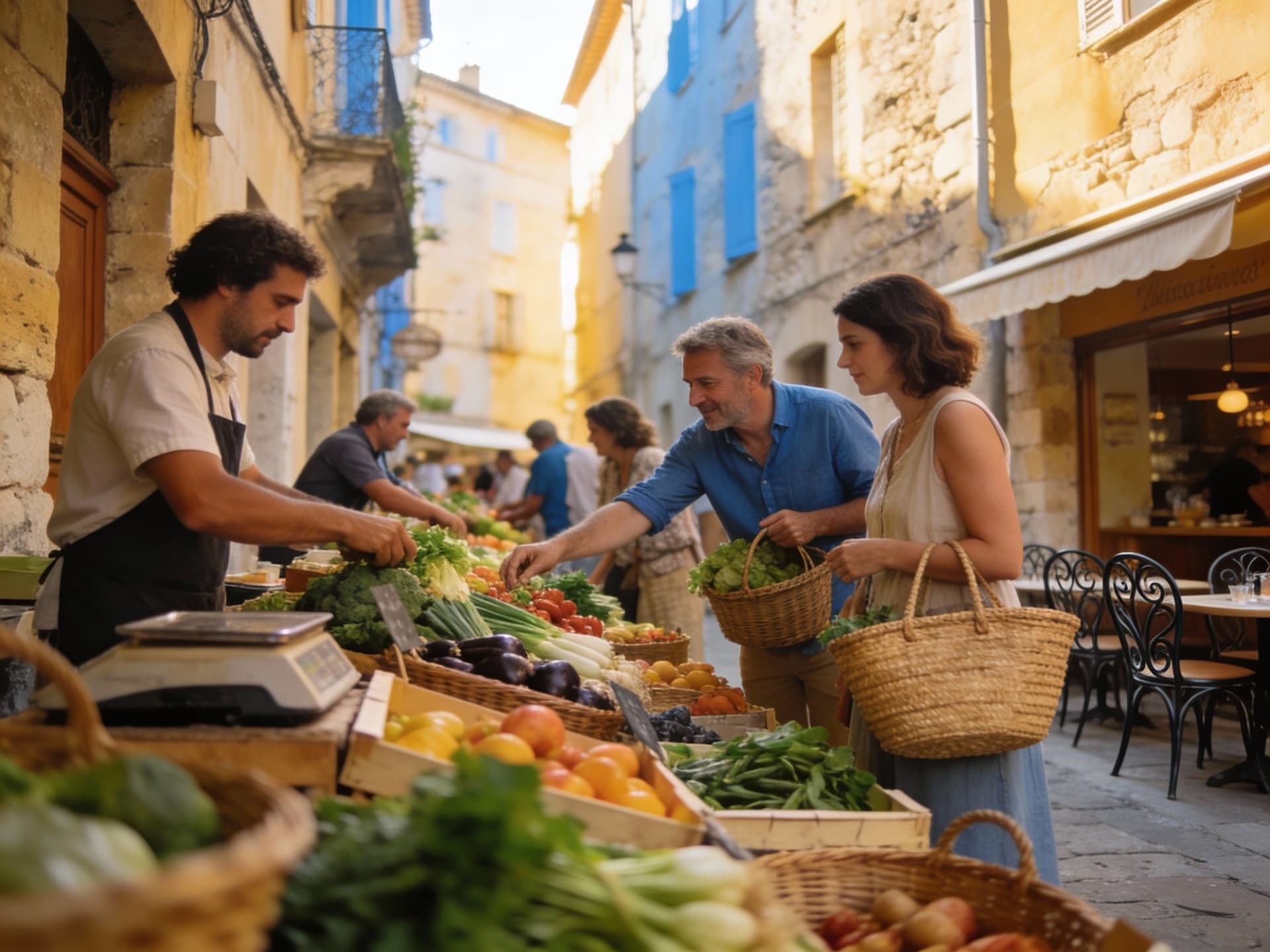
In France, the weekend market is a lifestyle amenity. Whether it’s Rue Mouffetard in Paris or Place du Palais in Avignon, proximity to markets changes how you use a kitchen and how much you rely on storage or transport. That matters when choosing a property type: a compact flat near constant street life, or a rural house built for preserving seasonal harvests.
- Lifestyle highlights: actual places and what they mean for buyers
- Cours Saleya market (Nice) — daily fruit, foot traffic, higher rental demand in summer
- Rue Cler (Paris 7th) — morning cafés and supply convenience that favour primary residence buyers
- Île de Ré villages — seasonal home market with strong off‑season negotiating leverage
Making the move: how seasonality and transparency affect deals
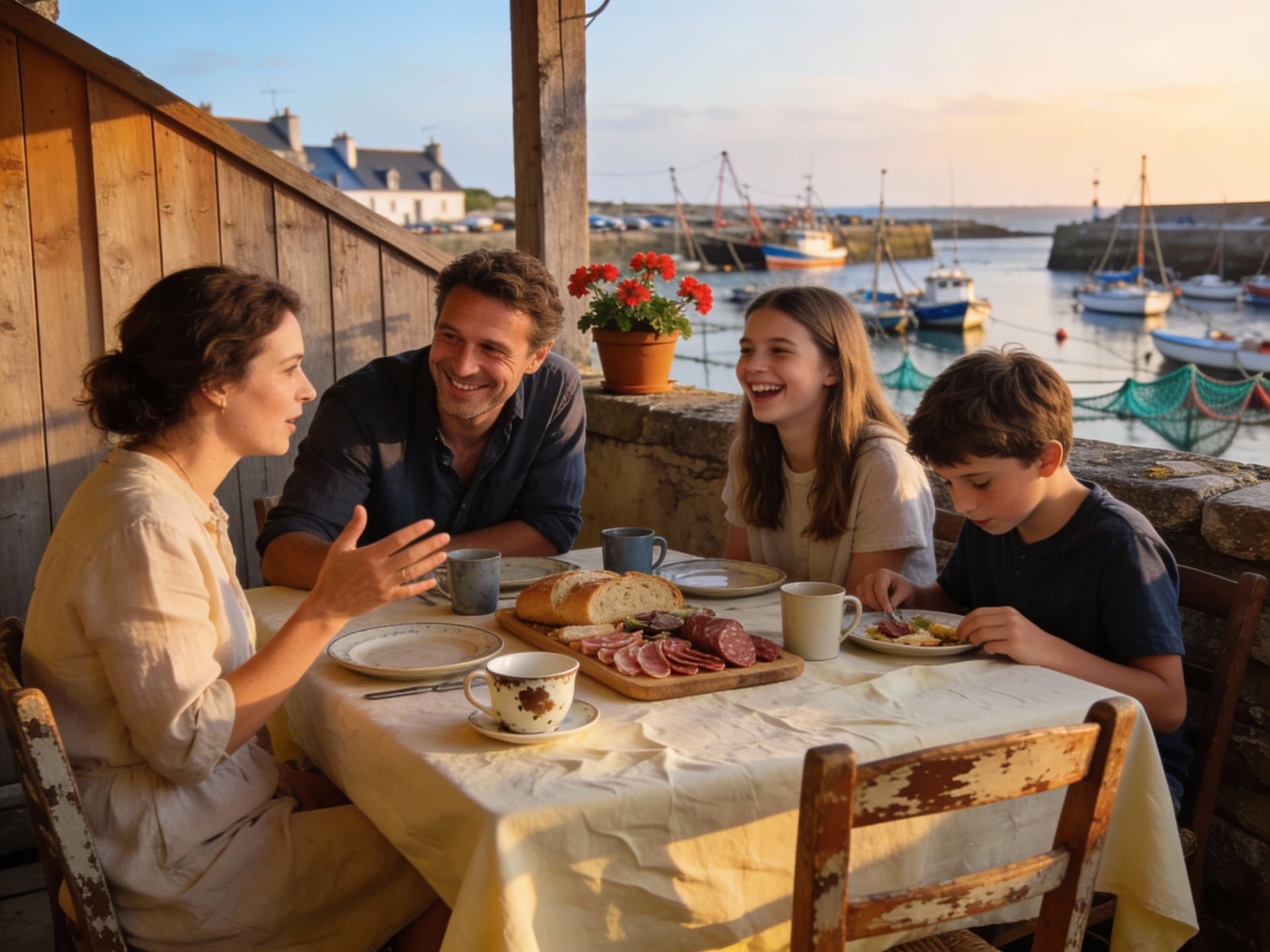
Market data from Notaires and INSEE show seasonal and regional divergence: coastal and tourist areas see a surge of listings in spring and summer, while volumes and price adjustments often occur in autumn and winter. That creates transparency gaps: summer asking prices may be aspirational, while true transactional prices emerge later in the season.
Property types and how timing changes bargaining power
Short‑let and second‑home markets tighten in high season; owners test demand and set higher asks. Conversely, buying in autumn or winter often delivers better leverage on price, due diligence windows, and the chance to spot genuine maintenance issues that hide under summer gloss.
Working with local experts to reveal hidden signals
Local notaires, syndic managers and seasoned agents read signals outsiders miss: delayed compromis, repeated relisting, and diagnostic reports that quietly reveal structural issues. An honest local advisor will point to objective sources — registry extracts, copropriété minutes, and the mandatory 'diagnostic immobilier' — rather than amplify summer hype.
- Steps to use seasonality in your favour
- 1. Monitor price indices (Notaires/INSEE) across quarters, not weeks; look for post‑summer corrections.
- 2. Schedule inspections off‑season to see real maintenance needs and confirm heating systems and insulation performance.
- 3. Use local notaires early to check title, servitudes and any co‑ownership minutes that summer agents may downplay.
Insider knowledge: expat realities and red flags
Expats often arrive with summer images and then learn the year rounds differently. Heating cost, winter street access in alpine villages, and the true rhythm of services (schools, medical, municipal hours) alter both living experience and operating costs. Being seduced by a July view can hide these realities.
Cultural cues that change neighbourhood value
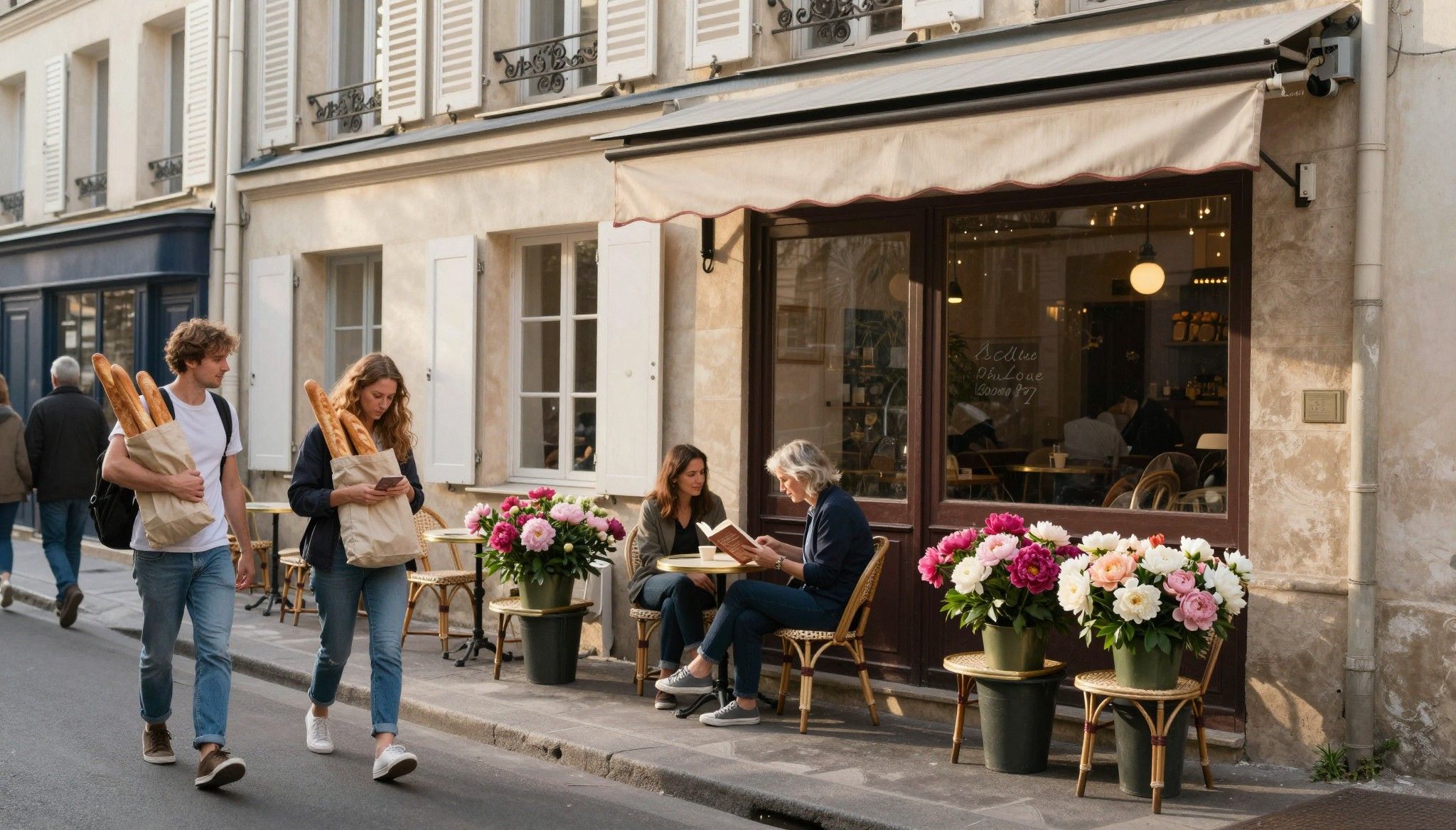
A street where locals meet at 7 a.m. for croissants is more valuable to a resident than a square tourists flock to at noon. Look for daily life cues — bakeries with queues early, bike lanes in use, tram frequencies — to distinguish authentic demand from seasonal spectacle.
Common red flags: what to question after the festival ends
- Repeated relisting within months
- Missing or incomplete diagnostic immobilier files
- Unusually high estimated rental yields without documented occupancy data
- Over‑reliance on staged summer photos rather than off‑season images
Practical transparency note: sellers in France must provide several mandatory diagnostics (energy, lead, asbestos, termites where relevant) and notaries carry out legal checks. Cross‑checking those documents with market indices and local civic information reduces asymmetric information and the risk of paying a seasonally inflated premium.
Conclusion: treat France as a calendar‑aware market. Let the seasons show you what a place truly is. Use autumn and winter viewings, insist on full diagnostic packs, and partner with local notaires and agents who prioritise facts over summer spectacle. The lifestyle you fall in love with should survive November rain and January routine — that durability is what protects your value.
Danish investment specialist who relocated to Costa del Sol in 2015. Focuses on data-driven market timing and long-term value for Danish buyers.