Malta: Compact Life, Market Realities
A vivid look at living in Malta: why compact island life drives demand, which neighbourhoods deliver daily pleasures, and the legal and market facts buyers must know.
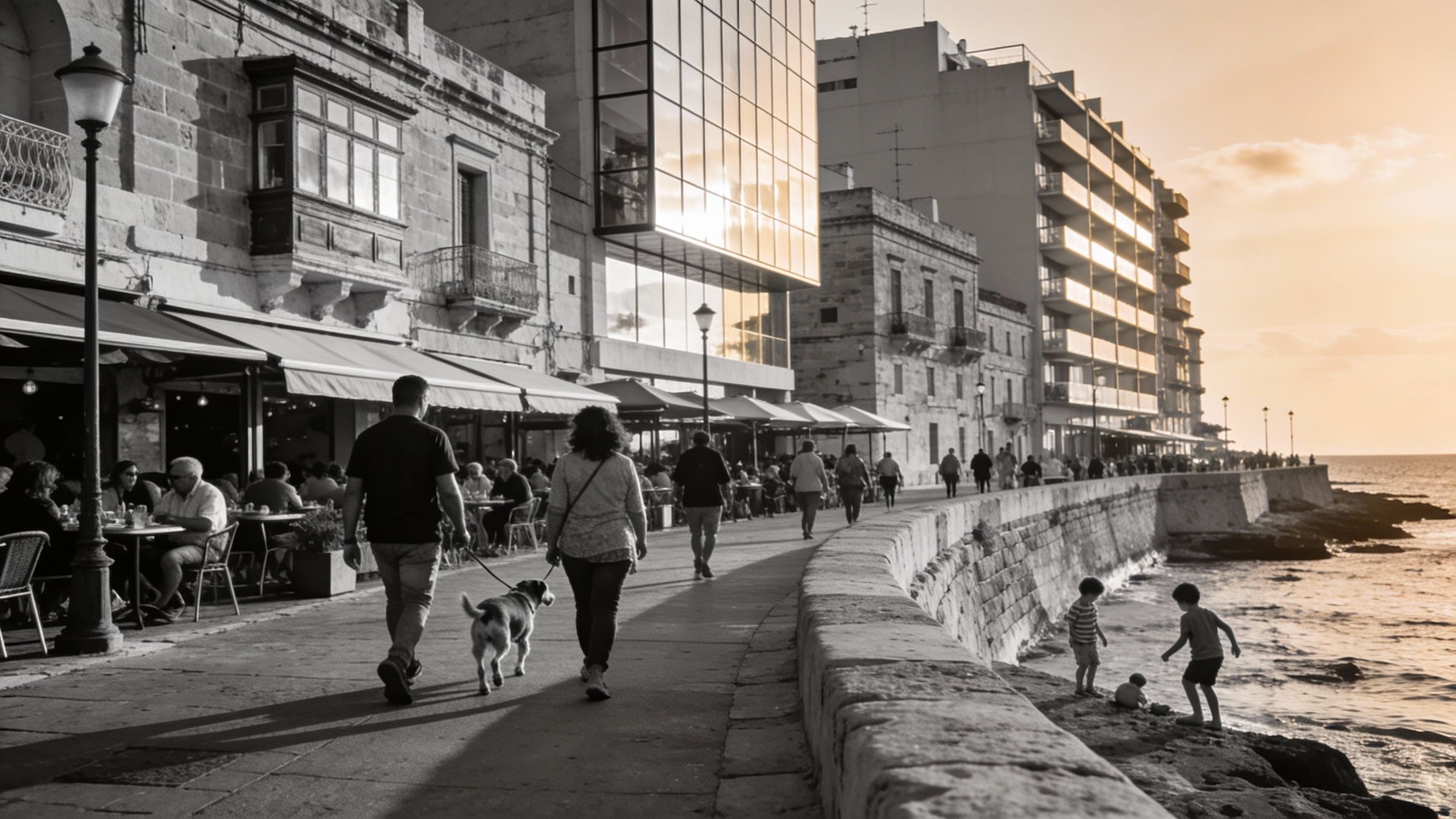
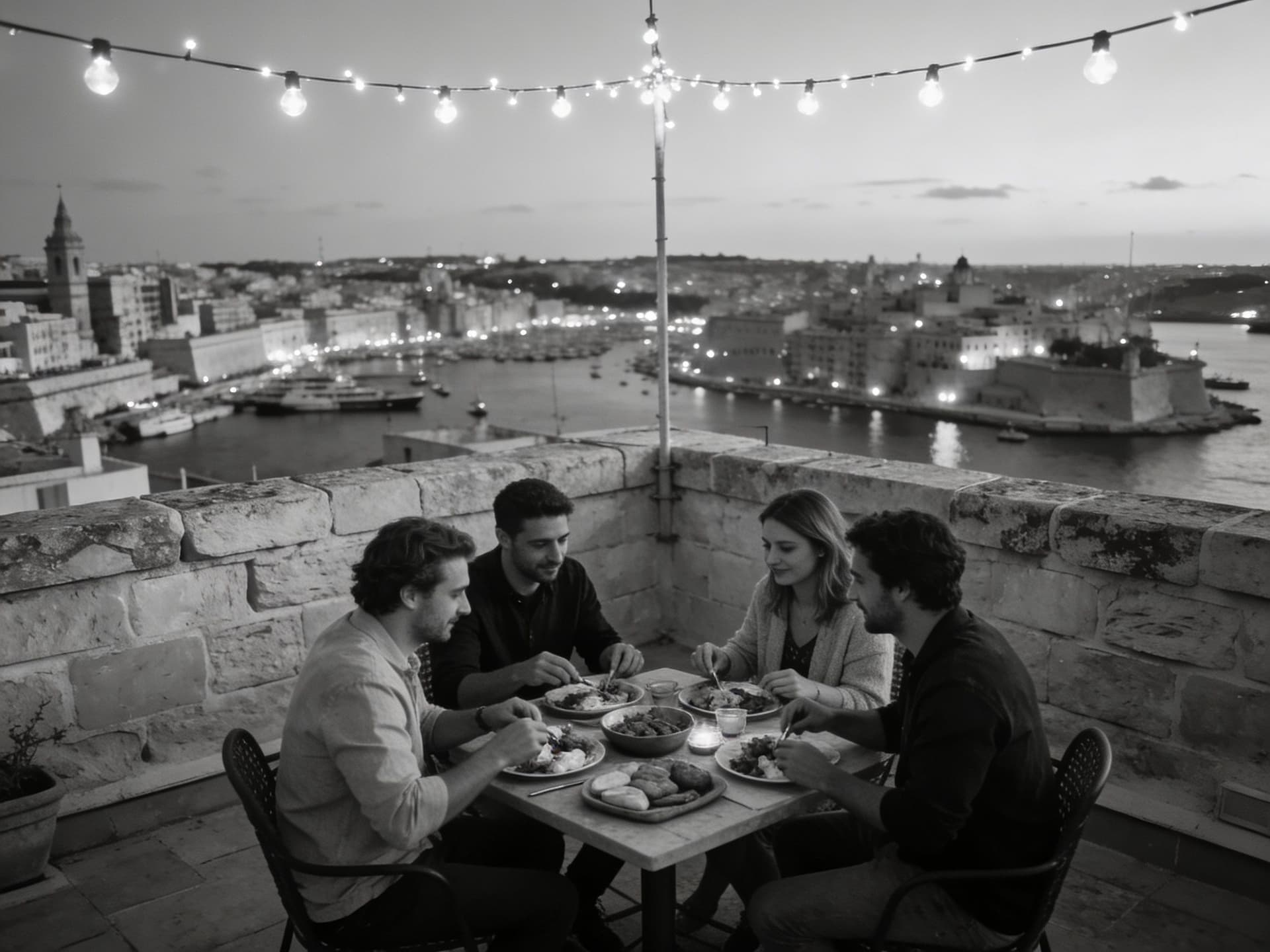
Imagine stepping off a ferry into Valletta at dusk — limestone streets warming after a hot day, cafés spilling espresso steam onto the pavement, the harbour lights reflected in a slow sea. Malta feels small in the best possible way: everything is near, history is immediate and neighbourhood rhythms run on a mix of English, Maltese and Mediterranean time. For international buyers, that compactness is the attraction — and the core of the market’s contradictions. Prices are rising, but the life you buy is densely rewarding; regulations are strict, but residency remains attainable through established programmes.
Living the Malta lifestyle
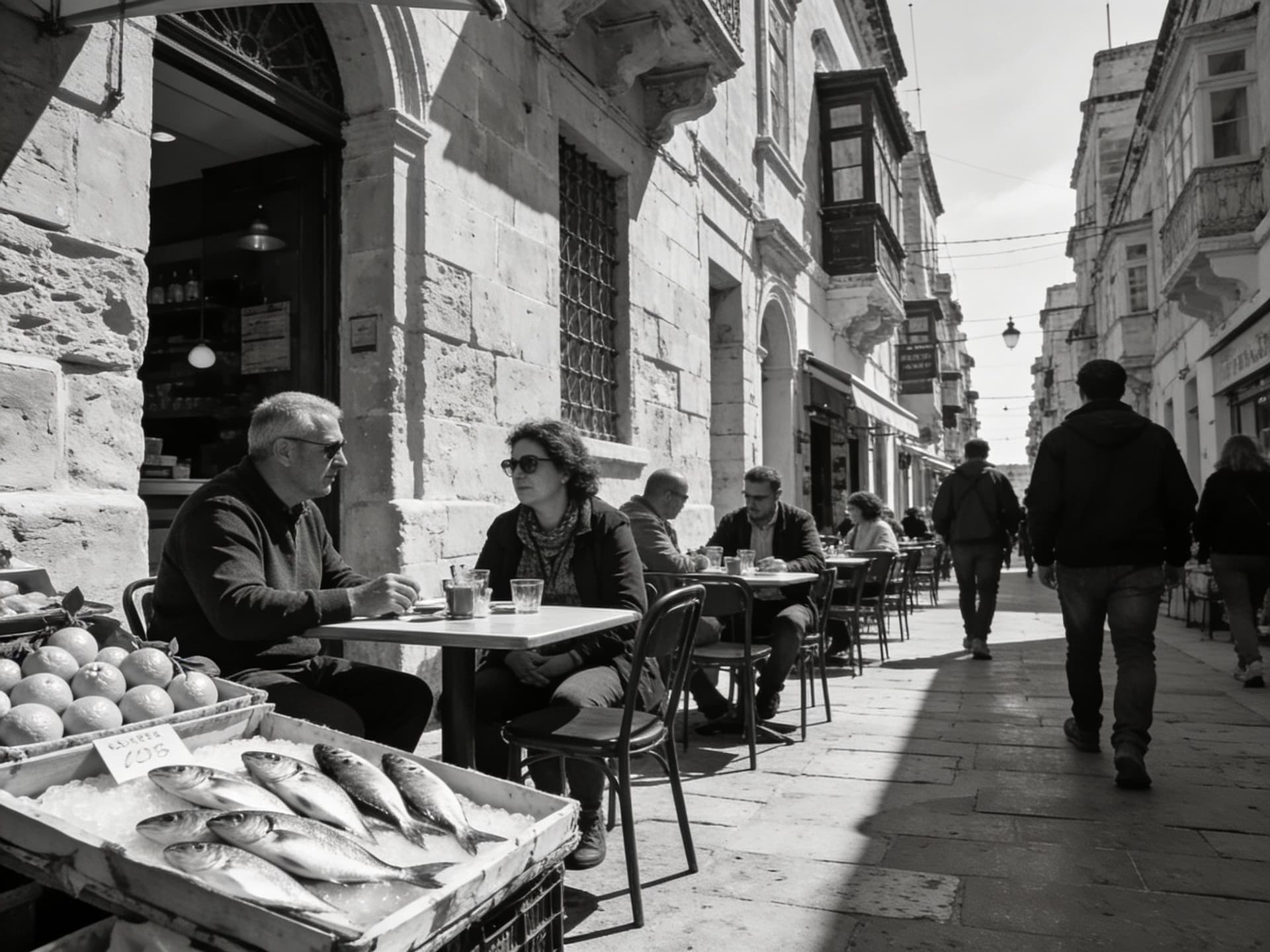
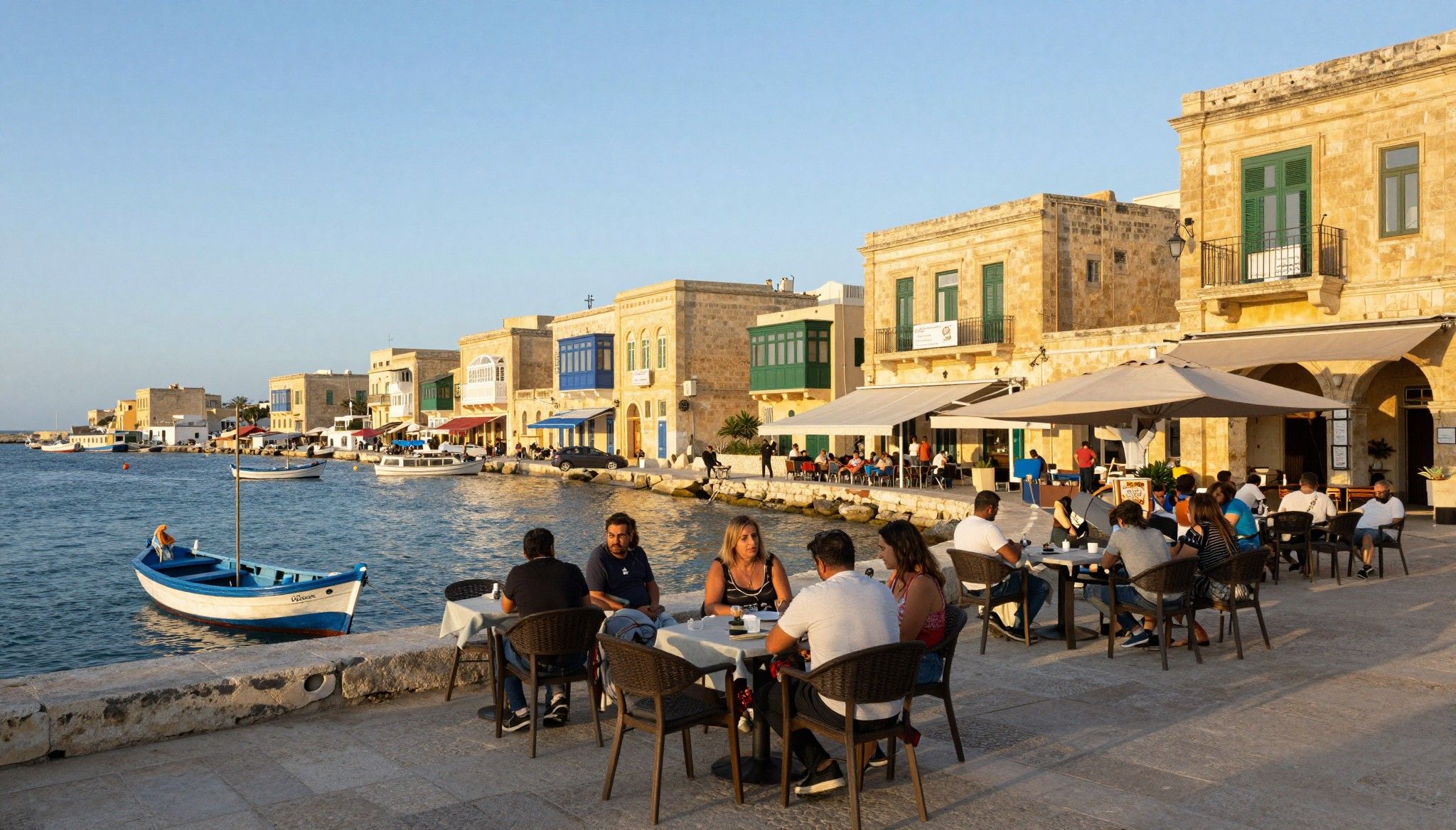
Malta’s pulse is daytime cafés and evening paseos. In Sliema and St Julian’s you find promenades, buzzy terraces and an international expat social scene; in Valletta there’s a slower, architectural cadence — an afternoon spent in museums, a late-night ong in a tiny bar on Strait Street. Weekends mean markets (Marsaxlokk fish market on Sunday), village festas with fireworks and family-run bakeries promising pastizzi at sunrise. The island’s scale makes daily life practical: a short drive takes you from a cliff-top swim to a baroque cathedral and back to a modern co‑working hub.
Neighbourhood spotlight: Valletta, Sliema, St Julian’s
Valletta is lived-in grandeur: narrow streets, cafés clustered near Upper Barrakka Gardens, and penthouses that look down on the Grand Harbour. Sliema offers a mix of Victorian terraces and contemporary apartments along the seafront — think morning swims off the promenade and compact shops on Tower Road. St Julian’s (Spinola Bay, Paceville) is the island’s social engine: restaurants, clubs and Portomaso’s modern marina. Each place delivers a different tempo; choose for rhythm as much as for square metres.
Food, markets and small rituals
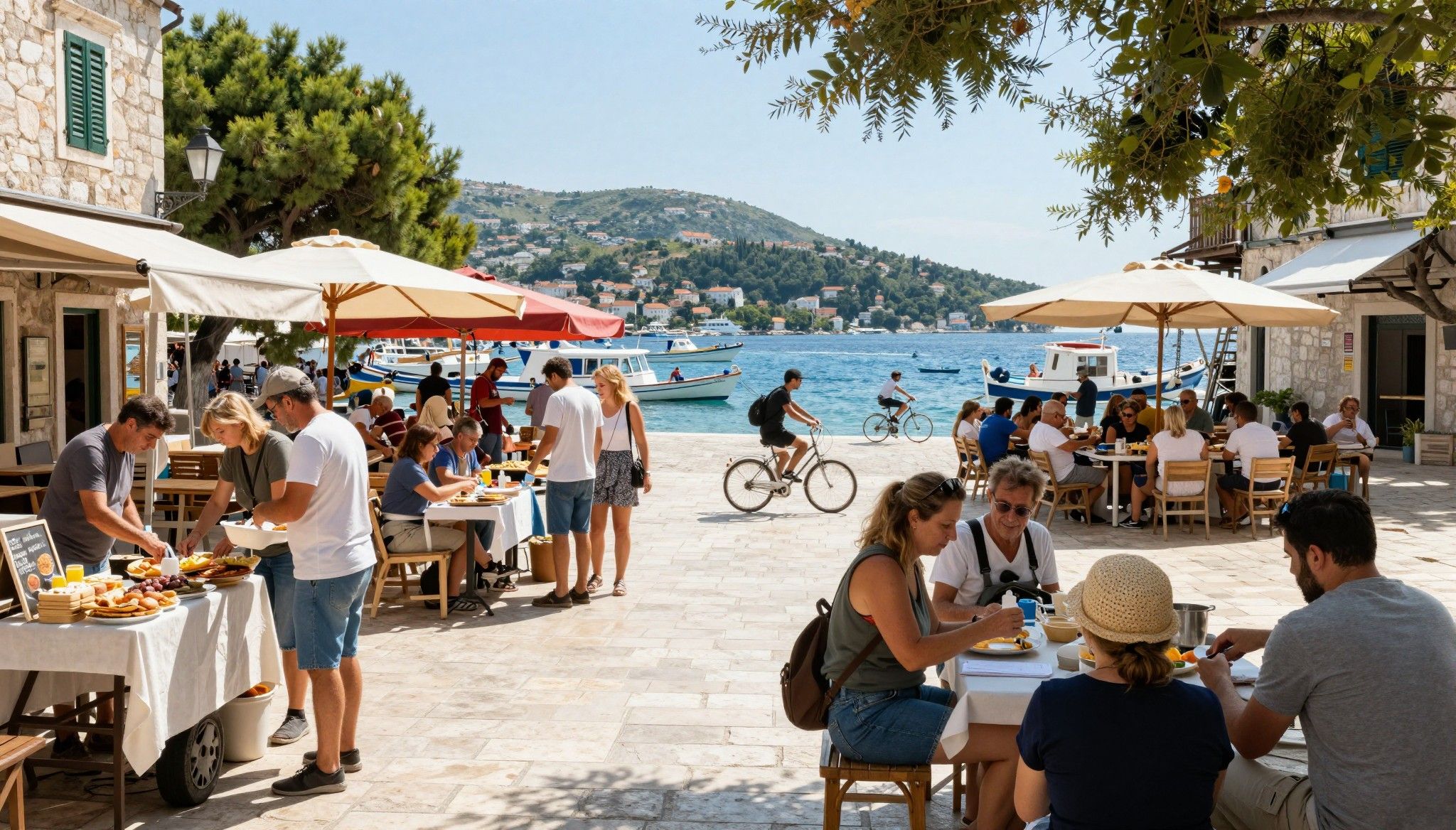
A day in Malta goes by taste: a pastizzi with coffee at Caffe Cordina in Republic Street, seafood lunch in Marsaxlokk, an evening of rabbit stew (fenek) at a village festa. Local markets — fresh fish on Sundays, seasonal fruit at Is-Suq tal-Belt — set the menu for weeknight cooking. For buyers, proximity to these streets matters more than a view: a small terrace overlooking a lively lane often delivers more daily pleasure than a distant sea panorama.
Lifestyle highlights
Morning coffee at Caffe Cordina (Valletta) — compact apartments within walking distance.
Swim-off-the-rocks in St George’s Bay — coastal living with modern flats in St Julian’s.
Sunday fish market in Marsaxlokk — ideal for buyers who value food culture over gated communities.
Making the move: practical considerations
The dream and the spreadsheet meet here. Malta’s Residential Property Price Index showed a notable rise in 2024 and continued upward pressure into 2025, reflecting persistent demand for limited land. That matters: small island, tight supply. Expect price growth to vary by district — central harbours and Sliema/St Julian’s command premiums — while inland villages and parts of Gozo offer relative value if you prioritise space over immediate sea access.
Property styles and how you’ll live in them
Malta’s stock mixes period townhouses, converted palazzini, maisonettes and modern apartments. A maisonette with a roof terrace changes evening life — you’ll host friends outdoors on five square metres more often than not. New-build apartments usually include subterranean parking and efficient HVAC; older properties demand thoughtful renovation for insulation and moisture control. Match the property type to the lifestyle: historic cores reward those who value walkability; new developments suit families and remote workers who need quiet and parking.
Working with local experts who understand life here
Good agents in Malta do more than show flats — they curate lifestyle matches and flag local rules. For example, Residency Malta Programme amendments in 2025 changed qualifying property thresholds and fees; such changes affect whether a purchase will support a residence application. An agency that arranges legal checks, checks title restrictions for non‑EU buyers, and recommends reliable architects will shorten the learning curve and keep expectations aligned with local reality.
Practical steps to blend lifestyle and compliance
Engage a local lawyer to confirm title, permitted uses and pre‑existing servitudes.
Ask your agent to map daily routines: nearest market, co‑working hub, and medical clinic — not only commute times.
Check RPPI and district transaction volumes to understand price direction before making offers.
Factor renovation realities: older stone houses need moisture control; set aside 10–20% of purchase for sensible upgrades.
Insider knowledge: what expats wish they’d known
Expats often arrive imagining endless summers and instant integration. The reality is warmer — and more complex. English is an official language, which eases bureaucracy, but community entry is local: village festas, school gates and the neighbourhood bar are where friendships form. Timing matters: summer’s tourist energy can hide delivery delays and inflated short‑term rental returns; winter reveals how quiet some neighbourhoods become and whether you truly want that location year‑round.
Cultural integration and everyday practicalities
Buyers who lean in to local rhythms adapt faster. Learn a few Maltese phrases for festas and markets. Join a local sports club or volunteer at village events. Practical points: opening bank accounts and accessing healthcare are straightforward for EU citizens; non‑EU buyers should check residency routes and tax filings in advance. An agent who introduces you to a local notary and a recommended builder will save months of friction.
Long-term outlook: Malta’s limited land and sustained demand point to steady value retention, but buyers must accept trade‑offs. You’ll pay a premium for harbour proximity or renovated period character. If your priority is lifestyle — daily markets, short commutes and a dense social life — central locations repay the cost. If you prioritise space and a lower entry price, look to inland villages or Gozo.
Red flags and realities to watch
Title complications on older buildings — confirm encumbrances and co‑ownership rules.
Overpaying for a ‘view’ without assessing noise, access and maintenance costs.
Assuming summer rental yields apply year‑round; seasonal demand skews advertised returns.
Conclusion: Malta as a lived decision
Malta sells a compact, intense lifestyle. For international buyers the question is rarely whether the island delights — it does — but whether the trade‑offs suit your long‑term life. Use local experts who pair lifestyle curation with legal rigour, study district price trends from the NSO, and plan renovations for older stone homes rather than assuming turnkey perfection. When done deliberately, a Malta purchase doesn't just buy property; it buys a particular daily life — and that is often the best return.
British expat who relocated to Marbella in 2012. Specializes in rigorous due diligence and cross-border investment strategies for UK and international buyers.