When France’s ‘Pricy’ Image Hides Better Bets
France offers irresistible lifestyle contrasts — but small disclosure gaps and local signals determine long‑term value; insist on diagnostics, copro minutes and street‑level price data.
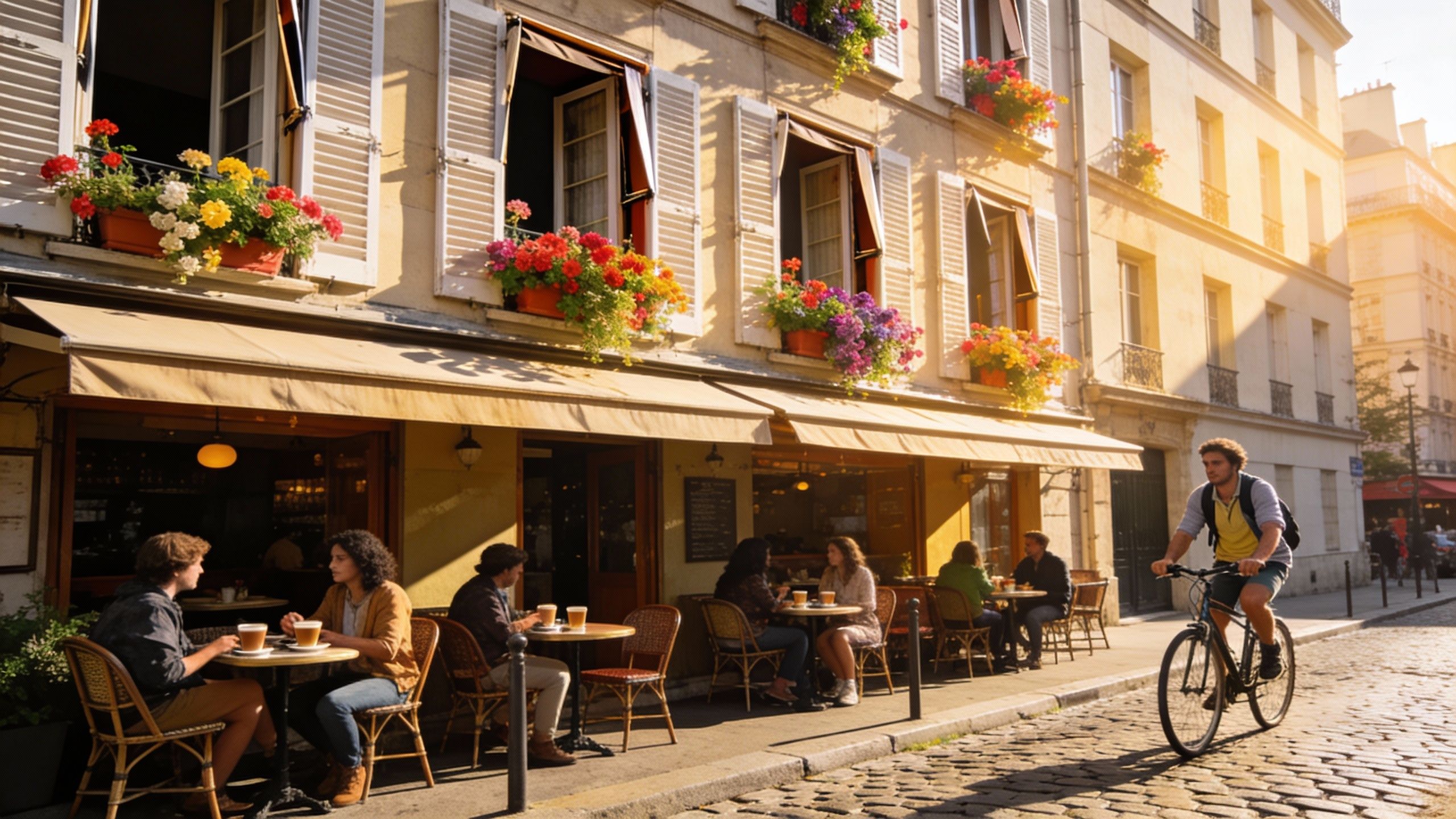
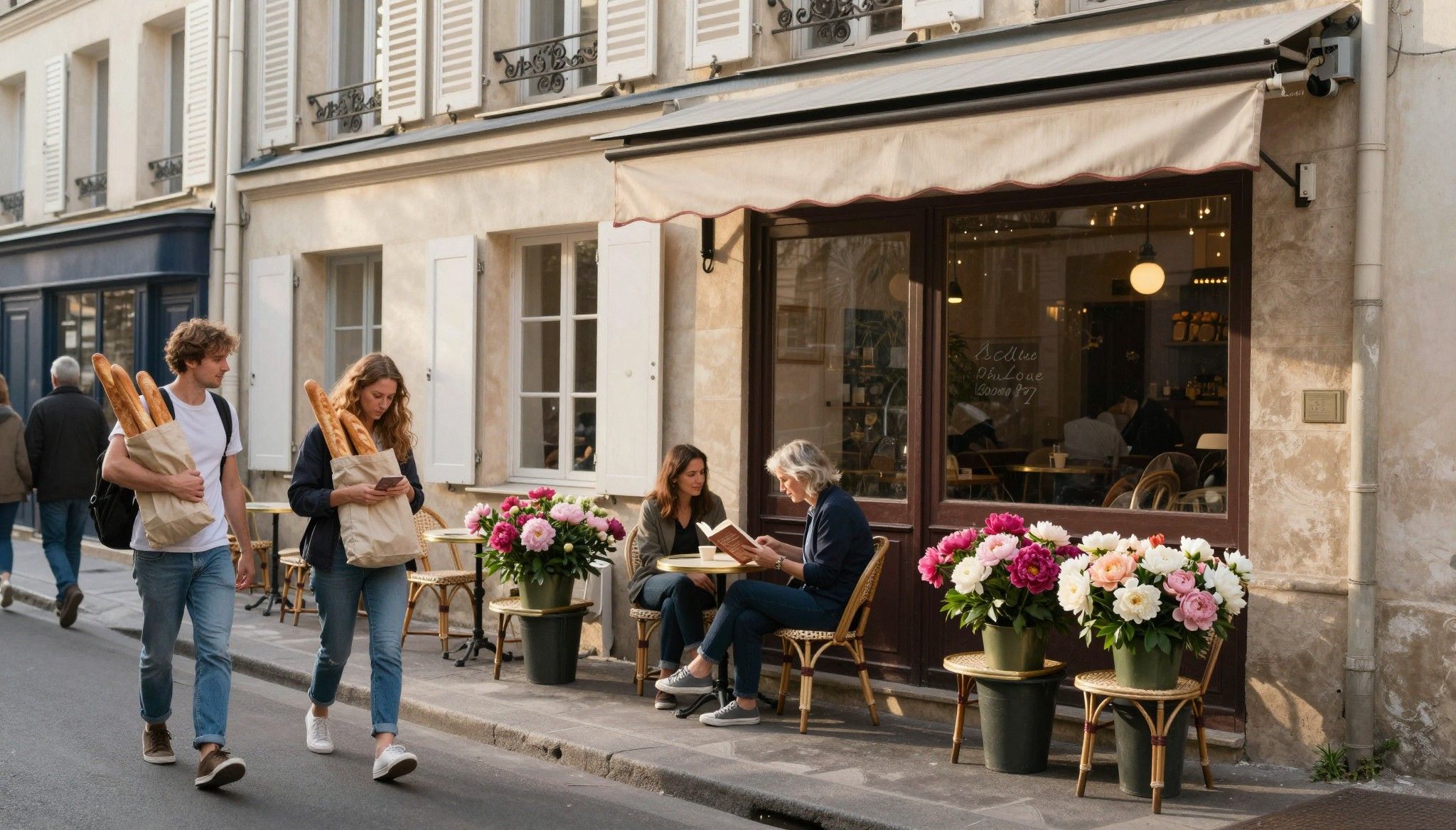
Imagine waking up on a narrow Rue des Martyrs in Paris, buying warm pastries at Du Pain et des Idées, and crossing the Seine by evening to a calm riverside apartment — or trading that urban pulse for a Provençal market square where olives and conversation set the tempo. France sells both dreams. But beneath the charm are disclosure rules, seasonal price swings and local quirks that quietly shape value. This guide looks past postcards to the transparency rules and small signals international buyers often miss.
Living the French Life — texture before tiles
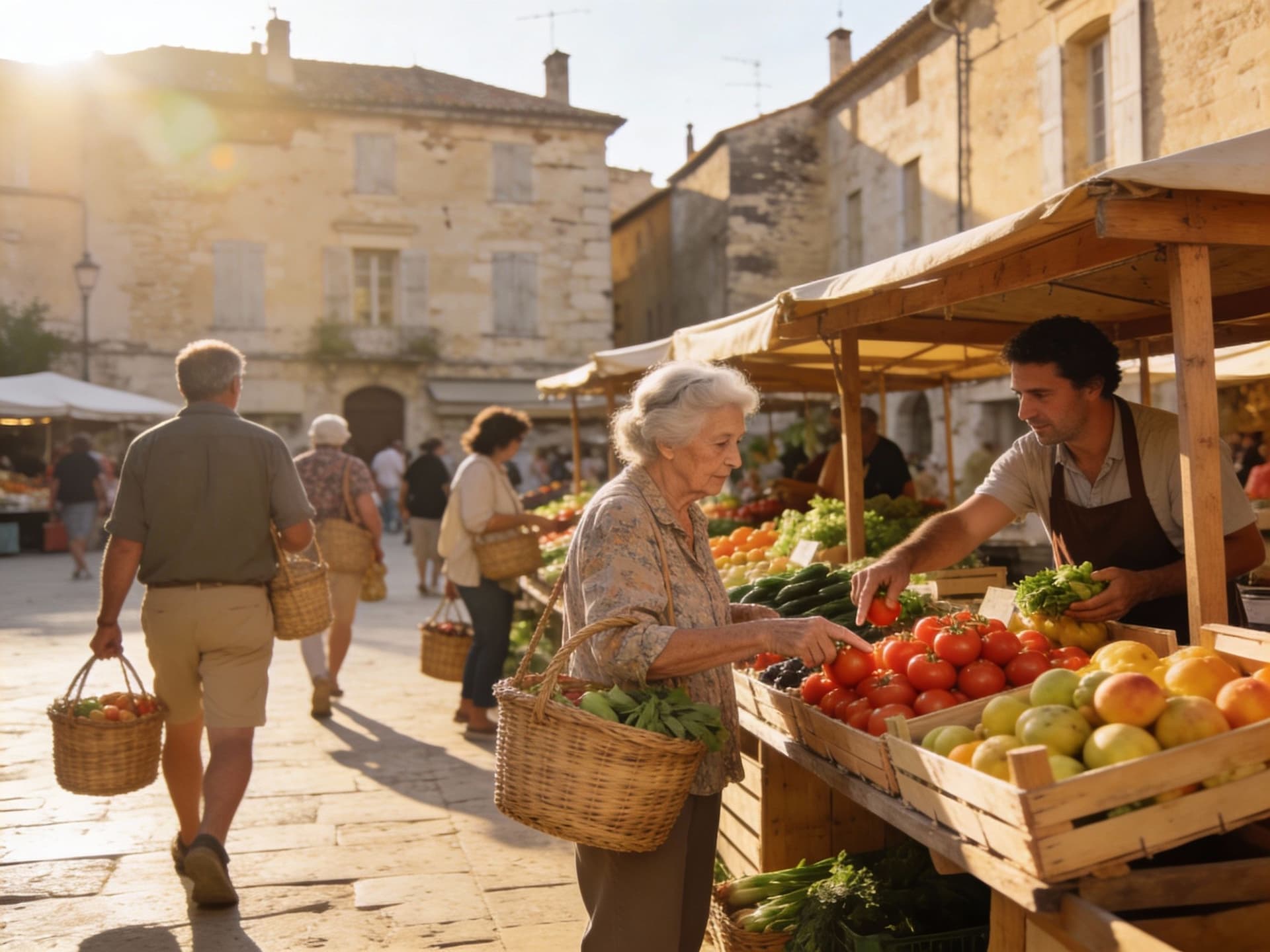
France is a patchwork of daily rhythms. In Paris, mornings are short and coffee is precise; in Bordeaux the market governs Saturdays; on the Côte d'Azur terraces hold the afternoon. Neighborhood character matters more than square metres. A 50 m² flat on rue de la Roquette feels different from the same floor area on rue de Rivoli — light, noise and community define how you live, and they influence what a transparent market will (or won't) tell you.
Neighbourhood pulse: Paris, Lyon, Aix, Biarritz
Walk the 11th arrondissement and you’ll meet late-night bistros, young families and tight cooperative buildings. Visit Croix-Rousse in Lyon to find steep streets and artists’ ateliers. Aix-en-Provence has mornings around Cours Mirabeau; Biarritz is a surf town that quiets in winter. These differences matter for resale and rental demand — not because of glamour, but because of constant, local buyer interest.
Food, markets and the calendar
Weekends are structured around markets. That affects how properties show and sell. For example, a property next to a vibrant market might feel noisy but holds lasting demand; conversely, a house near an industrial zone may be cheap today and hard to rent long-term. Disclosure rules — energy performance (DPE), asbestos, lead and risk maps — are mandatory and influence buyer protection and price adjustments. Always ask to see the full diagnostic pack before making judgments about condition or value.
- Lifestyle highlights buyers consistently love
- Morning coffee on Rue Cler (Paris) or Place du Forum (Arles)
- Saturday markets in Cours Mirabeau — fresh produce shapes weekly life
- Sea swims at Plage du Miramar (Biarritz) or evening walks along Vieux-Port (Marseille)
Making the move: practical considerations that show value

Lifestyle and transparency connect through data. National indices show recent softening in headline prices and regional divergence: Paris and Île‑de‑France have shown larger annual drops than many provincial centres. That doesn’t mean bargains everywhere. Look for micro‑markets where disclosure, consistent demand and seasonal balance reduce downside risk.
Property types and what they actually deliver
Haussmannian apartments offer predictable rental demand but higher maintenance and copropriété (co‑ownership) charges. Provincial stone houses give space and gardens but can carry renovation surprises (insulation, roofing). New builds reduce immediate diagnostic uncertainty but command premiums and may face longer-term resale questions. Pick the type that matches how you’ll live it: full‑time, seasonal rental, or long-term letting.
How local experts reduce invisible risk
A local notaire, a diagnostician and an agent who works daily in the arrondissement are your transparency team. They surface caveats: historic copropriété rules, planned urban projects, flood maps or restriction zones that lower usable area. International buyers should insist on written answers about any planned works, recent co‑pro minutes and the exact DPE rating — not an approximate recollection.
- Six practical steps to reconcile lifestyle and clear title
- 1) Request full diagnostic pack (DPE, asbestos, lead, electricity, gas) before offer.
- 2) Obtain recent procès‑verbaux de copropriété and ask about imminent charges or litigation.
- 3) Cross‑check sale prices on notaires/INSEE indices for the specific arrondissement or commune.
- 4) Commission an independent survey for older properties and verify roof, damp and insulation risks.
- 5) Clarify rental potential seasonality if you plan short‑term lets; markets like Côte d'Azur spike in summer and cool off in winter.
- 6) Ask for a clear transfer timeline from reservation (compromis) to acte définitif and who covers interim responsibilities.
Insider knowledge: myths, small signals and expat experience
Myth: "The Côte is always expensive; inland is always cheap." Reality: pockets of value exist near tertiary transport links, schools and markets. Small signals — a well‑kept boulangerie, newly opened co‑working hub, or a line of re‑roofing works — predict steady demand more reliably than touristic glamour. Expat buyers who watch these signals often avoid headline price traps.
Cultural nuances that affect transparency
French sellers and agents can assume shared cultural knowledge: local planning rules, typical copropriété costs and the cadence of negotiation. As an international buyer you should translate that shorthand into written clarifications. For example, ask whether any "travaux votés" (works voted by the co‑ownership) will appear as a special assessment — this is a frequent surprise on closing day.
Longer term: what buyers in France actually regret
Regrets cluster around underestimating running costs (copro charges, local taxe foncière), and overvaluing seasonal rental income. Buyers who made contingency plans for energy upgrades and who budgeted for communal works reported far fewer surprises. That level of prudence starts with transparency — documented facts, not reassurances.
Conclusion: fall in love with the streets, but insist on the paper. Use neighbourhood visits to confirm lifestyle and use notaire/diagnostician documentation to quantify risk. If a café, market or leafy square drew you in, make that part of your due diligence: check DPE, copro minutes and recent transaction indices for the exact street. An informed move preserves the life you want and protects the price you pay.
Norwegian market analyst who serves Nordic buyers with transparent pricing and risk assessment. Specializes in residency rules and tax implications.