Where Value Hides in Italy: Regional Opportunities
Italy's price trends mask regional opportunity—ISTAT and Nomisma show modest national growth; neighbourhood choice determines lifestyle value.
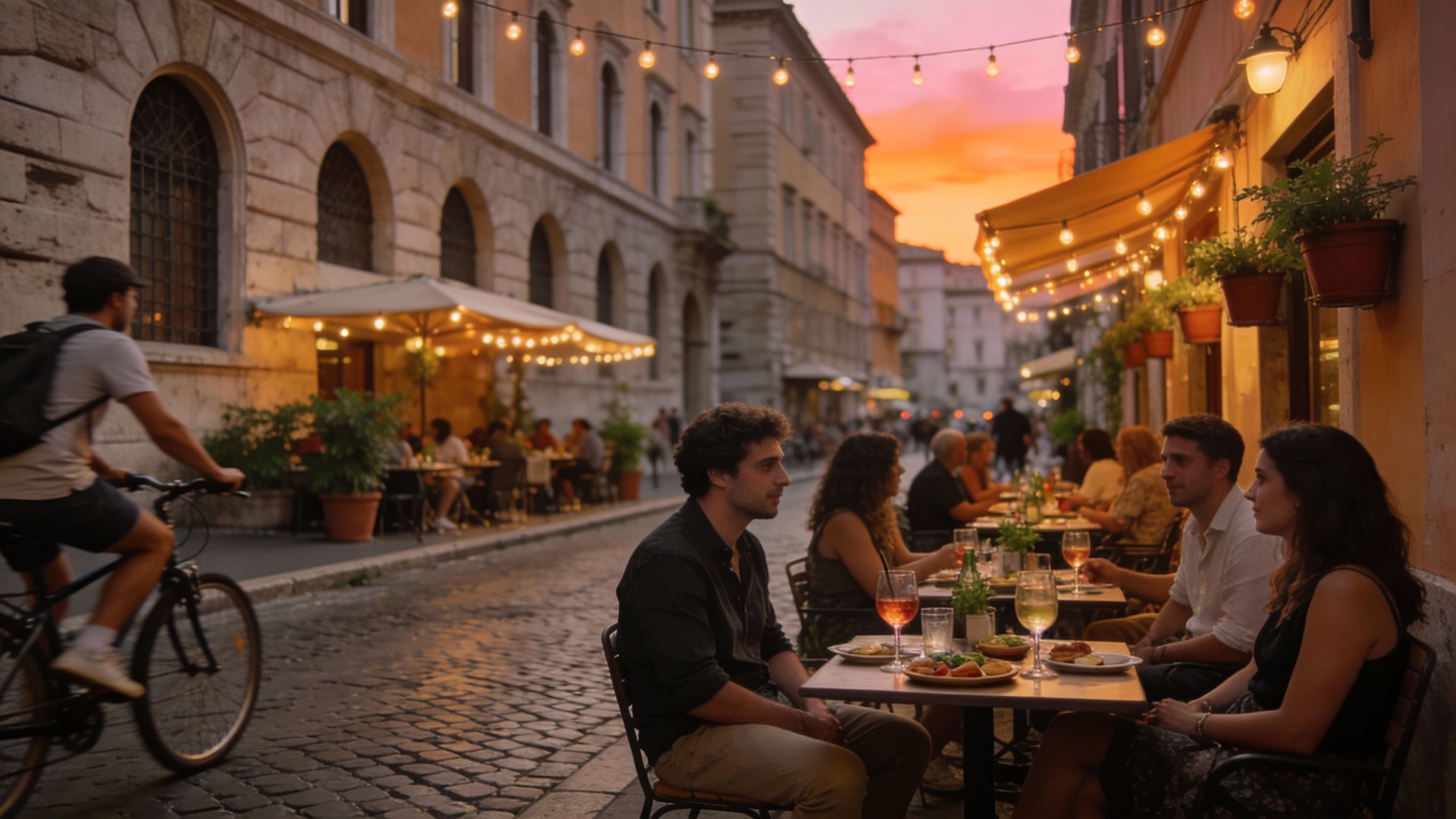
Imagine sipping an espresso beneath plane trees on Via dei Serpenti in Rome, then bicycling to a local market where the fishmonger knows your name. Italy is a choreography of daily rituals—morning cafés, late dinners, seasonal markets—that shape how homes are used and valued. For international buyers, that rhythm matters as much as the square metres.
Living the Italy Lifestyle
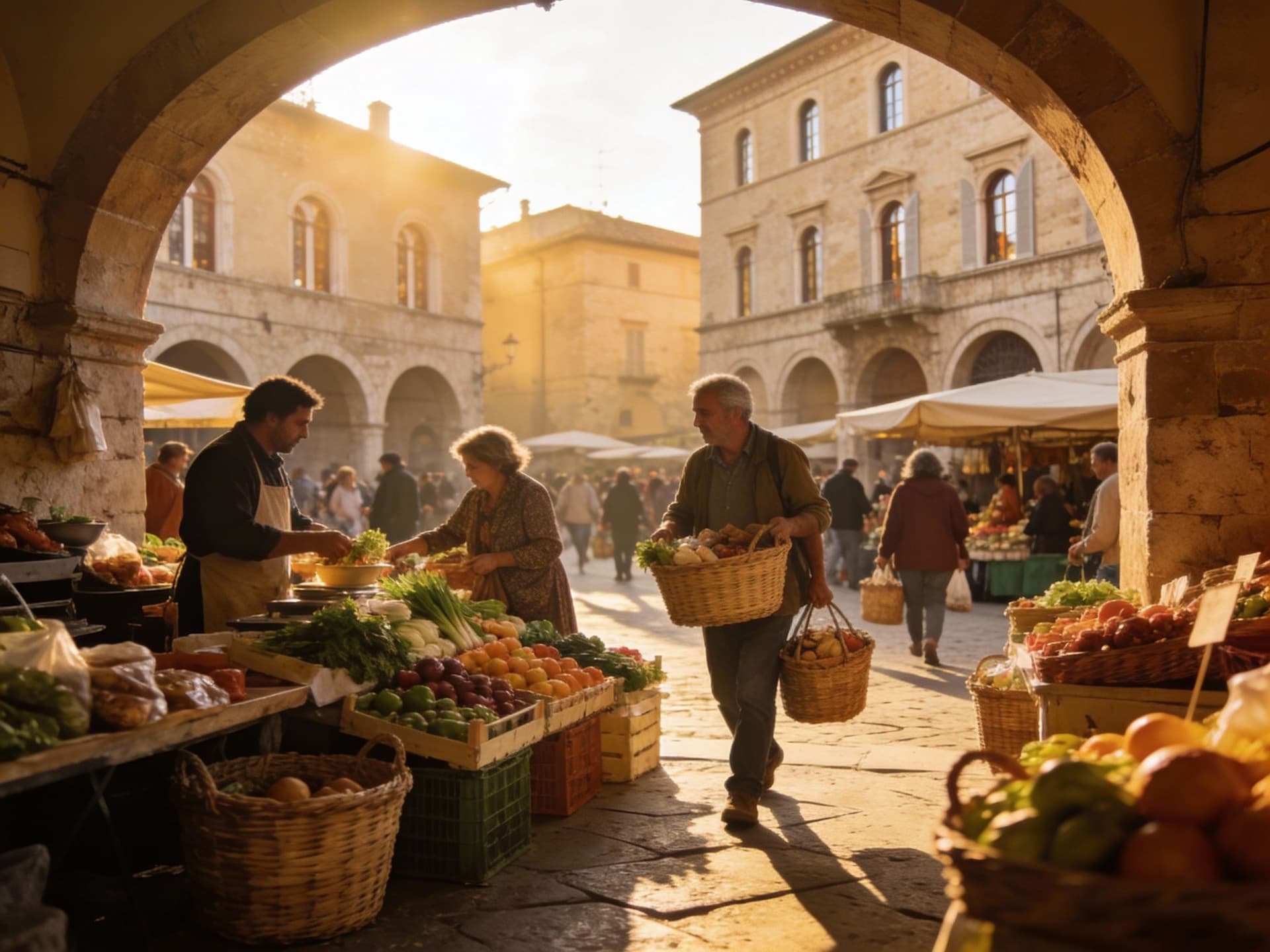
Daily life in Italy is anchored to neighbourhoods. Piazzas, bar counters and bakeries set the tempo; coastal towns empty for siesta and refill at sunset; alpine villages close during mid‑winter festivals. These patterns determine which properties feel like home and which feel like a weekend stage.
City Heartbeats: Rome, Milan, Florence
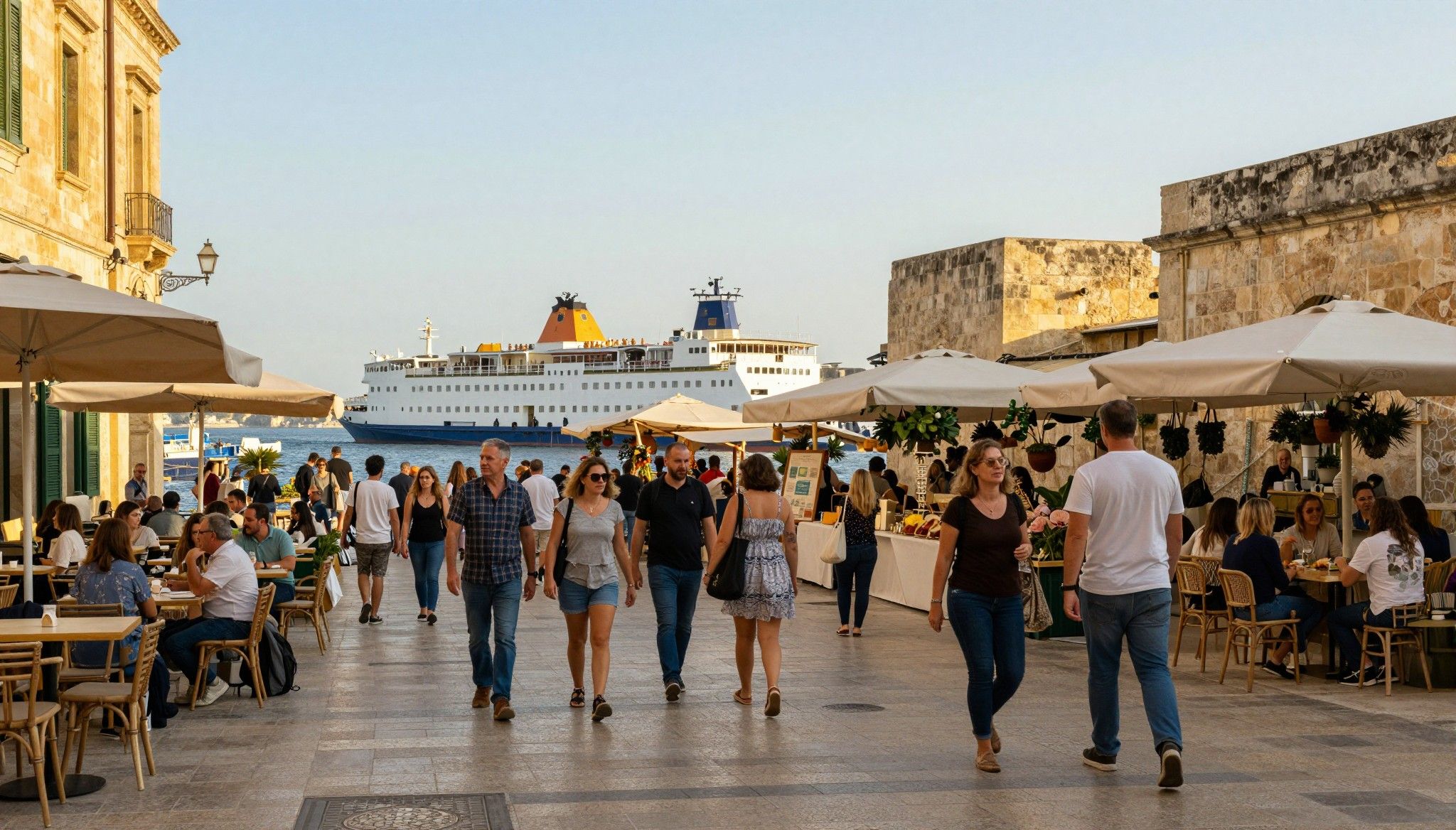
Rome feels lived-in: layered streets, corner trattorie, public gardens where families meet. Milan moves faster: glass offices, design shops and late-night aperitivo scenes. Florence trades bustle for art and compact neighbourhood life. For buyers, the choice is not only price but the tempo you want every morning.
Coast and Countryside: Amalfi, Puglia, Tuscany
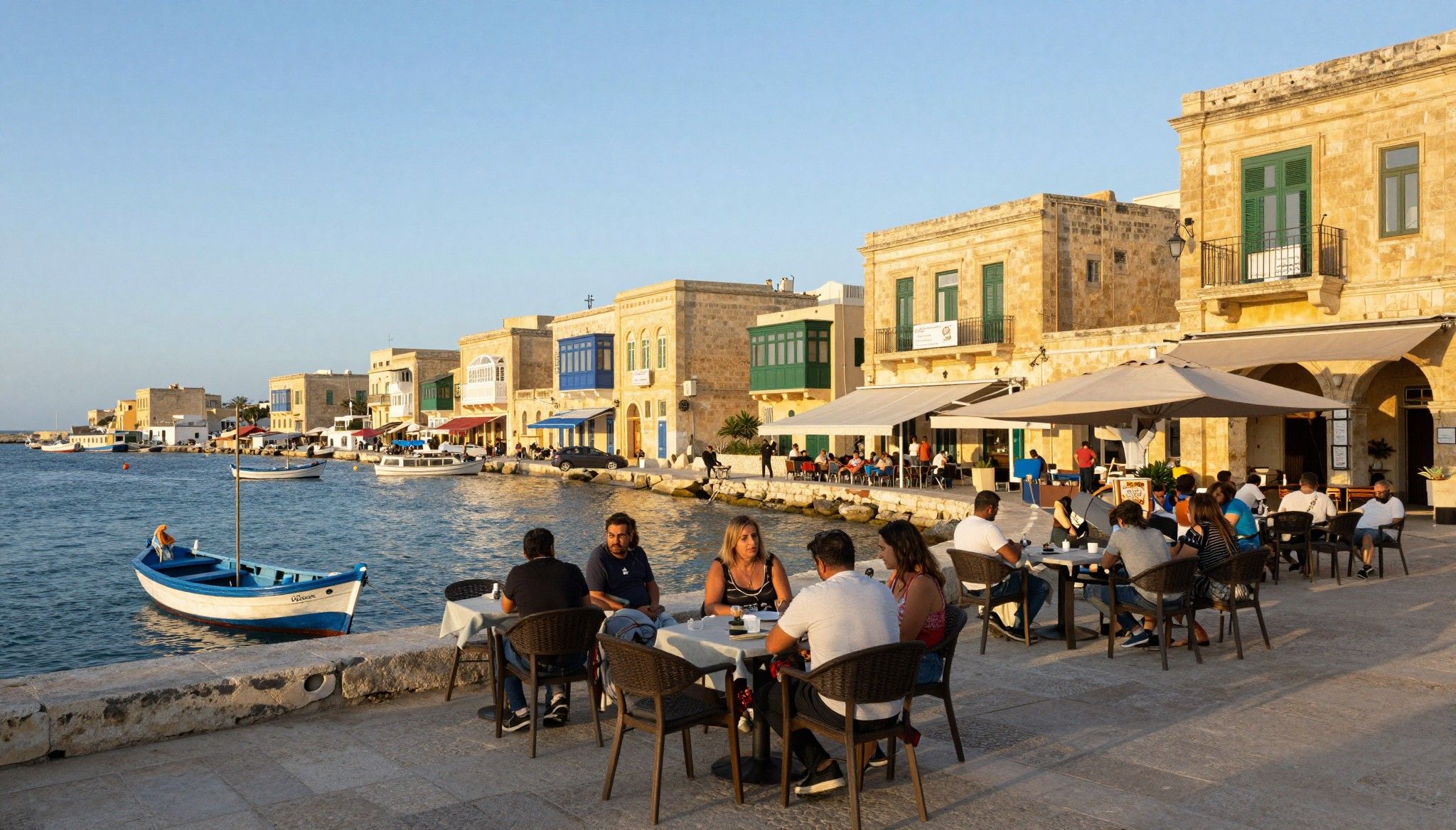
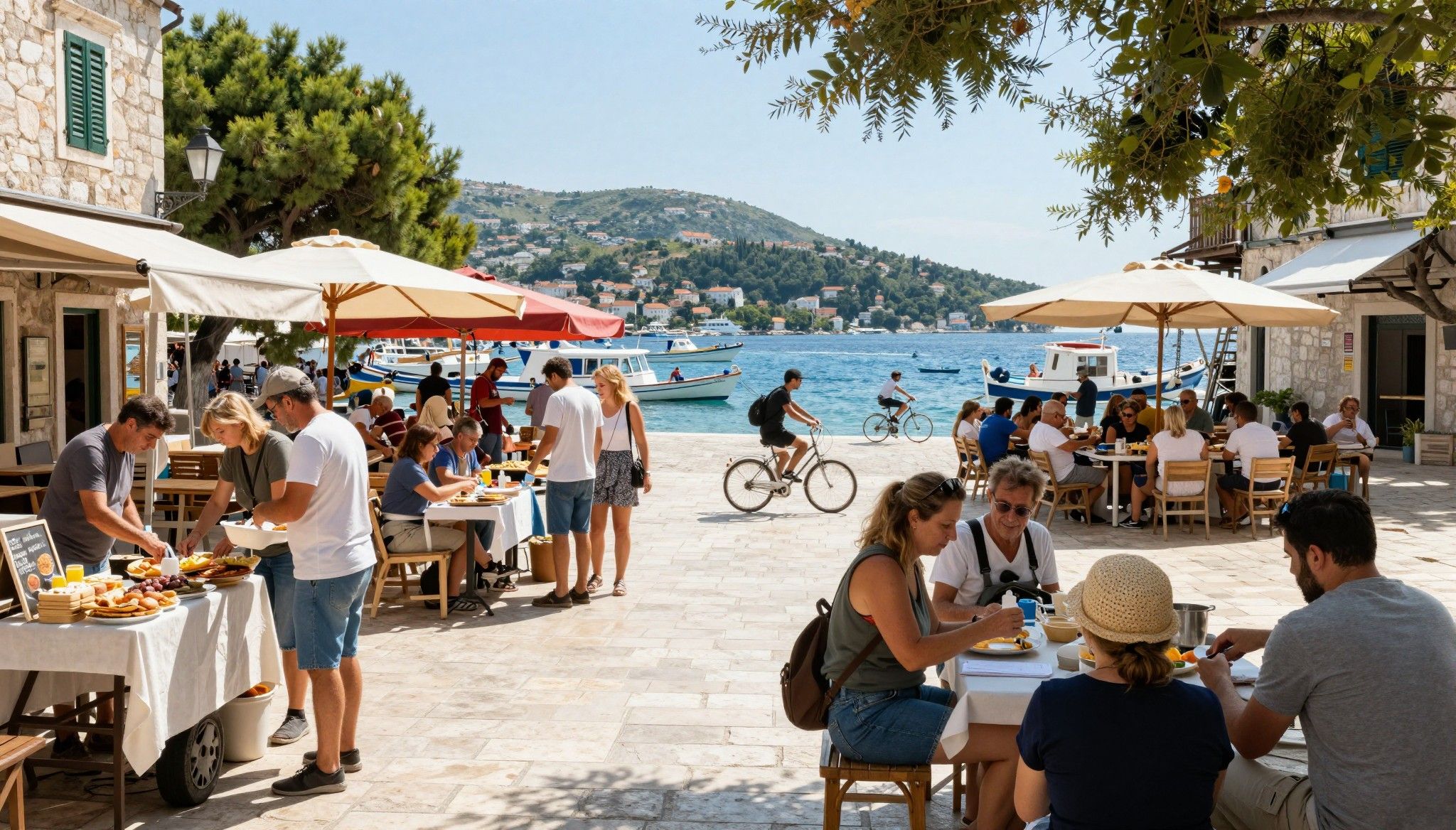
Coastal towns trade daily convenience for scenery—sea breezes, small local markets and seasonal tourism. Inland hill towns offer vegetable gardens, long communal lunches and slower summers. These differences change everything: insulation needs, rental seasonality and how much storage you want for off‑season living.
- Streets, tastes and small pleasures that define neighbourhood life:
- Rome: Trastevere bar counters, Saturday market at Porta Portese, evening passeggiata on Lungotevere.
- Milan: Navigli aperitivi, Corso Como design shops, weekday coworking sprawl near Porta Nuova.
- Tuscany: weekly mercato in Pienza, hillwalks in Val d’Orcia, farm-to-table dinners in small osterias.
Making the Move: Practical Considerations

Italy’s national house price trend is modest but regionally uneven: ISTAT showed a roughly low-single-digit annual rise in recent quarters, driven by existing homes and a rebound in transactions. That headline masks opportunity—markets shifting from growth to consolidation create value for buyers who know which neighbourhoods to target.
Property types and how they shape daily life
A central Roman apartment gives immediate access to cafés and theatres but often lacks storage and private outdoor space. A Tuscan farmhouse buys space, an oven and land—but expects maintenance and seasonal isolation. Match property form to lifestyle: if daily markets matter, prioritise walkability; if outdoor life matters, prioritise outdoor rooms and sun exposure.
Working with local experts who know the life you want
Local agents do more than show listings. The right agent introduces you to a baker, explains which streets flood in heavy rain, and knows which renovations are straightforward vs. entangled in historic-preservation rules. Insist on references from past international clients and examples of neighbourhood outcomes.
- A practical checklist that ties lifestyle to process:
- 1) Map daily routines: where you’ll shop, eat, and socialise—confirm proximity during viewings.
- 2) Inspect seasonality: ask local agents about off‑season life and rental demand for second homes.
- 3) Check legal limits: historic centres often have renovation constraints—budget for specialist architects.
Insider Knowledge: What Expats Wish They’d Known
Expats consistently mention three surprises: the local pace of bureaucracy, the centrality of neighbourhood ties, and the seasonal flip in coastal towns. These are not barriers—they are features. Accepting them early changes negotiation tactics and renovation timelines.
Language, social norms and making a neighbourhood your own
You don’t need fluency on day one, but learn the rituals: say buongiorno at the bar, respect shop hours, and attend local festivals. These small acts unlock favours—reliable tradespeople, invitations to dinners and kinder treatment when issues arise.
Long‑term life: energy, maintenance and community growth
Consider the invisible costs: roof repairs on an old stone house, winter heating in mountain villas, or condominium levies in modern developments. Where possible, prefer properties with recent energy upgrades to reduce running costs and improve lettability if you plan to rent.
- Red flags local agents will point out (and how to verify them):
- Unclear land titles: ask for a notaio’s preliminary title search before committing.
- Hidden restoration rules: request the ‘visura catastale’ and planning history for the last 20 years.
- Seasonal rental overstatement: check occupancy records from local property managers rather than relying on listing calendars.
Conclusion: Italy’s value isn’t only in price per square metre; it’s in the rituals you wake up to and the neighbours who become your winter lifeline. Use national data—ISTAT’s price indices—and regional reports from Nomisma to find pockets where lifestyle and value align. Then engage local agents who can translate a neighbourhood’s character into practical outcomes: commute times, renovation permissions and reliable tradespeople. Book viewings in different seasons; treat neighbourhoods as the product you’re buying as much as the property itself.
Dutch relocation advisor who moved to Marbella in 2016. Guides Dutch buyers through visa paths, relocation logistics, and balance of lifestyle with value.