When France Feels Pricey — Where Value Actually Hides
France’s headline 'expensive' label hides street‑level opportunities; use seasonality, neighbourhood rhythm and local data to find real value and lifestyle fit.
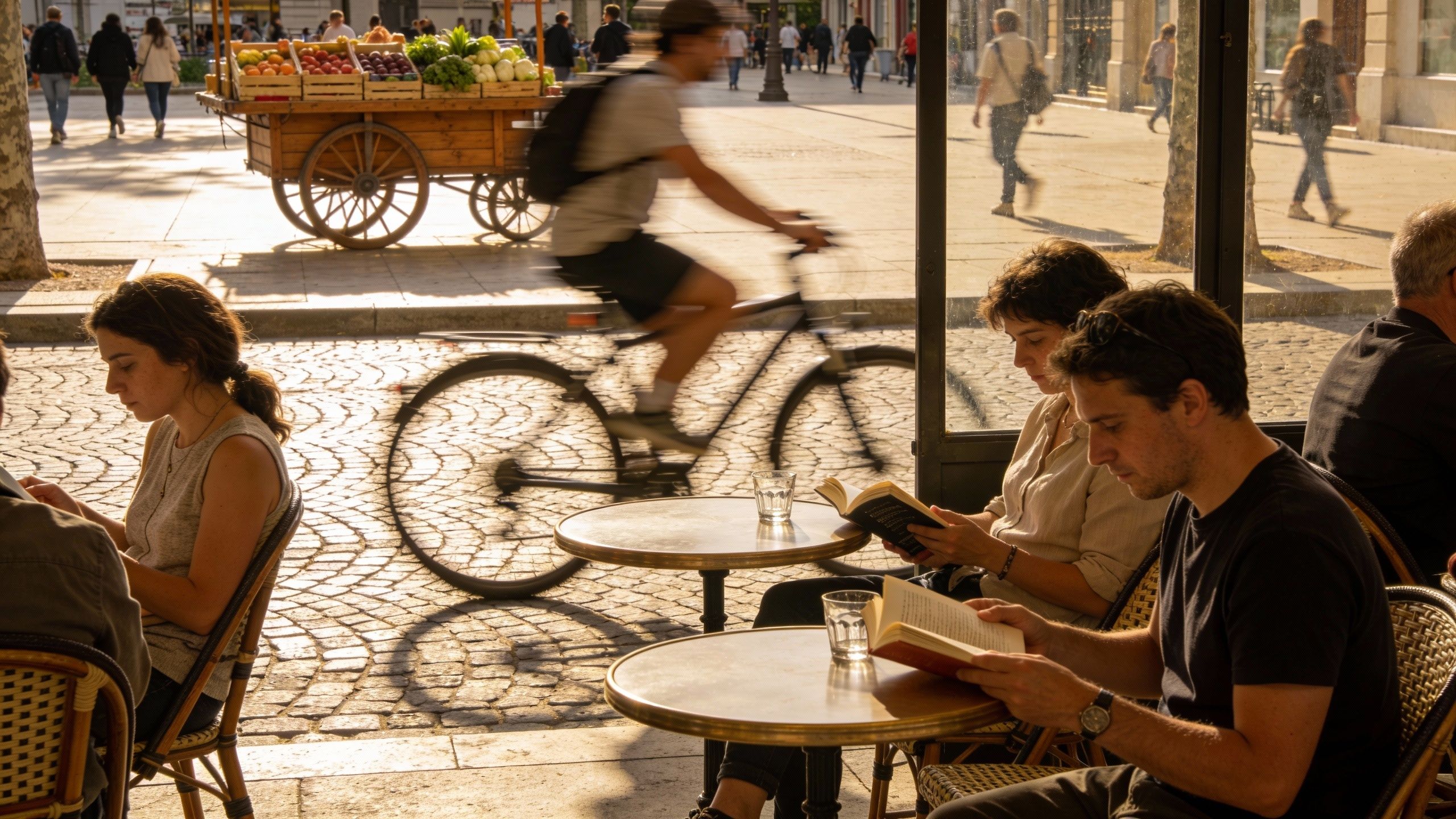
Imagine starting your day with a café crème on Rue Cler in Paris, swapping market finds at Marché Forville in Antibes, then ending with a quiet walk along the Loire. France is a sequence of lived-in moments: layered history, neighbourhood cafés, weekday marché rhythms and long, slow dinners. Yet many international buyers arrive with a single story — “France is expensive” — and miss the neighbourhoods and property types where value and lifestyle meet. This piece unpacks that myth with place-level colour and data-driven signals so you can see where price tags mislead and where opportunity quietly waits.
Living the French life — daily scenes that matter

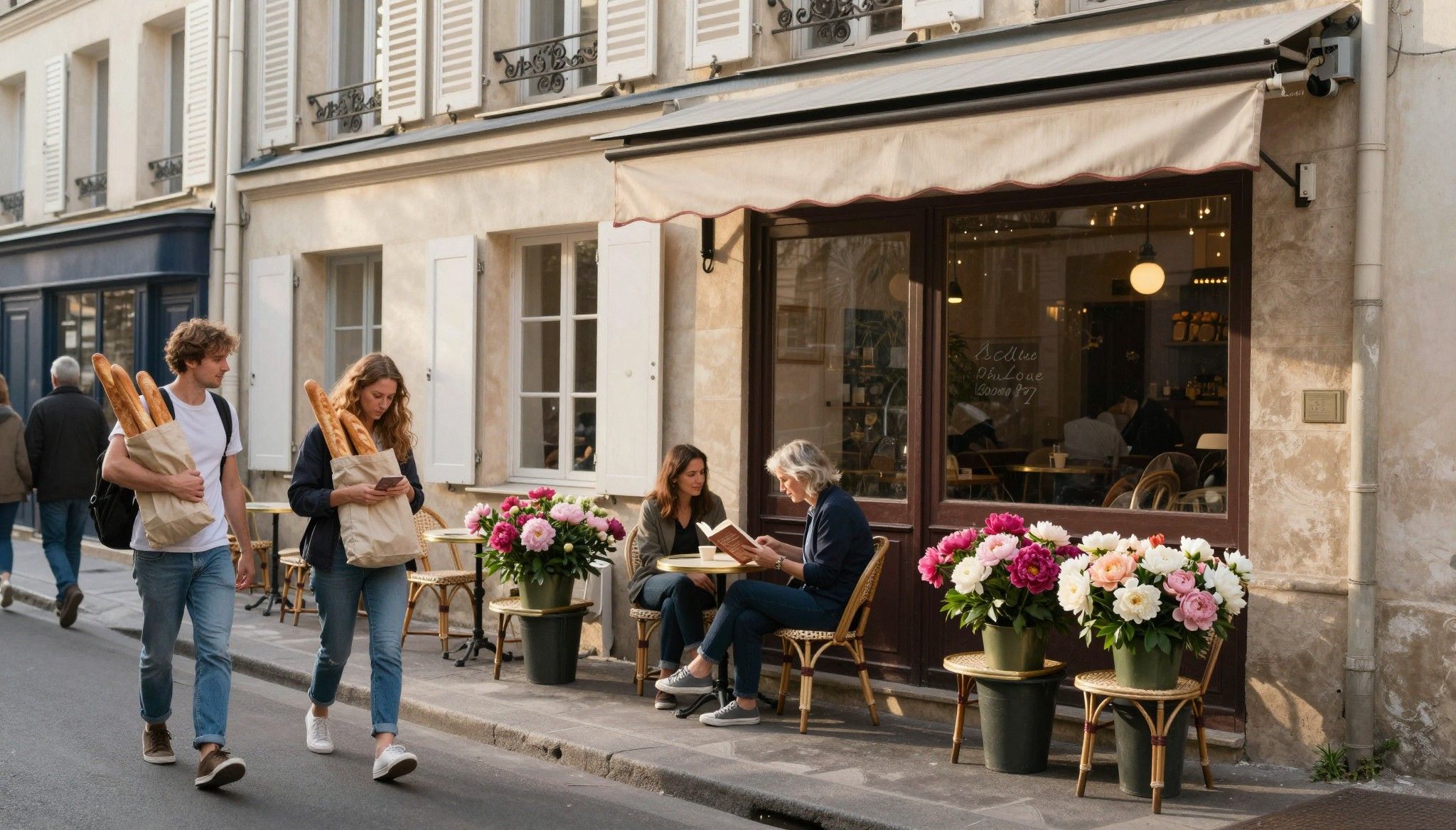
France is not one rhythm but many. Parisian mornings taste of short black coffee and a boulangerie queue; in Bordeaux neighbourhoods, Saturdays are for marché runs and wine conversations; on the Normandy coast, the day follows tides and the market’s catch. For a buyer, these rhythms tell you more about a property’s daily value than headline €/m² figures. When you choose a street — not a city — you choose a life: proximity to the marché, a favourite café, or a school that makes weekdays easier.
Neighbourhood spotlight: Le Marais to Belleville — contrasts on one metro line
Le Marais offers tight streets, 17th‑century façades and gated courtyards; prices reflect proven scarcity and tourist demand. Move two stops east to Belleville and you find wider apartments for the same budget, more local cafés, and a younger, creative energy. The trade-off is different services, school options and noise levels — but the lifestyle gap narrows quickly once you walk the streets and map daily routines. In practice, many buyers prioritise the market and the café near the front door, not the arrondissement number on a brochure.
Food, market and season: why timing shapes neighbourhood life
Markets are a social calendar in France. In Provence, truffle and olive seasons reshape temporary rental demand and local prices for short stays; in Lyon, culinary calendars bring chefs and buyers to specific arrondissements. Seasonality also reveals hidden supply: coastal towns often have many second homes listed only in spring and summer, while inland markets show steadier, year‑round listings. For international buyers, visiting outside peak season shows the everyday life you’ll actually inherit.
- Lifestyle highlights to map before you buy
- Walkable marché mornings — Marché d'Aligre (Paris), Marché Forville (Antibes), Marché des Capucins (Bordeaux).
- Daily coffee culture — Rue Cler (Paris), Cours Mirabeau (Aix‑en‑Provence), Vieux Nice promenades.
- Weekend escapes — Loire valley drives, Biarritz surf breaks, Camargue birdlife.
Making the move: practical considerations that preserve lifestyle
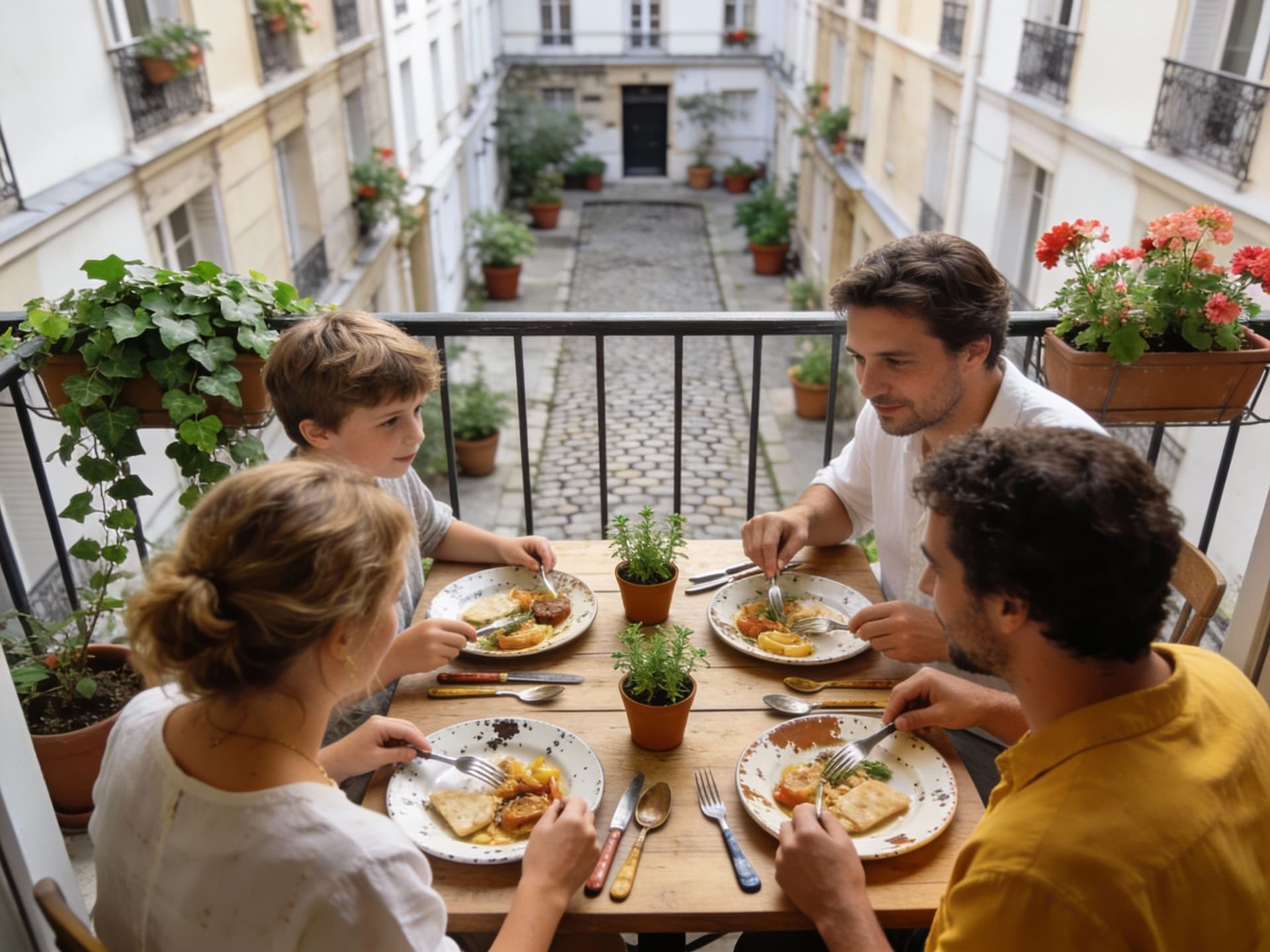
Dreams meet the market where timing, financing and stock align. National statistics show a recent pause and partial recovery in prices after a multi‑quarter dip, so headlines that “France is unaffordable” miss nuance on timing and region. Use national indices as a thermometer for macro risk, then drill down to arrondissement, commune or even street level for actionable signals. Agencies with strong local records — not glossy listings — will point you to those street-level mismatches between perception and price.
Property types that give more lifestyle per euro
Small townhouses outside city centres, pied‑à‑terre flats in secondary arrondissements and renovated village homes near transport hubs often deliver more daily life than prime central units. In coastal markets, consider modest apartments in year‑round towns (e.g., Sète, Agde) rather than headline Riviera addresses. Notaires data shows regional divergence — areas of stable employment and services tend to hold value better than purely tourist markets. Factor resale potential and rental seasonality into any lifestyle purchase.
- How local experts translate lifestyle into an offer (step by step)
- 1) Map your everyday needs: market, schools, transport and favourite streets. 2) Ask agents for transaction history on specific streets, not just price ranges. 3) Visit out‑of‑season to test services and noise. 4) Request a written rentability and seasonality note if you plan short lets. 5) Use a notaire or local lawyer to flag title specifics and commune-level taxes.
Insider knowledge: what expats wish they'd known
Expats often report the same surprises: the small‑print of copropriété rules, the true cost of winter heating in older stone houses, and the way a great neighbourhood can mask a weak resale market. Cultural norms — long lunch closures in small towns, the cadence of municipal services, and seasonal business cycles — affect daily comfort and long‑run demand. That lived reality changes where value sits: a lively, well‑connected quartier with year‑round life tends to be a better long‑term bet than a photogenic but dormant summer town.
Language, community and practical integration
You don’t need fluent French to buy, but local language skills accelerate integration and help you read neighbourhood nuance — which properties are well managed, which syndic is competent, which streets have regular deliveries and which have parking headaches. Join a local marché, a bookshop talk or a weekly pétanque game to understand how a community functions. Those insights inform value: neighbours who use a quartier year‑round maintain it, and sustained local use protects prices.
Longer‑term lifestyle and resale signals
Track local employment, transport projects and school openings as lifecycle signals. Savills and other prime market research show that capital value shifts often follow infrastructure and demand from international buyers. For lifestyle purchases, prioritise neighbourhoods with mixed, year‑round economies and clear transport links rather than short‑term tourist spikes. These are the places where everyday life stays good and values are less volatile.
- Red flags to note before an offer
- Large proportion of short‑stay rentals in the building — indicates seasonal demand and fragile year‑round value.
- Unclear copropriété accounts or deferred maintenance — ask for the last three AG reports and budgets.
- Lack of local services outside high season — test visits in off months to see real life.
Conclusion: buy the street you want to live on, not the price headline. France’s national indices show a market that recently stabilised and is regionally divergent; your best outcome comes from street‑level research, off‑season visits and advisors who translate lifestyle into durable value. If you want help matching a neighbourhood’s rhythm to a realistic price range, an agent with documented transaction history and a local notaire will turn aspiration into a replicable plan.
Dutch relocation advisor who moved to Marbella in 2016. Guides Dutch buyers through visa paths, relocation logistics, and balance of lifestyle with value.