Malta: Neighbourhood Life vs. Price Signals
Malta compresses Mediterranean life into neighbourhoods. Discover where lifestyle beats square metres, how rising RPPI affects choices, and practical steps for buying with local confidence.

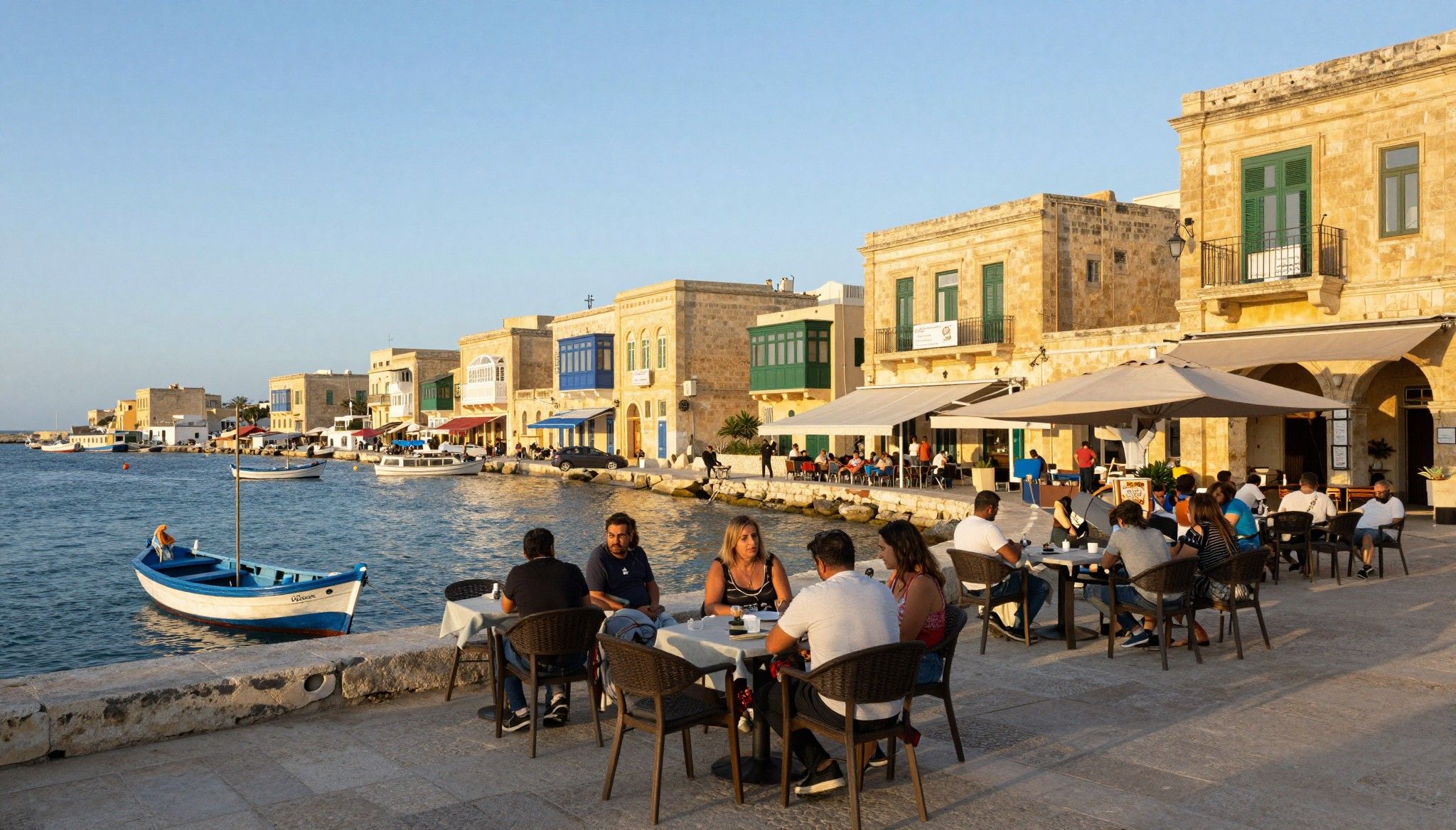
Imagine sipping espresso at a cafe on Sliema's seafront, then walking five minutes to a limestone townhouse with shuttered windows and a narrow courtyard. Malta compresses Mediterranean life into neighbourhood-sized experiences — compact streets, late-night pastizzi runs, and ferries to Gozo by weekend. For many international buyers the island feels immediate: small enough to learn quickly, layered enough to discover slowly.
Living Malta: the small‑island rhythm
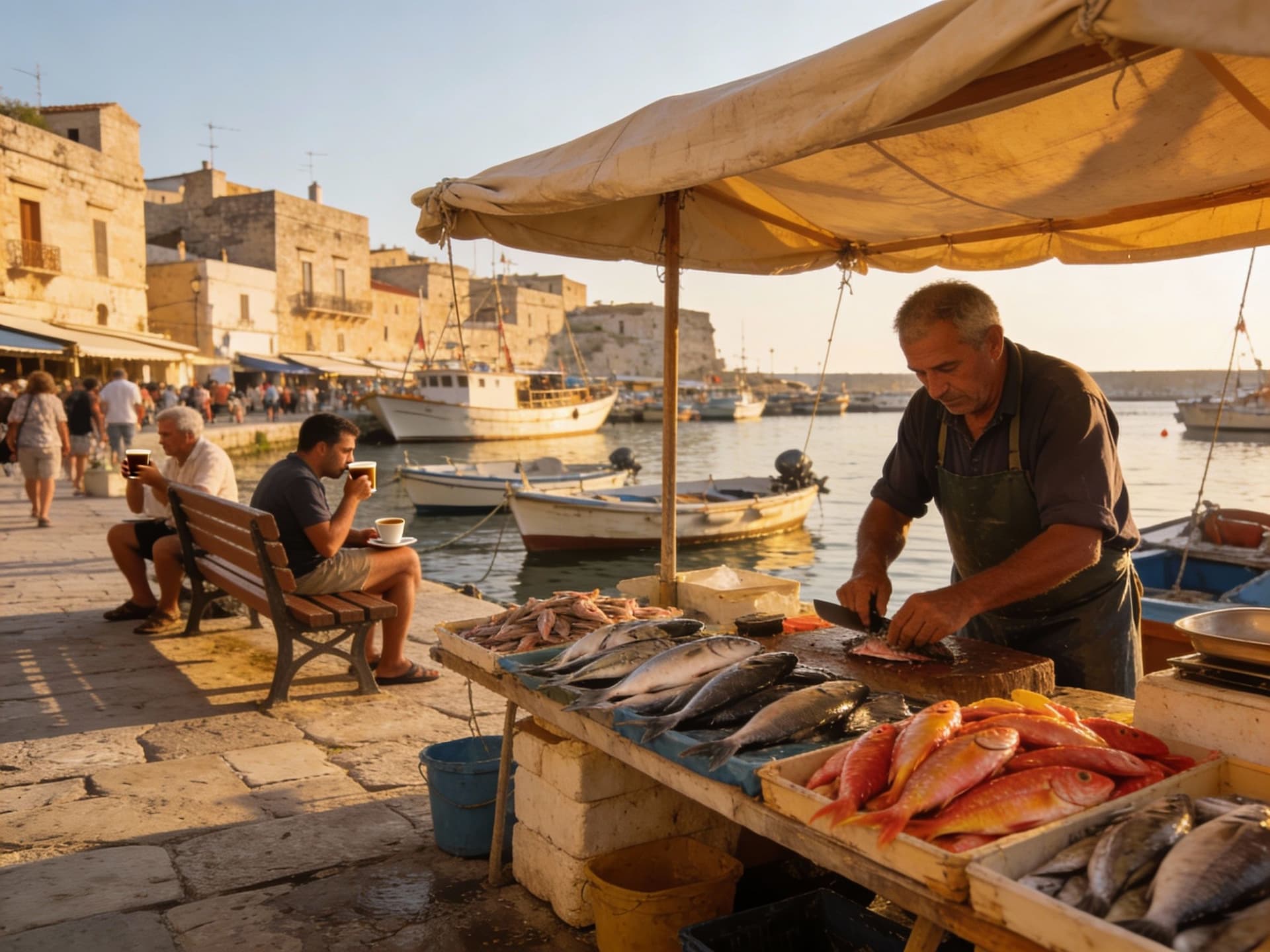
Daily life in Malta moves on human scale. Morning markets pulse in Marsaxlokk; business lunches finish by the harbour in St Julian’s; Valletta’s baroque streets empty late at night and reawaken with morning light. Note: residential prices have been rising steadily — official RPPI data show continued year‑on‑year growth — which shapes where expats look for value and lifestyle fit.
Sliema & Gzira: seaside convenience
Sliema’s promenade and Gzira’s apartment blocks are where you buy convenience: cafes, terraces, and short ferries to Valletta. Properties here are often modern flats above ground‑floor shops. Expect strong rental demand and higher price-per‑square‑metre than southern towns. For lifestyle: morning runs along the promenade, late aperitifs, and a dense expat social scene.
Mdina, Valletta & Cottonera: historic texture
If you prize stonework, quiet courtyards and a different pace, Valletta and the Three Cities (Cottonera) deliver. Valletta is compact and ceremonial; daily life is theater and careful provisioning. Cottonera offers wider streets and lower footfall, often better value. Historic homes bring charm — and renovation realities: old wiring, thick walls and planning permissions to respect.
- Lifestyle highlights to sample before you buy: • Morning coffee at Caffe Berry, Sliema promenade • Fish market walk in Marsaxlokk on Sunday • Aperitivo in Strait Street, Valletta • Sunset swim at Għajn Tuffieħa • Farmers’ stalls behind the Citadel in Mdina
Making the move: lifestyle meets market reality

Your emotional draw — seaside dinners, the neighbourly rhythm — collides with a compact market. Limited land, high demand in harbour districts and ongoing price gains mean choice narrows fast. Use lifestyle criteria to prioritise: is a daily promenade essential, or would you trade that for a larger terrace inland? Your answer should direct neighbourhood and property‑type selection.
What property types actually deliver the life you want
Apartments suit buyers wanting low‑maintenance, central life — think balconies, concierge blocks, quick access to cafes. Maisonettes and townhouses give you courtyards and scale but often require renovation. Villas and detached homes exist but are rare and concentrated outside the main harbour belt; they trade proximity for space. Match property form to daily routines, not aspirational checklists.
Work with a local team who understands lifestyle signals
- Steps to combine lifestyle and due diligence: 1. Spend at least two weeks living in candidate neighbourhoods at different times of day. 2. Ask agents for recent tenant profiles and typical short‑let yields in the block. 3. Commission a local survey focusing on damp, roof quality and planning constraints. 4. Check municipal development plans for nearby projects that change light, views or noise. 5. Confirm utility connections and broadband speed if you plan to work remotely. 6. Verify ownership and any restrictions for non‑EU buyers in the property’s title.
Insider knowledge: the things expats say after a year
Expats often describe three surprises: legal nuance (citizenship-for‑investment programs have been challenged at EU level), seasonal density (summer months fill coastal streets), and the pace of bureaucratic processes. The 2025 ECJ ruling on Malta’s citizenship scheme altered some residency expectations and increased due diligence for buyers who saw residency as a fast track.
Culture, language and community cues
English is an official language, which flattens many integration hurdles. Still, learning Maltese opens doors in local neighbourhoods and markets. Weekends revolve around family meals, festas and the sea. Being invited to a neighbour’s festa is both a social honour and a useful way to assess whether a community suits long‑term living.
Long‑term lifestyle and ownership notes
Expect compact living to shape maintenance and costs: historic houses can require specialist trades; communal blocks have sinking funds and management considerations. If long‑term residency matters, focus on locations with established services — international schools in Pembroke, medical clinics near St Julian’s, regular ferry and bus links. These preserve lifestyle as neighbourhoods densify.
- Red flags and practical checks before making an offer: • Unclear title or multiple prior owners recorded in the deed • Missing planning permits for extensions or roof terraces • Inadequate drainage or prior damp issues in older stone homes • Breakdowns in communal management (ask for minutes from owners’ meetings) • Large upcoming public works or reclamation projects that affect light or view
If Malta’s compact charm appeals, start with an exploratory trip timed outside high summer. Live like a local for two weeks; test morning routines, evening noise and seasonal weather. Bring a checklist focused on lifestyle signals as much as square metres. A local agency that can evidence recent transactions, supply surveys, and connect you with architects will turn imagination into a realistic plan.
Conclusion: Malta is a place where lifestyle and practicalities are tightly bound. The island rewards those who prioritise neighbourhood character and accept trade‑offs in space and price. Fall in love with the streets first; then build the paperwork and local expertise around that feeling. When you do, the island’s small pleasures become part of an everyday life worth buying.
Norwegian market analyst who serves Nordic buyers with transparent pricing and risk assessment. Specializes in residency rules and tax implications.