City trade‑offs in Italy: Milan, Rome, Naples compared
Compare Milan, Rome, Naples and other Italian urban hubs: sensory lifestyle differences, 2025 market signals and practical steps to align daily life with real estate choices.
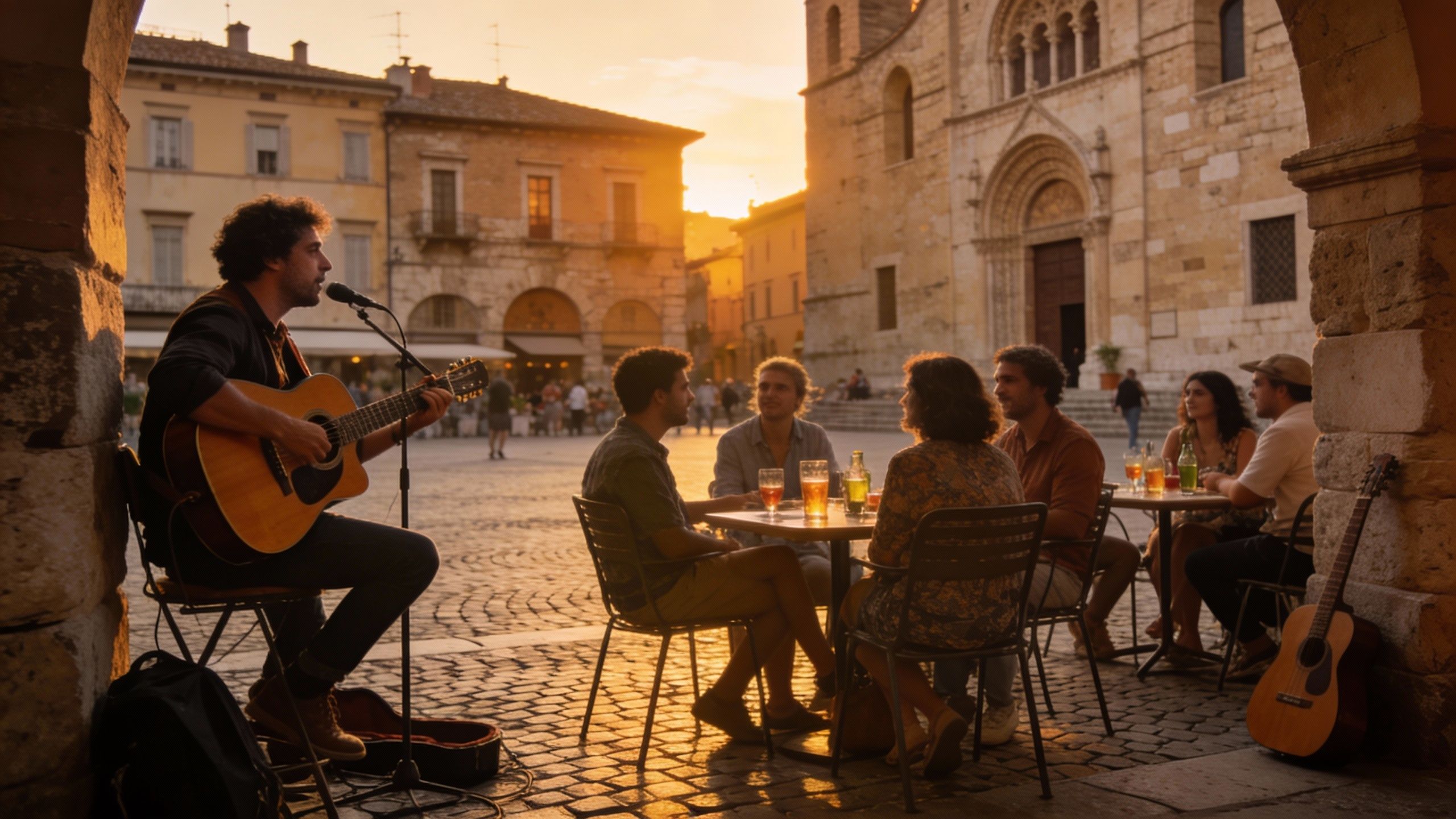
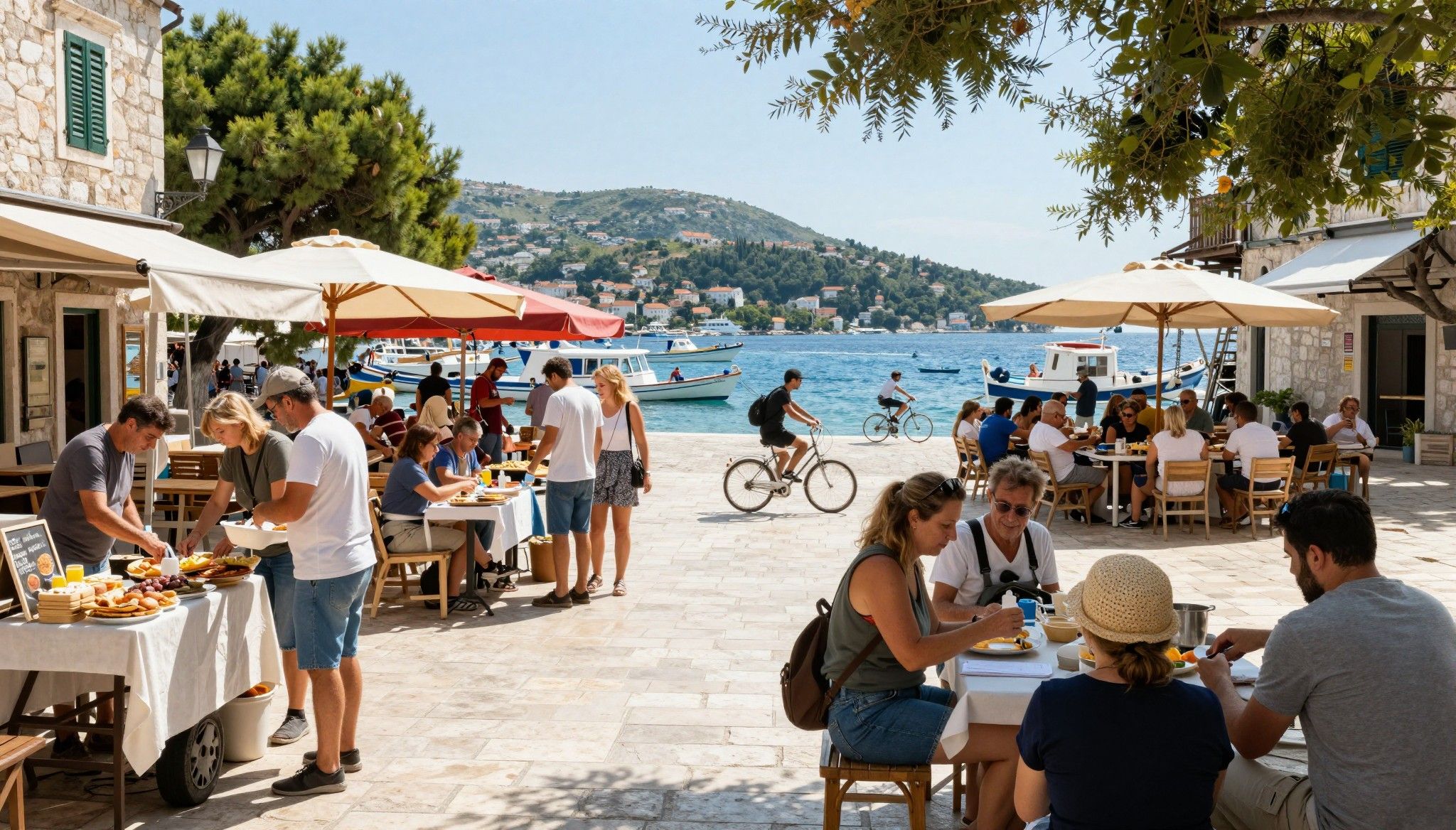
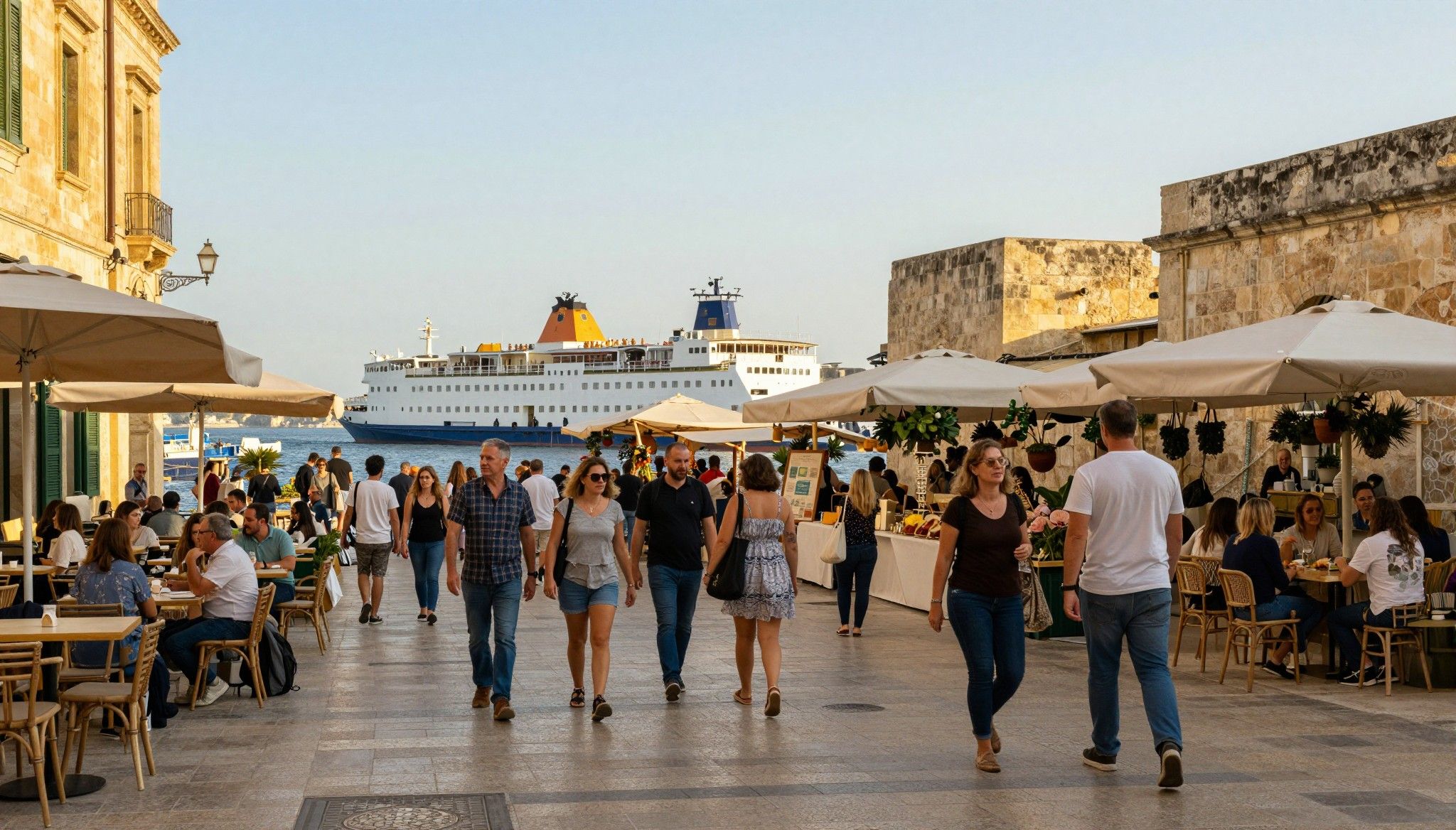
Imagine starting your day with an espresso in a narrow Milanese courtyard, wandering a Roman market at noon and finishing with a seaside aperitivo in Naples at dusk. Italy’s major cities are less a single mood than a palette: fast, ceremonial, convivial. These differences matter for buyers — lifestyle choices map directly to property type, resale prospects and everyday costs. Recent reporting shows investor interest rising despite past scandals; treat that as context, not a prescription for where you should buy. ([reuters.com](https://www.reuters.com/business/investors-look-beyond-italys-real-estate-scandal-2026-01-12/?utm_source=openai))
Living the Italian city life
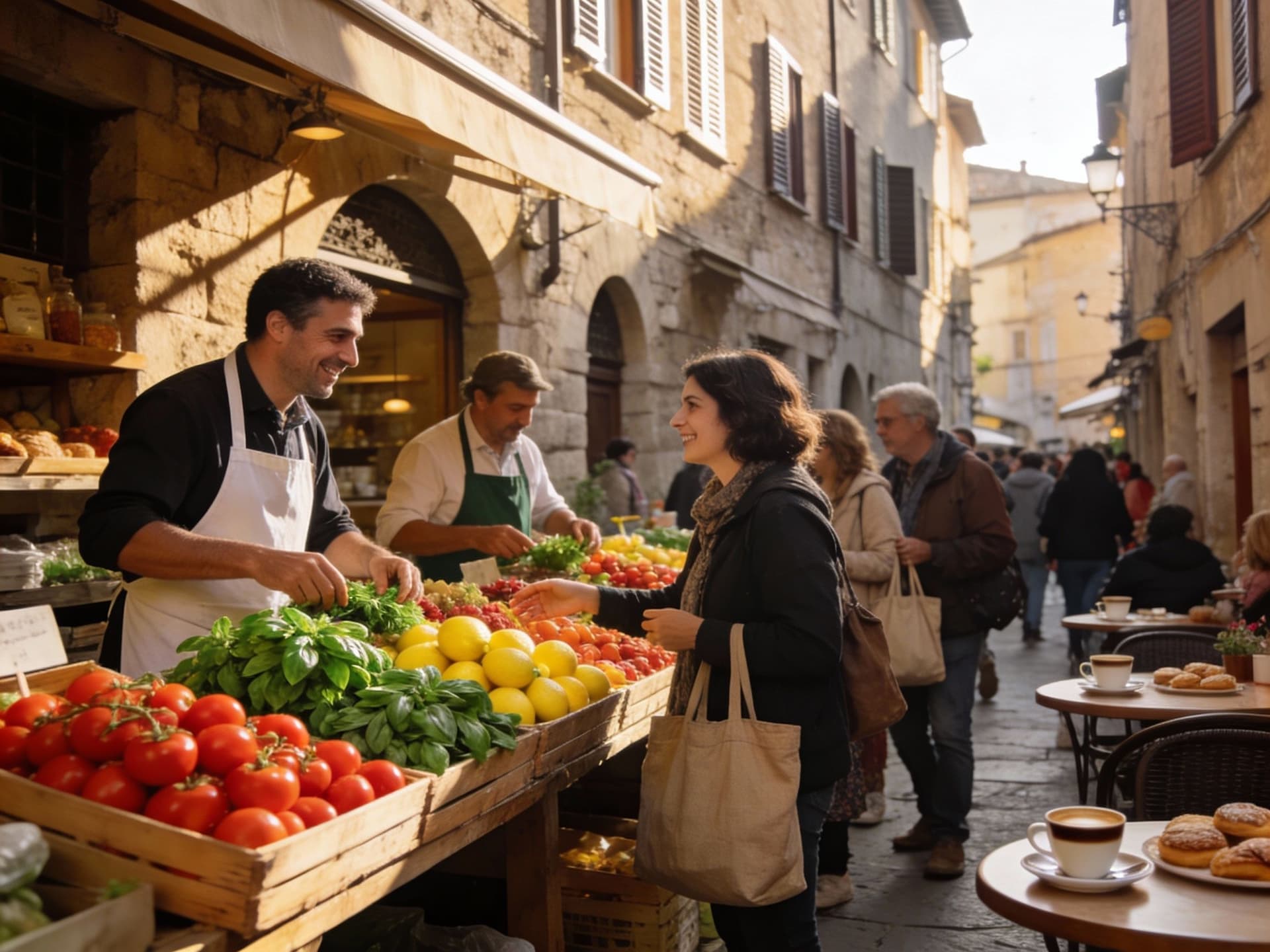
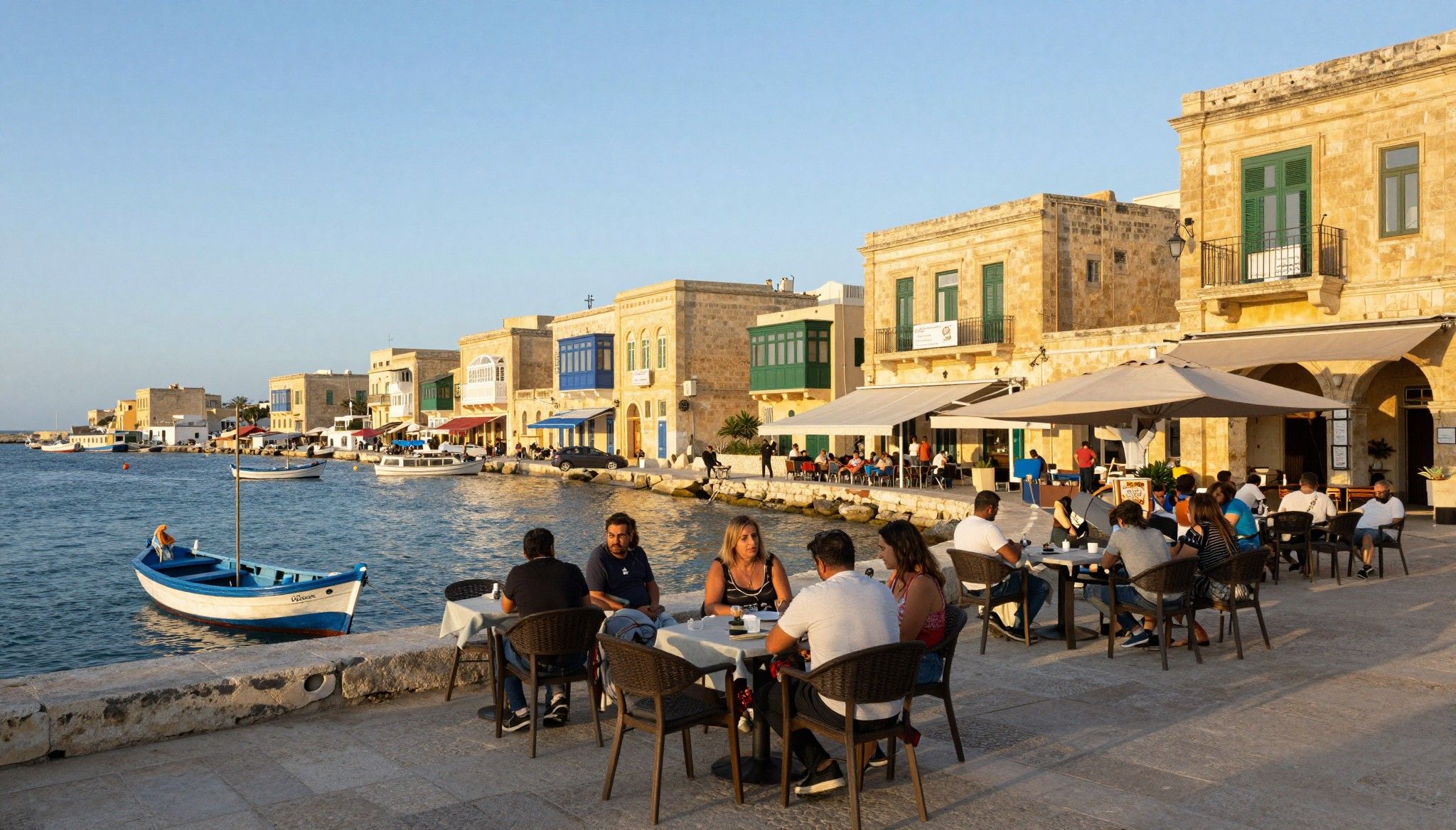
Daily life in Italy’s urban centres is sensory and local. Markets set the week’s menu, cafés act as living rooms, and neighbourhood festivals punctuate the year. In Rome, for example, prices climbed in 2024 with distinct pockets outperforming others — a reminder that the city is many markets under one municipal roof. If you buy here, you are buying into a rhythm as much as real estate; location determines whether that rhythm is tranquil or kinetic. ([idealista.it](https://www.idealista.it/en/news/property-for-sale-in-italy/2025/01/14/195591-house-prices-rise-2-5-in-rome-in-2024?utm_source=openai))
Milan: work, design and late‑night aperitivo
Milan feels like a city that never apologises for efficiency. Business corridors, contemporary residential towers and curated public spaces shape daily life. Neighbourhoods such as Porta Romana, CityLife and Brera offer distinct trade-offs: proximity to offices and clubs versus quieter courtyards and artisan shops. The market reflects that split — prime central spots command higher prices and faster transactions, while inner‑ring districts reward buyers seeking space and longer-term value. ([columbusintl.com](https://columbusintl.com/en/milans-real-estate-market-shines-bright-in-2025/?utm_source=openai))
Rome: lived history and layered neighbourhoods
Rome is spatially generous — wide boulevards, piazzas, and neighbourhoods with clear identities. Centro Storico and Prati trade on history and visibility; Garbatella and Pigneto trade on character and changing demographics. That variety creates internal arbitrage: buyers who look beyond headline neighbourhoods find distinct lifestyle gains and better price elasticity. Rental demand is strong in central pockets and near universities, which is important if you plan to rent long-term. ([investropa.com](https://investropa.com/blogs/news/how-is-rome-real-estate?utm_source=openai))
- Lifestyle highlights: Milan, Rome, Naples and other hubs
- Milan — Aperitivo culture, design week energy, efficient transit (CityLife, Porta Romana, Navigli)
- Rome — Morning markets, layered history, strong neighbourhood identities (Prati, Garbatella, Trastevere)
- Naples — Sea‑facing living, street food culture, lower entry prices but varied quality (Chiaia, Vomero, Centro Storico)
Making the move: practical considerations
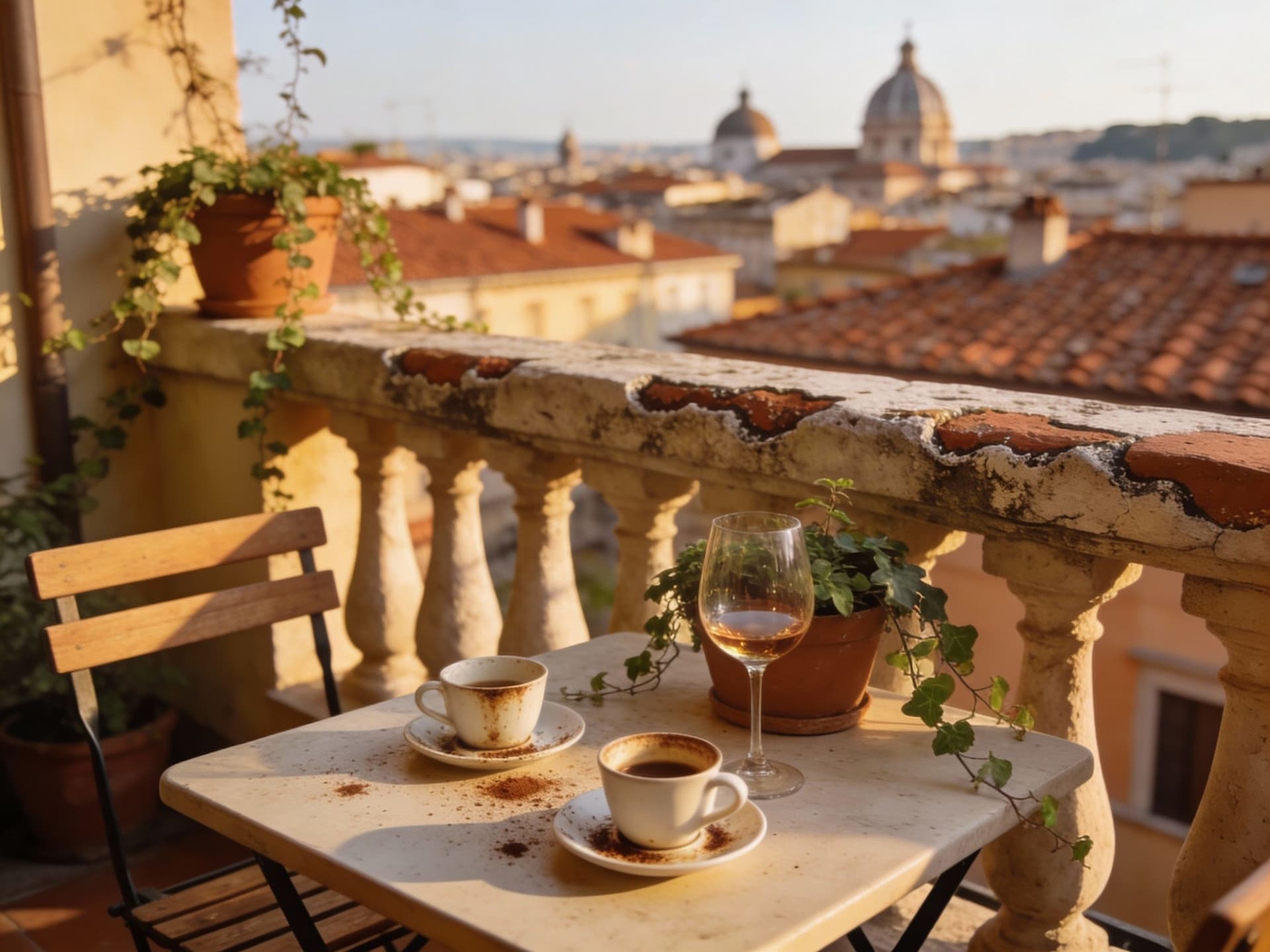
Lifestyle and market reality intersect. National reports show prices and rents rising in 2025, and major cities concentrate demand. That means competition for well‑located flats and a need to price offers realistically. Practical steps — clear briefs, local valuation checks and pre‑approved financing — convert lifestyle desire into purchase readiness. Use market data to set realistic expectations for time‑on‑market and negotiation room. ([idealista.it](https://www.idealista.it/en/news/property-for-sale-in-italy/2025/07/24/253491-italy-s-property-market-outlook-2025-sales-and-prices-on-the-rise?utm_source=openai))
Property styles and how you’ll live in them
Historic apartments offer vaulted ceilings, thick walls and central addresses but often require systems upgrades. Modern developments give insulation, elevators and parking at the cost of character. In Milan, new builds near the M4 corridor attract professionals seeking low‑maintenance living; in Rome, period homes in Prati or Monti reward buyers who accept renovation. Match property type to daily habitual needs: proximity to transport, outdoor space or a kitchen big enough to host.
Working with local experts who know the lifestyle
A good local agent is first a neighbourhood translator. They explain where the morning market sits relative to student housing, how noise behaves after midnight, and which streets flood in heavy rains. Ask for evidence: past transaction lists, client references and examples of negotiating through complex condominium boards. Lawyers and surveyors should specialise in the city you’re buying in — not generic national experience. Local expertise saves time and avoids soft costs that erode returns.
- Practical checklist for lifestyle-minded buyers
- 1) Prioritise three lifestyle must‑haves (e.g., market, transit, sea view) and map them to districts.
- 2) Obtain a local valuation and permit check before offer — factor in renovation time and costs.
- 3) Meet condominium administrators and request service charge history to forecast recurring costs.
Insider knowledge: what expats wish they'd known
Buyers often underestimate how quickly a neighbourhood’s character can shift after a regeneration project or a new transit link. Genoa’s recent renewal is a good example: investment and infrastructure change demand patterns, sometimes within a single electoral cycle. That creates both upside and transitional disruption — construction noise, changing tenant profiles and evolving service availability. Be prepared to live through transition if you buy early. ([ft.com](https://www.ft.com/content/0128c3e9-892d-4a67-9916-6cabad4c743e?utm_source=openai))
Cultural integration and everyday practicalities
Language is practical more than symbolic: suppliers, condo boards and local tradespeople operate in Italian. Learning basic terms for contracts, measurements and utilities will save negotiation errors. Socially, neighbourhood acceptance often follows repeated local interactions — market vendors, café owners and building concierges are as important as formal references. Invest time in routine routines: trash days, local festivals and market cycles are how locals measure belonging.
Long‑term lifestyle and asset considerations
National averages hide citywide divergence: Milan and Rome perform differently from coastal or inland markets. Average asking prices rose modestly nationally in 2025, but prime urban pockets remain the engine of activity. If you plan to hold five years or more, focus on structural drivers: transport projects, university expansion and zoning changes. Those elements decide whether a neighbourhood matures gracefully or stagnates. ([internationalinvestment.biz](https://internationalinvestment.biz/en/real-estate/6776-the-average-price-per-housing-unit-in-italy-increased-by-27-in-2025-reaching-2104-per-square-meter.html?utm_source=openai))
Conclusion — fall for the life, plan for the ledger. Italy’s cities sell different versions of the same dream: historic rhythm in Rome, efficiency and style in Milan, coastal grit and warmth in Naples. Start with sensory visits — a morning at a market, an evening on a terrace — then translate impressions into measurable criteria: commute time, renovation cost, rental demand and legal clarity. Work with neighbourhood‑specialist agents, local lawyers and surveyors to turn attraction into a resilient purchase.
Norwegian market analyst who serves Nordic buyers with transparent pricing and risk assessment. Specializes in residency rules and tax implications.