Croatia: Fall for the Life, Verify the Title
Croatia’s lifestyle is magnetic — but coastal rules, land-register quirks and foreign‑buyer consent can surprise. Start with neighbourhood visits and insist on Zemljišna knjiga and cadastre checks.
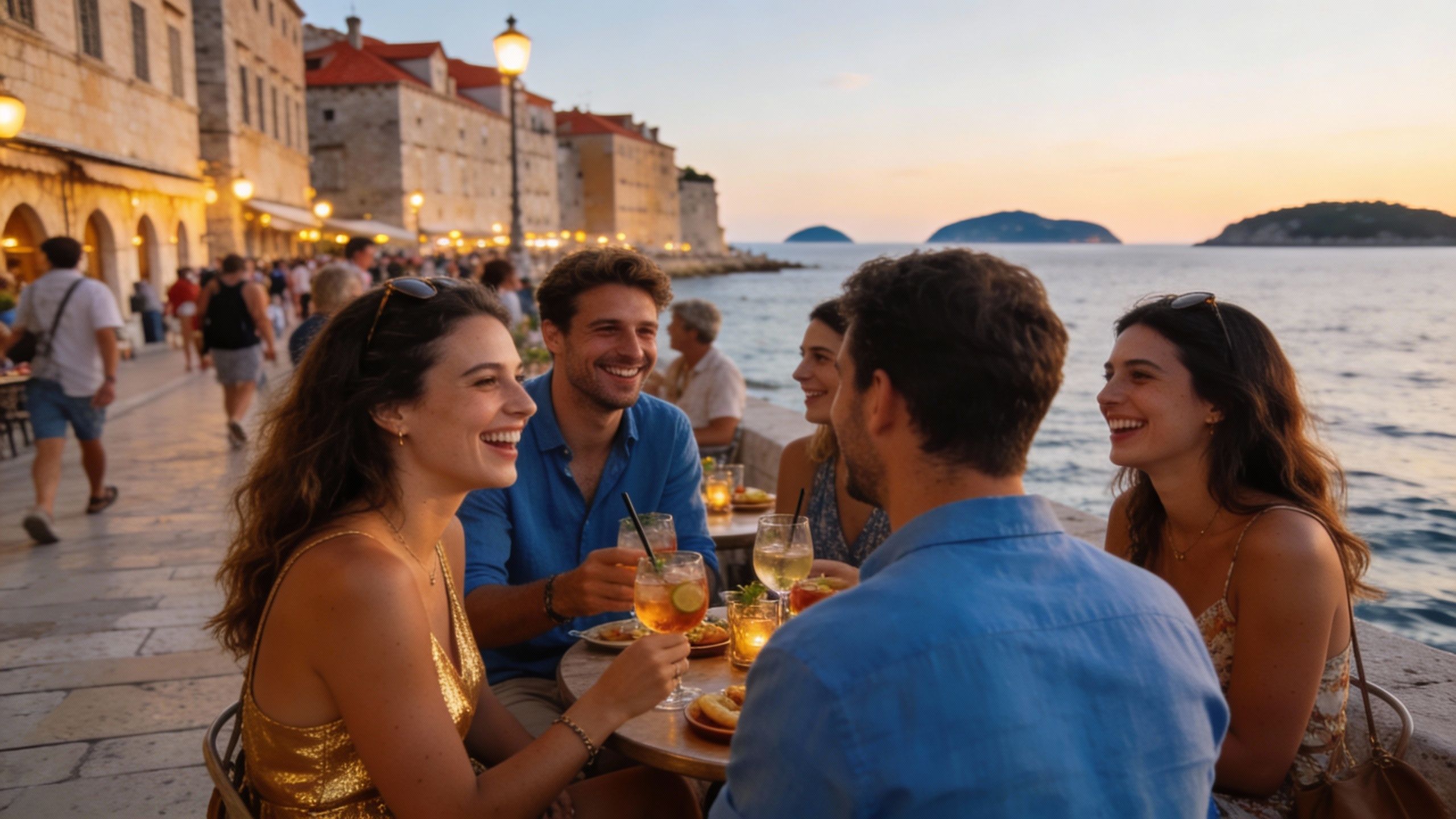
Imagine sipping espresso on Split’s Riva while a neighbour waves from a limestone balcony. Summer ferries hum, terraces fill with sardines and laughter, and between July and September whole towns briefly belong to the Adriatic. That postcard ease is real — but so are legal quirks, coastline rules and title mismatches that can turn romance into a long wait. We’ll show you why the life is worth it, and precisely what to check before you sign.
Living the Croatia life
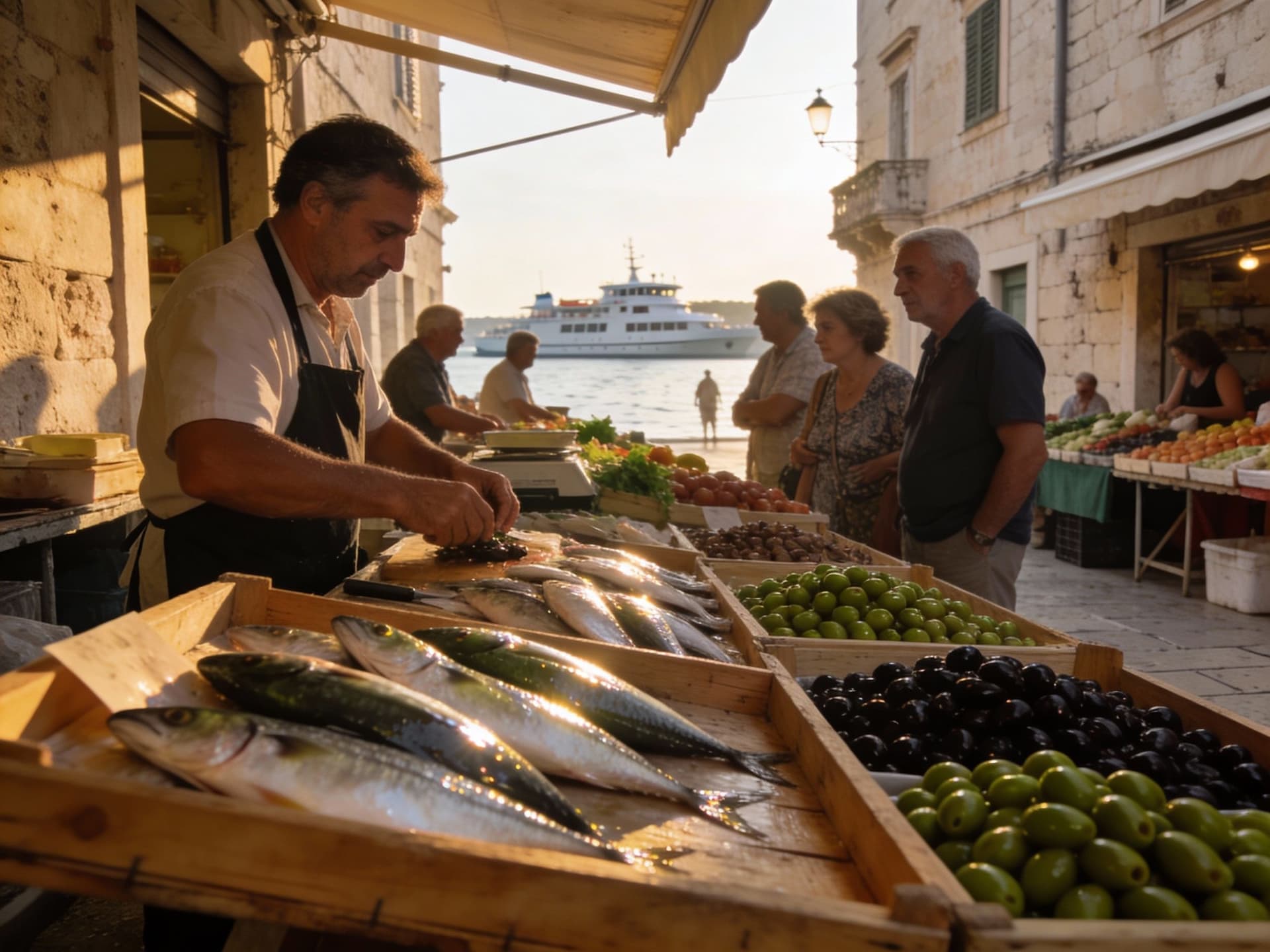
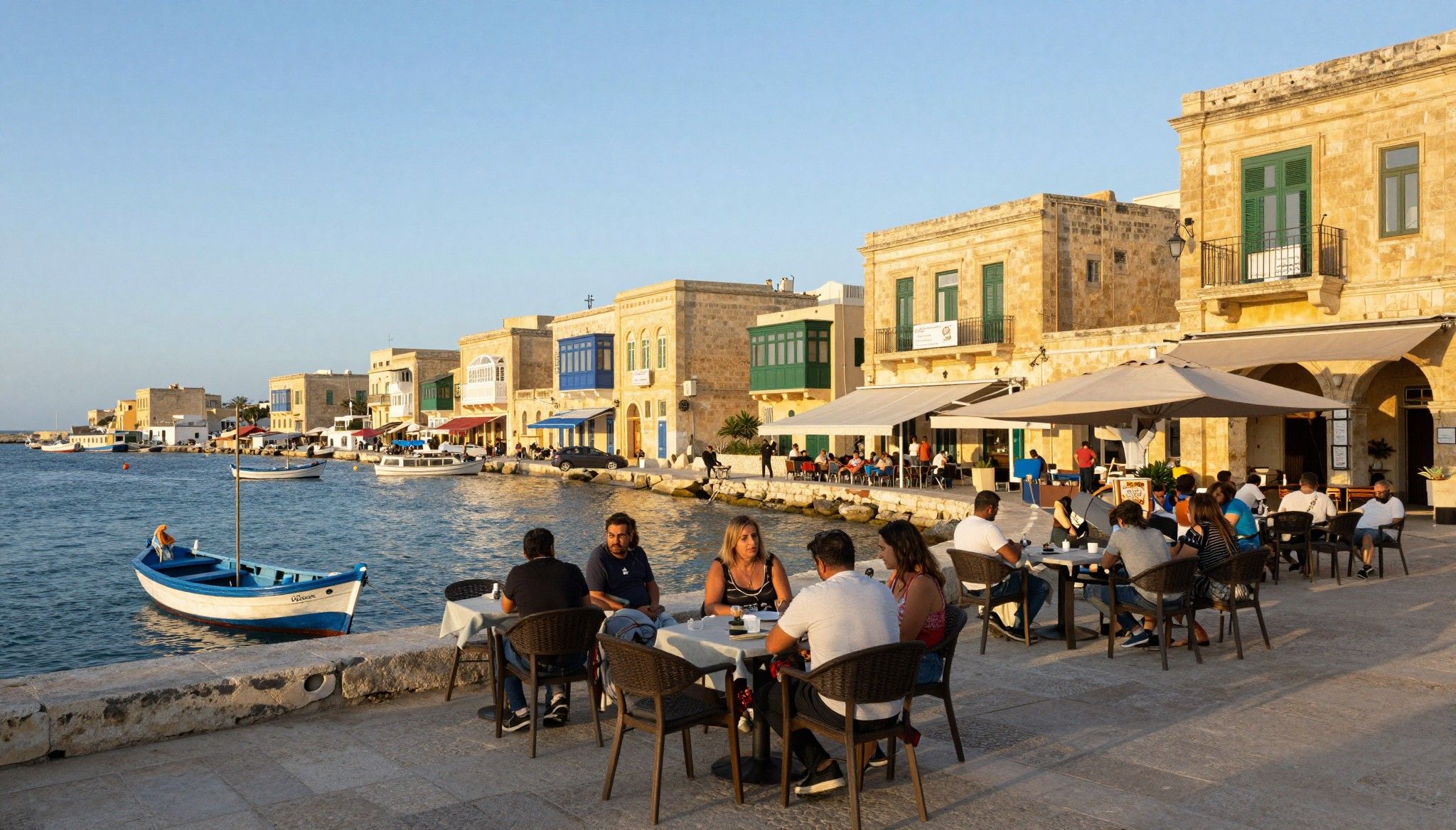
Croatia feels like a collage of mornings: Zagreb cafés with espresso-and-newsstand rituals, Hvar’s late breakfasts that run into noon, and fishing villages where time keeps different hours. The Adriatic frames everyday life — market-mornings in Zadar, sunsets on Korčula, weekend family barbecues on Istrian stone terraces. For international buyers, that variety is a feature: you can live historic, urbane or island‑slow depending on the address. Lifestyle choices map directly to property type (stone apartment vs new-build villa) and to the level of local paperwork you’ll face.
Neighbourhood snapshots: real streets, real rhythms
Pick Split’s Veli Varoš for fishermen’s stairs and morning coffee by the sea, or the eastern end of Zagreb’s Britanski trg for leafy cafés and Saturday markets. In Dubrovnik, Ploče and Lapad offer very different evenings—Ploče is the tourist-facing postcard, Lapad the quieter promenade life. On Istria, try Rovinj’s Stari Grad lanes for lived-in authenticity; on the island of Brač, Supetar blends ferry access with genuine local life. These micro-choices change everything: utility access, renovation rules, and how quickly a local agency can resolve title questions.
Food, market life and seasons that shape property use
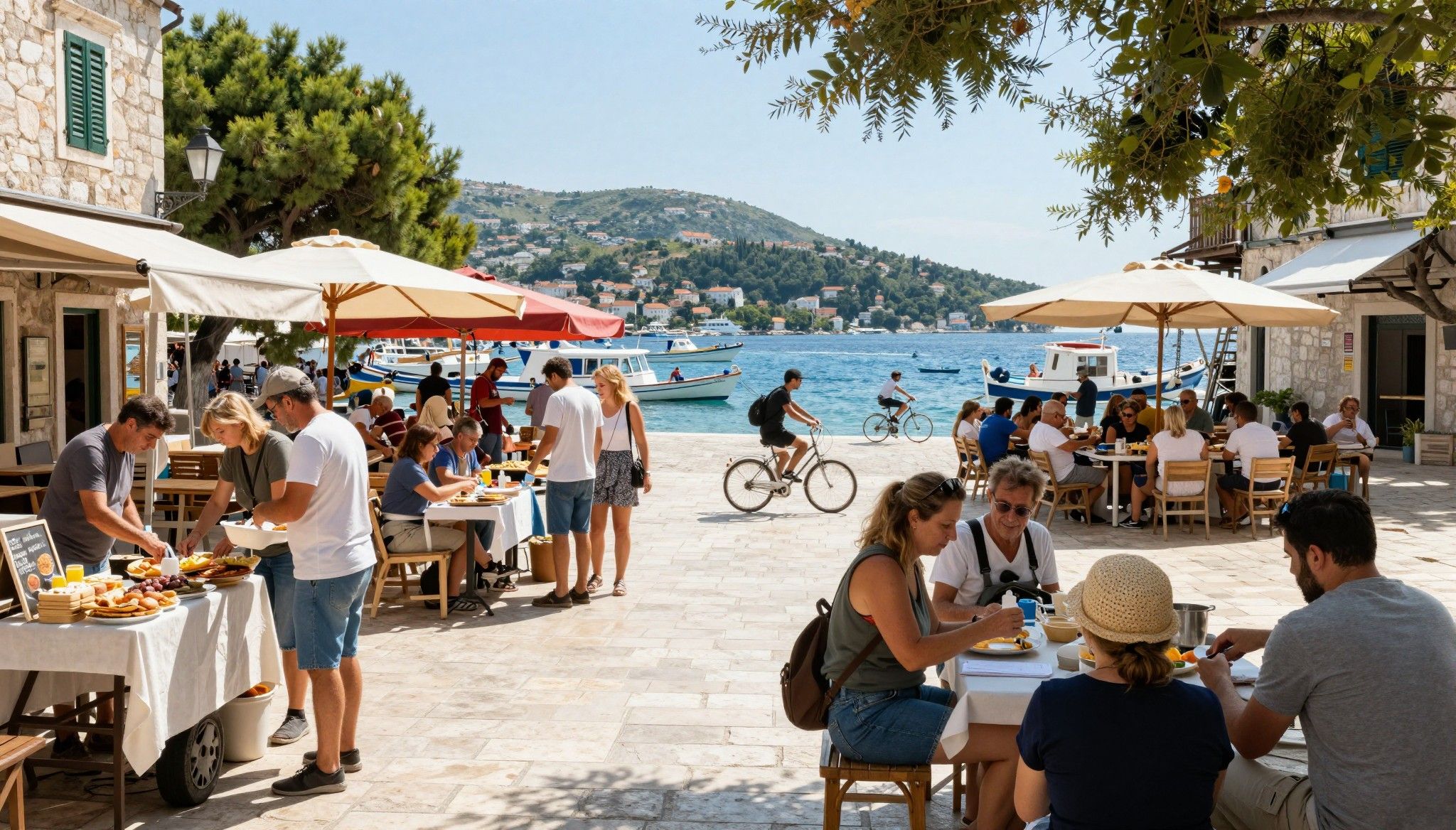
Weekends in Croatia often mean markets: fish on trays at the Split Green Market, truffles and olive oil stalls in Istrian towns, and late‑summer market festivals that boost short‑term rental demand. Seasonal life matters: many coastal owners rent heavily in June–September and keep properties closed in winter. That plan affects what you buy — low-maintenance apartments close to transport for frequent rentals, or a stone house with a reliable heating solution if you plan year-round living.
- Market-life highlights - Split Green Market (Pazar) – morning fish, olives, and neighbourhood gossip - Hvar Town waterfront cafés – long breakfasts and late dinners - Rovinj Stari Grad – cobbled lanes, artisan food stalls - Korčula Old Town – intimate summer festivals and family-run konobas - Zagreb Britanski trg – weekend farmers’ market and neighbourhood energy
Making the move: practical transparency to protect the lifestyle
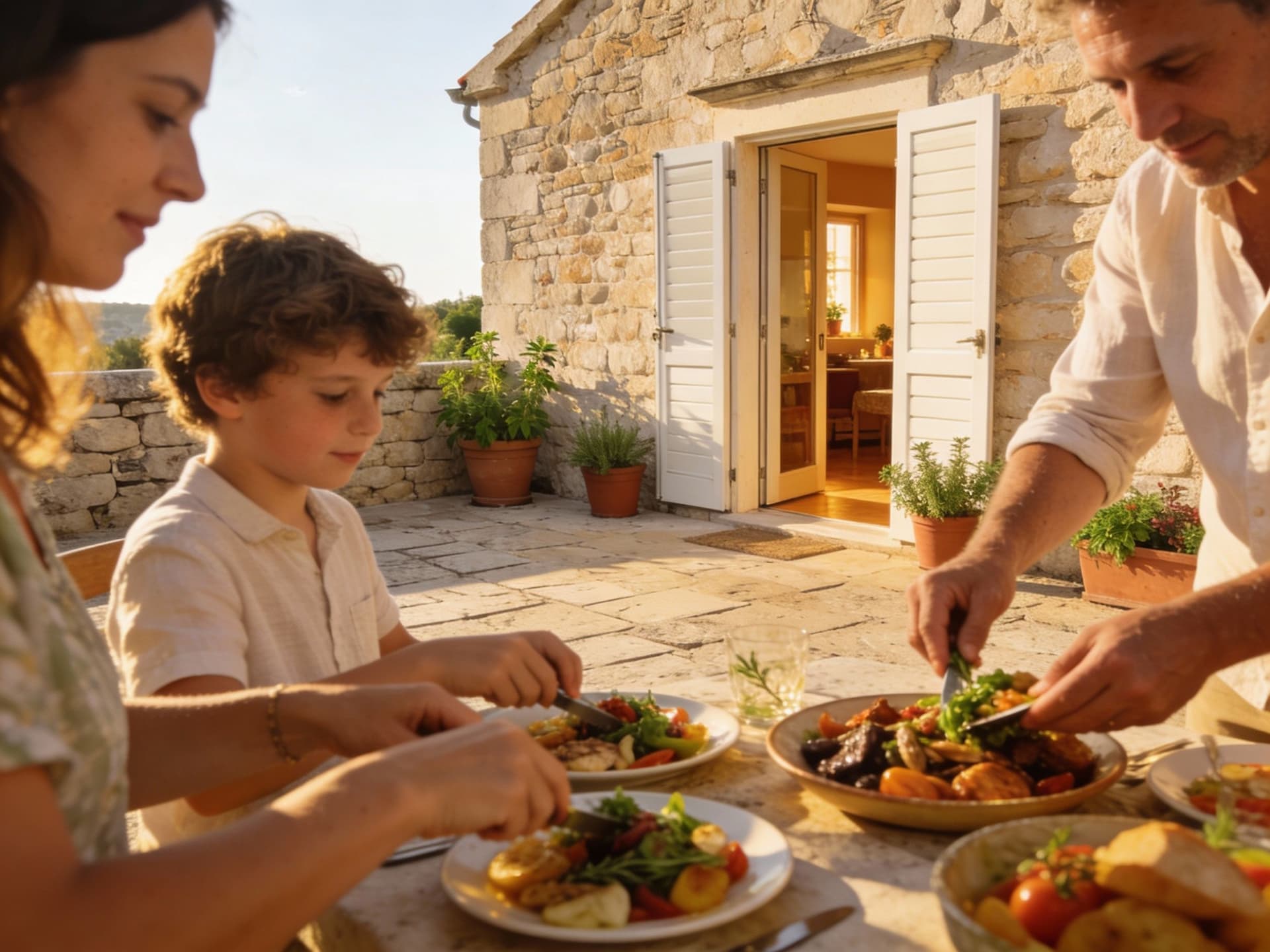
That morning-by-the-sea life depends on clean titles and clear rights. Croatia’s rules treat EU/EEA buyers differently from third‑country nationals: EU citizens usually buy on equal terms, while non‑EU buyers often need Ministry consent — a formality in many cases but still a potential delay. Coastal edge-cases matter too: the maritime domain (pomorsko dobro) means you rarely own the sand below a beachfront terrace. Start with transparency: ask for recent land-register extracts and a written note on any public‑domain or protected‑zone status.
Property types and what they mean for daily life
A Dalmatian stone apartment brings texture, thick walls and terrazza life, but often smaller windows, shared staircases and tricky wiring when renovating. New coastal builds offer modern insulation and easy rentals but can sit farther from the historic core. In Zagreb, apartments around Maksimir or Tkalčićeva street fit an urban calendar of museums and cafés, while family homes in suburban Črnomerec provide gardens and schools. Match the property’s physical reality to how you want to spend mornings and weekends — and ask for utility history and recent energy retrofit records.
Work with experts who know both life and law
A local lawyer and an agency that understands neighbourhood rhythms shorten surprises. Expect ministry consent windows for non‑EU buyers (commonly 2–12 months depending on paperwork) and occasional land-register mismatches that require extra documentation. Good advisors don’t just translate contracts — they check cadastral maps, confirm pomorsko dobro limits, and liaise with land-registry courts so your terrace view isn’t legally a public right. That’s the difference between a holidaylet and a home you live in without constant friction.
- Practical steps to reduce risk 1. Request an up-to-date Zemljišna knjiga (land register) extract and Katastar (cadastre) map to confirm boundaries and encumbrances. 2. Verify whether the property lies within the maritime domain or protected area; confirm usable outdoor rights in writing. 3. Ask the seller for utility bills (12 months) and a history of renovation permits to spot hidden costs. 4. If non‑EU, check reciprocity rules and begin Ministry-of‑Justice consent early; consider a local company purchase only after legal advice. 5. Budget 6–9% closing costs (transfer tax 3% on resales, VAT 25% possible on new builds sold by companies, plus notary/legal fees).
Insider knowledge: what expats wish they’d known
We’ve heard the confessions: ‘We loved the sea view until the ferry schedule made it noisy in July,’ or ‘Our dream house needed an entire electrical re‑wiring we didn’t budget for.’ Small local facts — the ferry frequency to an island, winter water pressure, or municipal construction plans — change both daily life and resale value. Expat communities are supportive, but fitting in means learning local routines: market days, municipal office hours, and the cadence of summer visitors.
Cultural cues that change where you buy
Croatians prize proximity to family and community. In towns like Trogir or Zadar, streets with multi‑generational families mean quieter evenings and regular care for older neighbours — appeal if you want community but a drawback if you seek nightlife. Language matters less in tourist hubs, but for everyday tasks (banking, building permits) basic Croatian or a trusted translator speeds everything up. Expect straightforward directness in negotiations; phrases like ‘sve pošteno’ (everything fair) are worth listening to.
Longer-term: taxes, rentals and value beyond the season
Seasonal rentals drive coastal yields, but savvy buyers look for year-round demand: student rentals in Split and Zagreb, elderly-care proximity in certain Istrian towns, or houses near hospitals and schools for stable tenancy. Expect modest gross yields (often 3–6% depending on location and management) and rising operating costs if you use local property managers. Transparency here means getting real occupancy data and expense history from current owners — don’t accept generic holiday-rental projections.
- Red flags that should pause a purchase - Missing or inconsistent land-register vs cadastre boundaries - Seller can’t produce a valid building permit for recent work - Property within 6m coastal band with unclear public-domain status - Unclear utility connections or months-long water interruptions - Ministry-of-Justice consent pending (for non‑EU buyers) without a clear timeline
If you see any of those, step back and get a local lawyer and surveyor on the case. We’ve helped buyers renegotiate after discovering irregular permits, and in each case the upfront legal spend saved months of headaches and, often, money.
Takeaway: Croatia rewards buyers with a singular quality of life — stone streets, sea air, market mornings — but that life rests on legal clarity. Start with neighbourhood visits, then demand documentation: land-register extracts, cadastre maps, permit histories and a written note on maritime domain limits. Work with advisers who live this life locally; they’re the ones who translate a terrace view into a reliable home.
- Next steps to move forward 1. Visit the neighbourhood in high and low season to feel the daily rhythm. 2. Ask the seller for Zemljišna knjiga and Katastar extracts before any deposit. 3. Retain a Croatian lawyer to verify Ministry-of-Justice consent requirements (if you are non‑EU). 4. Budget 6–9% closing costs and request 12 months’ utility and rental history for investment checks. 5. If you love a coastal property, confirm pomorsko dobro limits in writing so a terrace isn’t public.
Croatia can be the place where your mornings change for the better. We’ll help you fall in love responsibly: seek the life first, then the documents that protect it. When you’re ready, find an agency that knows the street names, the ferry timetables and the court clerks — that local muscle turns a dream view into a home.
Dutch relocation advisor who moved to Marbella in 2016. Guides Dutch buyers through visa paths, relocation logistics, and balance of lifestyle with value.