
The long table: learning to sit still after Sunday lunch

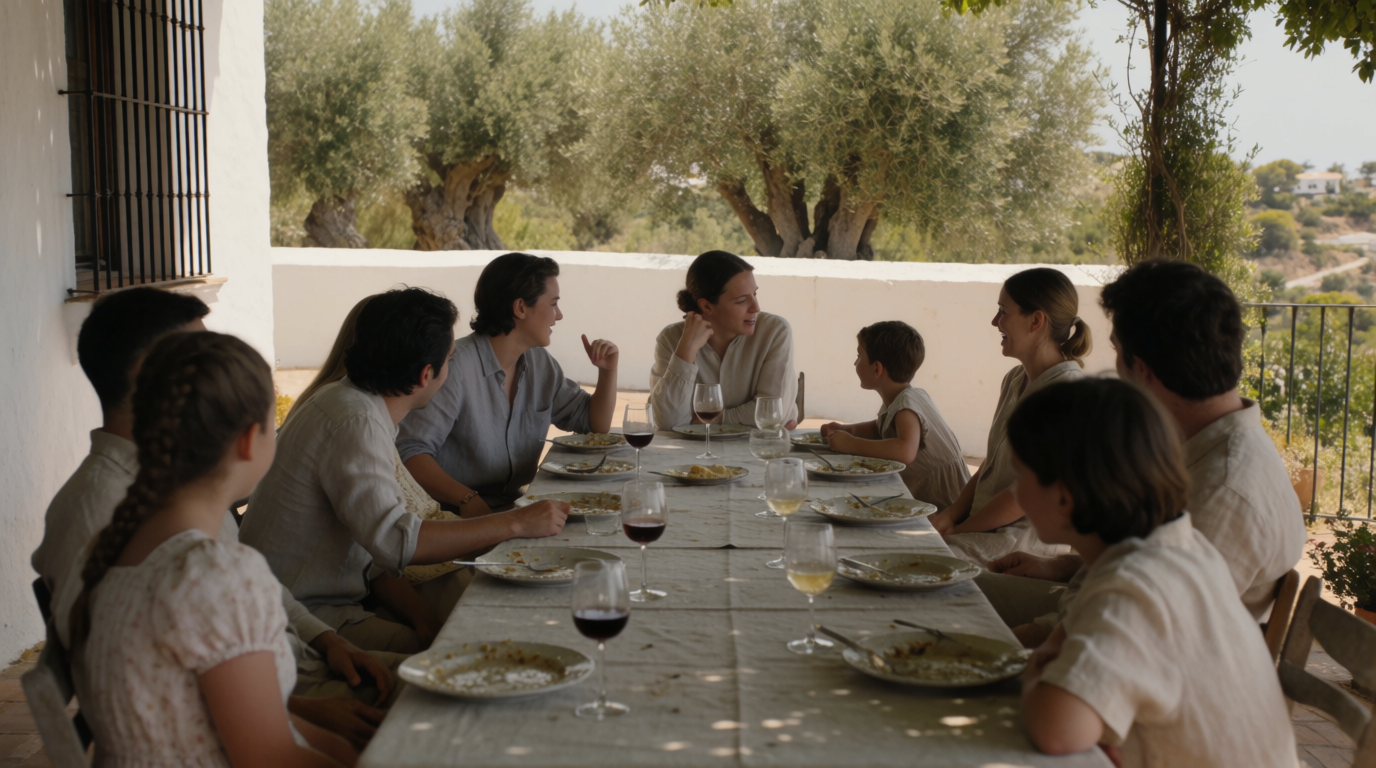
There is a particular moment, usually somewhere around the second coffee, when a lunch on this coast stops being a meal and becomes something else. The plates are gone. Nobody has asked for the bill. The conversation has drifted from the food to someone's cousin in Málaga, then to nothing in particular, and still nobody moves.
The first few times this happens to a newcomer, it can feel like waiting for a scene to end. You finish eating, you assume the afternoon resumes, and instead the table simply continues, quietly, for another hour. It takes a while to understand that this pause is not a delay. It is the point.
Spanish has a word for it, sobremesa, which has no clean English translation and does not need one. It means the time spent at the table after the meal is finished, talking, digesting, doing nothing that could be written down as an achievement. On the Costa del Sol and the Costa Blanca, where lunch still tends to happen properly rather than at a desk, sobremesa is less a habit than a small local institution.
Why the table does not empty
Part of the answer is climate. In the thick heat of a Málaga or Alicante August afternoon, moving quickly is neither pleasant nor sensible. Sitting still in the shade with a glass of something cold is, if anything, the more logical choice. The body learns this within a summer or two, whatever the calendar back home used to demand.
Part of it is structure. Restaurants in Spanish towns rarely turn tables the way they do in London or Amsterdam. A menu del día lunch booked for two o'clock is not expected to be relinquished by half past three. Waiters will bring the bill when asked, not before, and asking too early can read as slightly odd, as though you had somewhere more important to be than where you already are.
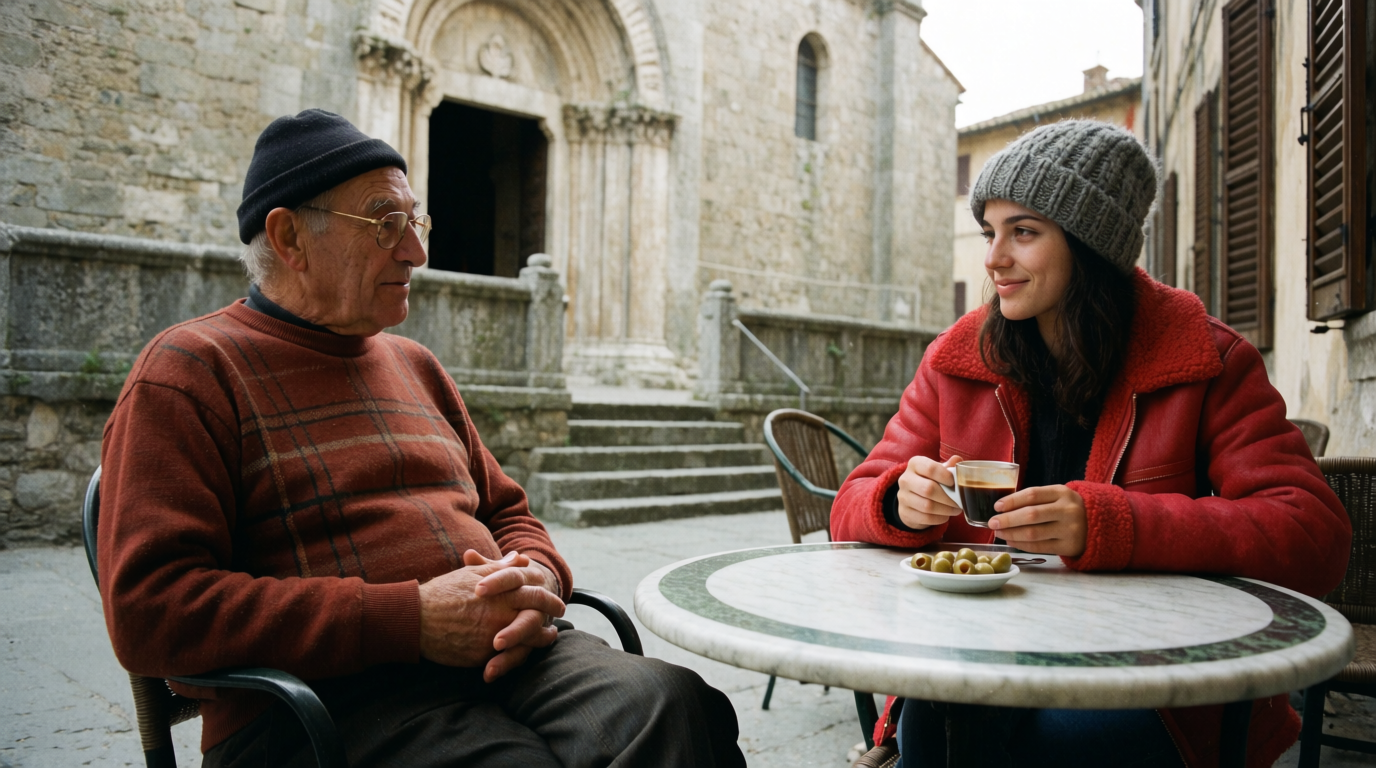
And part of it is simply what the meal is for. Sunday lunch with extended family in a village like Frigiliana or in the hills above Jávea is not primarily about the food, though the food matters. It is about the three, sometimes four hours during which nobody is doing anything else. Children run off and come back. Someone falls half asleep in a chair. The afternoon organises itself around the table rather than around a schedule.
Learning to stay
For those of us who arrive from busier calendars, sobremesa asks something unfamiliar of us: patience without a task attached to it. Many new owners on the coast describe the same small discovery, that the hardest habit to unlearn is not the language or the paperwork, but the instinct to get up.
We often hear this from people in their first year of owning a place here. They notice that Spanish friends and neighbours seem entirely comfortable with silence at the table, or with a conversation that goes nowhere in particular. It is not a lack of things to say. It is a different relationship with time, one where being present at the table is itself the activity, not a gap between activities.
Nobody on this coast is impressed by how quickly you can finish lunch.
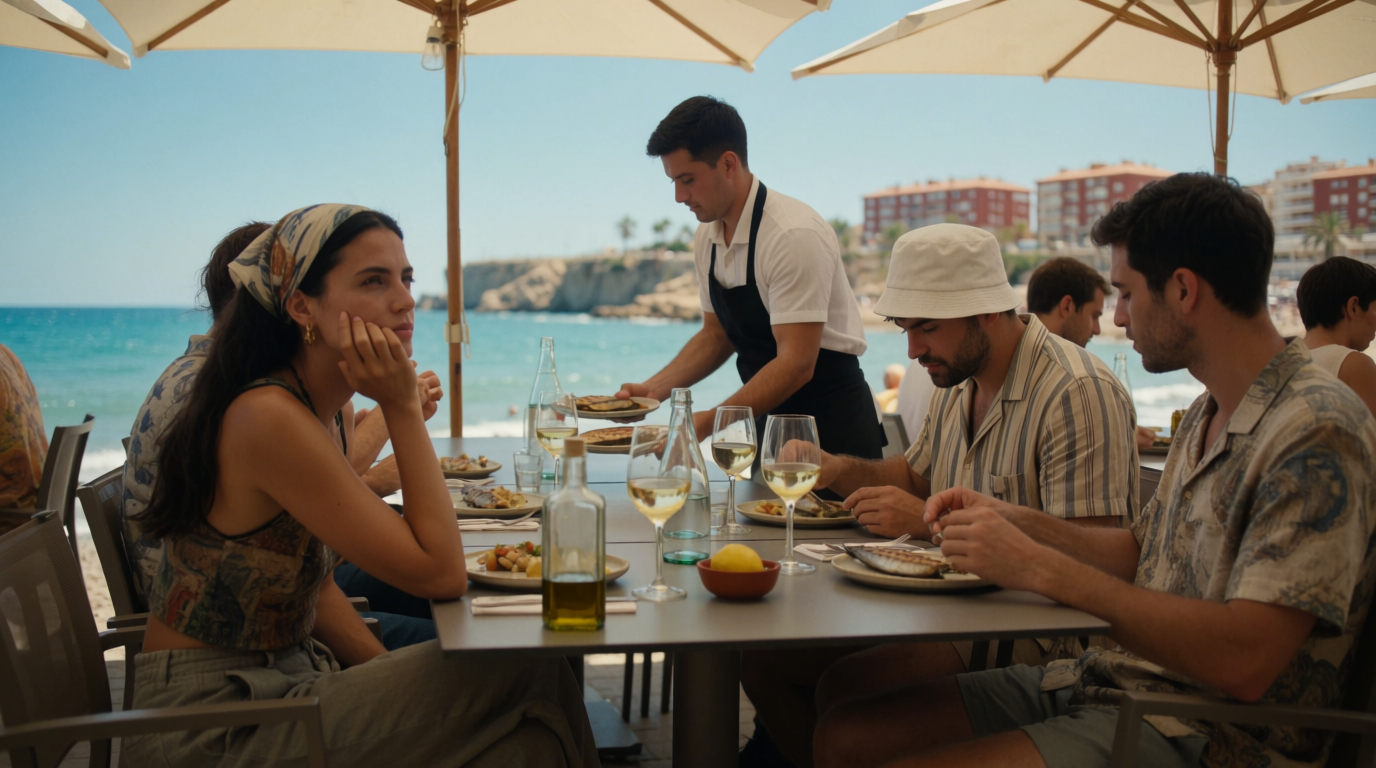
This is not a skill you master by reading about it. It comes slowly, usually somewhere around the second or third summer, when you catch yourself lingering over a coffee at a bar in Vélez-Málaga's old town simply because the square is pleasant and there is nowhere better to be.
What it changes about daily life
Once sobremesa settles into your week, other things shift with it. Afternoon plans get looser. A two o'clock lunch reservation is understood to swallow most of the afternoon, so nothing serious gets scheduled after it. Coffee stops being fuel and starts being a reason to sit somewhere with a view of the street.
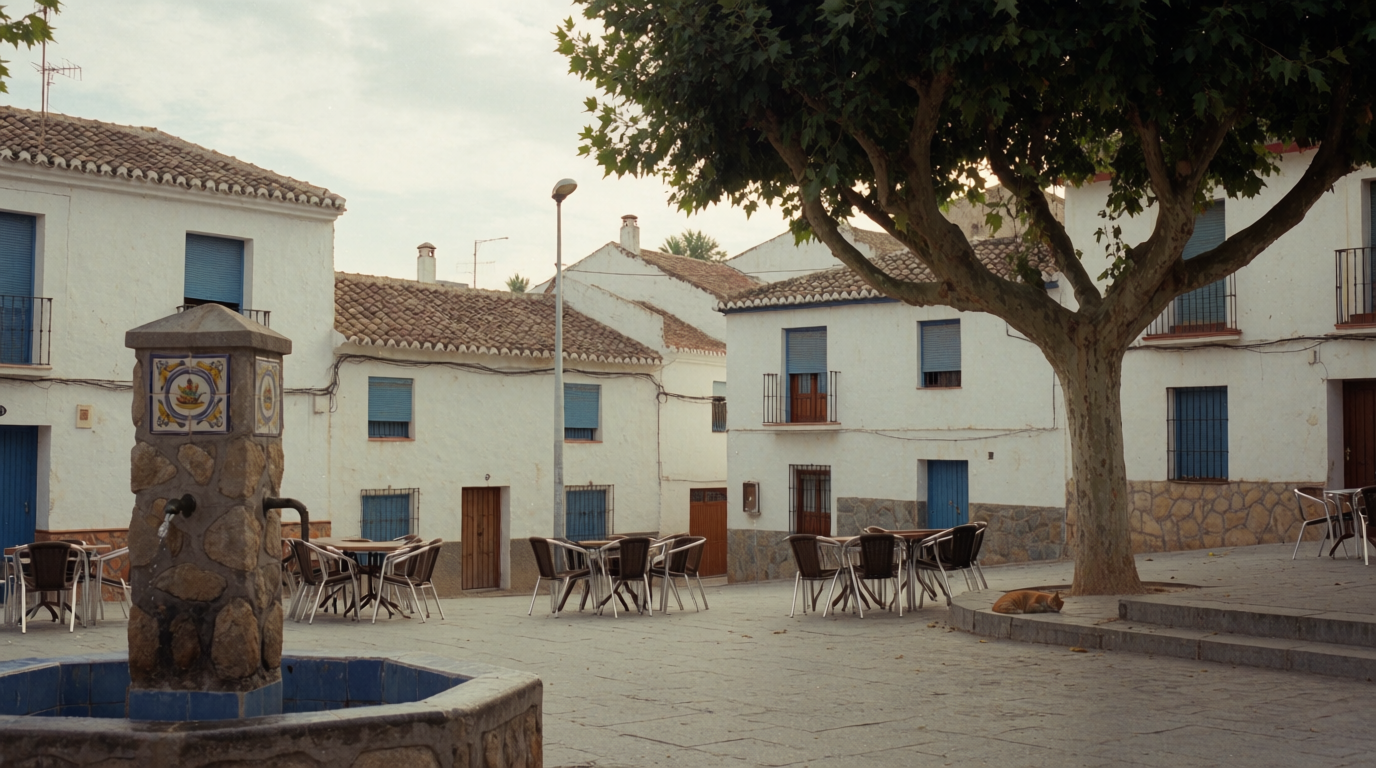
It also changes how you read a town. A village square with café tables still half full at four in the afternoon is not a sign that the town is slow or sleepy. It is a sign that people here have decided, correctly in our view, that a good lunch deserves a proper ending rather than an abrupt one.
Restaurants and chiringuitos along the Costa del Sol and Costa Blanca are generally built for this rhythm, with tables spaced to allow lingering and staff who will happily let a table sit long after the plates are cleared. It is worth knowing this before you arrive somewhere expecting fast service. The slowness is not inattentiveness. It is the house style of the whole coast.
A short list of what to expect
- Lunch bookings that assume you will still be there two hours later
- Waiters in no hurry to bring the bill unless asked
- Village squares busiest not at lunchtime but in the hour after
None of this needs to be learned quickly, and nobody will judge you for reaching for your phone or your watch in the first months. It fades on its own, usually somewhere between the first long August and the first winter, when you notice you have stopped checking either.
If you are weighing up where on this coast might suit the pace you are hoping to find, whether a livelier town built for terraces and long lunches or a quieter inland village where the square empties out by six, we are always glad to talk it through, and to introduce you, when the time comes, to the local people who know these towns best.