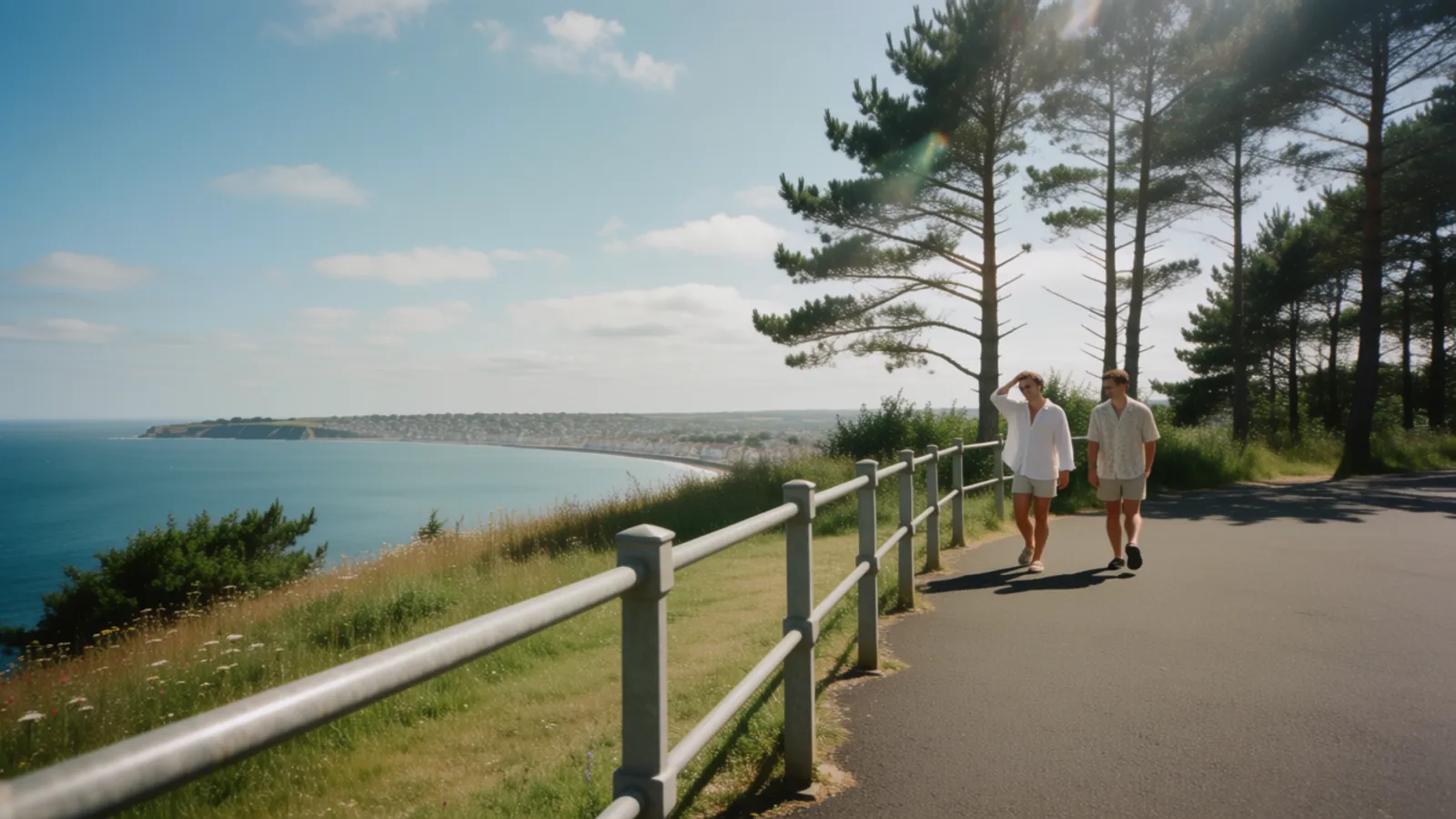

Where a little negotiating room has returned to the coast

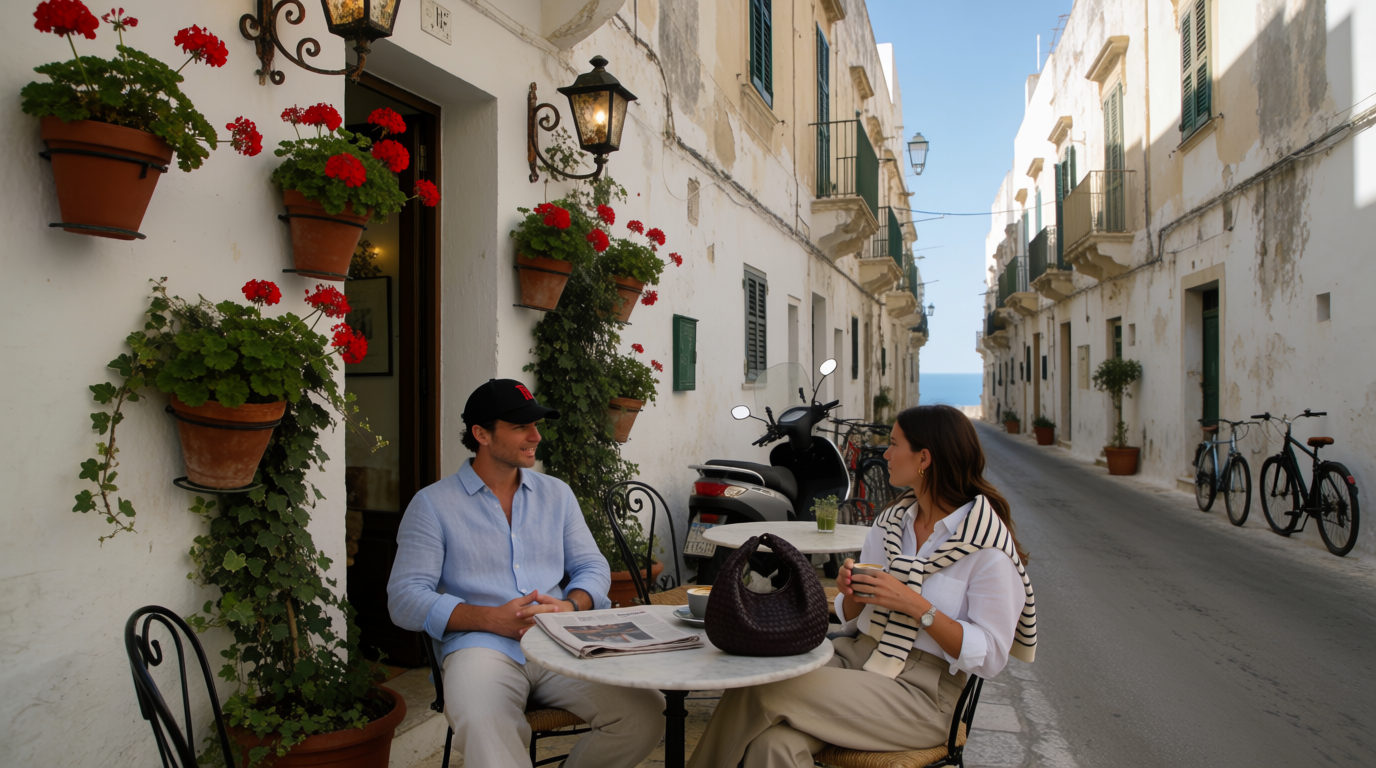
We keep an eye on the market not because we sell property, but because our readers eventually do buy something, and they deserve a clear-eyed view before they start. This July, the headline story on both coasts is less about how fast prices are rising and more about how the deal itself gets made: who can borrow what, who is buying, and where a little room to talk price has quietly reappeared.
None of this is dramatic. It is the kind of shift you only notice if you are watching closely, which is exactly our job. A market can look identical on the surface, the same towns, the same view of the sea from a terrace, while the mechanics underneath it move quite a bit.
The price picture, without the noise
Asking prices on the Costa del Sol and Costa Blanca have kept climbing this year, but the pace has eased from the sharper rises of the last few summers. Valuers such as Tinsa publish regional figures each quarter, and their coastal indices have consistently shown these two markets among the more resilient in Spain, without suggesting the kind of runaway growth that would worry a careful buyer.
New-build supply remains tight in the most sought-after pockets, Marbella's golden mile, Estepona's seafront, Jávea's old town, simply because there is little land left to build on and licensing takes time. That scarcity supports prices at the top end. Further back from the coast, and in towns still finding their feet with international buyers, there is more give. Torrevieja and the towns around it, or the stretch of the Costa del Sol between Fuengirola and Mijas, have a wider spread of asking prices than the front line does, and that spread is where a patient buyer usually finds the better conversation.
Financing has quietly reshaped who is buying

Spanish banks have always lent non-residents a smaller share of a property's value than they lend residents, typically somewhere between 60 and 70 percent, and that has not changed. What has shifted is the cost of that borrowing. Mortgage rates have eased since the peaks of 2023, tracking the wider fall in euribor, which has made stretching to a slightly larger budget more realistic for buyers who need finance.
That said, cash still dominates large parts of both coasts, particularly among buyers from Northern Europe who are selling a home outright to fund the move. Where a mortgage is involved, Spanish banks now move a little faster on non-resident applications than they did two or three years ago, though the paperwork, an NIE number, Spanish tax returns or their equivalent, proof of income, is unchanged.
Life after the golden visa
Spain's investor visa scheme, which once let non-EU buyers secure residency through a property purchase, ended in April 2025. Its absence has not emptied the market of non-EU interest, but it has removed one specific reason for a certain kind of purchase, and we have noticed fewer buyers arriving with residency as the primary goal.
In its place, the buyer mix has simply broadened. British buyers remain a strong presence on both coasts, alongside long-standing Belgian, Dutch and German demand, and we are meeting more Polish, Scandinavian and North American buyers than we were a few years ago. No single nationality dominates the conversation the way it once did, and estate agents we talk to on both coasts describe a more varied waiting list than they had five years ago, which tends to make the market steadier rather than more volatile.
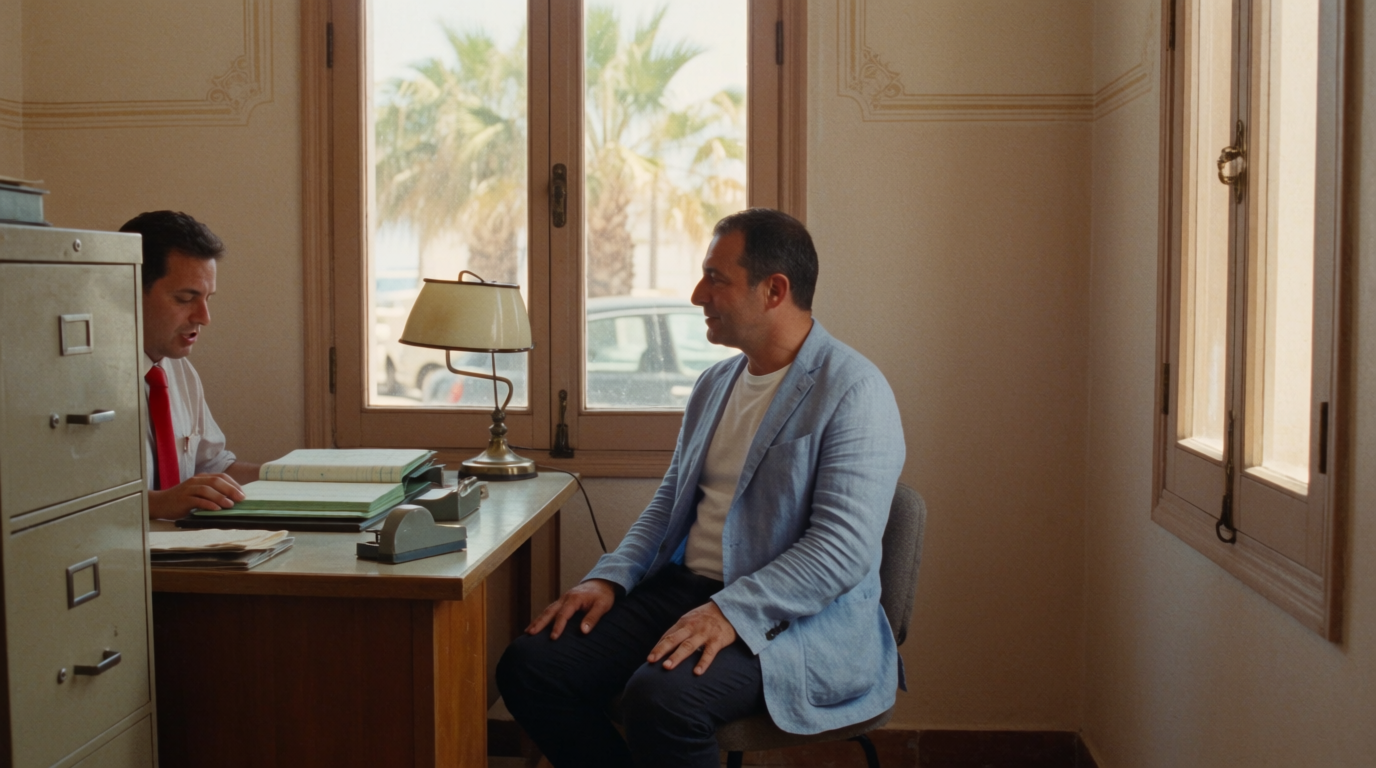
Where a little room to negotiate has opened
The clearest change we hear from the local experts we work with is about time. Properties that would have sold within weeks two summers ago now sometimes sit for a month or two longer, especially above 500,000 euros and away from the very best streets. That extra time on the market is where negotiating room lives.
The asking price has become more of a starting point than a promise, and buyers who are patient are finding that out.
We are not talking about steep discounts, and a well-priced home in a genuinely good location still moves quickly. But the days of offering full asking price sight unseen, common in 2022 and 2023, are largely behind us on most of the coast.
What this means if you are starting a search now
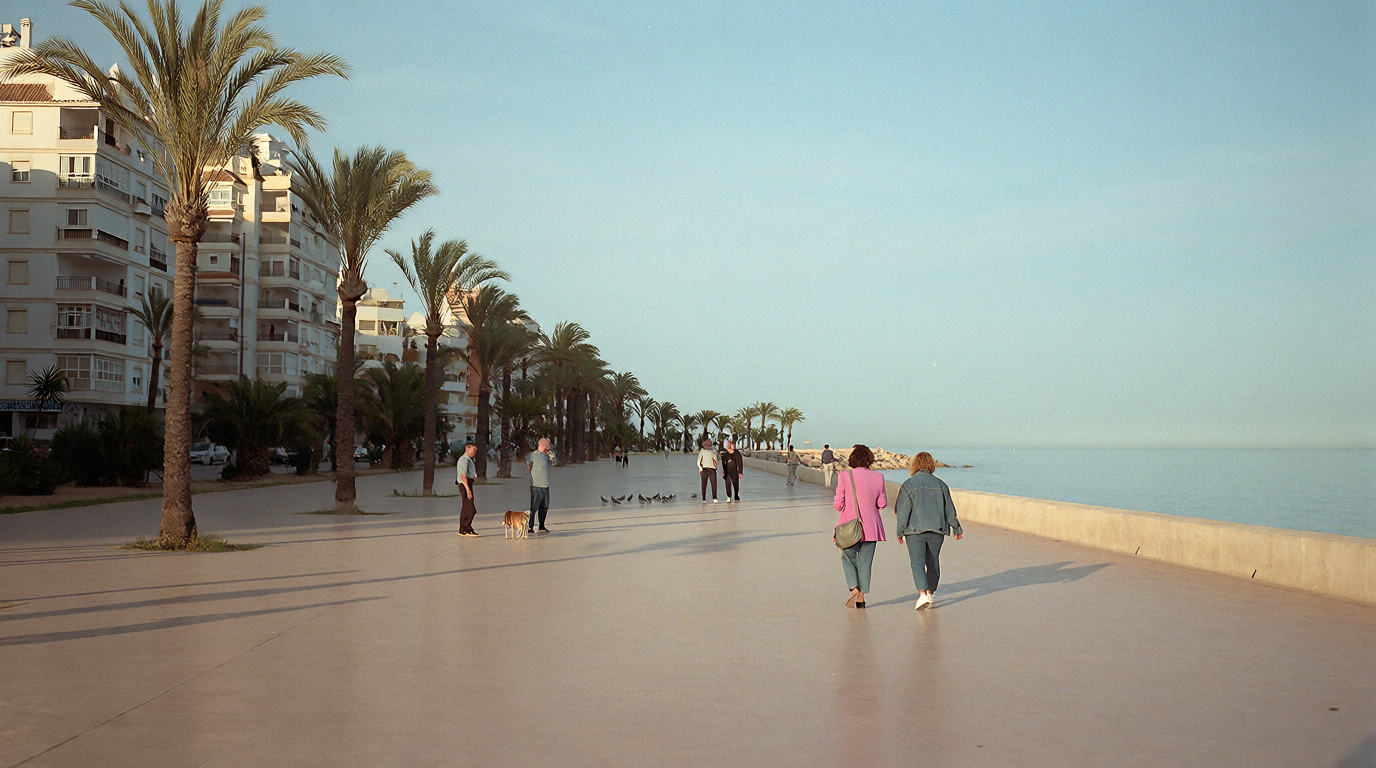
If you are thinking about a coastal home, this is a market that rewards patience more than speed. A few things worth carrying into your first conversations:
- Get your financing position clear early, whether that is a mortgage in principle or confirmation of funds, so you can move calmly rather than in a rush when the right home appears.
- Ask how long a property has actually been listed, not just what the current asking price is; that single question tells you a great deal about how much room there might be.
- Treat the golden visa's absence as one less reason to buy, not a reason to avoid it altogether; most people who buy on this coast do so to live in it, not to secure a document.
None of this changes the fundamentals that draw people here: the light, the walkable towns, the sense that a Tuesday afternoon can still be unhurried. It simply means the numbers are worth understanding before you fall for a particular street.
If you would like to talk through what any of this means for your own search, on either coast, we are always glad to help, and to introduce you to the local experts we trust when the time is right.