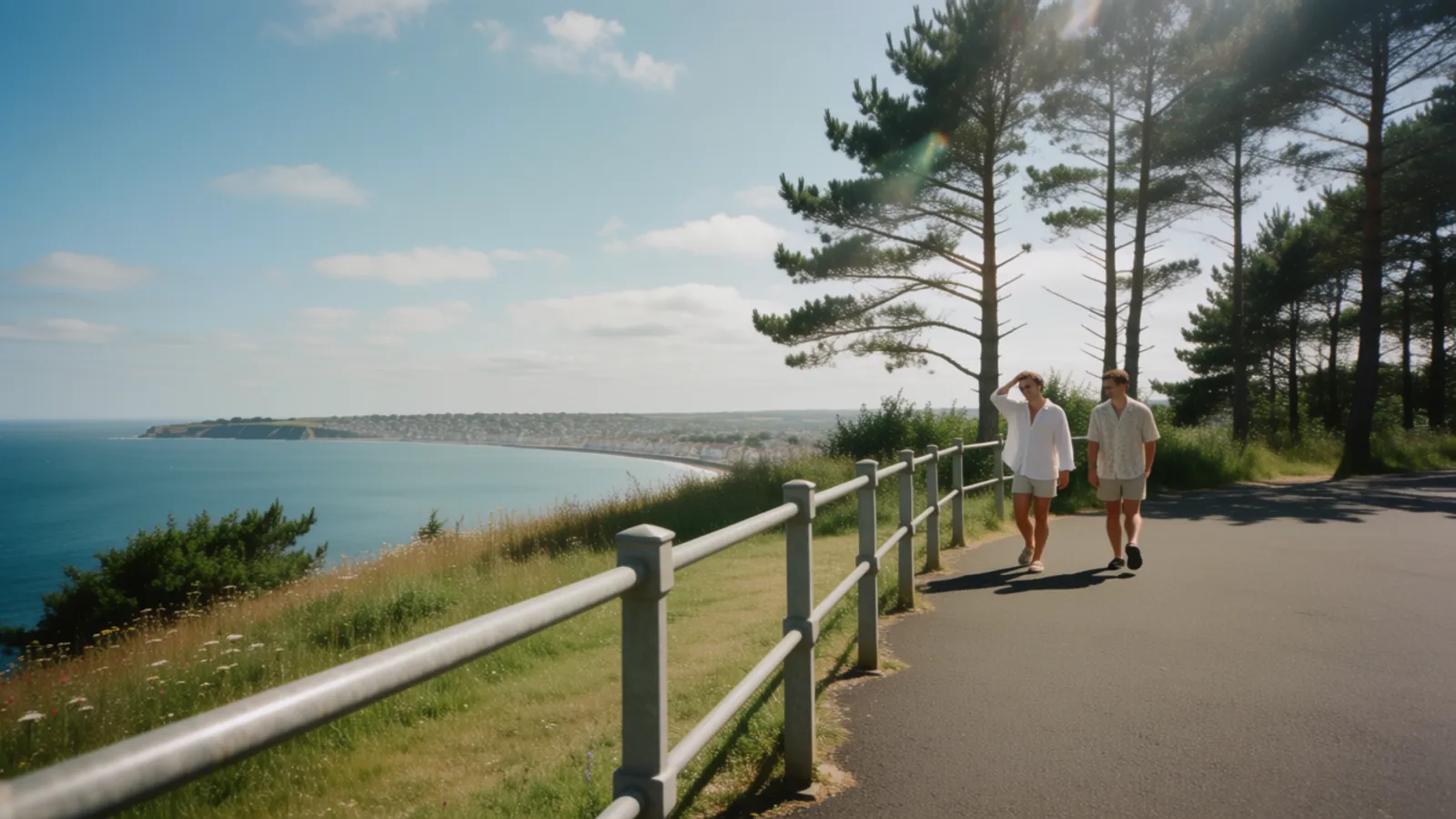

Nerja: where the Sierra Almijara meets the Mediterranean

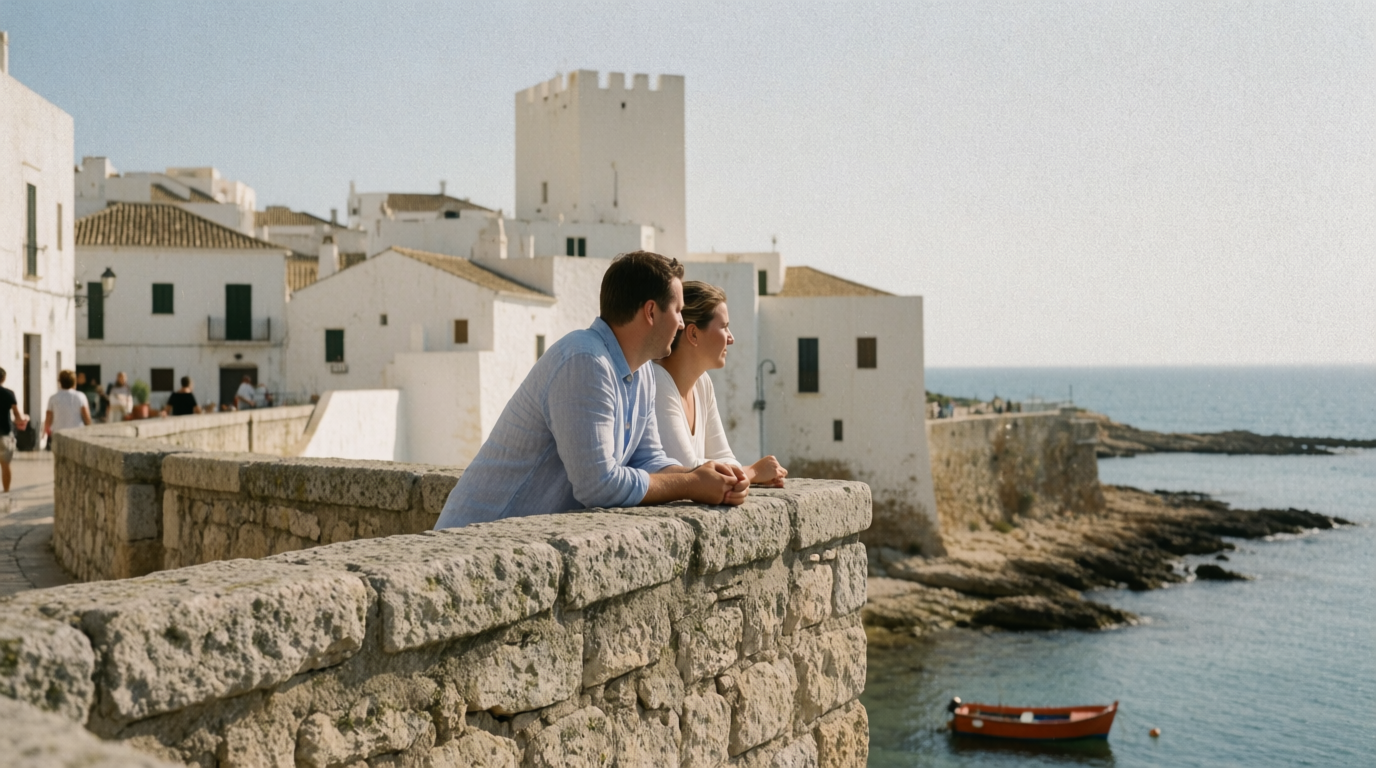
Nerja sits where the Sierra Almijara drops almost straight into the Mediterranean, which is the first thing anyone notices and the last thing they stop noticing. The old town perches on a low cliff, the mountains rise green and grey behind it, and the sea does most of the talking in between. It is a small town with a big view, and that combination shapes almost everything about living there.
It has never quite followed the rest of the coast's script. There is no marina full of yachts, no strip of high-rise hotels, and, notably, no train station. The Cercanías line stops well to the west, so Nerja has always run on roads and buses rather than rails, which has kept it a little apart, a little slower, and, depending on who you ask, a little more itself.
For buyers weighing it up, the question is rarely whether Nerja is attractive. It plainly is. The real question is what a year there actually feels like, and whether that particular rhythm suits the life you want to build.
The seasons, honestly
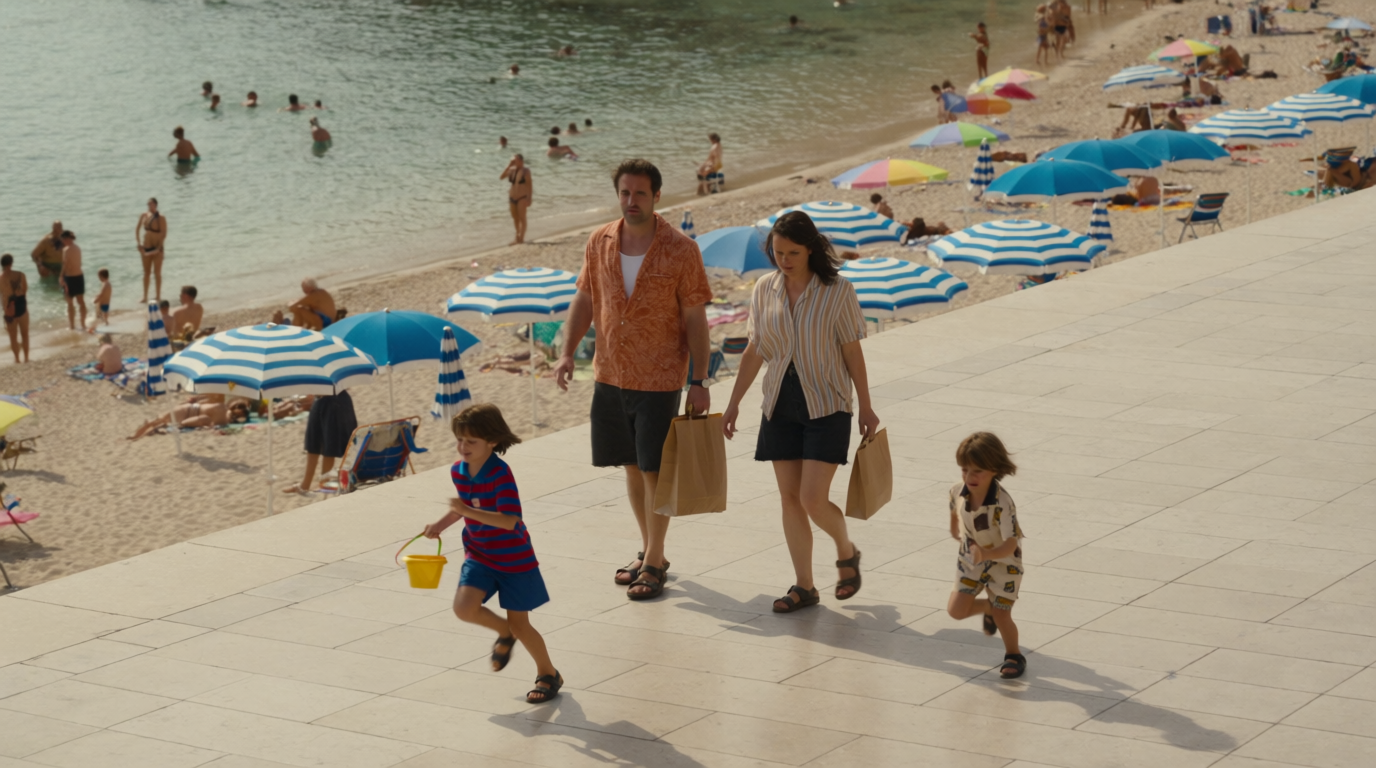
Summer here is full and warm-blooded. The Balcón de Europa fills with visitors at dusk, Burriana beach runs a long line of chiringuitos serving espeto (sardines grilled over open coals on the sand), and parking in the old town becomes a genuine sport. If you want a lively, sociable summer with the sea a five-minute walk away, this is exactly that.
Autumn is when residents will tell you the town returns to them. October and November bring soft light, empty beaches, and a paseo marítimo used mostly by locals walking dogs and drinking coffee outdoors at eleven in the morning. Winter is mild rather than cold, the mountains sometimes carry a dusting of snow you can see from the seafront, and many restaurants quietly reduce their hours. Spring brings the walkers back, drawn by the trails into the Sierra Almijara and the paths out towards the Nerja Caves and Maro.

The neighbourhoods, in plain terms
The old town, around the Balcón de Europa and Calle Carabeo, is where the postcard lives: narrow streets, small squares, balconies dripping with geraniums, and everything walkable. It suits people who want to step outside into life rather than drive to it, though summer footfall and limited parking are part of the deal.
Capistrano Village, just west of the centre, is a different proposition altogether: low-rise, garden-heavy, built around communal pools and quiet lanes, and popular with those who want a short drive rather than a doorstep to the centre. Further along, the streets around Playa Torrecilla and Playa La Torrecilla offer a flatter, more residential feel with the beach close but the crowds thinner than the Balcón itself.
Toward Maro, a few kilometres east, the pace drops again. This is where Nerja's cliffs turn dramatic, the calas are smaller and clearer, and the village keeps its own slow character, closer to countryside than resort. Inland and up, the hill village of Frigiliana (a fifteen minute drive) is often mentioned in the same breath as Nerja, though it is genuinely its own place: whiter, steeper, and quieter still.
Daily life: the market, the caves, the coast
The weekly mercado in Nerja brings the town together on a set morning, stalls of local cheese, olives, and produce from the Axarquía valleys behind the town. The Nerja Caves, a short drive above Maro, are a genuine landmark rather than a tourist afterthought, a vast cave system that hosts summer concerts and pulls in visitors from across the province.
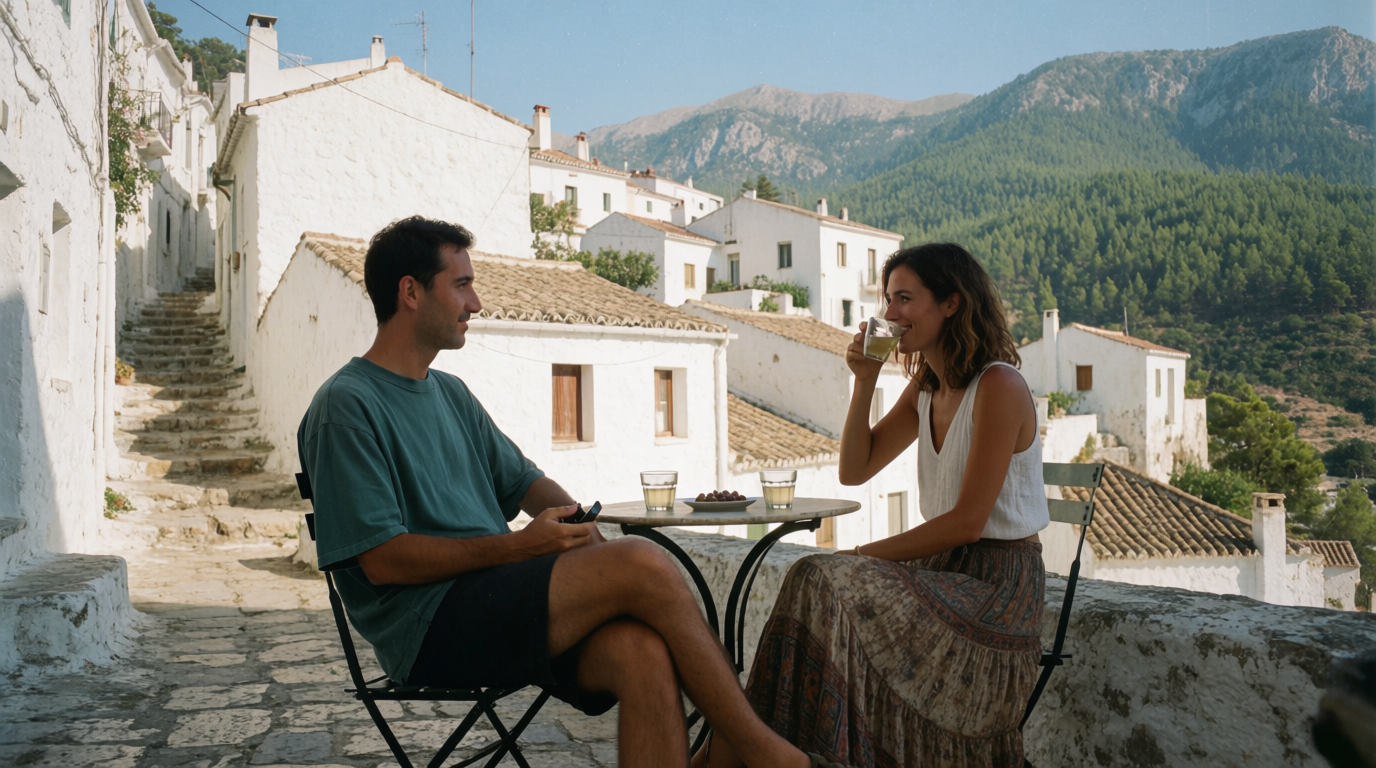
Most days, though, are smaller than that. A coffee on Calle Pintada, a walk along the paseo marítimo after the shutters come down in the afternoon, an evening drink with a view of the Peñón del Fraile out to sea. Nerja rewards people who like their pleasures repeated rather than novel.
Nerja does not perform for visitors so much as simply carry on, and the visitors are welcome to fall into step.
Who tends to be happiest here
Walkers do particularly well, with the Sierra Almijara and the coastal path towards Maro both close at hand. Families settle comfortably too, helped by the calmer coves and the sense of a compact, walkable centre. Remote workers who do not need daily office access find it easy to build a life here, though the drive to Málaga airport (around fifty minutes to an hour depending on traffic on the A-7 and AP-7) matters more than it would somewhere with a train link.
Retirees and long-season owners tend to be the most content, precisely because they experience the quiet months that make the busy ones bearable. Those who want a nightlife scene, a short commute into Málaga city, or golf on the doorstep are usually better served further along the coast, since Nerja has no course of its own and the nearest are a proper drive inland or west.
What Nerja is not
It is not a city satellite, and it is not built for anyone who needs to be somewhere else five days a week. It is not the coast's most social scene for younger professionals, and its summer congestion, in the old town especially, is a real cost rather than a footnote. If any of that describes what you are after, Torrox or Almuñécar nearby, or busier towns further west along the Costa del Sol, may fit better.
What Nerja offers instead is a settled, mountain-backed version of coastal life, unhurried in the way places become when they have never tried too hard to impress anyone. For the right person, that is the whole appeal.
If Nerja sounds like it might be your kind of quiet, we are glad to talk it through, share what we have seen change and stay the same there, and, when the time is right, introduce you to the local people who know it best.