

Every town has its day: learning the coast's weekly market circuit

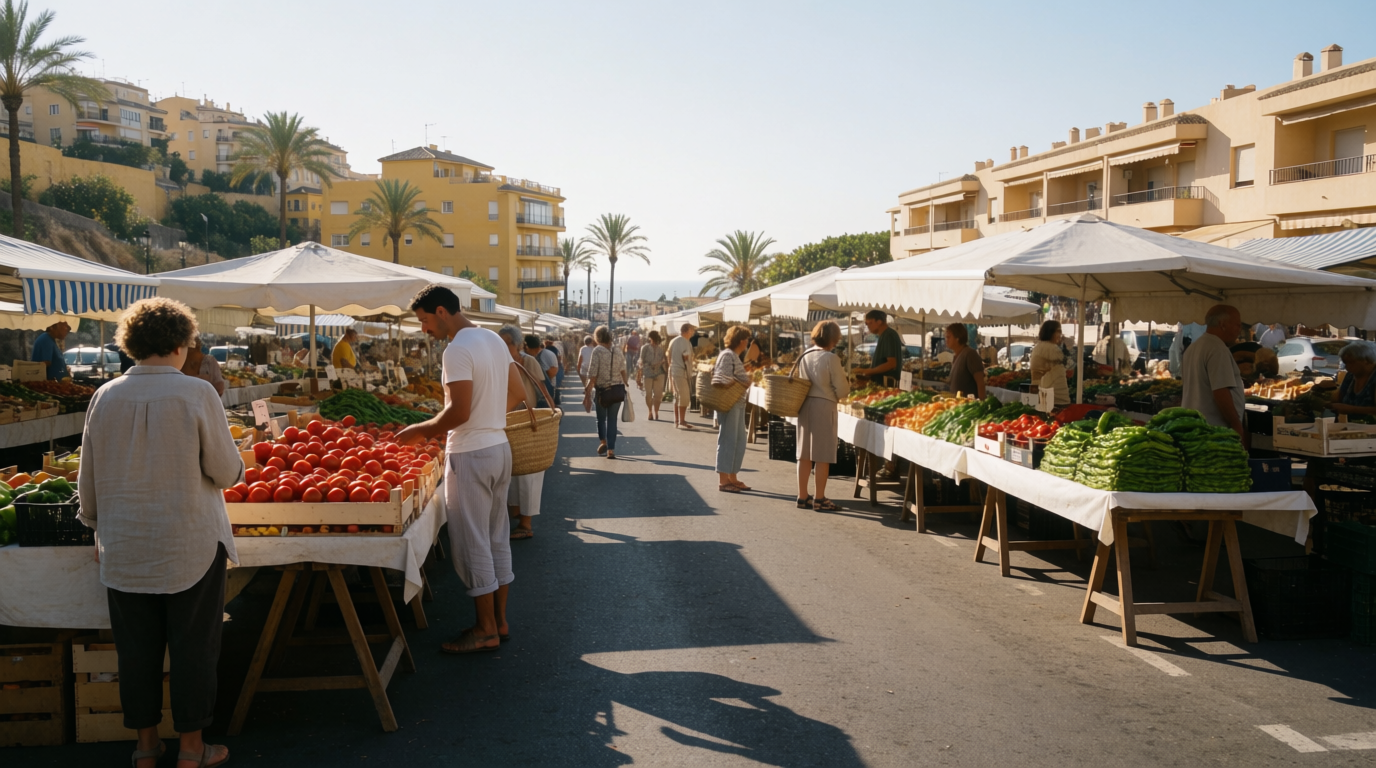
Ask someone who has lived on this coast for a few years what day it is, and there is a decent chance they will answer with a town rather than a number. Tuesday is Fuengirola. Wednesday is Estepona, or Vélez if you are further along. Friday belongs to a dozen different towns at once, each with its own square, its own vendors, its own particular smell of ripe melon and frying churros drifting over the tables.
This is the mercadillo circuit, and it runs quietly underneath the more obvious rhythms of coastal life. It has nothing to do with the covered mercados that sit permanently in a town centre, open every weekday behind stone arches. The mercadillo is the travelling market, the one that arrives on trestle tables and disappears again by early afternoon, and it rotates from town to town in a pattern that has been settled for decades.
For a visitor, it looks like a pleasant curiosity. For someone who actually lives here, it becomes a kind of calendar.
A market that moves through the week
What strikes most newcomers first is simply how much there is. A mercadillo can run to several hundred stalls in the bigger towns, spreading down a main avenue or across a fairground site on the edge of town, closer to a small fair than a farmers' market as the word suggests in English.
Produce sits alongside clothing, tools, phone cases, leather belts, dog leads and the occasional stall selling nothing but honey in a dozen varieties. It is not curated in the way a food hall might be. It is simply comprehensive, the way a market has always been comprehensive when it is the main shopping day of the week rather than an occasional treat.
Once you know the pattern, planning a week becomes a small pleasure rather than an errand. You might do a proper vegetable shop on the day your own town's market runs, then drive twenty minutes for a different one later in the week purely because the fish stall there is better, or because a particular vendor sells the kind of chorizo you cannot find anywhere else.
What actually fills the trestle tables
The produce stalls are the ones worth arriving early for. Tomatoes still warm from the greenhouse, courgettes the length of a forearm, whatever citrus is in season stacked in crates that smell faintly of the orchard. Prices are rarely marked in a way that invites haggling, but a kilo bought at the market is reliably cheaper than the same kilo at a supermarket, and noticeably fresher.
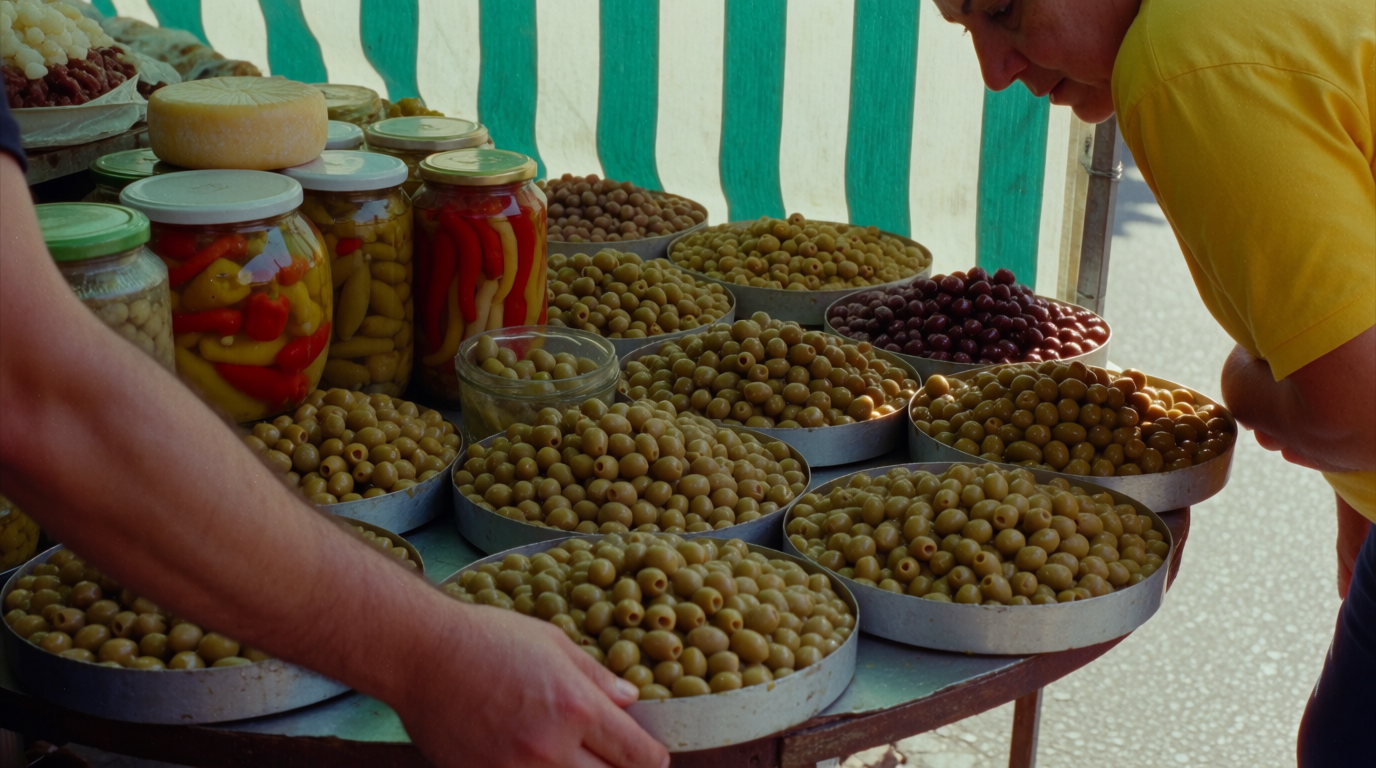
Then there is everything else. A stall of olives in a dozen cures, another selling nothing but dried fruit and nuts by the scoop, a van at the edge of the ground doing a brisk trade in rotisserie chicken that most locals seem to have timed their lunch around. Clothing stalls do a steady business in the kind of linen shirts and cotton dresses that make sense at thirty degrees, sold by weight of fabric rather than label.
A market like this does not try to sell you an experience. It is simply the week's shopping, done outdoors, and the fact that it feels like an occasion is almost incidental.
Reading a market like a local
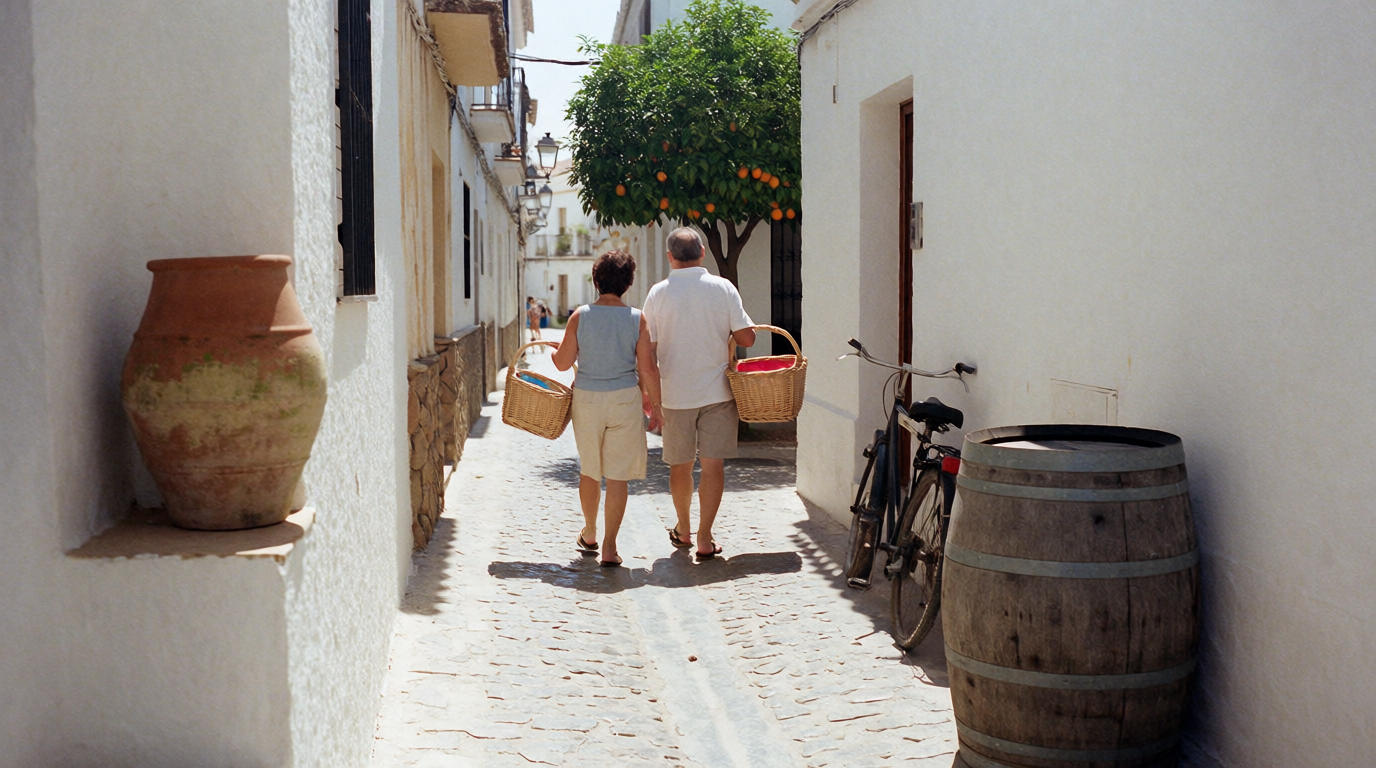
There is an etiquette to it that takes a season or two to absorb. You do not touch the fruit before it is weighed, though the vendor will usually hand you a piece to try if you hesitate near it. You queue at the stall rather than around it, which sounds obvious until you have stood in the wrong place for ten minutes wondering why nobody is serving you.
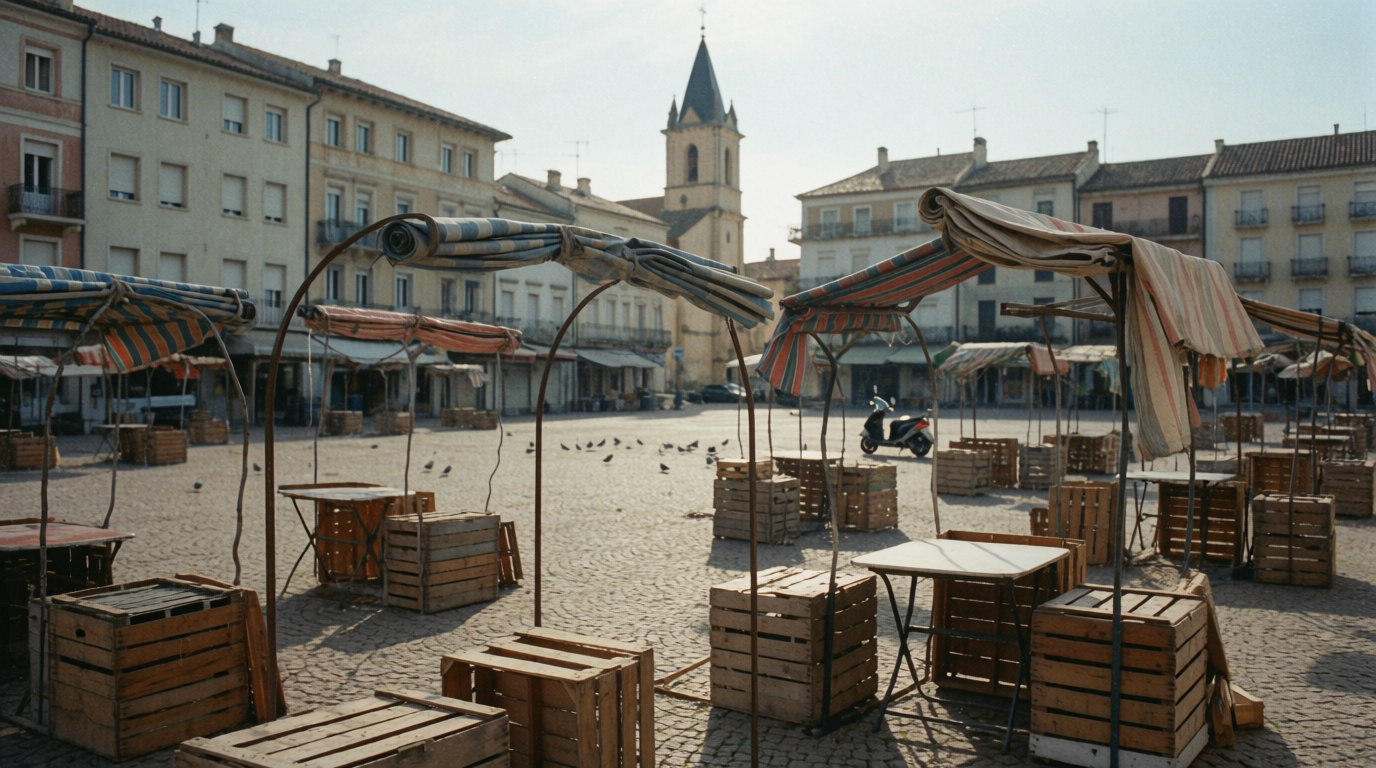
Cash still rules most stalls, particularly the smaller ones, so a pocketful of coins and small notes saves an awkward moment more often than you would expect. Arriving early, before ten, means better produce and thinner crowds. Arriving at the very end, as vendors start folding tables around one o'clock, sometimes means a lower price on whatever is left, though nobody will ever call it a discount to your face.
Regulars tend to settle on two or three stallholders over time, the fishmonger who always saves the good prawns, the cheese stall that remembers what you bought last week. It is a small thing, being recognised at a market stall in a language that was not yours a year or two ago, but it tends to matter more than people expect it to.
When the circuit becomes a habit
Somewhere in the first year of owning a home here, the market stops being an outing and becomes simply how the week is shaped. You start knowing, without checking, that Wednesday means a particular town and a particular parking headache, and that it is worth it anyway.
It is one of the quieter ways that a place stops being somewhere you visit and starts being somewhere you live. Nobody tells you the schedule when you arrive. You learn it the way you learn most things here, by turning up often enough that the pattern becomes obvious, and then wondering how you ever managed without it.
If you are still weighing up which stretch of coast might suit the way you actually want to live, from market mornings to the towns worth basing yourself near, we are always glad to talk it through. We know both coasts well, and we are happy to share what we have learned, with no obligation attached.