Jávea: three towns in one, and how to choose yours

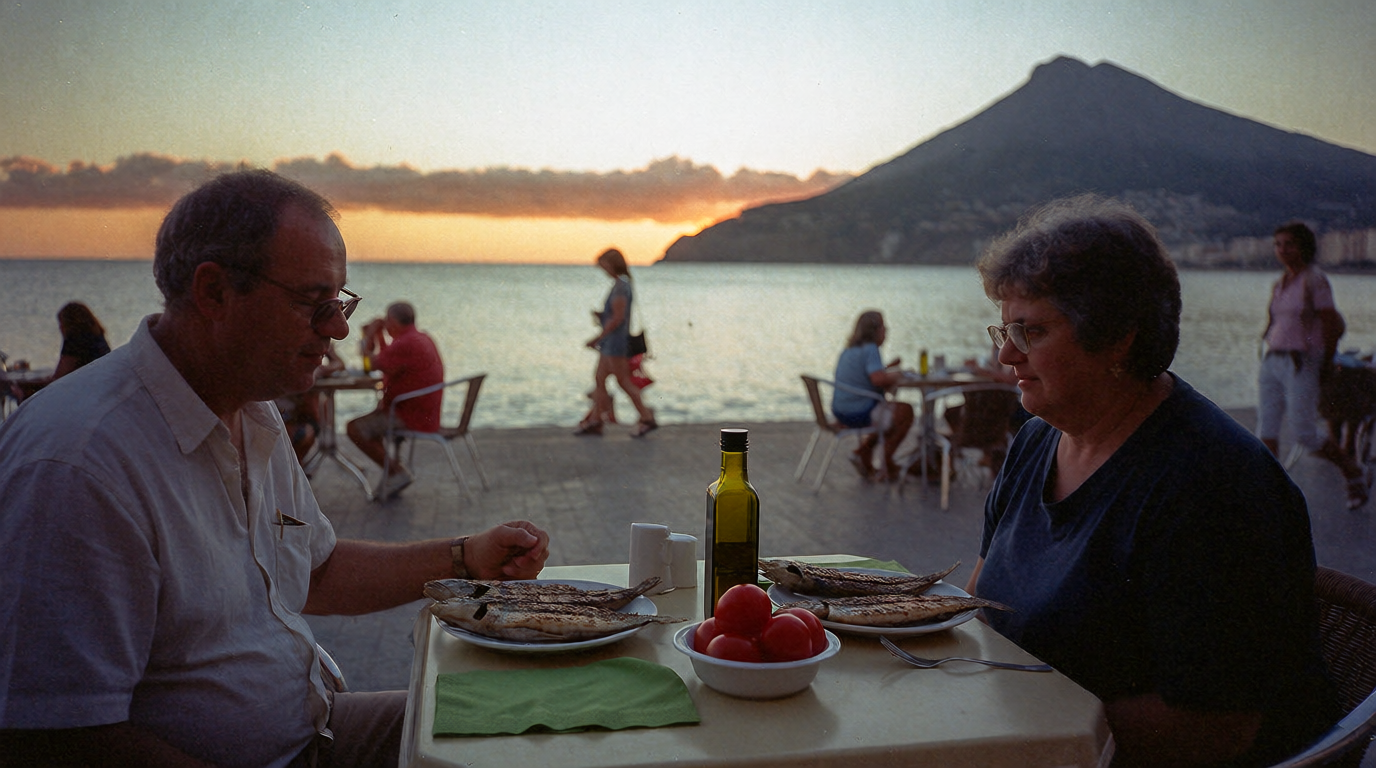
Jávea does not announce itself the way some Costa Blanca towns do. There is no single seafront strip to sum it up, no one photograph that captures the place. That is because Jávea is not one town wearing different hats. It is three distinct settlements, a beach quarter, a working port, and an old inland town, that happen to share a name and a council, and choosing between them is really the first decision anyone weighs before buying here.
The mountain helps explain the shape of things. Montgó rises steeply just inland, a nature reserve that keeps development pressed toward the coast on one side and leaves quiet, wooded slopes on the other. Its presence is constant, visible from nearly every part of town, and it does more to define daily life in Jávea than any single street does.
What you notice first, whichever part you land in, is how unhurried the pace still feels compared with the busier resorts further north on this coast. There is tourism here, plenty of it in August, but it has never fully rearranged the town around itself.
The three faces of Jávea
El Arenal is the beach town most visitors picture: a broad sandy bay, a palm-lined promenade, restaurants and ice cream terraces that fill through summer and go pleasantly slack the rest of the year. It suits people who want to walk out of the door onto sand, who like a lively July and a calm November, and who do not mind that many neighbours around them are summer owners rather than year-round residents.
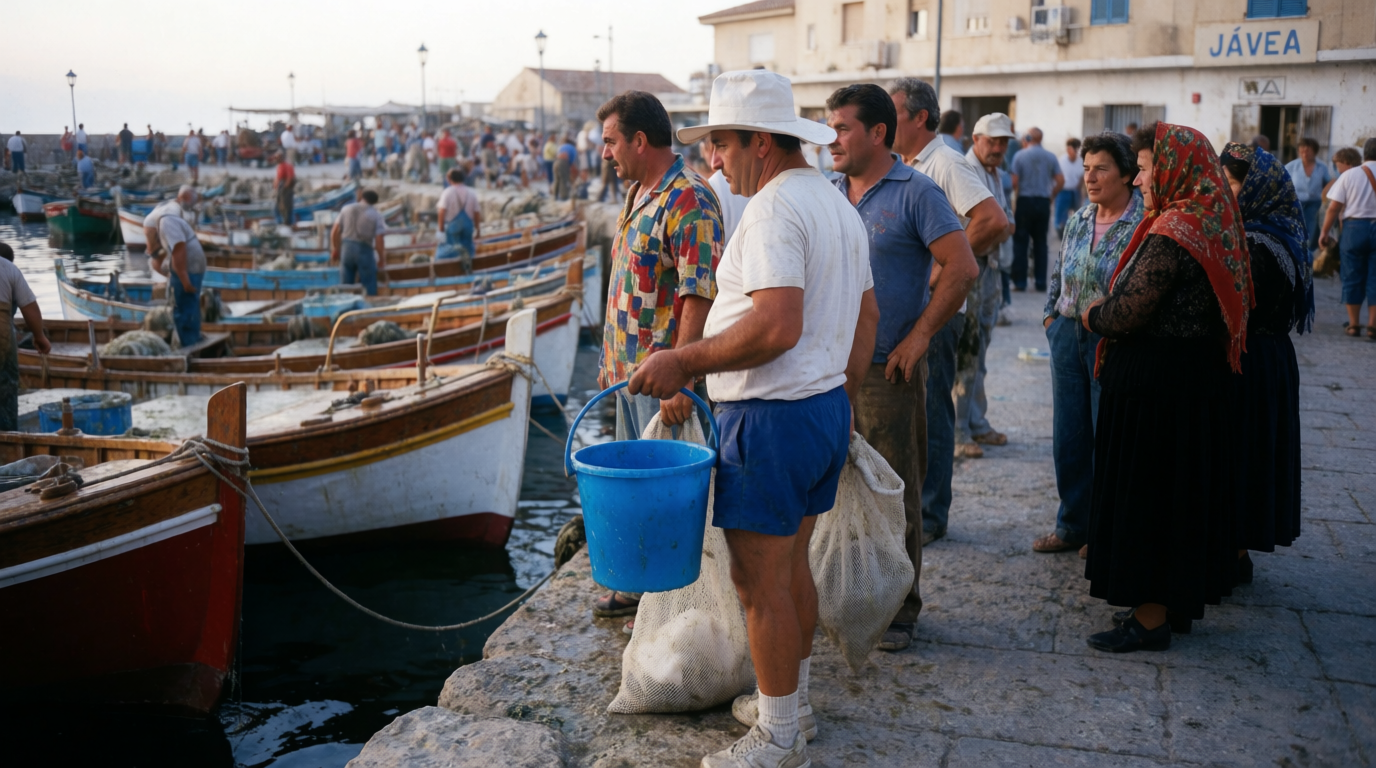
The port, El Puerto, is a different register entirely. It is still a working harbour, with fishing boats coming in most mornings and a fish auction that has run for generations, alongside a marina for pleasure craft. The restaurants here lean toward what actually comes off the boats rather than tourist menus, and the streets around the harbour keep a settled, local feel through the whole year.
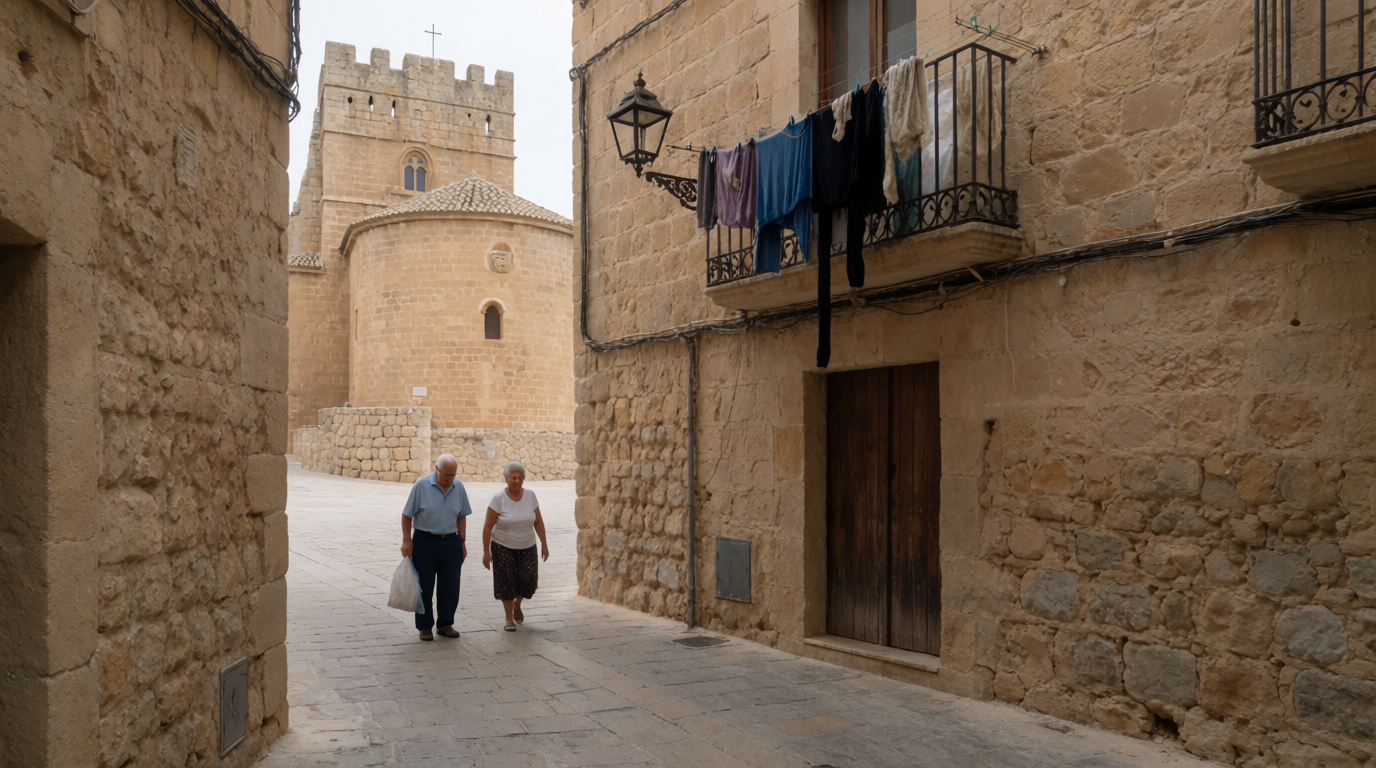
Then there is the old town, the Casco Antiguo, set back from the sea on slightly higher ground. Its fortified church, Sant Bertomeu, built from the local golden sandstone with narrow defensive slits rather than grand windows, tells you something about Jávea's older history of coastal raids and caution. The old town moves at its own pace, with a proper Spanish rhythm of shuttered afternoons and a market that still gathers here every Thursday, stalls running through the streets around the church selling produce, cheese, plants, and clothing to a mix of residents who have shopped there for decades.
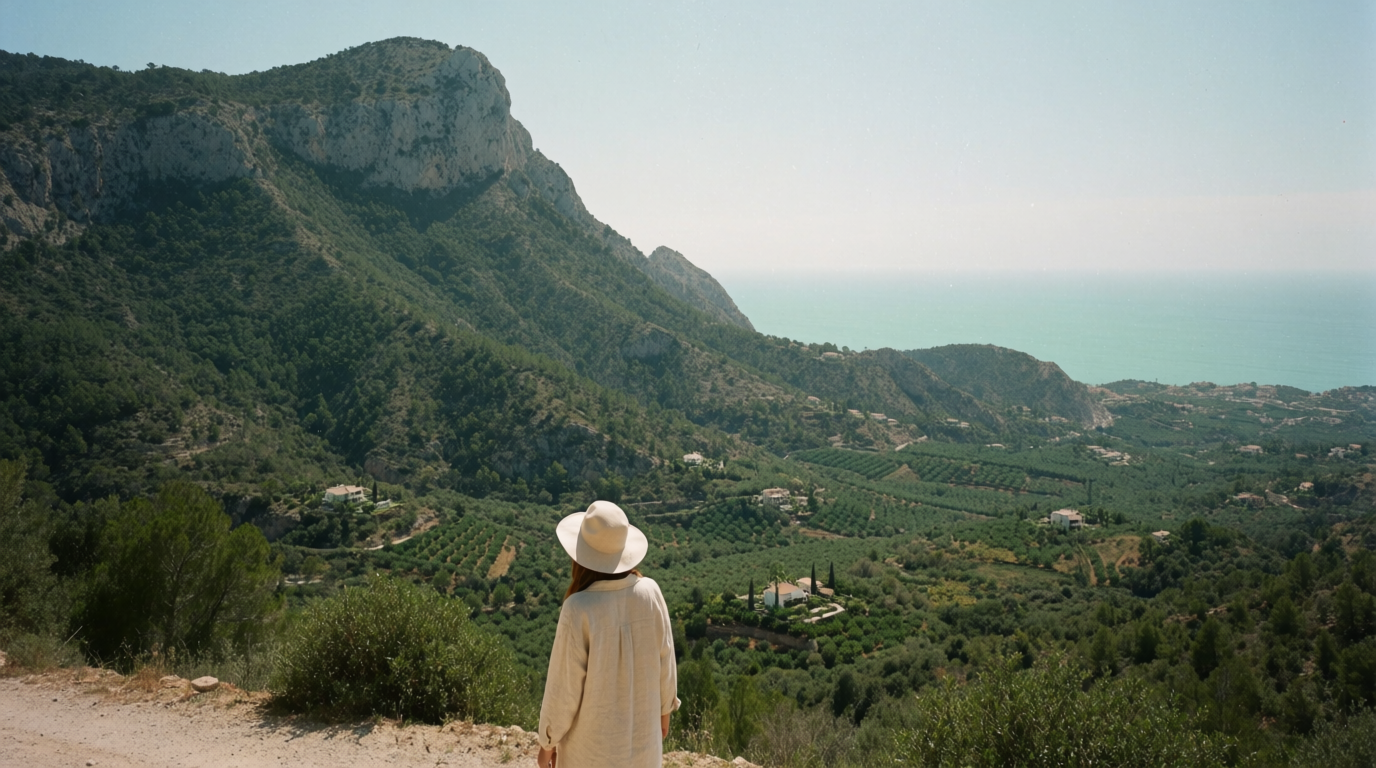
Beyond these three sits the campo, the countryside climbing toward Montgó and out toward Cap de la Nao, where villas sit among orange groves, almond trees, and the low stone terraces that once grew the raisin grapes this whole coast was built on. It is the quietest of Jávea's faces, and the one where a car stops being optional and becomes essential.
Living with the seasons
Summer in Jávea is genuinely busy, particularly around the Arenal and the beaches out toward the cape, and prices in restaurants and parking both reflect it. Spring brings almond blossom across the inland groves and walkers back onto the Montgó paths in numbers that feel comfortable rather than crowded. Winter is the town's quiet secret: mild enough for a coffee outside most days, the port still working, the old town markets still running, and a noticeably international but settled community of year-round residents who golf, walk, and treat the off season as the reward for putting up with August.
Who tends to be happy here
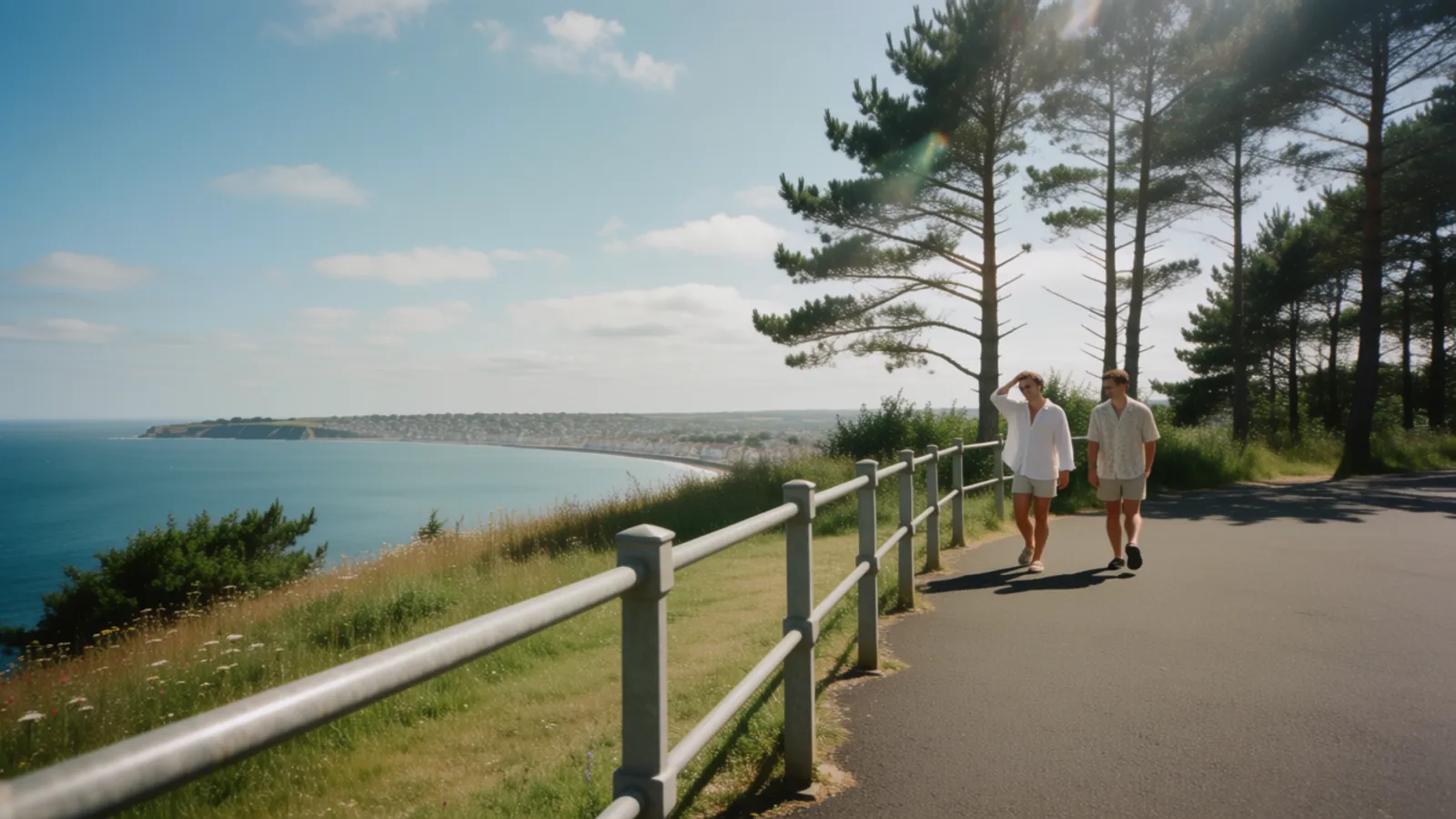
Jávea suits people who like their days built around a walk, whether that is Montgó's marked paths, the coastal route out to the lighthouse at Cap de la Nao, or simply the promenade after dinner. Retirees and remote workers who want quiet, sailors drawn to the marina, and families who prioritise the beach and the outdoors over nightlife all tend to settle in well.
Ask most long-term residents why they stayed, and the answer is rarely the property itself. It is the mountain, the market, and how little either of those things has changed.
What Jávea is not
Jávea has no train station of its own, and the nearest connections run through Gata de Gorgos or the TRAM line further along at Dénia, so a car is close to essential here, unlike towns further up this coast. Nightlife is modest by design; anyone wanting late bars and a younger crowd through the season is better served in Benidorm or, at a gentler pace, Altea. And travellers who want a genuinely working town with a busy commercial centre year round, rather than a place that breathes differently in winter and summer, often find Dénia, just up the coast, a closer fit.
None of that makes Jávea lesser. It simply means the town rewards people who already know they want quiet mornings, a market that still matters, and a mountain at their back rather than a strip at their feet.
If that sounds like the coast you have been picturing, we would be glad to talk through which of Jávea's three faces might suit you best, and to introduce you, when the time is right, to the local people who know its streets better than anyone.