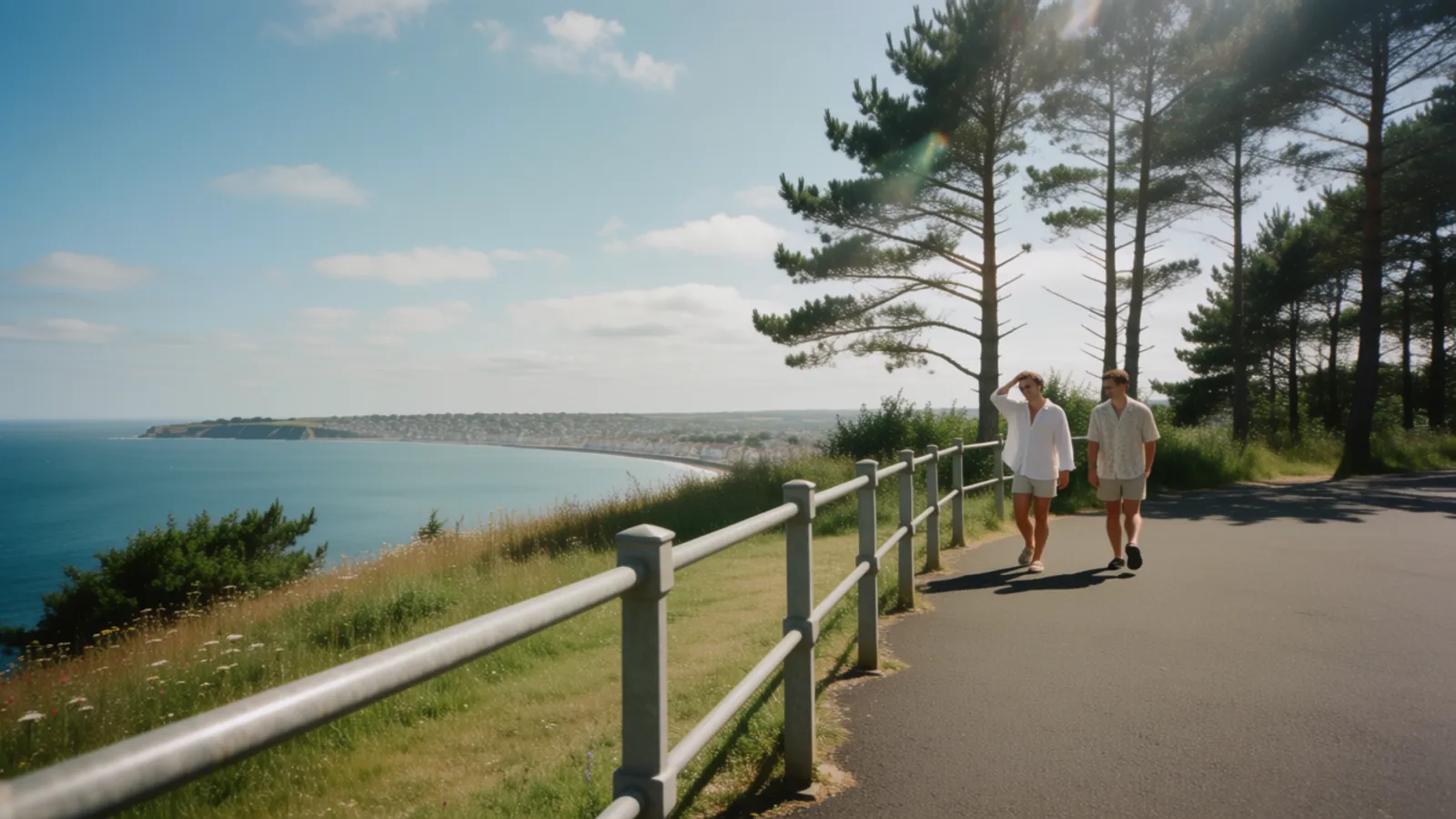

The coast in September: a market that is finding its pace

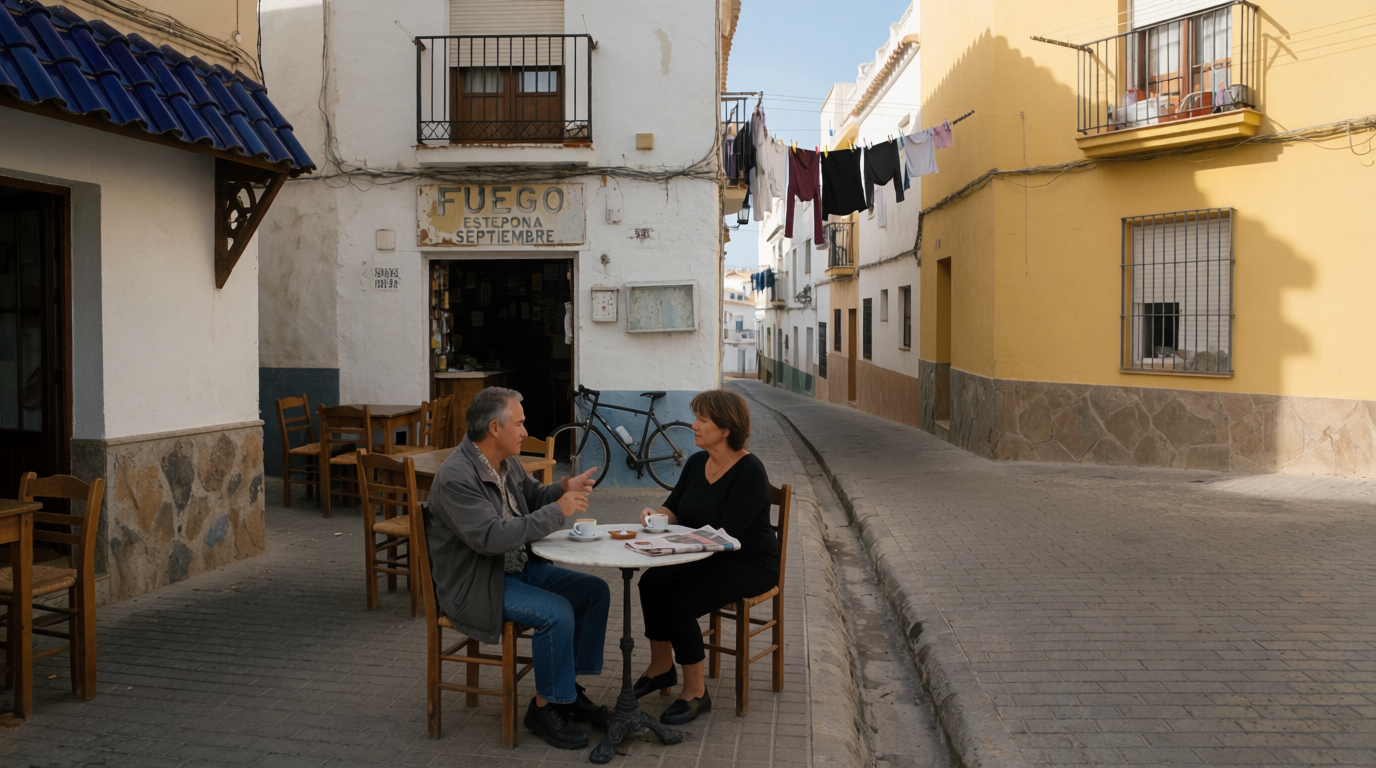
September has its own weather on this coast, and not just the kind that shows up in a forecast. The beach towels thin out, the notary offices reopen after their August lull, and the people who spent the summer thinking about a move here start making calls. It is, in our experience, one of the more honest months to take stock of the market, precisely because nobody is rushing.
So here is where things stand, as plainly as we can put it, across both the Costa del Sol and the Costa Blanca.
Prices: still rising, but more slowly
The broad direction has not changed in recent years: coastal prices in Spain have kept climbing. What has shifted is the pace. According to Idealista's ongoing market tracking, annual price growth across the Spanish coast has cooled from the sharper rises seen through 2022 and 2023, settling into something closer to a steady climb than a sprint.
That moderation reads differently by area. Established, well-served pockets of Marbella, Estepona and the western Costa del Sol have tended to hold their value more firmly, while some inland or less central stretches of the Costa Blanca, further back from Dénia or Torrevieja, have shown more room for negotiation. It is a market of neighbourhoods now, not one single coastal number.
Local agents we speak with on both coasts describe a similar pattern: the gap between what a seller first asks and what eventually gets agreed has opened up a little compared with the tighter market of a couple of years ago. It is not dramatic, but it is one of the clearer signs that asking prices are treated as a starting point again, rather than a fixed number.
Who is buying
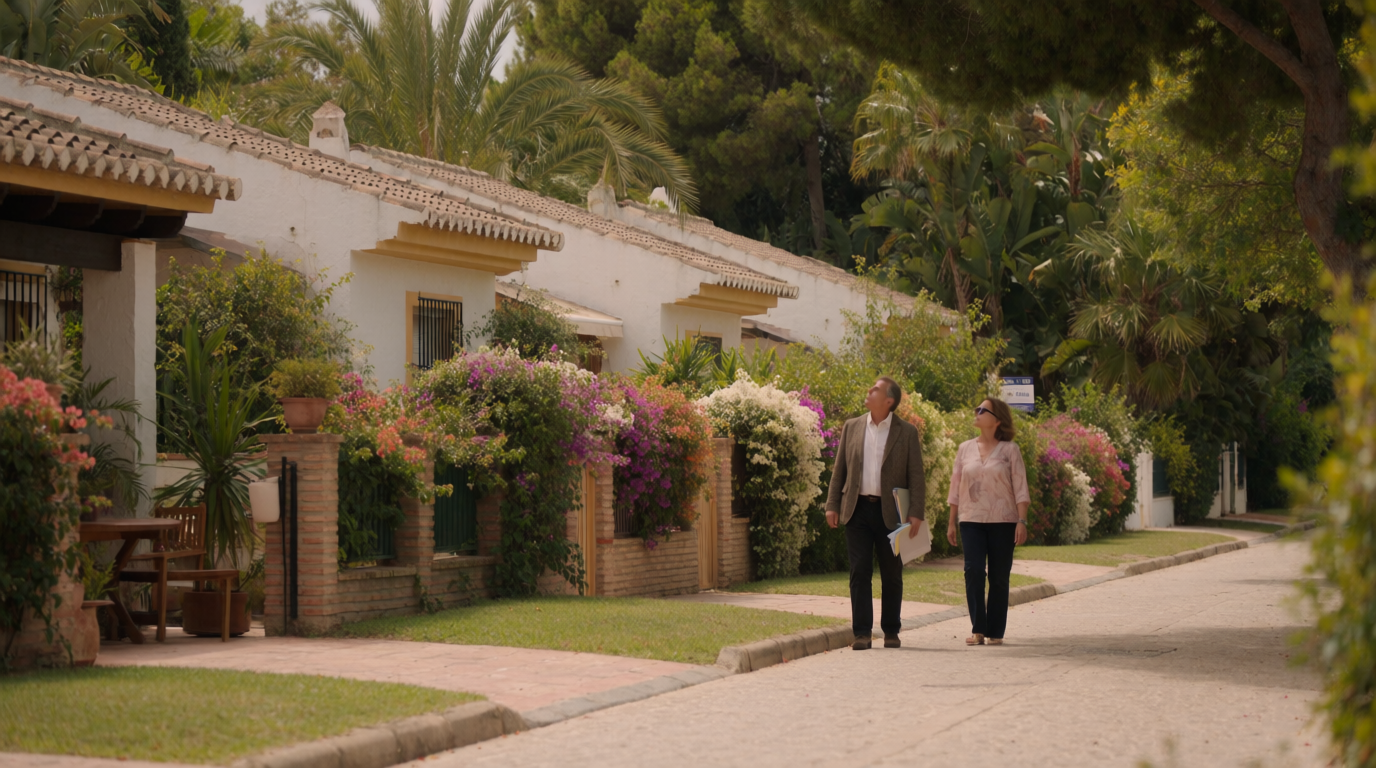
British buyers remain the largest single foreign group on the Costa del Sol, a pattern that has held for years despite the paperwork Brexit added to the process. On the Costa Blanca, the mix leans more heavily Belgian, Dutch and German, with a steady trickle of Scandinavian and Irish buyers drawn by direct flights into Alicante.
What we notice more than any single nationality is a shift in intention. More buyers are asking about year-round living rather than a lock-up-and-leave holiday flat, which changes what they look for: a working kitchen rather than a show kitchen, proximity to a decent health centre, a town where the shops stay open past October.
Spain closed its golden visa route, the residency permit tied to a property purchase over five hundred thousand euros, back in April 2025. It has quietened one narrow slice of buyer enquiry, mostly from outside the EU, without changing the broader picture much. Most people buying on this coast were never here for a visa; they were here for the coast itself.
Supply is the quieter story
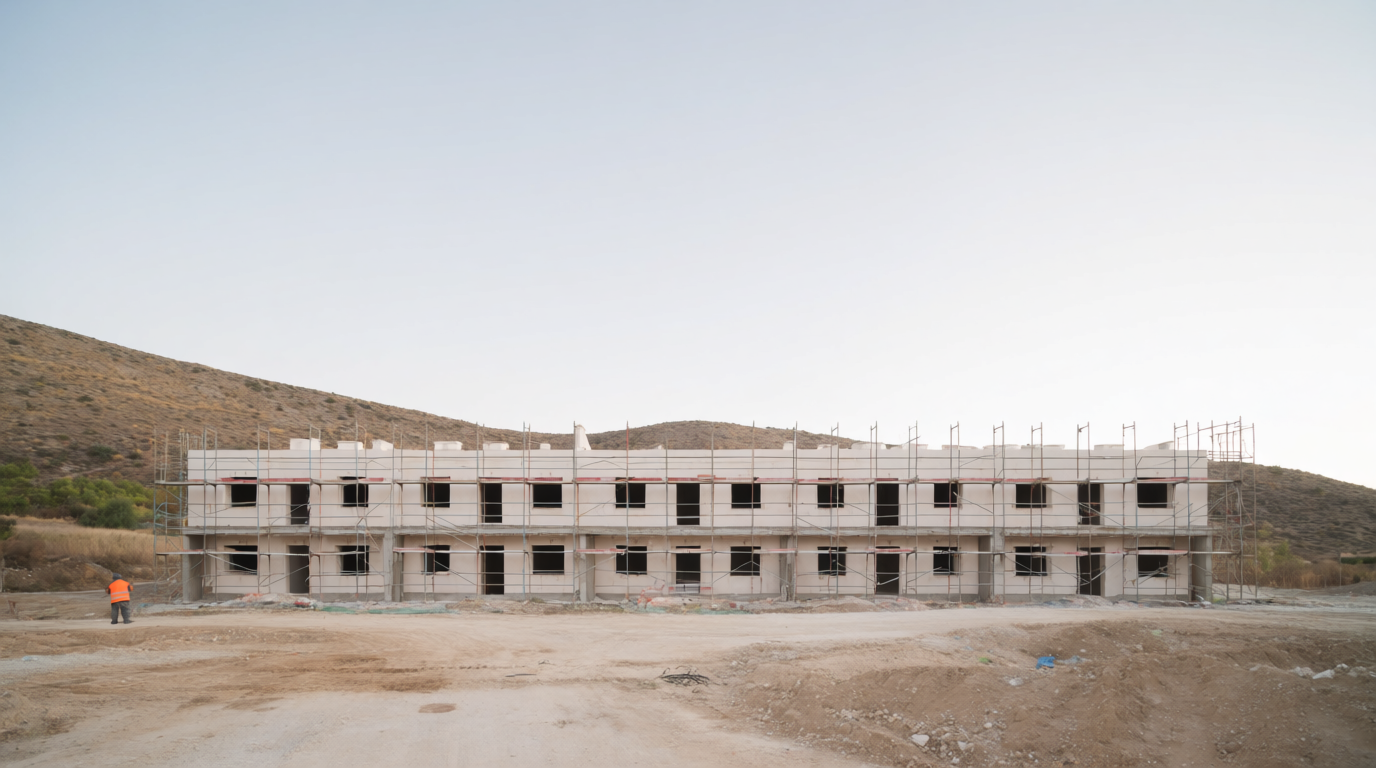
New-build supply has not caught up with demand, and it is not likely to catch up quickly. Licensing timelines and construction costs have kept many developments moving at a careful pace rather than a fast one, so buyers who want a specific new-build layout should still expect to plan around a build calendar, not a shelf date.
Resale stock tells a gentler story. September tends to bring a small refresh of listings, as owners who tested a price over the summer either hold firm or adjust it once the holiday enquiries thin out. It is worth watching a property's listing history here rather than its asking price alone.

Borrowing has eased, a little
Mortgage costs for buyers financing locally have settled into a calmer place than two or three years ago, as Euribor, the rate most Spanish variable mortgages track, has come down from its 2023 peak. It is not cheap money, and it is not likely to return to the very low rates of the previous decade, but the arithmetic for a buyer taking out a Spanish mortgage is friendlier than it was.
For cash buyers, none of this changes the calculation much. But it does widen the pool of people for whom borrowing here makes sense, particularly for those buying a second home rather than relying entirely on savings.
It is also worth remembering that Spanish banks assess non-resident applicants more conservatively than resident ones, typically lending a smaller share of the purchase price and wanting to see income documented cleanly. None of that is new, but it still catches buyers out who assume a Spanish mortgage will work the same way as one at home.
What this means if you are starting your search now
A market that is rising gently, with supply still tight in the newest developments and a little more room to talk on some resale listings, rewards patience over speed. There is no single moment you need to catch.
The people who do best in this market tend to be the ones who visit more than once, in more than one season, before they decide.
A few things worth carrying into September viewings:
- Ask about a property's full listing history, not just its current price
- If you are considering new-build, ask for a realistic completion window in writing, not a marketing date
- If living here year-round matters to you, spend a weekday in the area, not just a weekend
None of this is a reason to hesitate, and none of it is a reason to rush. It is simply what the coast looks like this month, described as honestly as we can manage.
If you would like to talk through what any of this means for your own search, on either coast, we are always happy to have that conversation. We do not sell property, but we know the people who do it well, and we are glad to make an introduction when you are ready.