

Buying in August: a quieter month, a clearer market

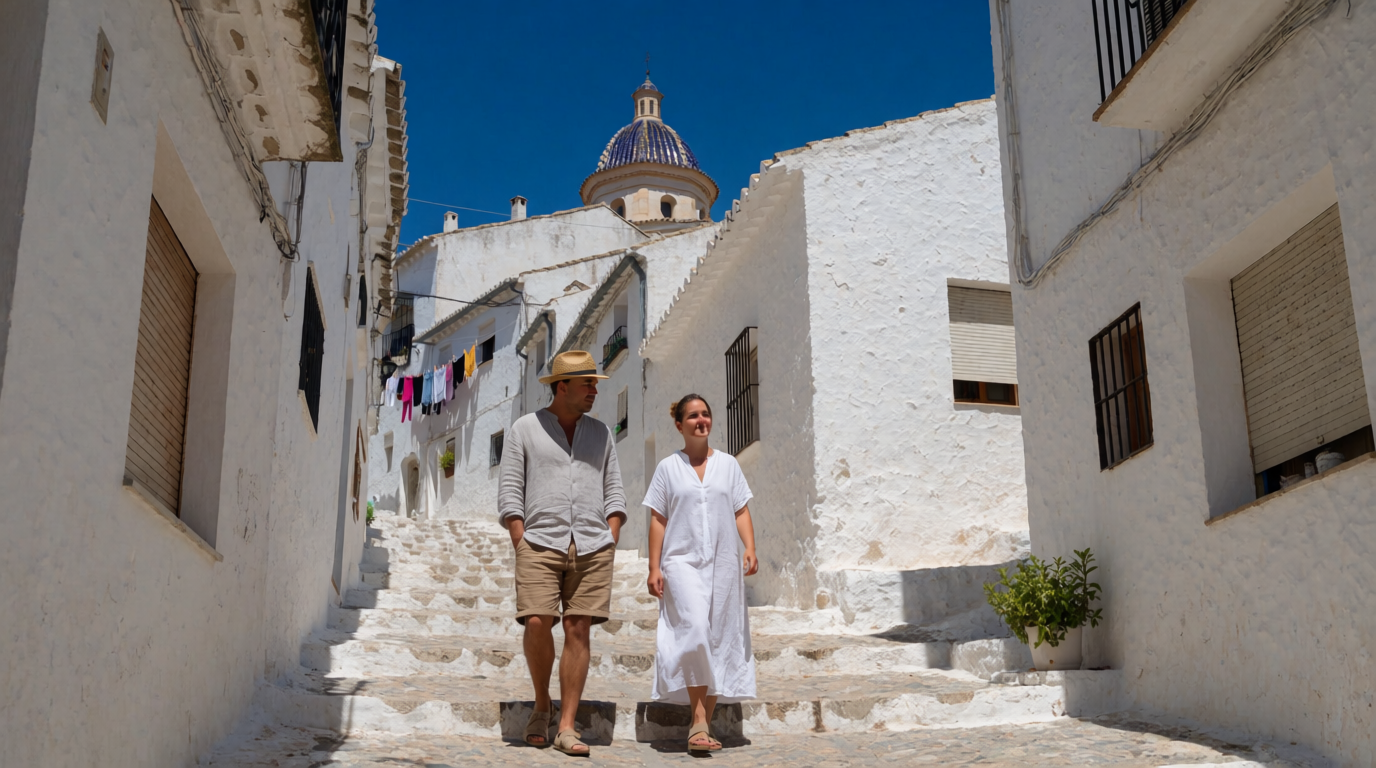
August is an odd month to try to read a market. Notaries thin their diaries, several agencies run on reduced hours, and half the coast seems to be at the beach rather than at a desk. And yet this is often when the picture becomes clearest, because the noise drops away and what is left is the underlying shape of demand and supply, not the seasonal froth of a spring launch or an autumn rush.
We spend this month talking to the people who never really stop working through it: notaries' clerks, a handful of surveyors, town hall planning offices that keep morning hours regardless of the heat. What they describe is not a market in flux so much as one settling into a pattern that has held for a couple of years now, coast by coast, town by town.
This is a short note on what that pattern looks like from where we sit in August 2026, and what it might mean if you are starting to look.
Who is actually buying
British buyers remain the largest single foreign group on the Costa del Sol, though agents we talk to describe a steadily more mixed room at any given viewing: Belgian and Dutch buyers looking inland around Mijas and Alhaurín, Scandinavians drawn to the newer developments around Estepona and Sotogrande, and a growing number of buyers from elsewhere in Spain, particularly Madrid, treating the coast as a second home rather than a retirement plan.
On the Costa Blanca the mix is similar but the balance different. British demand is still strong around Torrevieja, Orihuela Costa and the Vega Baja towns, while Dénia, Xàbia and the northern stretch see more Belgian, Dutch and German interest, plus a domestic Valencian market that barely registers in the English-language conversation about this coast but quietly shapes a good deal of it.
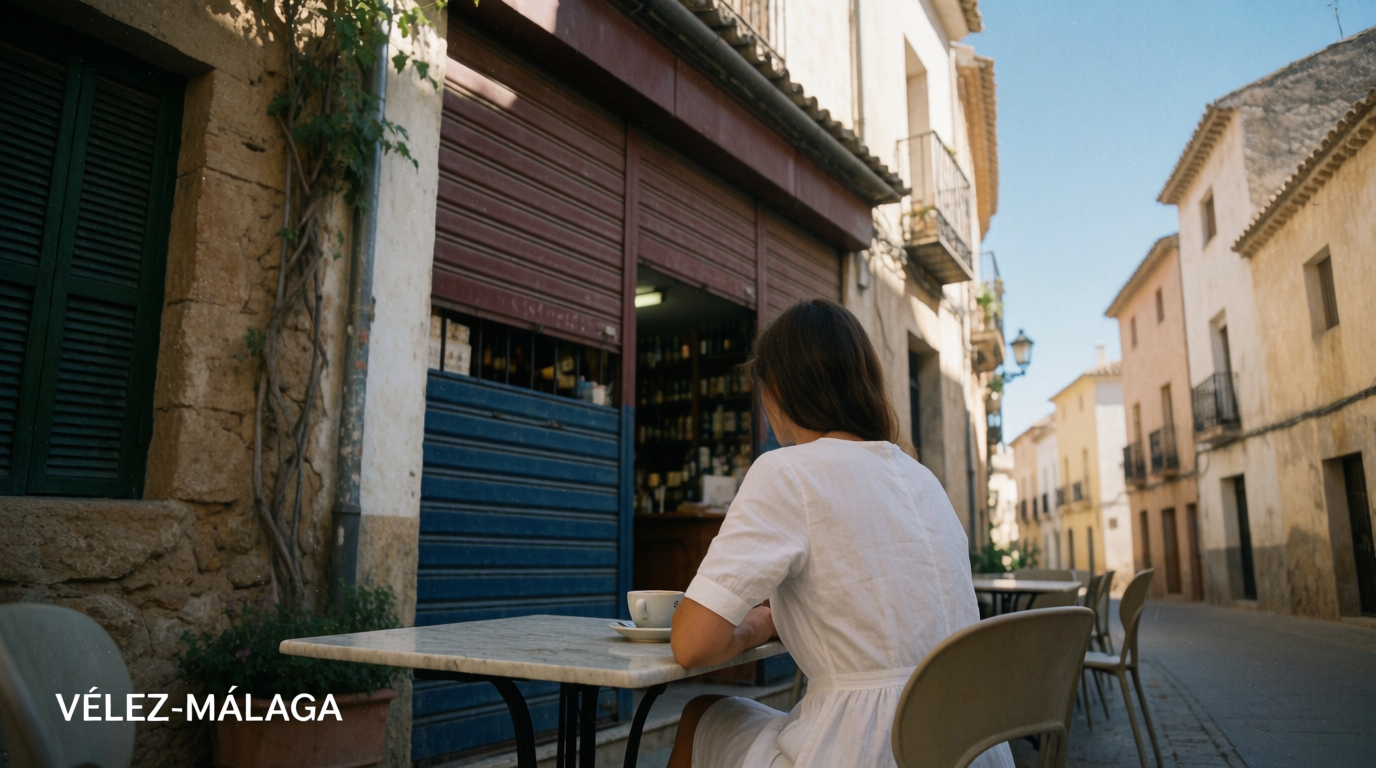
What we are not seeing, on either coast, is the investor-visa buyer who dominated headlines a few years ago. Spain closed the property route to residency through the golden visa scheme in April 2025, and that category of buyer has simply gone from the room. Most people looking now are buying a home to use, not a document.
Where prices are moving, and where they are not
We are careful with numbers we cannot stand behind, and this is one area where the picture genuinely varies street by street. Broadly, established, well-connected towns close to the coastline on both the Costa del Sol and the Costa Blanca have kept nudging upward, resale flats in Marbella, Estepona, Fuengirola and Dénia among them. Inland towns and areas further from a beach or a good road have moved more slowly, and in a few cases have flattened out entirely.
New-build pricing has generally outpaced resale, partly because build costs have not come down and partly because there is simply less new stock being released than buyers would like. Resale remains the more negotiable end of the market in most towns we cover, particularly for anything that has sat listed for more than a season.
The coast has not become cheaper. It has become slightly more patient, and patience is worth something to a buyer.
Rules that changed, and one that still has not

The end of the golden visa route is the clearest regulatory shift of the past eighteen months, and it has reshaped who is in the market more than it has reshaped prices. Separately, several town halls, Málaga capital and a number of Costa Blanca municipalities among them, have tightened licensing for short-term tourist rentals, which matters if you are buying with an eye to letting the place out rather than living in it yourself.
What has not changed, despite periodic headlines, is any blanket tax or restriction specifically targeting non-EU buyers of Spanish property. Proposals along these lines have circulated in Madrid for a while now without becoming law. We would treat any claim that such a measure is already in force, or is imminent, with a healthy pinch of scepticism until it actually appears in the Boletín Oficial del Estado.
Supply, and why August viewings can be misleading
August listings can flatter or flatten a market depending on who you ask. Spanish sellers with school-age children often wait until September to list a family home, once the summer is properly behind them, so what is on the portals in August skews towards holiday-let stock and long-standing listings rather than a true cross-section of what will be available in autumn.
On the supply side more generally, land availability and planning timelines remain the real constraint on new building along both coasts, more so than demand. Popular pockets, the hills above Estepona, the area around Mijas Costa, Finestrat and the Marina Alta behind Dénia, continue to see steady new development, but nothing like the volume that would meaningfully soften pricing in the towns buyers most want.
What this means if you are starting a search now
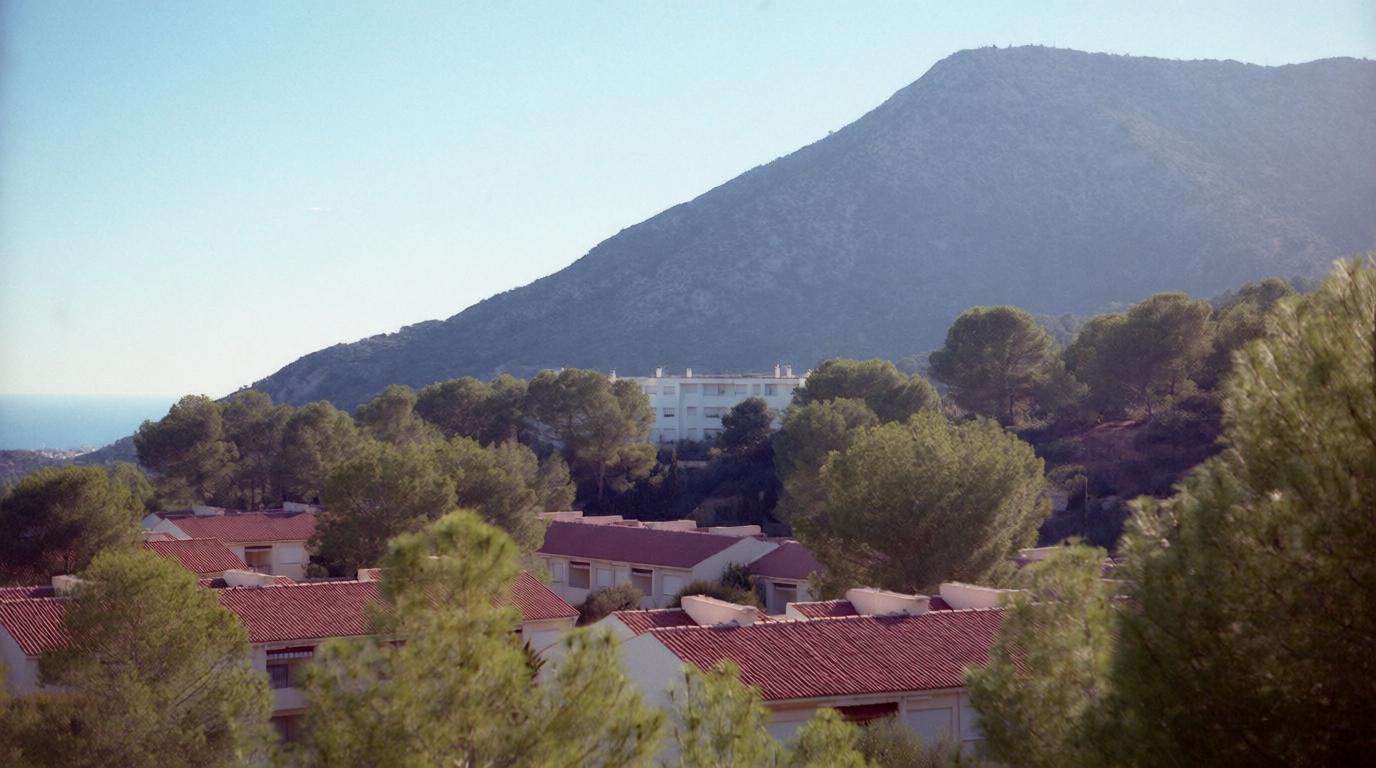
If you are only beginning to look, August is a reasonable month to visit and a slightly misleading one to shop in. Use it to walk streets at midday and see how a town actually feels in real heat, which tells you more than any listing photograph, and hold off drawing firm conclusions about price from what is on the portals right now.
September tends to bring a fuller, more honest set of listings on both coasts, and that is usually a better moment to start comparing like with like. In the meantime, spend August doing the parts of the search that do not depend on the calendar: which town suits your daily rhythm, whether you want the coast itself or a quieter spot a short drive inland, and what a realistic budget actually buys in the areas you keep returning to.
We are always glad to talk this through before you are anywhere near ready to make an offer. If it would help to compare notes on a particular stretch of either coast, or simply to understand what a given price actually buys this year, get in touch with us and we will give you a straight answer.