Calpe: the Peñón, the two beaches, and a case for living here

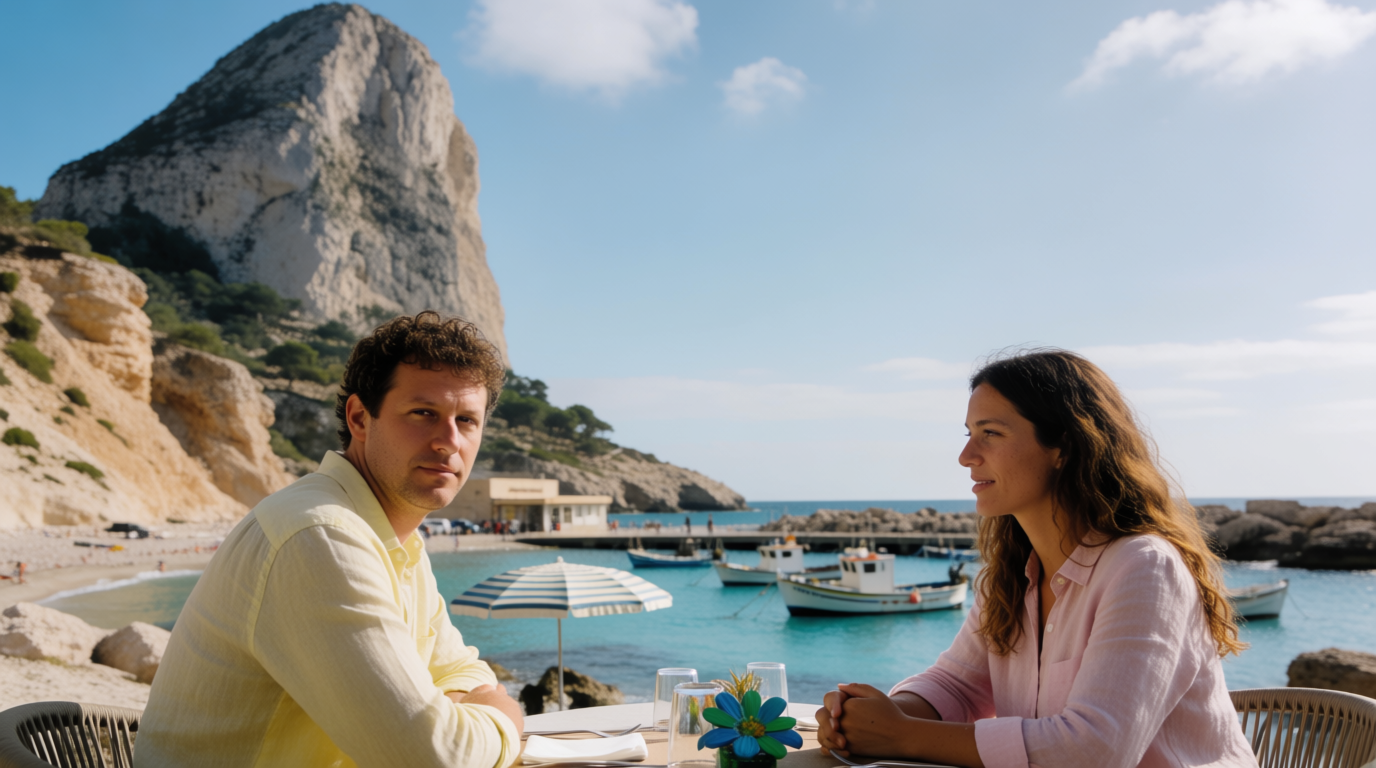
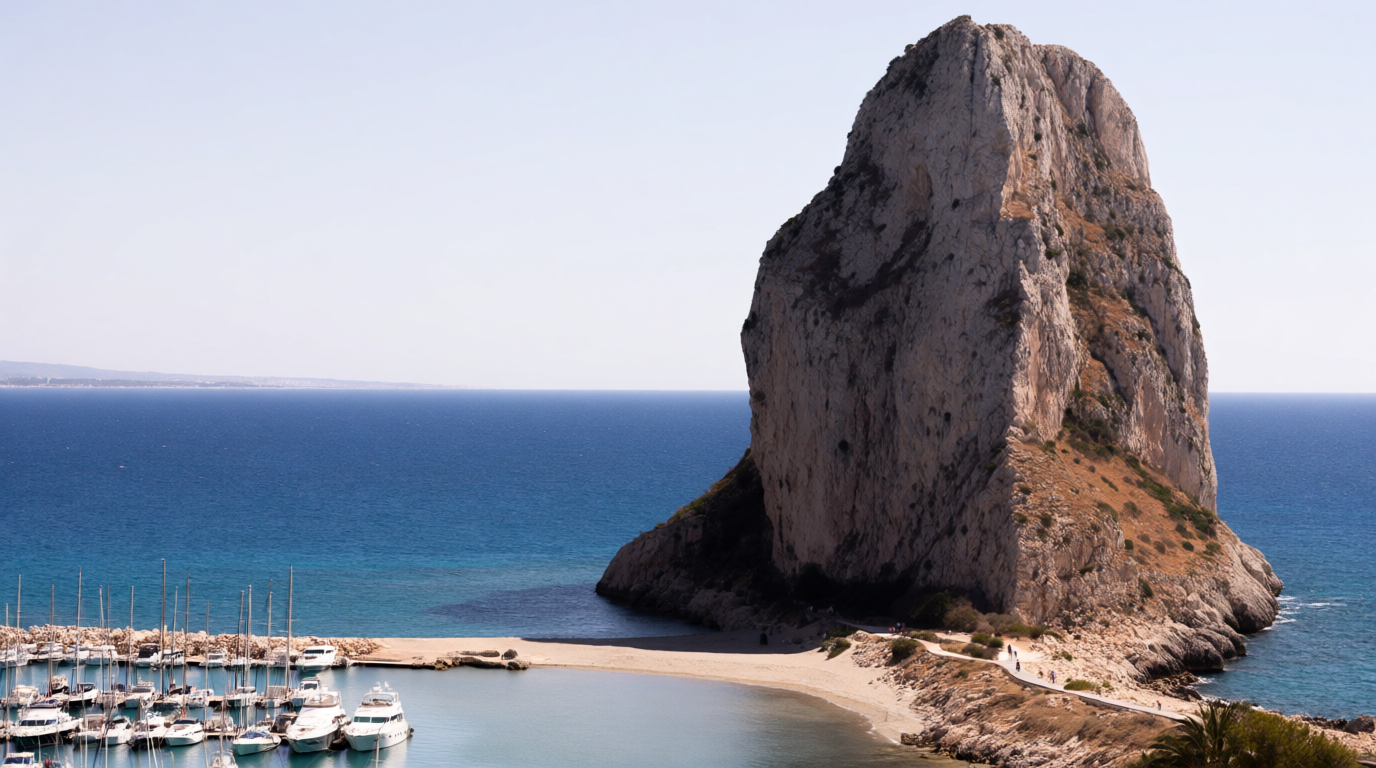
Calpe announces itself before you arrive. The Peñón de Ifach, a limestone rock nearly 332 metres high, sits at the town's edge like something that wandered in from another coastline and decided to stay. Everything in Calpe orients around it, physically and, we think, psychologically. You live with that rock in view from your kitchen window, your balcony, the beach towel you have laid on the sand, and it does something to a place to have a landmark that dramatic sitting quietly in every sightline.
That is the first thing people notice. The second, usually within a few days of actually staying rather than visiting, is that Calpe runs on two beaches and two different rhythms either side of the Peñón, plus an old town that has nothing to do with either.
This is a guide for people trying to work out if that rhythm suits them, not a sales pitch for it.
Two beaches, two moods
Playa del Arenal-Bol curls along the southern flank, backed by the main promenade, the bulk of the restaurant terraces, and the town's most built-up seafront stretch. It is lively, well served by cafés and chiringuitos, and busiest in July and August when the paseo fills after dinner and stays that way until late.
Playa de la Fossa (also called Levante) sits north of the Peñón and has a different temperament: wider sand, a longer promenade, marginally less crowded even in peak season, and views back across the water to the rock that most people find hard to stop photographing. Which beach ends up closer to your daily life often decides which part of Calpe you end up choosing to live in.
Between the two, the old town climbs a small hill of narrow streets, a restored section of medieval wall, and a scattering of squares that stay genuinely local. This is where Calpe stops being a beach resort and starts being a town with a Tuesday.
The neighbourhoods, in plain terms
The seafront zones around both beaches suit people who want to walk to sand, coffee, and dinner without a car, and who do not mind that summer brings crowds and noise until midnight. Apartments here are the classic Calpe purchase: a terrace, a sea sliver or a full sea view, lock-up-and-leave simplicity for owners who come and go.
Inland and up the hillsides (areas like Empedrola, Gerontológico, or the roads climbing toward Oltá), villas sit on larger plots with more privacy and often better views of the Peñón and the bay together, at the cost of needing a car for everything and a longer walk, or none at all, to the beach.
Manzanera and the area toward the Puerto Blanco marina lean quieter and more residential, popular with people who want Calpe's convenience without its liveliest streets. The old town itself has a small resident population living above the bars and shops, which suits people who want to be in the middle of things and do not mind stairs, scooters, and church bells.
Living there by season
Winter in Calpe is mild and genuinely quiet. Many restaurants along the quieter stretches close or shorten hours, the promenade empties out, and the town reverts to something closer to its working self: a farmers' market, retired residents doing their daily walk out to the Peñón's base path, fishermen working the harbour at Puerto Blanco. This is the Calpe that year-round residents actually love, and it looks nothing like the July version.
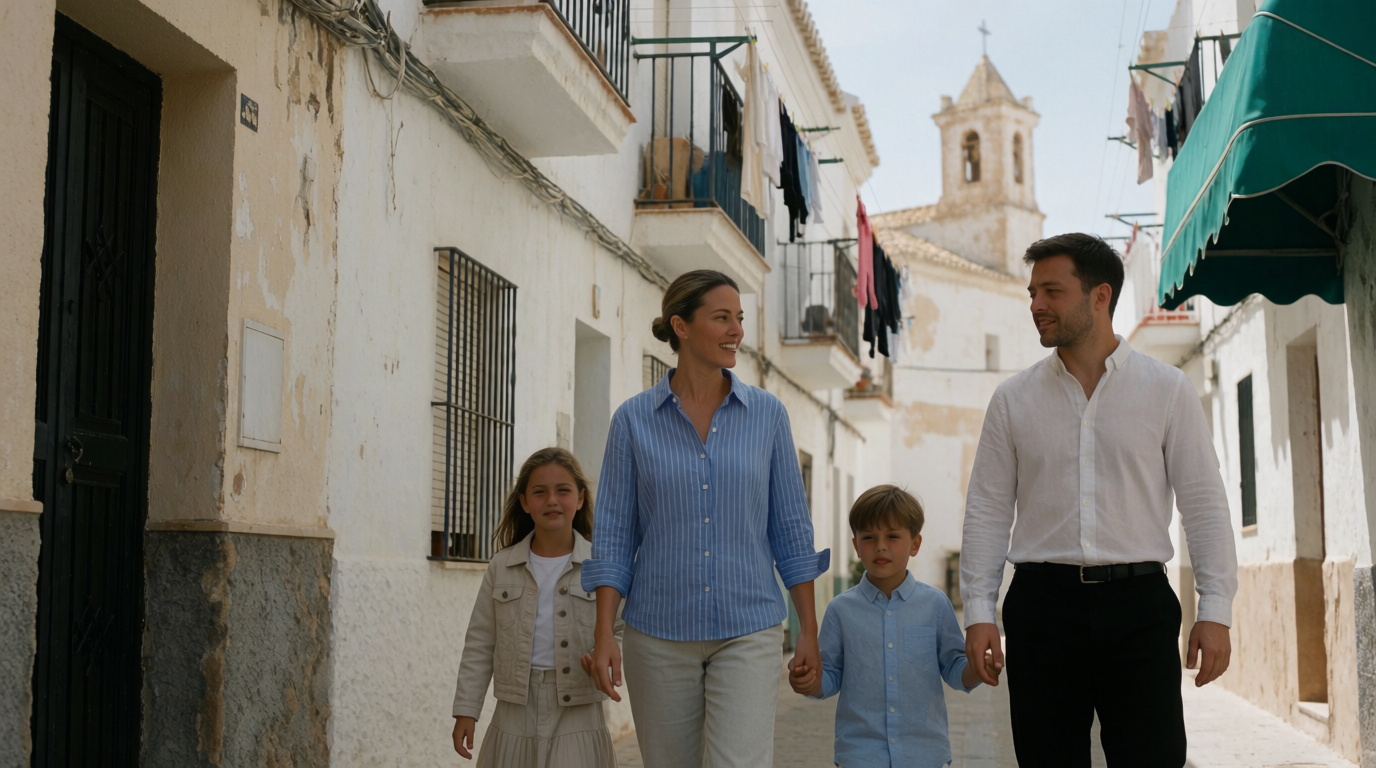
Spring and autumn are, by most accounts, the best months: warm enough for the beach, cool enough for the coastal path around the Peñón itself (a genuinely good walk, weather permitting, with views back over both beaches), and the town not yet or no longer at capacity.
Summer is full, loud in the right places, and expensive to eat well in without a reservation. If you are buying to live year-round rather than to occupy six weeks a year, it is worth spending a July there before deciding, because it is a different town to the one you will inhabit most of the year.
Daily life, the texture of it
Calpe's market runs on Saturdays, a large and genuinely useful one for fruit, fish, and household goods rather than a tourist market dressed up as local colour. The fish auction at the harbour, held most weekday afternoons when boats come in, is one of the more honest windows into what Calpe actually is underneath the beach-town surface: a working fishing port that happens to have spectacular scenery attached.
The rock does not change. Everything around it does, by the hour and by the season, and that contrast is most of what people end up loving about living here.
Golf is a short drive rather than a feature of the town itself; the nearest courses sit toward Moraira and further inland, so Calpe suits golfers who are happy to drive fifteen or twenty minutes rather than walk to the first tee. Walkers fare better locally, with the Peñón path and coastal routes toward Moraira and Altea giving genuine hiking on the doorstep.
Who tends to be happiest here
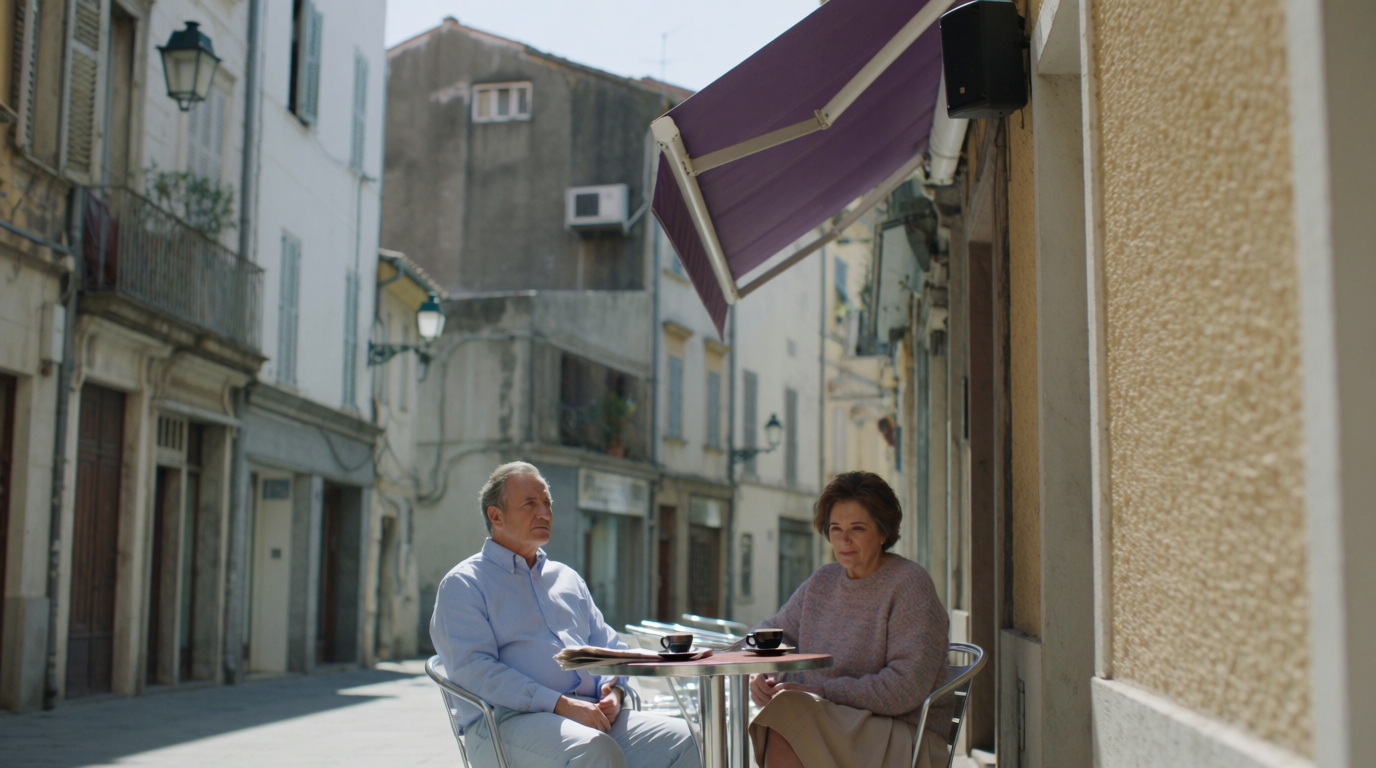
People who want a proper town, not just a resort strip, tend to settle well in Calpe: it has a school, a health centre, a working market, and a life that continues in January. Retirees who want beach walking and mild winters without total isolation do well here, as do families who want the AP-7 and good bus links to Benidorm and Alicante airport (roughly forty-five minutes) without living inside either.
Remote workers who want reliable connectivity and a choice of decent cafés for a change of scene find Calpe workable, particularly in the quieter neighbourhoods. Summer-only owners get real value from Calpe's two beaches and restaurant range, provided they accept the crowds that come with both.
Calpe is probably not the right fit for anyone chasing total quiet and privacy, or for golfers who want a course walkable from home; Jávea offers more of the former in places, and towns further along the coast serve the latter better. It also is not the place for people who want a boutique, precious, one-note village feel. Calpe is a real working town with a rock in the middle of it, and that honesty is exactly what its long-term residents tend to value most.
If Calpe's mix of beach, market town, and that improbable rock sounds like the rhythm you are after, we would be glad to talk you through it in more detail and, when you are ready, introduce you to the local people who know it best.