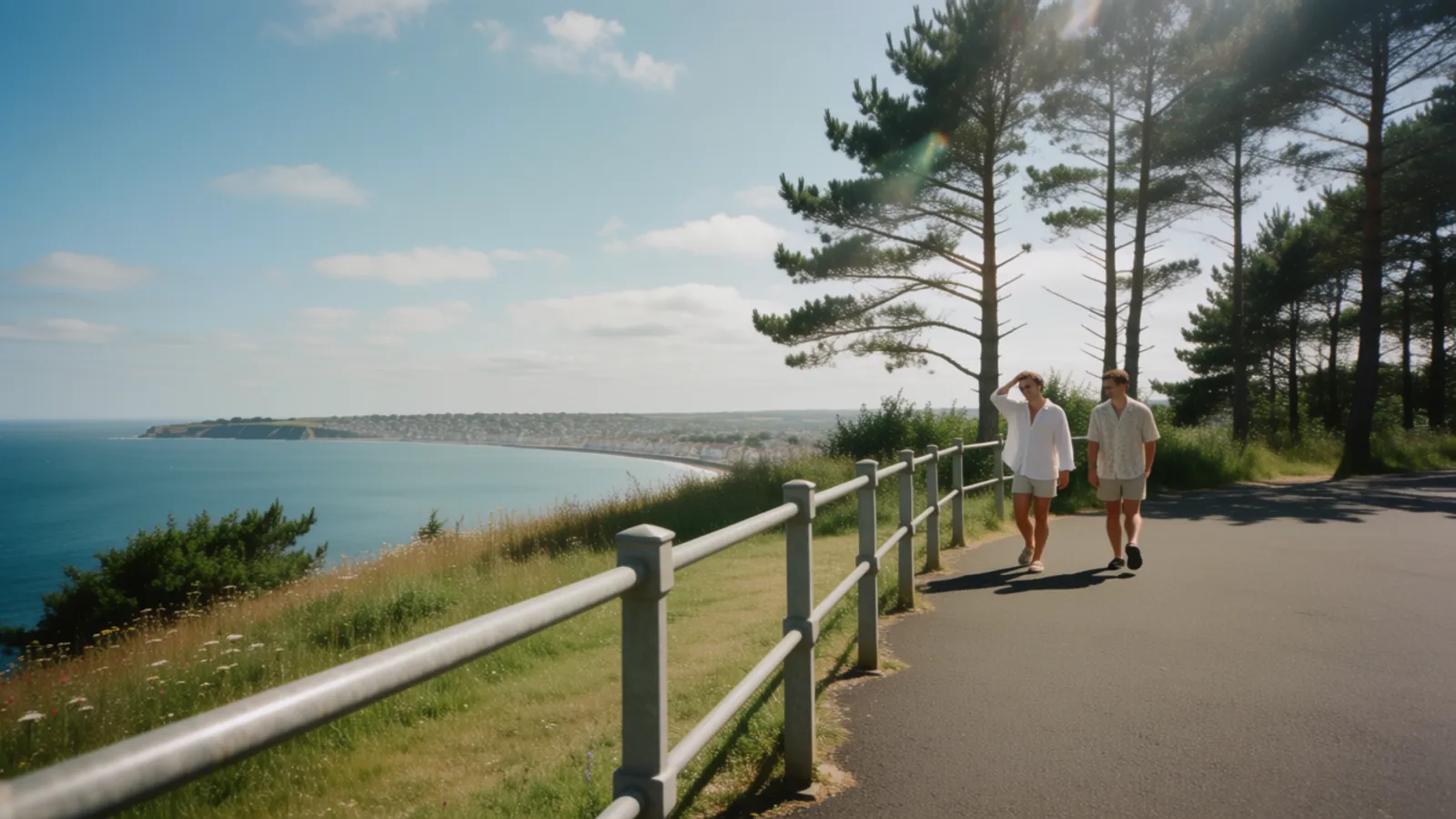

Your first junta de propietarios, and why it is worth the wait

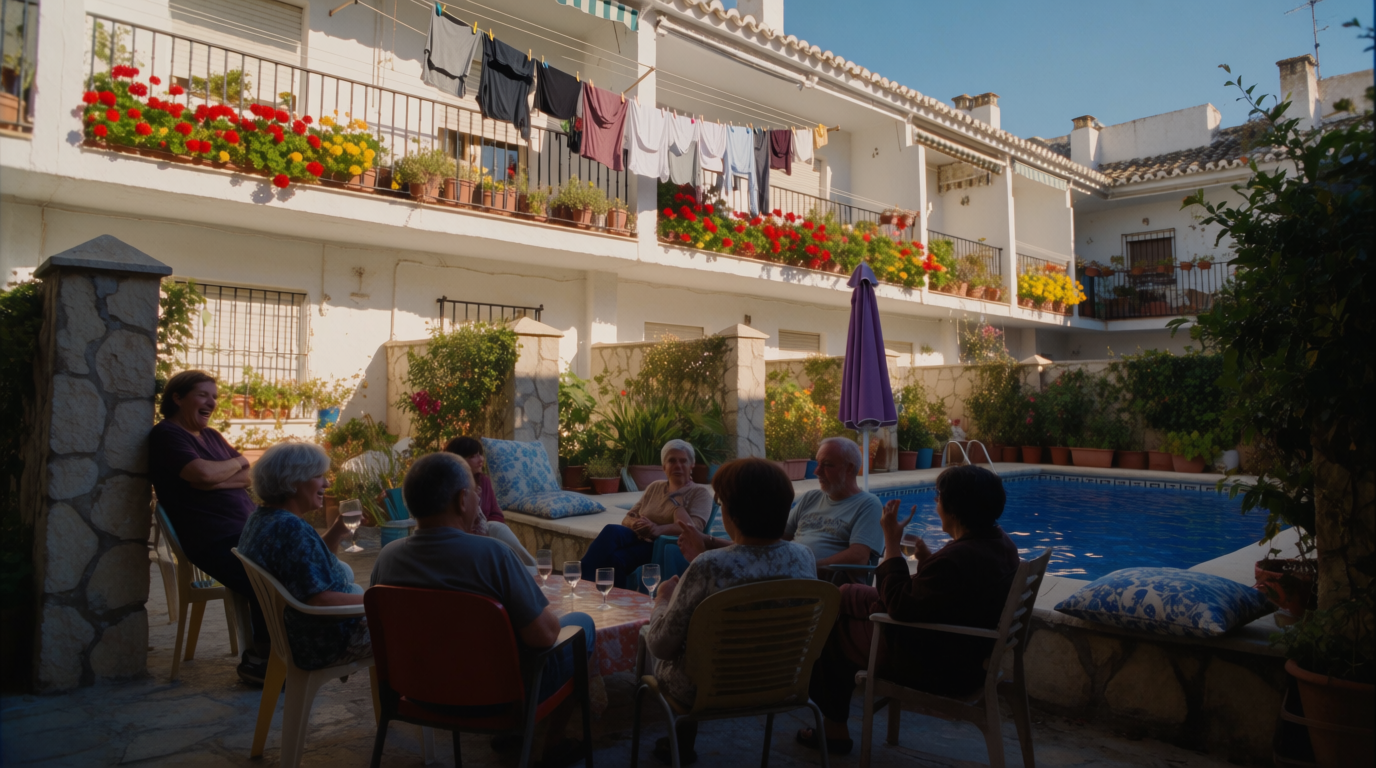
The envelope arrives sometime in spring, usually pushed half under the door or left in the row of metal postboxes by the entrance. It has the building's name on it, a date, an hour, and a list of points that means little the first time you read it. This is the convocatoria, the formal notice for the junta de propietarios, the annual meeting of everyone who owns a flat in your block. Nobody tells new owners quite what to expect from it, so most of us learn by sitting through one.
If you have only ever holidayed on this coast, the idea of a community meeting probably never crossed your mind. The building simply worked. The pool was clean, the lift came when you pressed the button, the gate buzzed you in. Somewhere behind that ease sits a small, ongoing act of shared government, and once you own here, you are part of it.
It is one of the quieter thresholds of becoming a real resident rather than a visitor, alongside your first trip to the ayuntamiento or your first proper conversation with the farmacia on the corner. Nothing about it is difficult. It simply asks you to slow down and pay attention in a language and a rhythm that may not yet be your own.
Who actually runs the building
Every community of owners, whether it is four flats above a bakery in Fuengirola or a hundred-and-twenty-unit development outside Jávea, is governed by the same basic structure under Spanish law. There is a president, elected from among the owners, usually for a year, sometimes reluctantly. There is often a vice president and a secretary, and there is almost always an administrador de fincas, a professional manager hired by the community to keep the accounts, chase unpaid quotas, and translate decisions into invoices and contractors.
The president is rarely a figure of great power. More often it is a role someone agrees to take on because somebody has to, the neighbour with the patience to field complaints about the gardener or the noise from the rooftop terrace. The administrador does the heavier lifting, and a good one is worth more to your peace of mind than almost anything else in the building.
The moment the derrama comes up
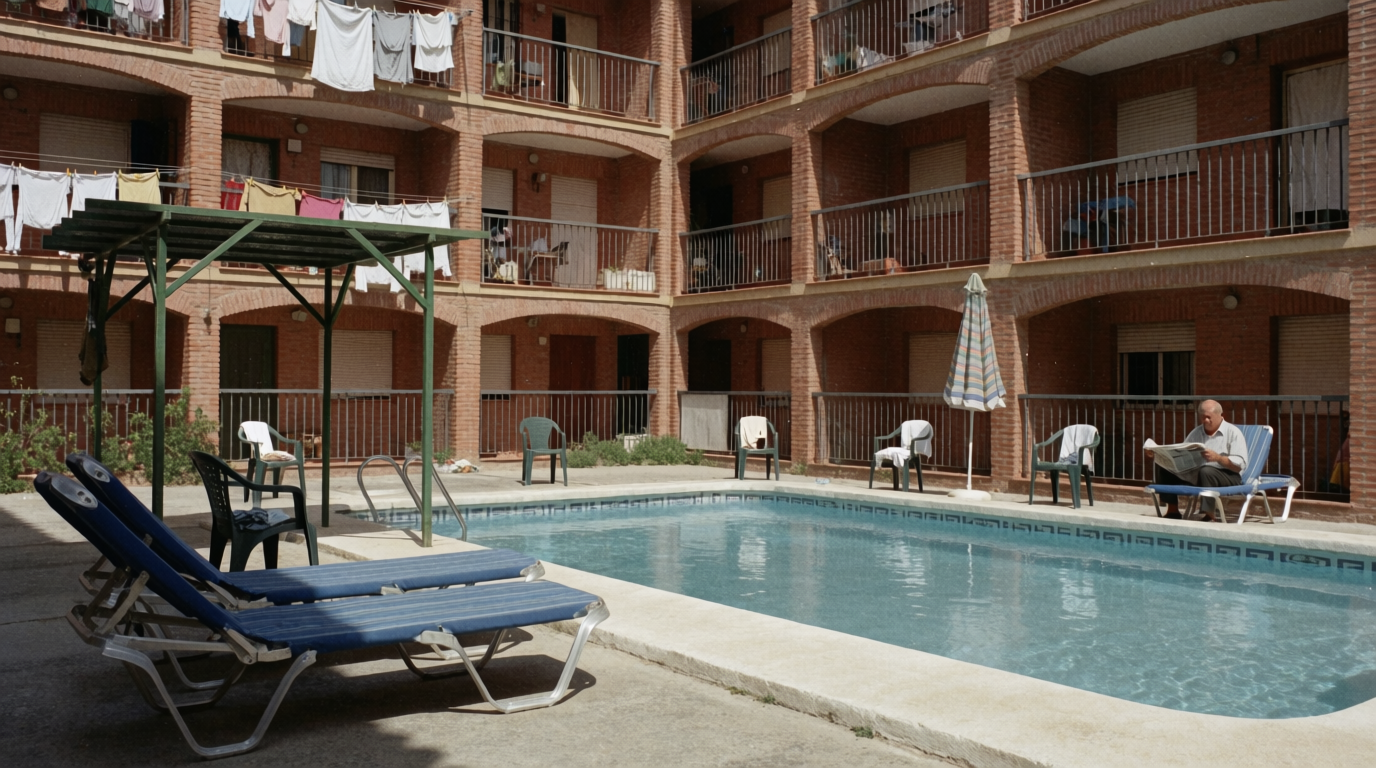
At some point in most meetings, someone raises a hand about the lift, or the roof, or the ramp down to the garaje, and the word derrama appears. A derrama is a special one-off payment, on top of the regular quota, to cover a repair or improvement the ordinary community fund cannot stretch to.
This is the part that catches new owners off guard, not because it is unfair but because it is unfamiliar. In many other places a building simply degrades until someone sells and the next owner inherits the problem. Here, communities tend to fix things while they are fixable, and everyone pays their share according to their coeficiente, the percentage of the building their flat represents.
It can feel like an unwelcome bill in a given year. It is also, quietly, one of the reasons apartment blocks on this coast tend to age reasonably well, lifts still working, facades still painted, thirty years on.
Learning to sit in the room
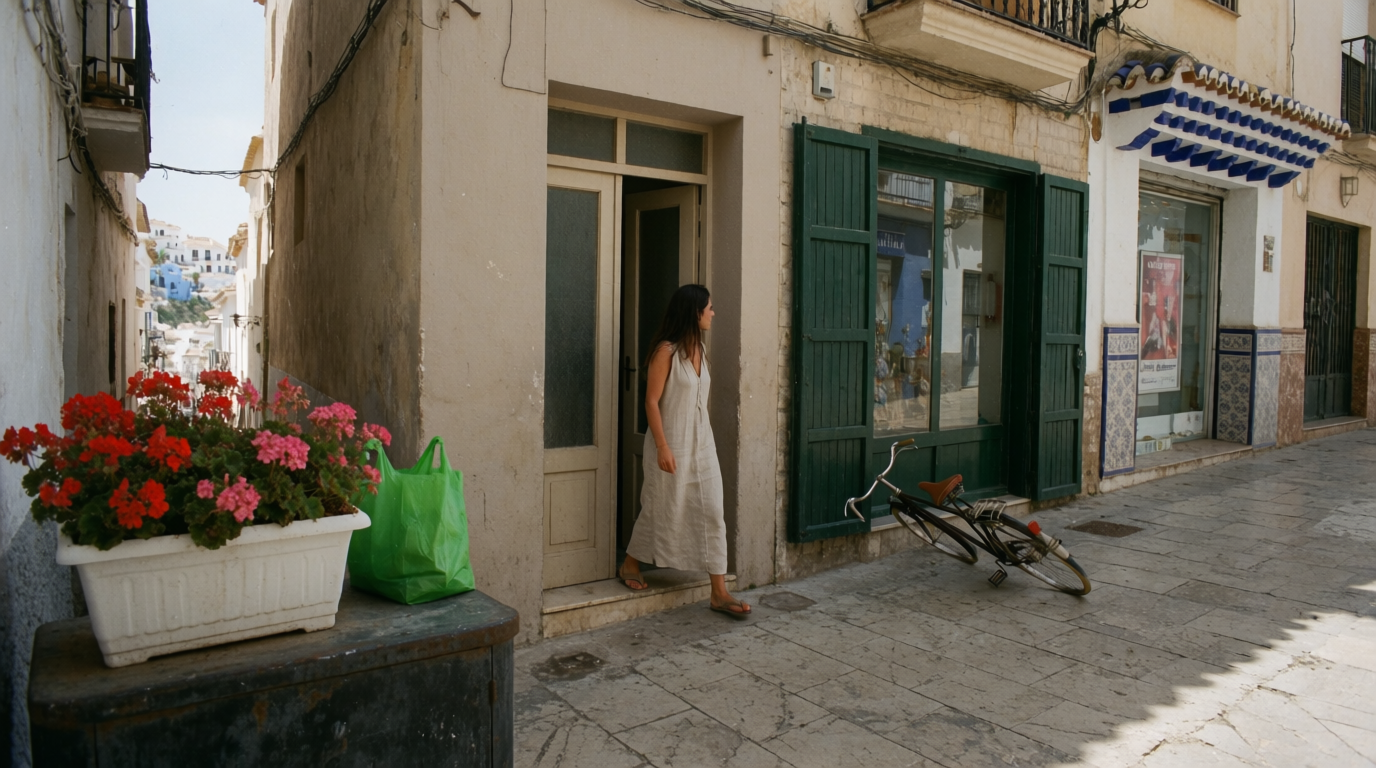
The meeting itself has a rhythm of its own. It rarely starts on time. There is a second call time printed on the notice, twenty or thirty minutes after the first, because the room is expected to fill late. Points are discussed at length, sometimes heatedly, about matters that might seem small from outside, a change to the pool opening hours, whether the communal garden needs a new irrigation system, who is responsible for a damp patch on a shared wall.
For an owner still finding their feet in Spanish, it can feel like standing at the edge of a conversation moving faster than you can follow. That is worth expecting rather than worrying about. Bring a notebook. Ask the administrador beforehand for a copy of the agenda in writing, which they are used to providing. Many communities have at least one bilingual neighbour happy to translate the gist afterwards over a coffee.
Nobody expects a new owner to arrive fluent in the vocabulary of a comunidad. They mostly expect you to show up, and to keep showing up.
What changes, gradually, is not your Spanish so much as your sense of the building as a shared thing rather than a purchase. You start recognising the neighbour who always raises the noise complaint, the one who quietly fixes things before anyone notices they were broken, the couple who bring biscuits to every meeting as though it were a small social occasion, which in a sense it is.
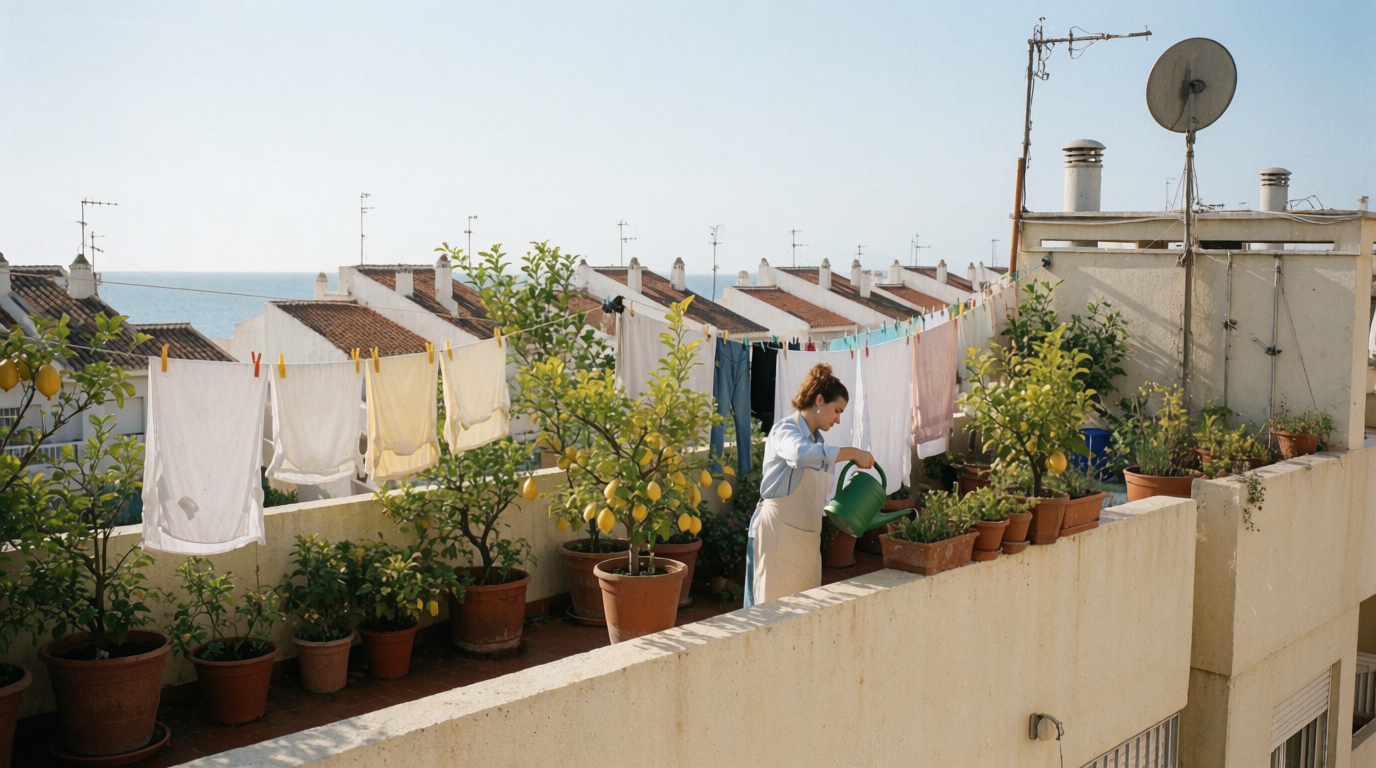
What the meeting actually teaches you
The junta is a small, unglamorous piece of coastal life, and that is exactly its value. It is where you discover how your building actually runs, who holds it together, and what it costs to keep it standing well. It is also, unexpectedly, one of the places where you stop being the owner who bought a flat here and start being a neighbour who lives here.
Most people find, after a meeting or two, that the whole thing loses its edge of mystery. The agenda becomes familiar. The names attach to faces you now say buenos días to at the gate. The derrama, when it comes, feels less like a surprise and more like maintenance, the ordinary cost of a building that someone is looking after.
If you are weighing up a flat on either coast and wondering what daily ownership actually involves beyond the view and the terrace, this is one of the honest, unglamorous answers. We are always glad to talk through what a particular building's community is like, its quotas, its history of derramas, its administrador, before you buy rather than after. Get in touch with us and we will help you ask the right questions early, so the first junta feels like an introduction rather than a surprise.