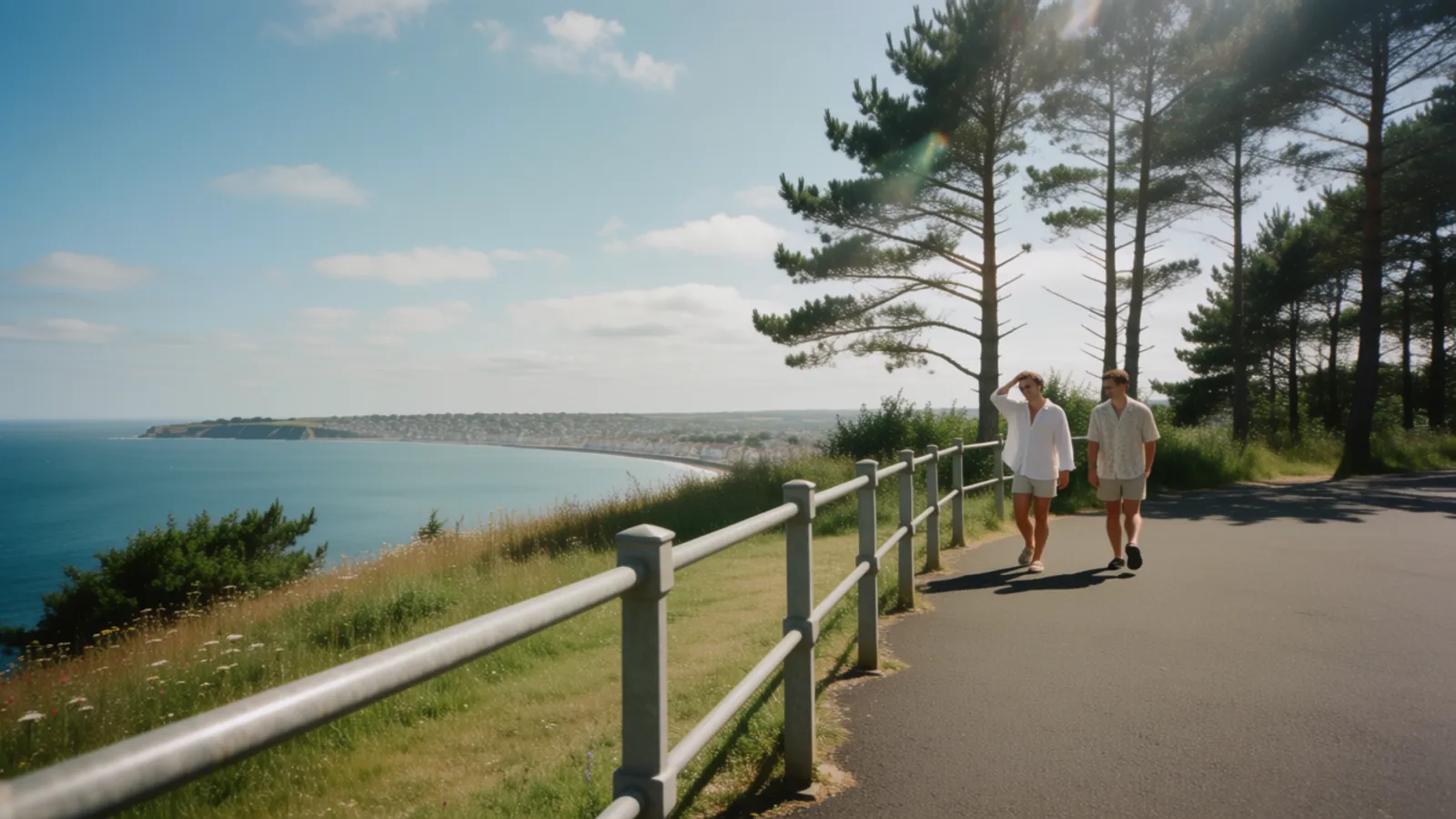

The menú del día, and what it teaches you about living here

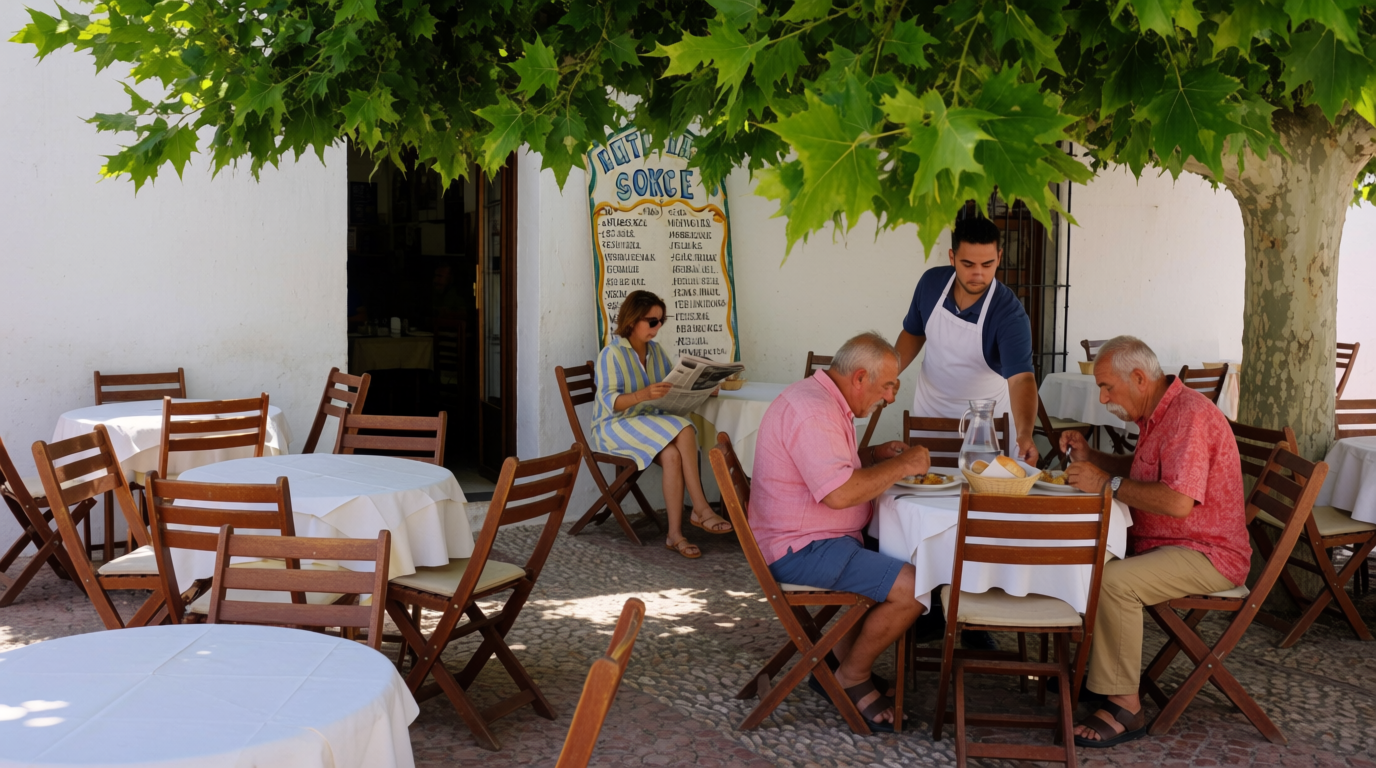
There is a particular kind of restaurant on this coast that never appears in the guidebooks and rarely bothers with a translated menu. It has a chalkboard by the door, three or four tables of regulars by half past one, and a price that has barely moved in years. This is the menú del día, and if you want to understand how life actually runs here, it teaches you more in one lunch than most guided tours manage in a week.
It is easy to miss if you are still thinking like a visitor, scanning seafront restaurants for the best view of the water. The real menú del día tends to sit a street or two back, often where the workmen and the town hall staff eat, not where the tourists do. Finding it, and learning to order from it properly, is one of the quiet markers of someone who has started to live here rather than simply visit.
What actually arrives at the table
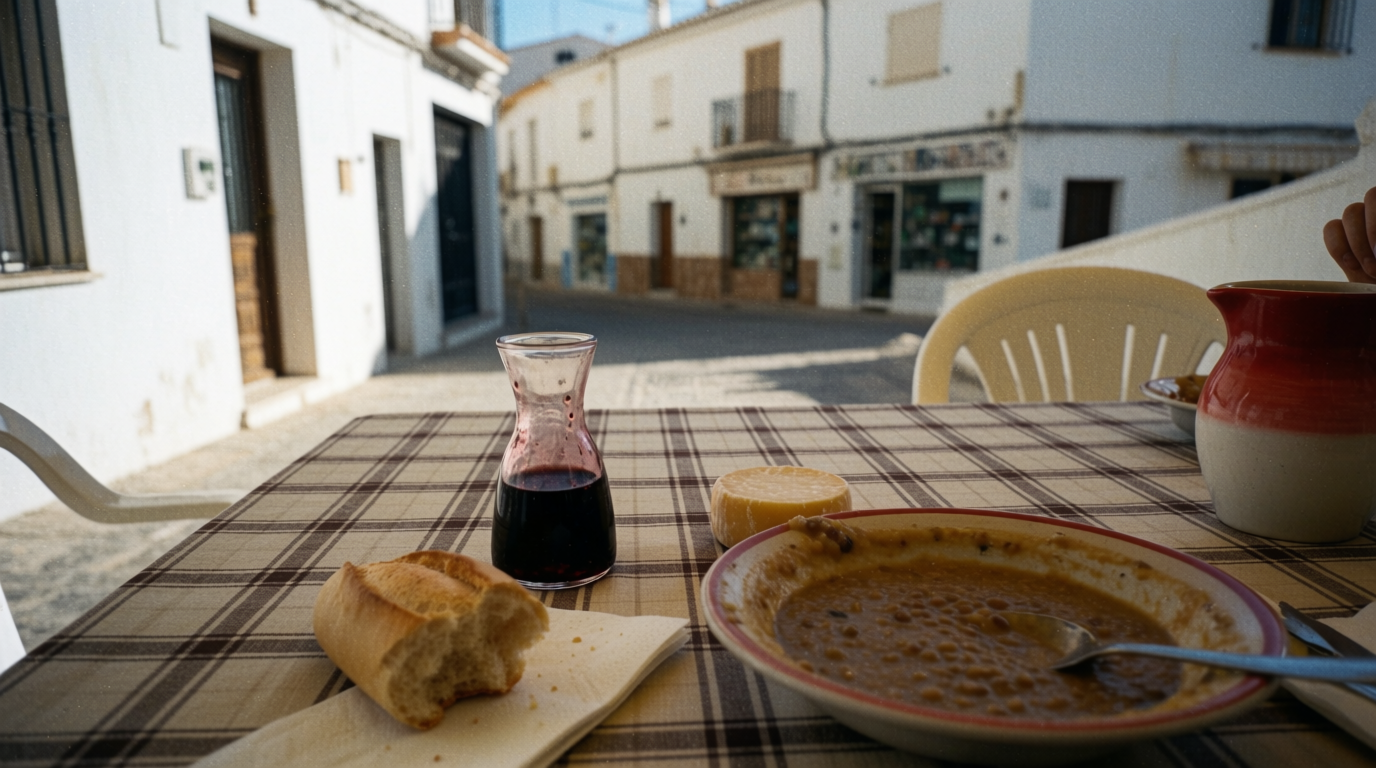
The format barely varies from Nerja to Jávea. You choose a first course, usually something like lentejas, a salad, or gazpacho in summer. Then a second, often grilled fish, pork loin, or a stew, depending on the day and the season. Bread, a drink and either a dessert or a coffee are folded into the price, which on an ordinary weekday still tends to sit somewhere around ten to fourteen euros away from the seafront strips.
Nobody hands you a wine list. The house wine or beer simply arrives, sometimes in its own small carafe, and nobody thinks twice about a full glass of tinto at one in the afternoon on a Tuesday. This is not indulgence, it is just lunch, and treating it as anything more remarkable than that is usually the first sign of a newcomer.
The menu itself is almost always handwritten or printed fresh each morning, because it depends on what arrived at the market or the fishmonger that day. You will rarely find the same combination twice in a week, which is part of the appeal, and part of why regulars barely glance at the board before ordering.
Where to find the real one
The giveaway is the clientele. If the tables are full of local tradesmen, council workers or retirees at half past one sharp, you have found it. If the staff greet most of the room by name, you have certainly found it. Tourist-facing restaurants near the paseo often offer a version of the menú del día too, but it tends to arrive later, cost more, and taste noticeably less like someone's grandmother made it that morning.
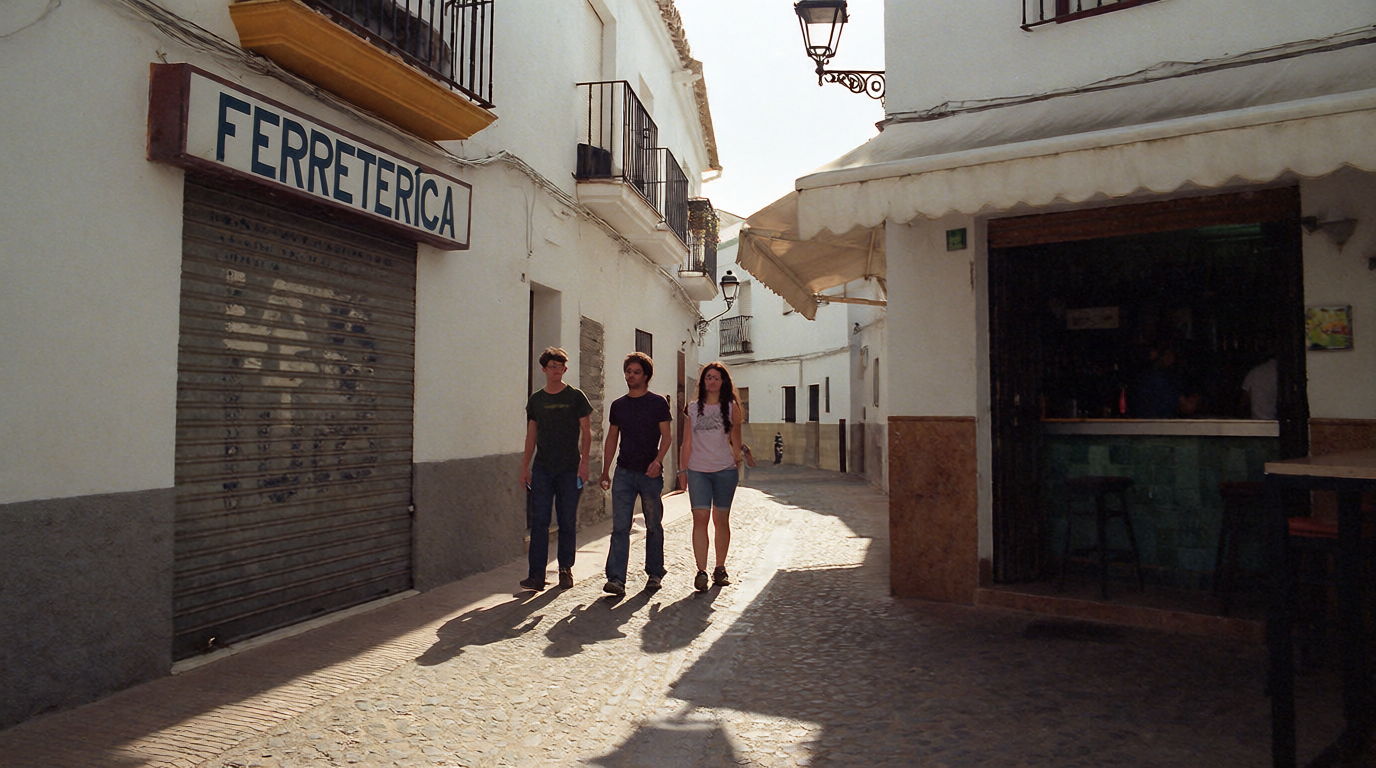
Inland towns are particularly good hunting ground: places like Alhaurín el Grande, Coín, or Pinoso on the Alicante side, where the lunch trade still runs on local habit rather than seasonal footfall. On the coast itself, walk one or two streets back from the front and look for a paper tablecloth and a queue forming outside a door with no sea view whatsoever.
The best test is simple: if you can see the water from your table, you are probably paying tourist prices for a tourist version of the thing.
The etiquette nobody explains
The menú del día is a weekday institution, generally Monday to Friday, and often only served at lunch, roughly one until half past three or four. Turning up at eight in the evening expecting the same deal will get you a kind smile and the regular evening menu instead. Weekends and public holidays usually revert to à la carte too, since the whole idea is built around the working week.
You order quickly, because the room is often full and the kitchen is cooking to a rhythm, not to individual whim. Asking for substitutions is possible but not really the spirit of the thing. Part of the pleasure is simply accepting what today's list offers, the way the kitchen intended it, rather than trying to reshape it into something else.
Lingering afterwards is entirely normal. Ordering a coffee, then sitting a while longer, is not seen as taking up a table someone else needs. This is one lunch service, not a series of turns, and once you understand that, the whole pace of an afternoon here starts to make more sense.
Why it matters more than the view
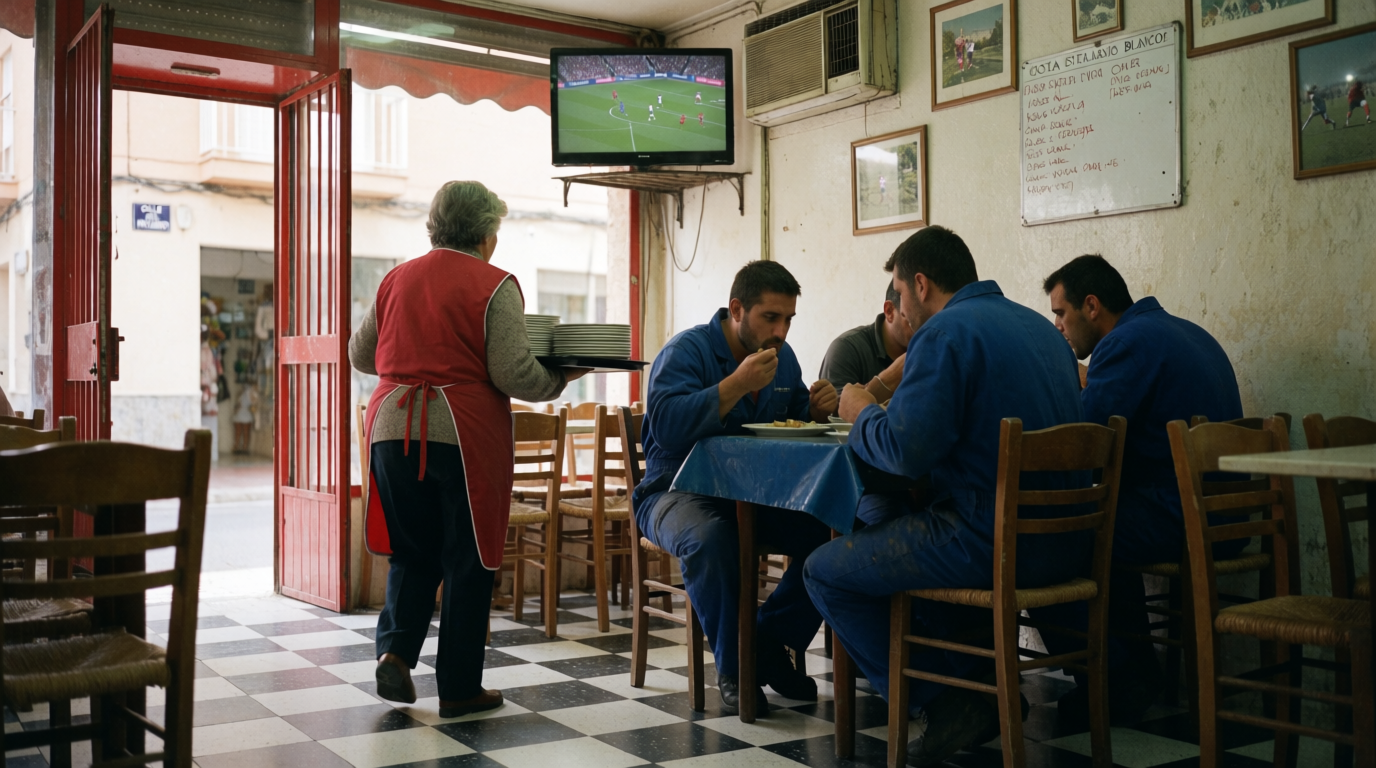
Owners who settle in well on this coast tend to find their own menú del día within the first few months, often without setting out to. It becomes a fixed point in the week: the Tuesday place with the good rape a la plancha, the Thursday spot where the owner always asks about your garden. It is a small, repeatable act of belonging that has nothing to do with the size of a terrace or the direction it faces.
It is also, quietly, one of the more useful things a new arrival can do for their Spanish. Ordering primero, segundo, and a coffee to finish is a low-stakes, high-frequency way to practise, with staff who have heard every accent going and rarely mind a slow sentence. Over a year of Tuesdays, that adds up to something real.
We think this is one of the underrated joys of owning somewhere on the Costa del Sol or Costa Blanca rather than simply holidaying there. The view from a terrace is lovely on day one. A regular table where the waiter already knows you take your coffee without sugar is something that only arrives with time, and it is worth just as much.
If you are still weighing up which stretch of coast might suit the life you actually want to live, that is exactly the sort of conversation we enjoy having. Get in touch, tell us how you picture your week once the unpacking is done, and we will help you think it through properly, no pressure, no clock running.