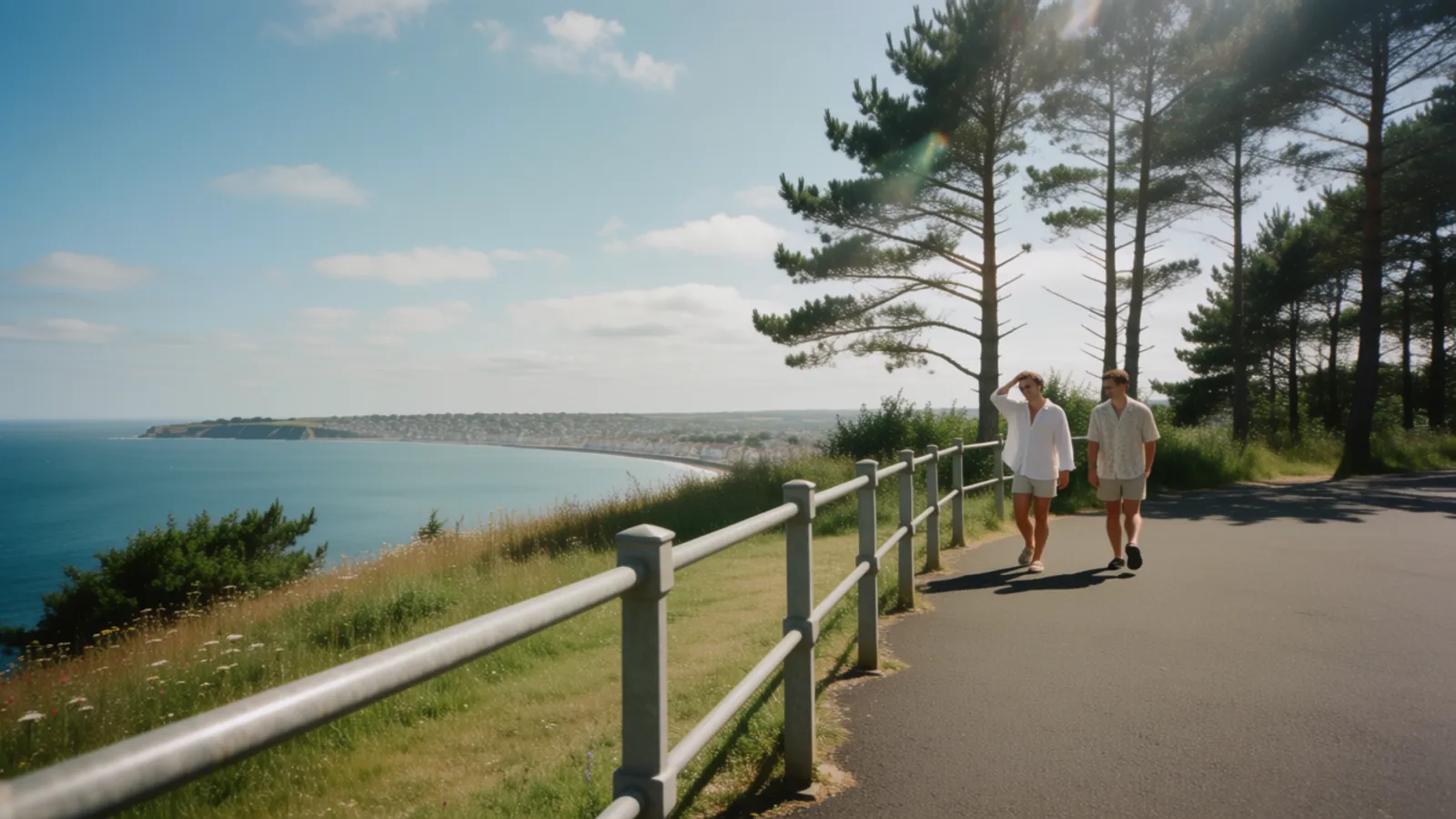

La Cala de Mijas: what daily life there is really like

La Cala de Mijas began as a fishing village tucked between Fuengirola and Marbella, and it has never quite let go of that identity, even as golf resorts, English breakfast cafés and a long paseo marítimo grew up around it. Locals still call the old core "el pueblo" and the beachfront strip something separate, and the distinction matters more than it sounds.
It is one of the busier stretches of the Costa del Sol in August and one of the quieter ones in February, which is worth sitting with before anything else. The town that photographs so well in summer is a genuinely different place in winter, smaller, slower, and largely local.
We are not in the business of selling anyone on it. What follows is what we would tell a friend who was seriously weighing whether to live here, not just visit.
The rhythm of the year
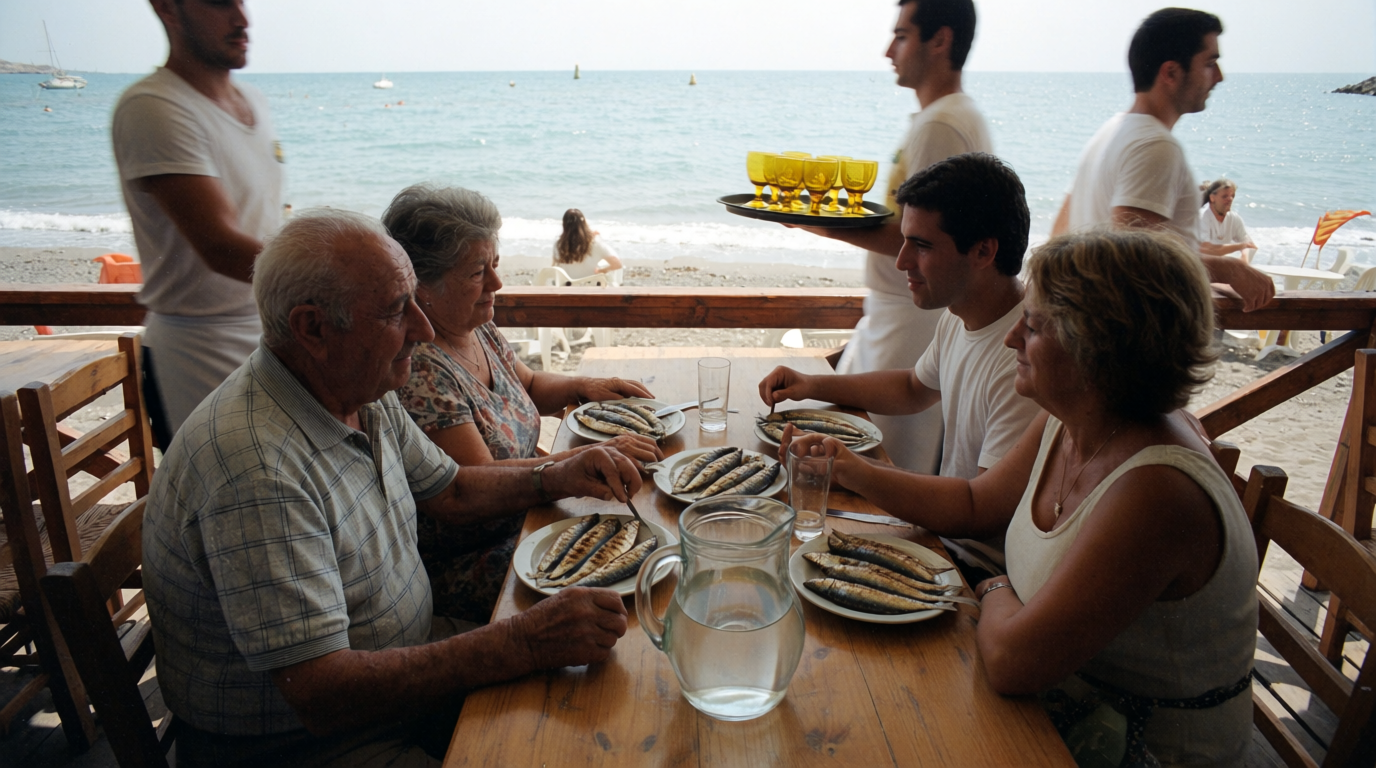
Summer in La Cala de Mijas is full-throttle: the beach fills early, the chiringuitos run long lunches into late afternoon, and the Wednesday street market draws a proper crowd of stallholders and shoppers from along the coast. Traffic on the old N-340 through town can crawl in July and August, and parking near the seafront becomes a small daily negotiation.
Spring and fdautumn are what many residents privately consider the best months. The Mediterranean is warm enough to swim well into October, the terraces empty out just enough to get a table without waiting, and the light on the paseo in late afternoon is the kind that makes the walk from the old town to the beach worth doing on purpose rather than out of habit.
Winter is genuinely mild, rarely cold enough to need more than a jumper, but a good number of the coast's holiday apartments sit dark from November to February. Some year-round residents love the calm this brings; others find a stretch of the low season quiet in a way that takes adjusting to, particularly if their social life had leaned on summer neighbours.
Neighbourhoods, in plain terms
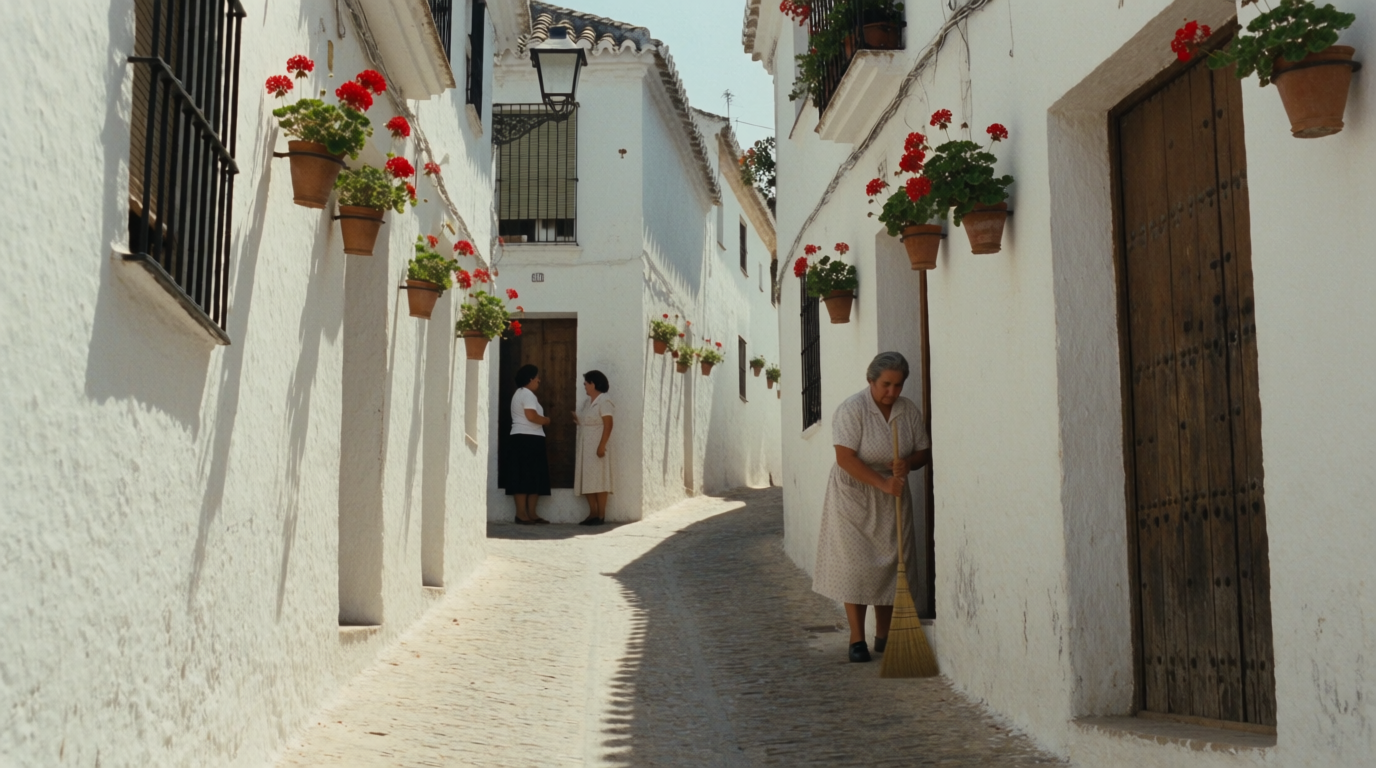
The old town, the original pueblo around Calle San Sebastián and the church, is narrow streets, low whitewashed houses, small bars that fill with Spanish regulars, and very little through traffic. It suits people who want to walk everywhere and don't mind stairs.
The seafront strip either side of the paseo marítimo is where most of the tourist-facing life happens: chiringuitos, ice cream, mid-rise apartment blocks with sea glimpses or sea views depending on the floor. It is convenient and social but livelier and pricier close to the water.
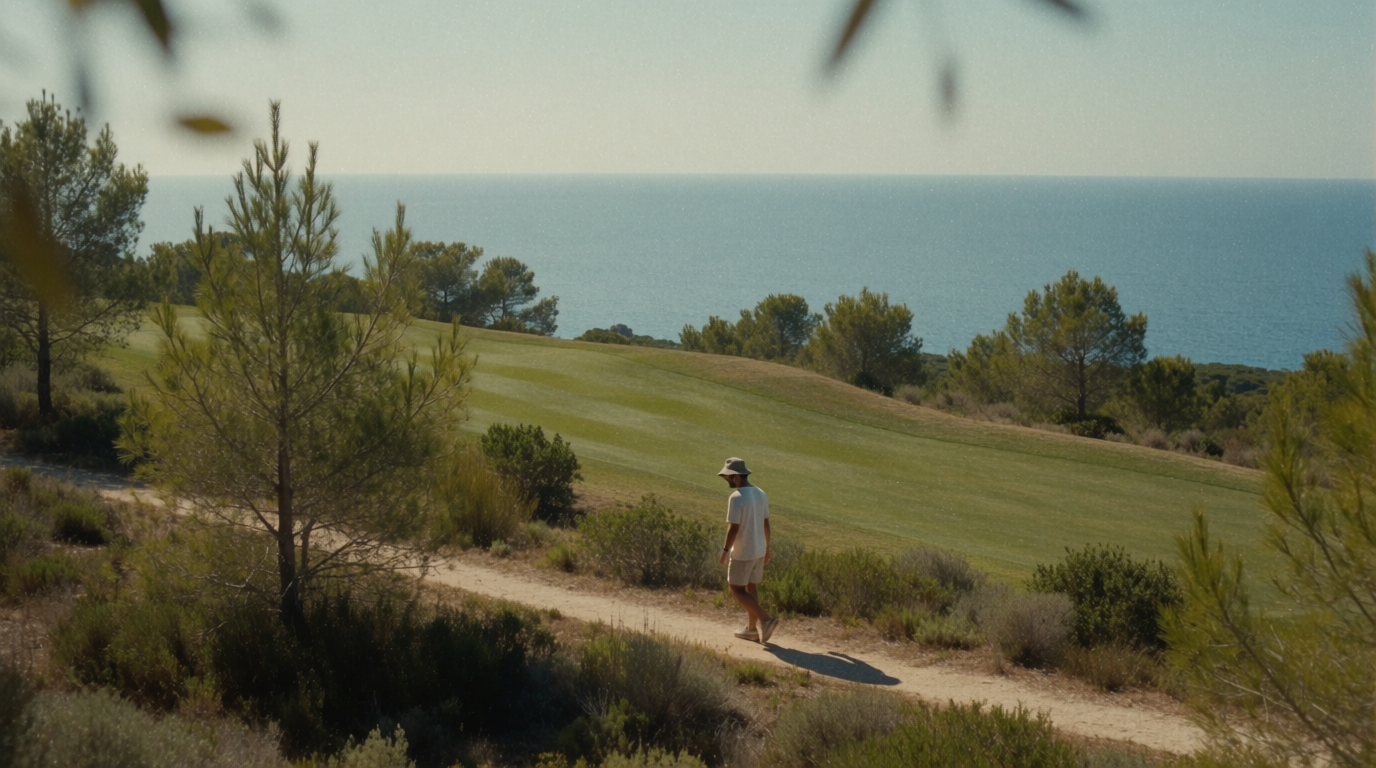
Inland and to the east, La Cala Golf and the wider Mijas Golf area offer a different pace entirely: low-density urbanisations built around golf courses, quieter, greener, more car-dependent, and popular with people who came for the golf first and the beach second. Further along the coast toward Fuengirola, Riviera del Sol and Calahonda sit in a similar mould, technically part of Mijas Costa, and worth knowing about if the golf-resort feel of La Cala Golf appeals but the price point doesn't quite.
The texture of an ordinary day
Mornings here start at the bakery or the market rather than a gym. The Wednesday market is the anchor of the week, fruit and fish stalls alongside clothing and homeware, and even residents who never buy much tend to walk it out of habit.
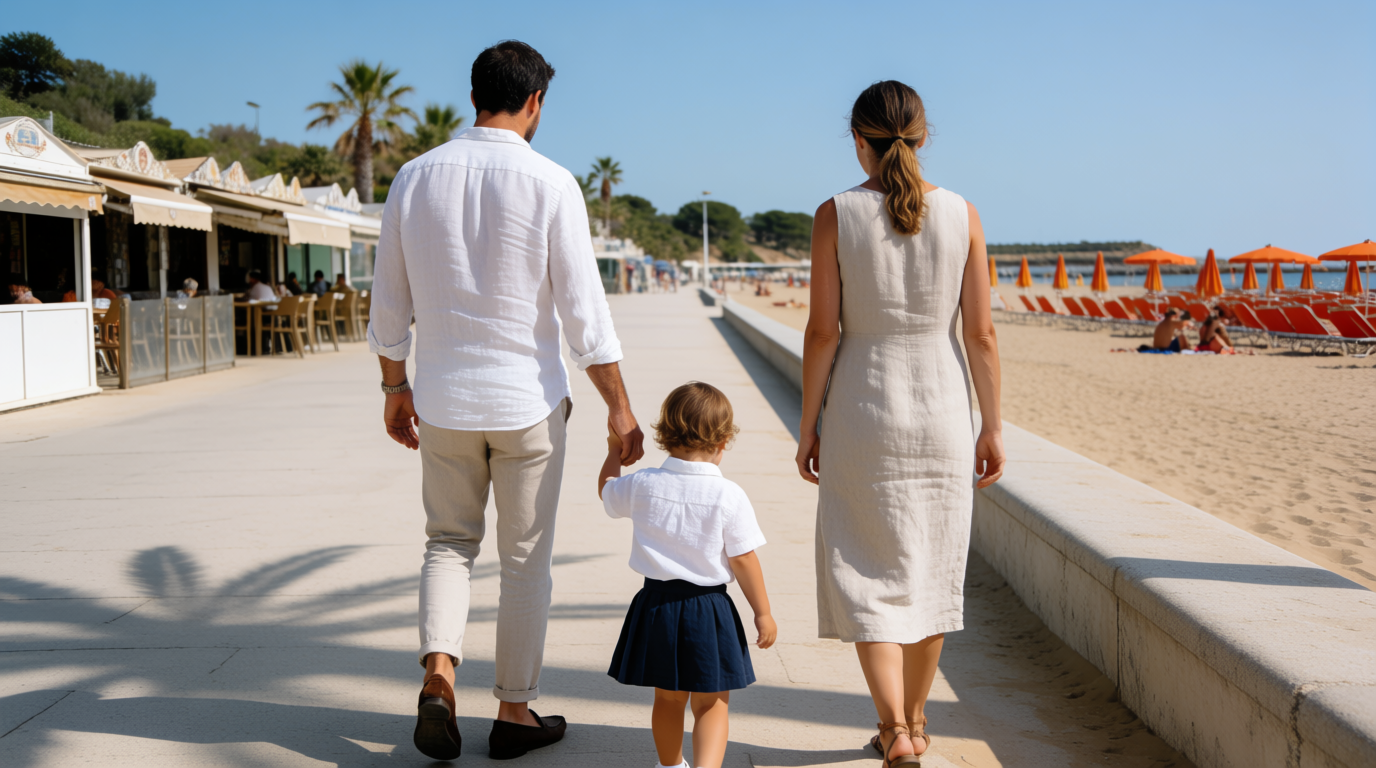
Coffee culture leans unhurried: a café con leche standing at the bar costs less than sitting, and nobody minds if you linger over the sitting version for an hour with the newspaper. The paseo marítimo, which runs several kilometres and connects toward Fuengirola, is where the evening walk happens, dogs and prams and retirees doing laps at the same hour every day.
There is no train station in La Cala itself; the nearest Cercanías stop is in Fuengirola, roughly a fifteen-minute drive, which matters for anyone hoping to live car-free. Málaga airport is under forty minutes down the AP-7 outside peak traffic, closer to an hour in August.
Who tends to be happiest here
The people who settle in well tend to be the ones who wanted a working beach town, not a resort.
Families do well here: there are good international and Spanish schools within a short drive, a genuinely safe feel to the streets, and enough children around in the old town and the golf urbanisations alike that nobody's child is short of playmates. Golfers are well served by La Cala Golf's three courses and the wider concentration of clubs across Mijas Costa. Walkers and cyclists like the paseo and the hills rising behind the town toward Mijas Pueblo, a genuinely pretty white village a short drive up into the sierra.
Remote workers tend to be happy here too, provided they choose the right neighbourhood; the old town and central seafront have reliable connectivity and a good scattering of cafés that don't mind a laptop at a corner table outside peak hours. Year-round residents who want a real, functioning Spanish town rather than a seasonal one generally gravitate to the pueblo core or slightly inland, away from the summer crowds.
What La Cala de Mijas is not
It is not Marbella's old town, and it doesn't try to be; there's little of that polish or nightlife here. Anyone wanting a smart evening scene, fine dining beyond a handful of good but unpretentious restaurants, or a see-and-be-seen marina should look toward Puerto Banús or Marbella itself.
It is also not a quiet retreat for people who dislike crowds altogether. Summer here is genuinely busy, the beach fills, the market draws visitors from neighbouring towns, and the N-340 traffic through the centre can test anyone's patience in July. Someone who wants year-round calm with an authentic Andalusian feel might be better served a little further along the coast, or up in the hills at Mijas Pueblo itself.
And for those who want walkable urban life with a Spanish city's full range of shops, culture and public transport on the doorstep, Fuengirola or Málaga will suit better; La Cala remains, at heart, a town built around the beach, the market and the golf course, not a city in miniature.
If La Cala de Mijas sounds like it might fit the life you're picturing, we're glad to talk it through properly, season by season and street by street, before any names or numbers ever come into it.